20 Raised Vegetable Gardens Ideas For Growing Your Own Food
Growing your own food doesn’t have to be complicated or require a huge backyard. Raised vegetable gardens offer the perfect solution for families who want fresh produce without the hassle of traditional in-ground gardening.
When I’m growing fresh produce at home and want better control over soil quality and drainage, I like using deep modular raised garden bed systems to give my vegetables the space they need while keeping everything neat and easy to manage.
From simple DIY projects to creative layouts that make the most of small spaces, these ideas will inspire you to start your own veggie garden adventure right at home!
Galvanized Metal Veggie Bed
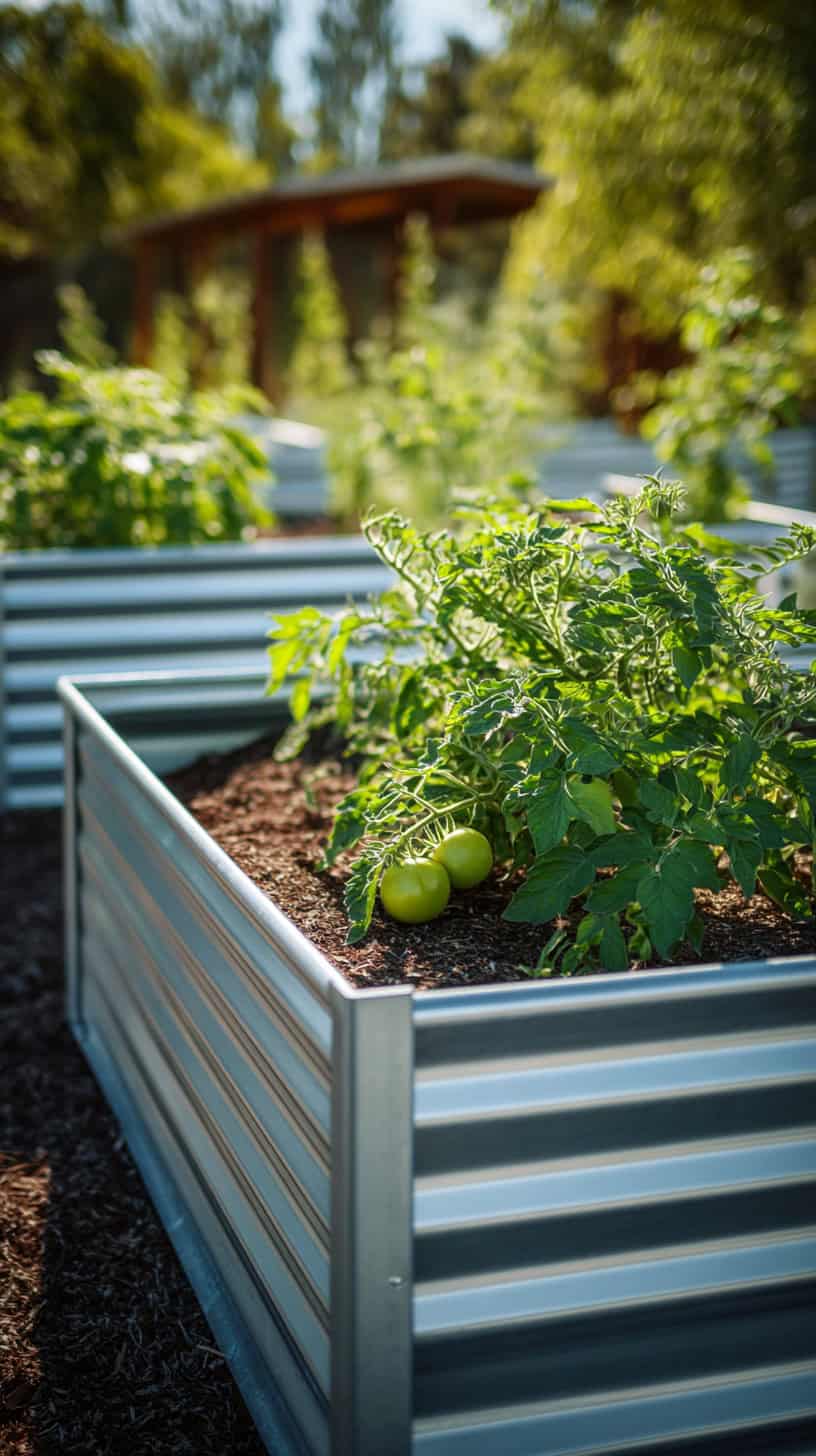
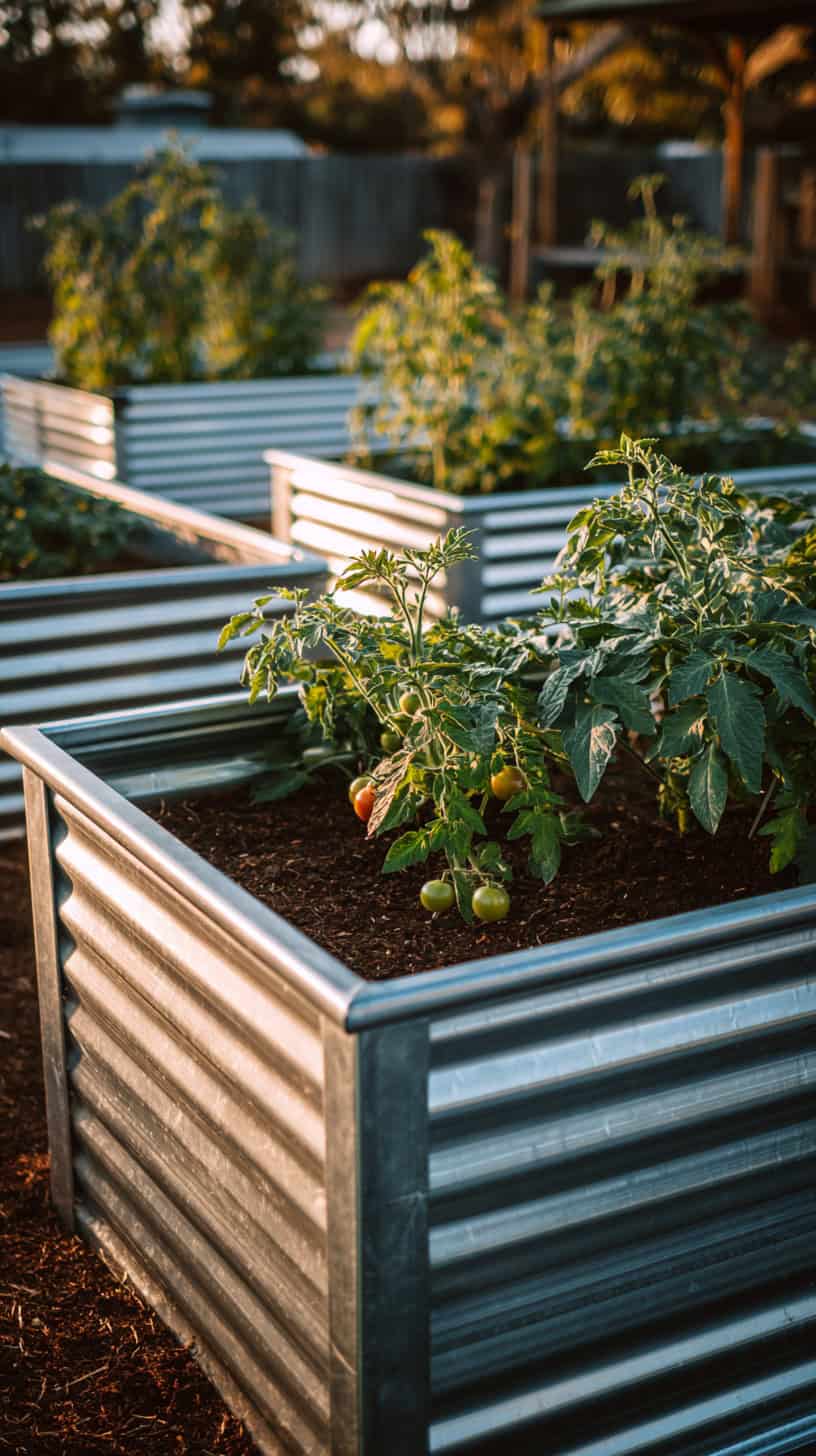

Galvanized metal raised garden beds bring a sleek, modern look to any backyard while offering incredible durability. These rust-resistant planters can last for decades and they retain heat beautifully, which helps extend your growing season. I love how clean and professional they look lined up in neat rows. The metal sides warm up quickly in spring, giving your tomatoes and peppers an early start. You can find these elevated garden bed kits at most hardware stores or build your own with corrugated metal panels. They work wonderfully for families who want low-maintenance garden boxes that stand up to weather and time. The depth allows for excellent root growth, and the neutral silver finish complements any garden style. Kids love watching vegetables grow in these shiny containers, making it a fun family activity that combines modern design with productive gardening.
Tiered Wooden Elevated Planter
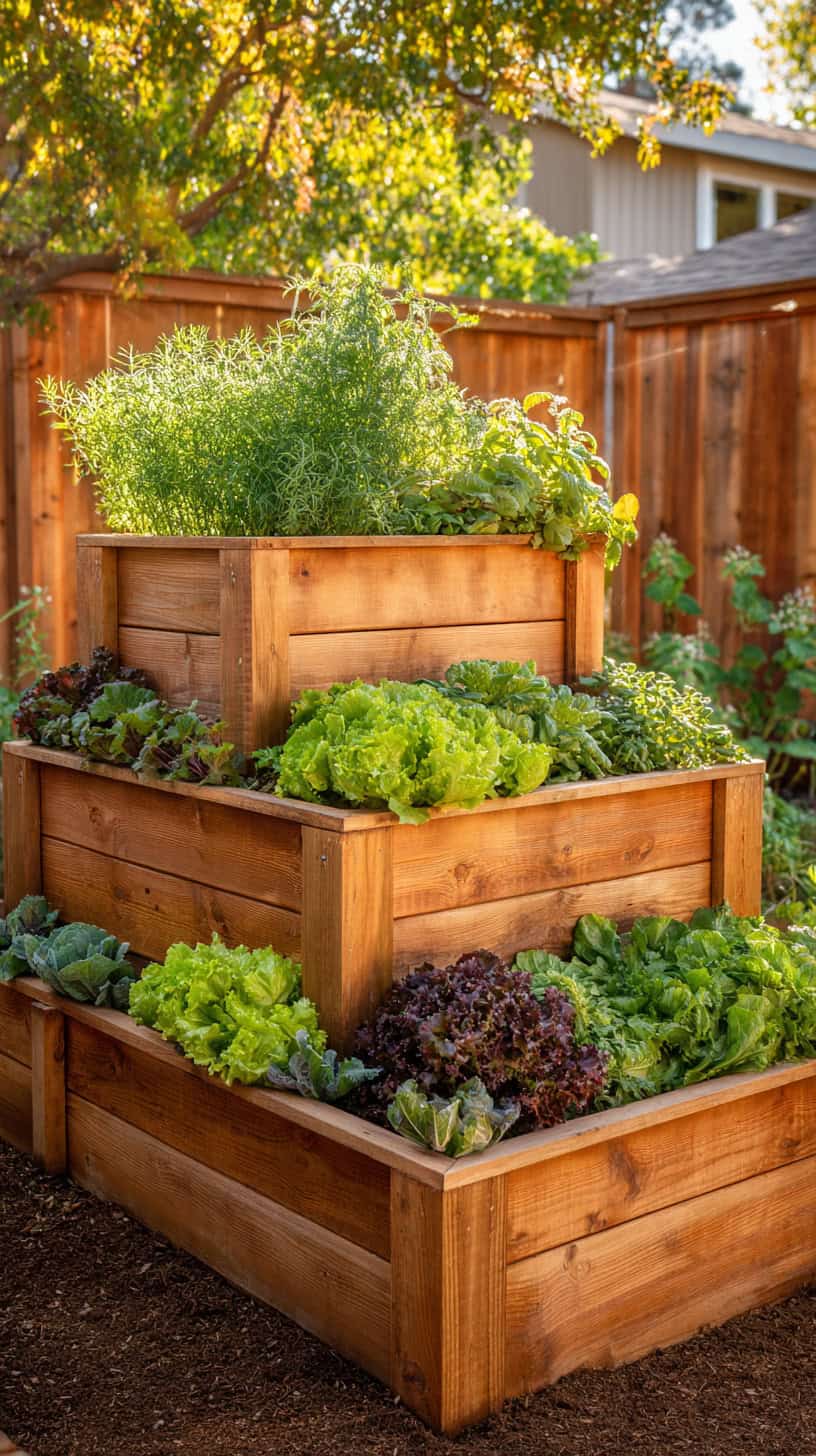
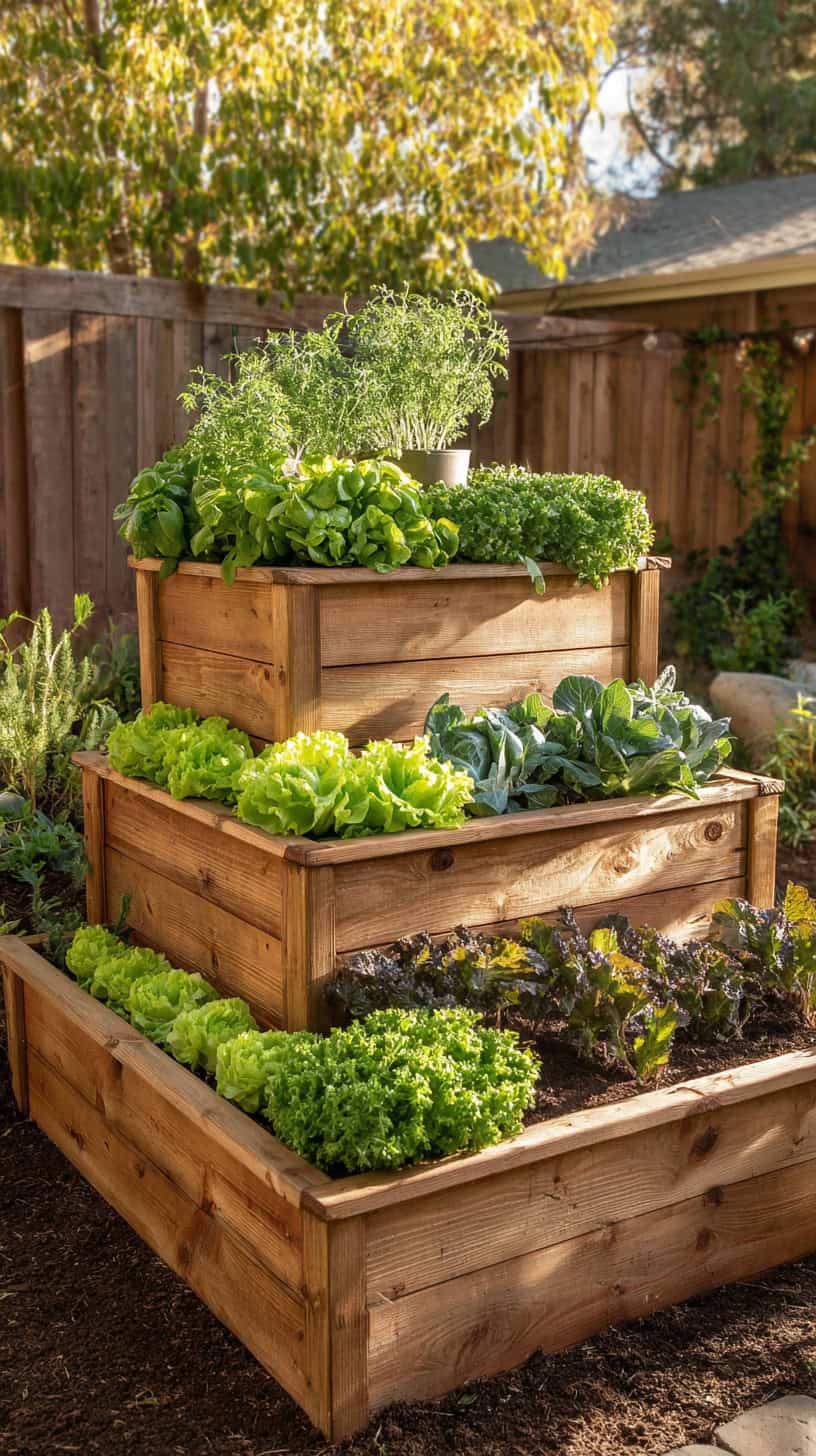
Tiered wooden planters maximize vertical space while creating a stunning focal point in your garden. These stacked raised garden beds are perfect for small vegetable gardens where ground space is limited. The cascading design allows you to grow different crops at various heights, making harvesting easier on your back. I particularly love using the top tier for herbs, the middle for lettuce and greens, and the bottom for root vegetables. Cedar wood works best because it naturally resists rot and insects. This layout also provides excellent drainage as water flows from one level to the next. You can build these DIY elevated garden beds in a weekend with basic carpentry skills. The stepped design adds visual interest to patios and courtyards while giving you plenty of planting area. It’s an excellent choice for families who want productive veggie garden ideas that also serve as attractive landscape features.
Easy DIY Block Garden Box
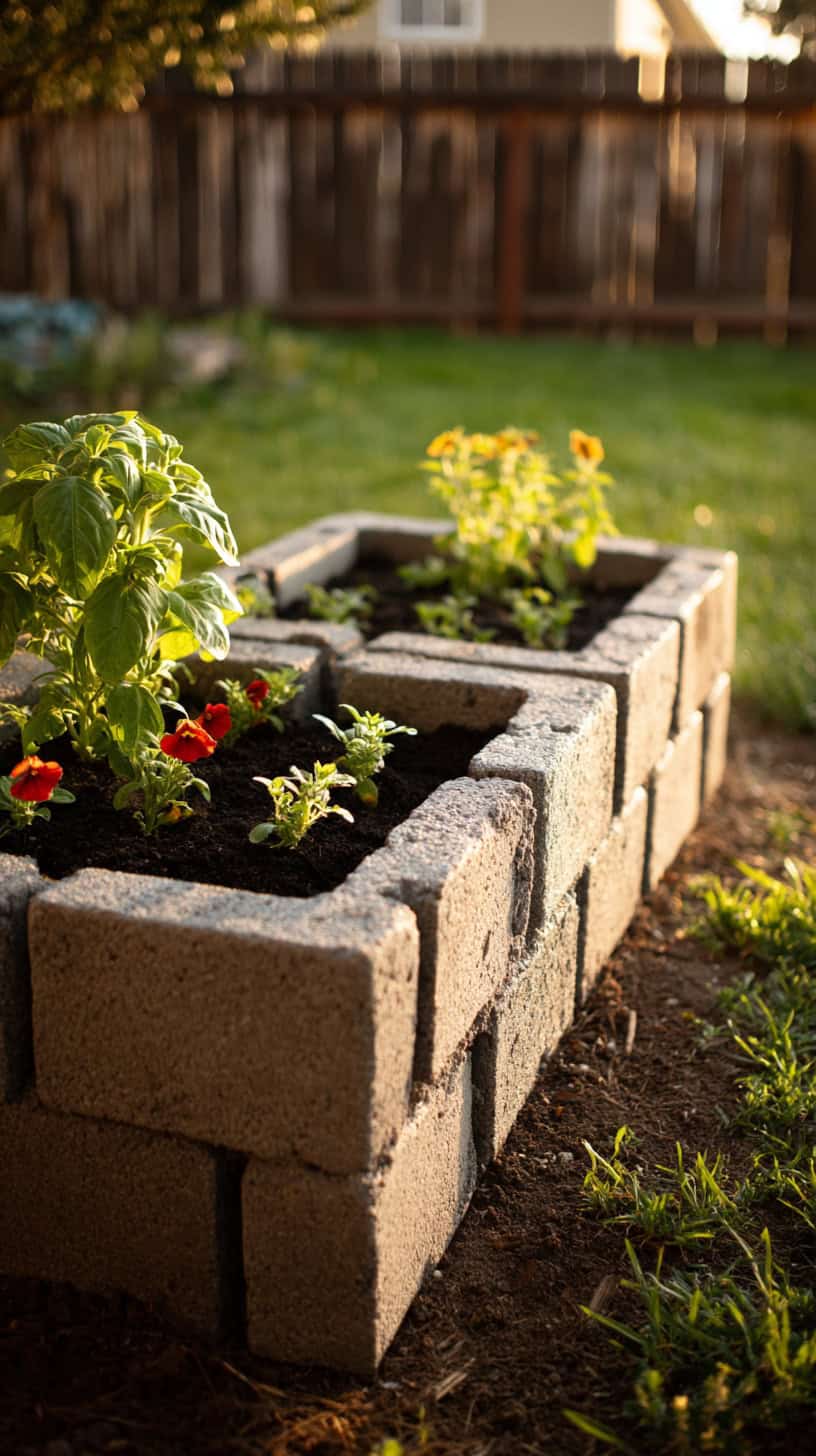
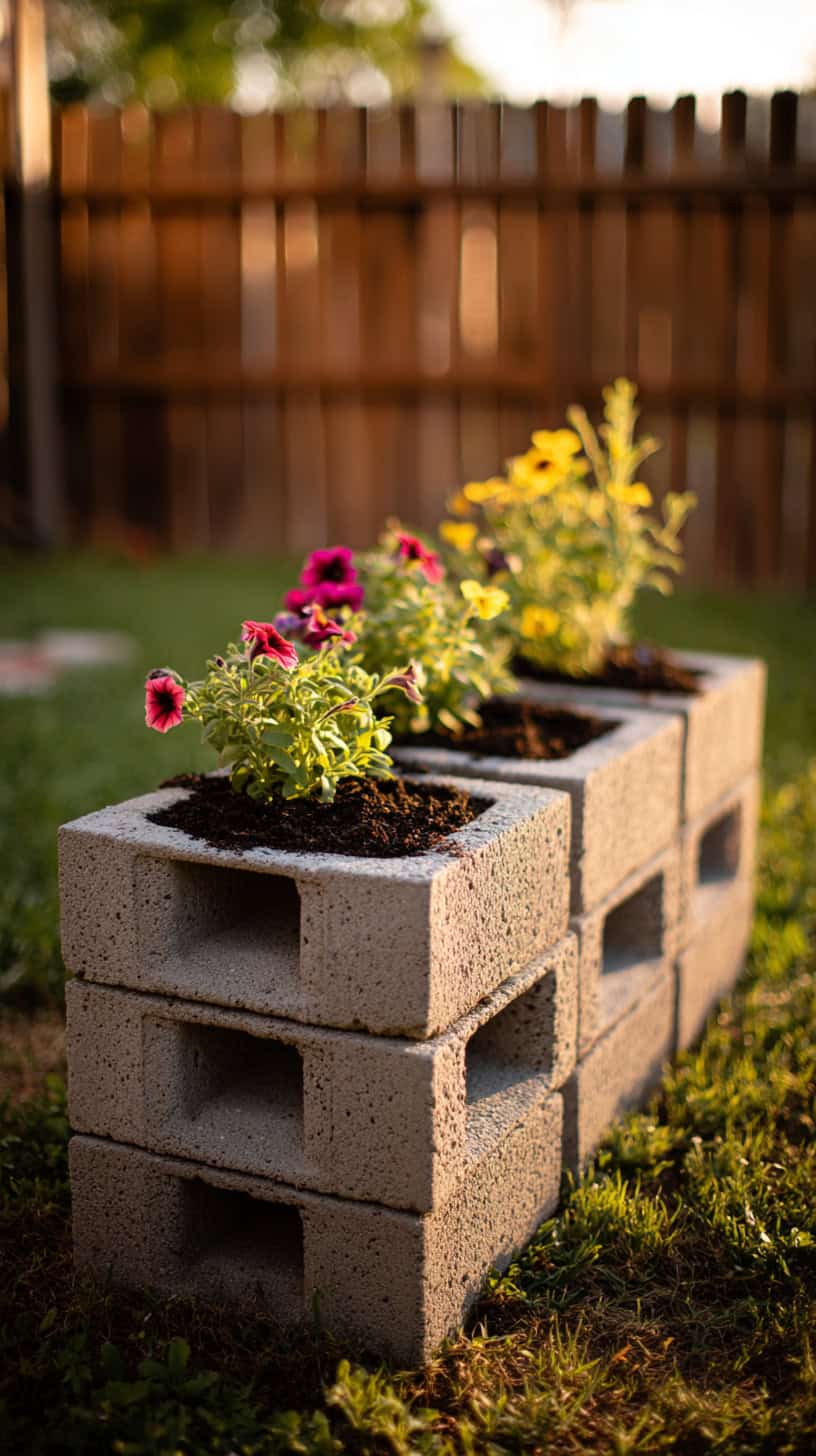
Cinder blocks offer one of the most budget-friendly options for building raised garden beds. These simple garden boxes require no special tools or construction experience, making them perfect for first-time gardeners. Just stack the blocks in your desired shape, fill with quality soil, and start planting. The hollow openings in the blocks create bonus planting spots for herbs and small flowers. I’ve seen families build entire vegetable planters in under an hour using this method. The weight of the blocks keeps everything stable without requiring mortar or adhesive. You can paint them bright colors to match your yard or leave them natural for an industrial look. These easy raised garden beds are completely customizable; simply add or remove blocks to change the size. Kids enjoy helping stack the blocks, making this a great weekend project that gets everyone involved in growing fresh food together.
Compact Square Foot Layout
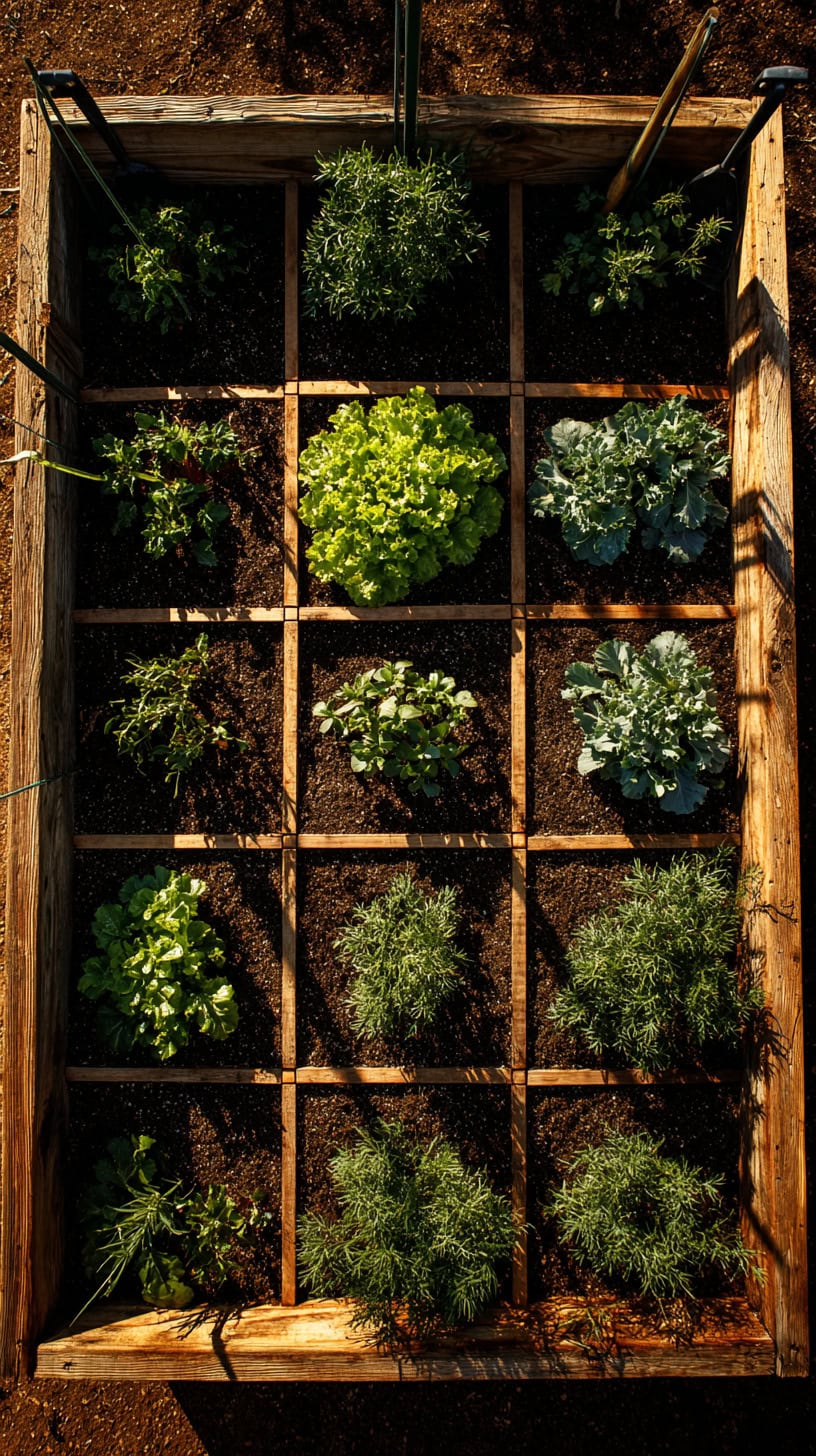
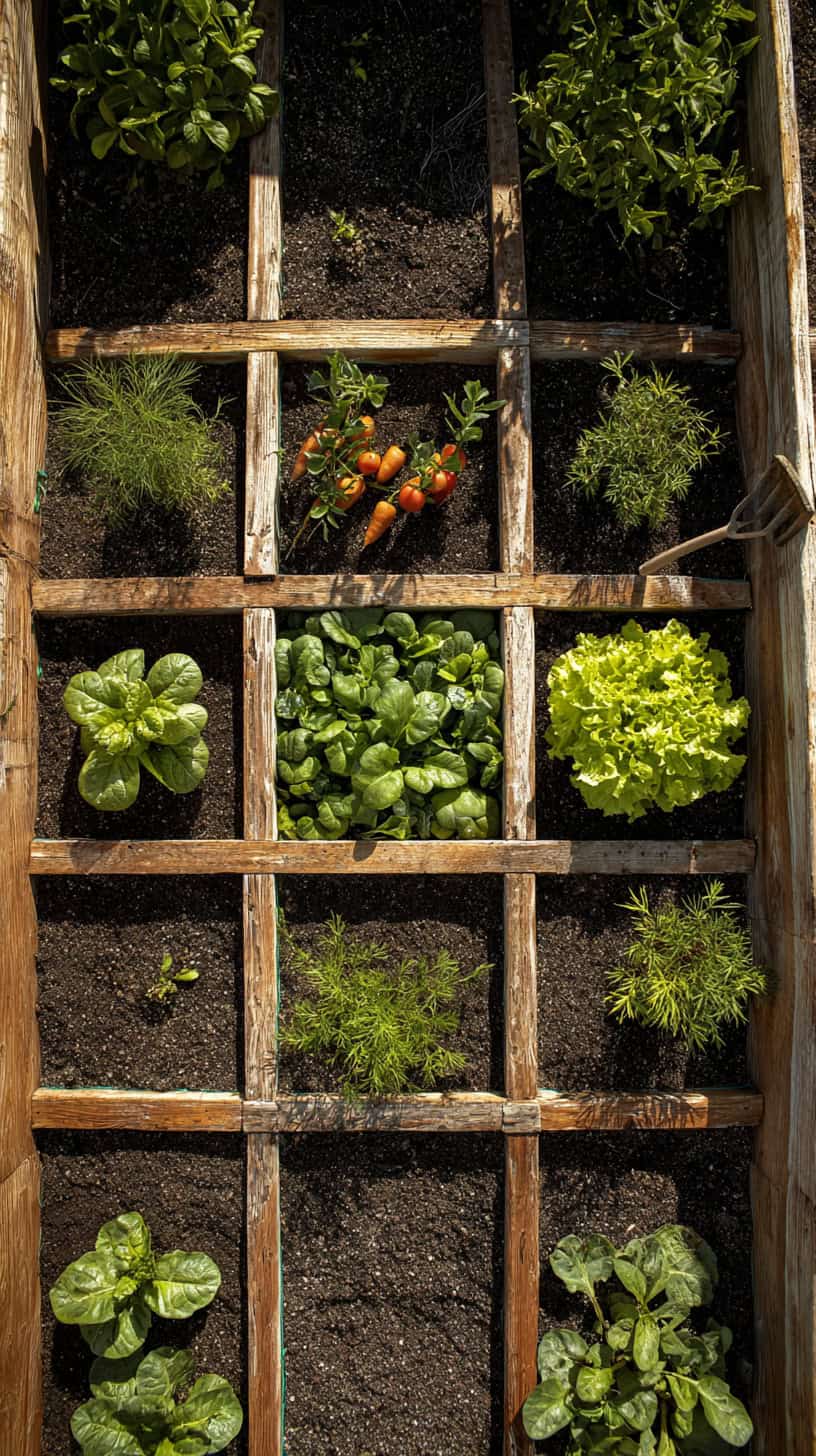
Square foot gardening revolutionizes how we think about raised vegetable gardens by maximizing every inch of space. This method divides your raised garden bed into one-foot squares, with each section dedicated to specific crops based on their spacing needs. One square might hold sixteen radishes while another contains a single tomato plant. The organized layout makes it incredibly easy to plan, plant, and rotate crops throughout the season. I love how this system eliminates wasted space and reduces the overwhelm of planning a large garden. You can build a simple wooden frame and add strings or wooden dividers to create the grid pattern. This approach works beautifully for small vegetable gardens on patios or balconies. Families appreciate how the visual grid helps kids understand plant spacing and care requirements. The compact design also means less weeding, less watering, and more efficient use of your gardening time and energy.
Potager Garden with Flowers
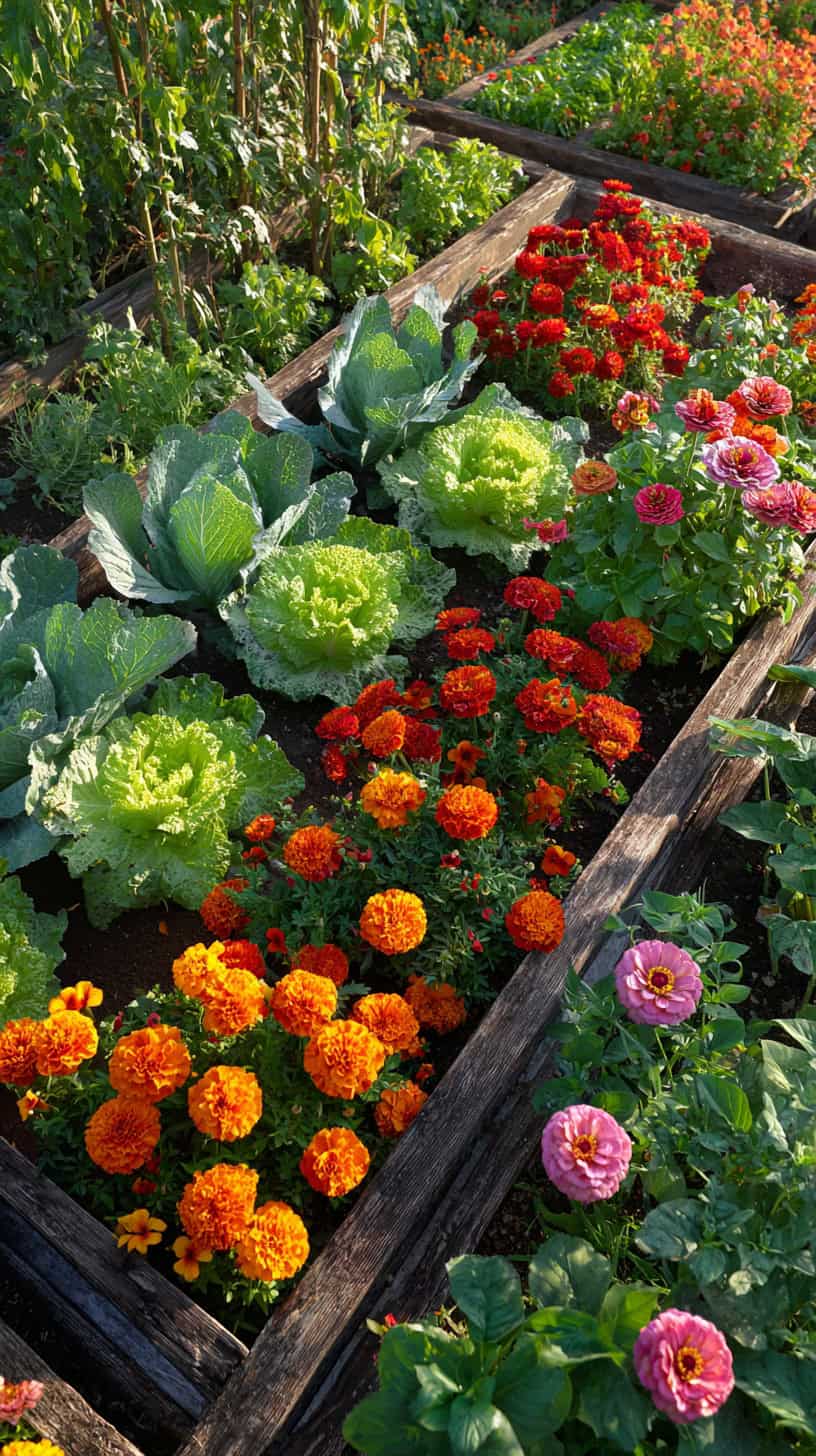
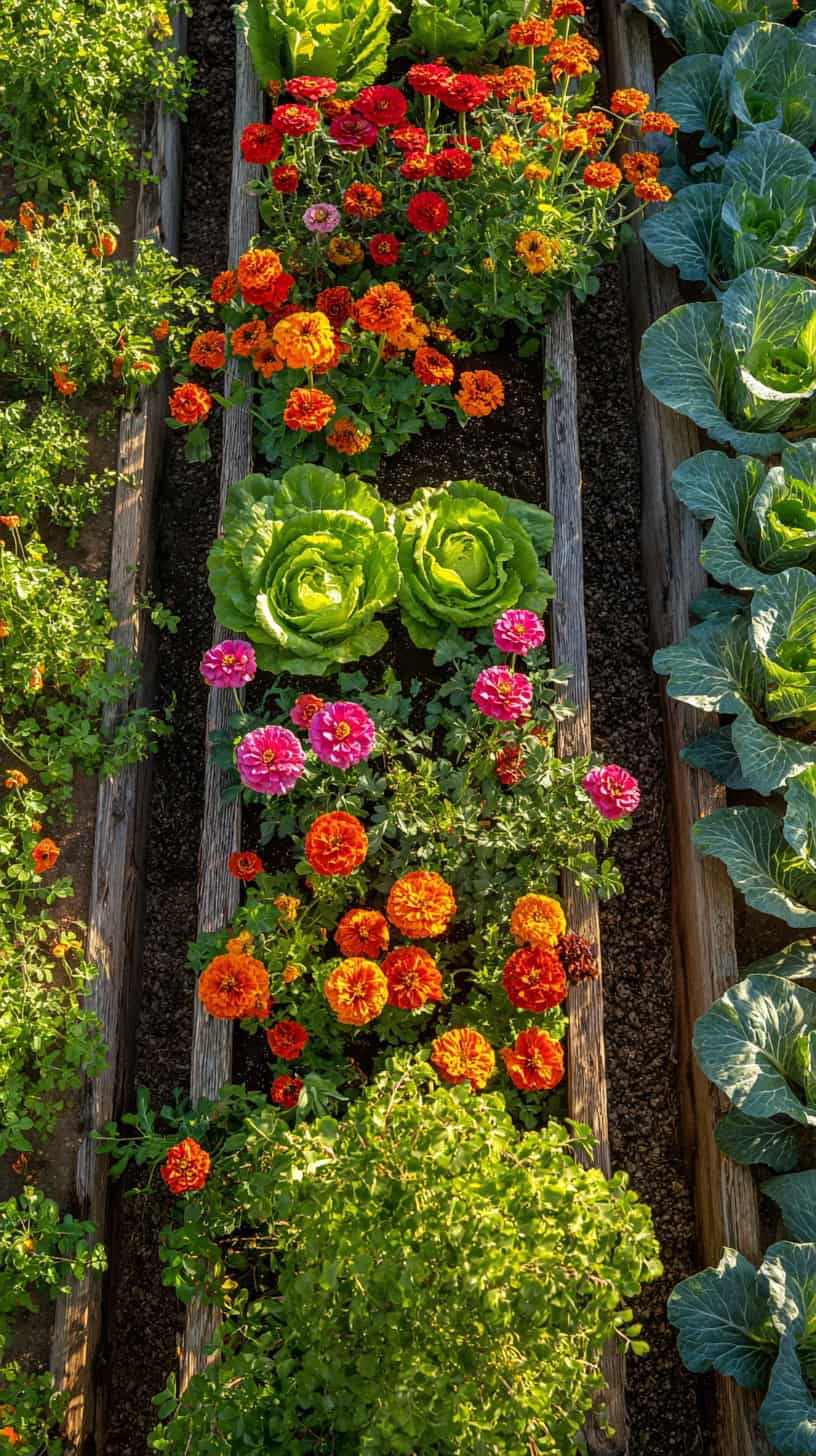
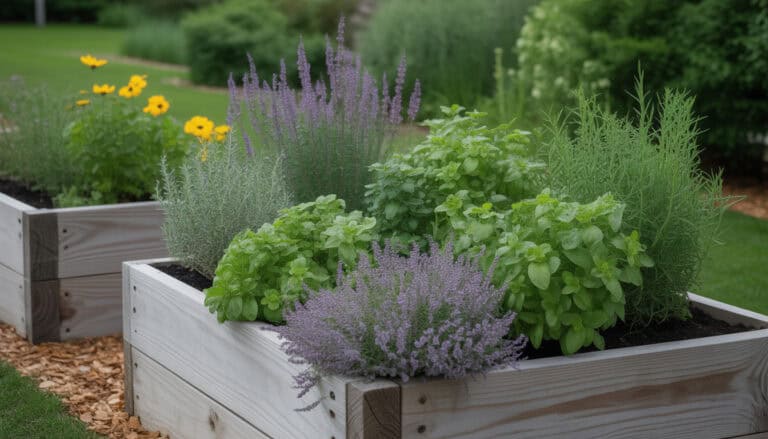
A potager garden blends vegetables, herbs, and flowers into a beautiful, functional landscape that delights all the senses. This French-inspired approach to raised vegetable gardens treats your veggie patch as an ornamental feature rather than hiding it away. Imagine marigolds bordering your tomatoes, nasturtiums trailing between lettuce rows, and zinnias adding pops of color throughout. The flowers aren’t just pretty; they attract beneficial pollinators and pest-eating insects that protect your crops naturally. I absolutely love walking through a potager garden because it feels like stepping into a secret garden that also feeds your family. You can create this layout using traditional raised garden beds arranged in geometric patterns with pathways between them. Mix tall sunflowers with climbing beans, tuck herbs among the blossoms, and let the whole space become a celebration of abundance. This design proves that vegetable planters can be as gorgeous as any flower bed.
Row Style Veggie Beds
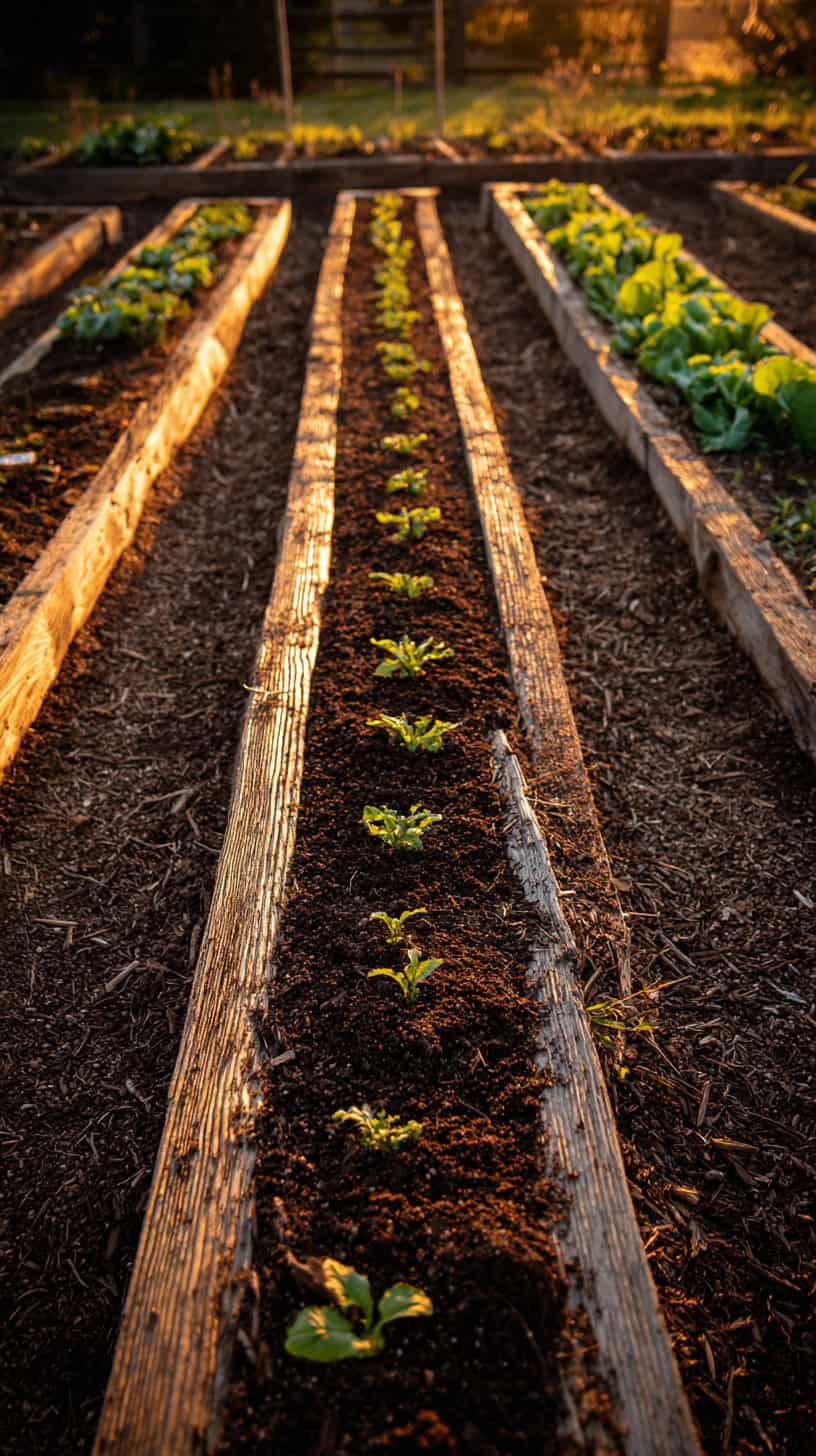
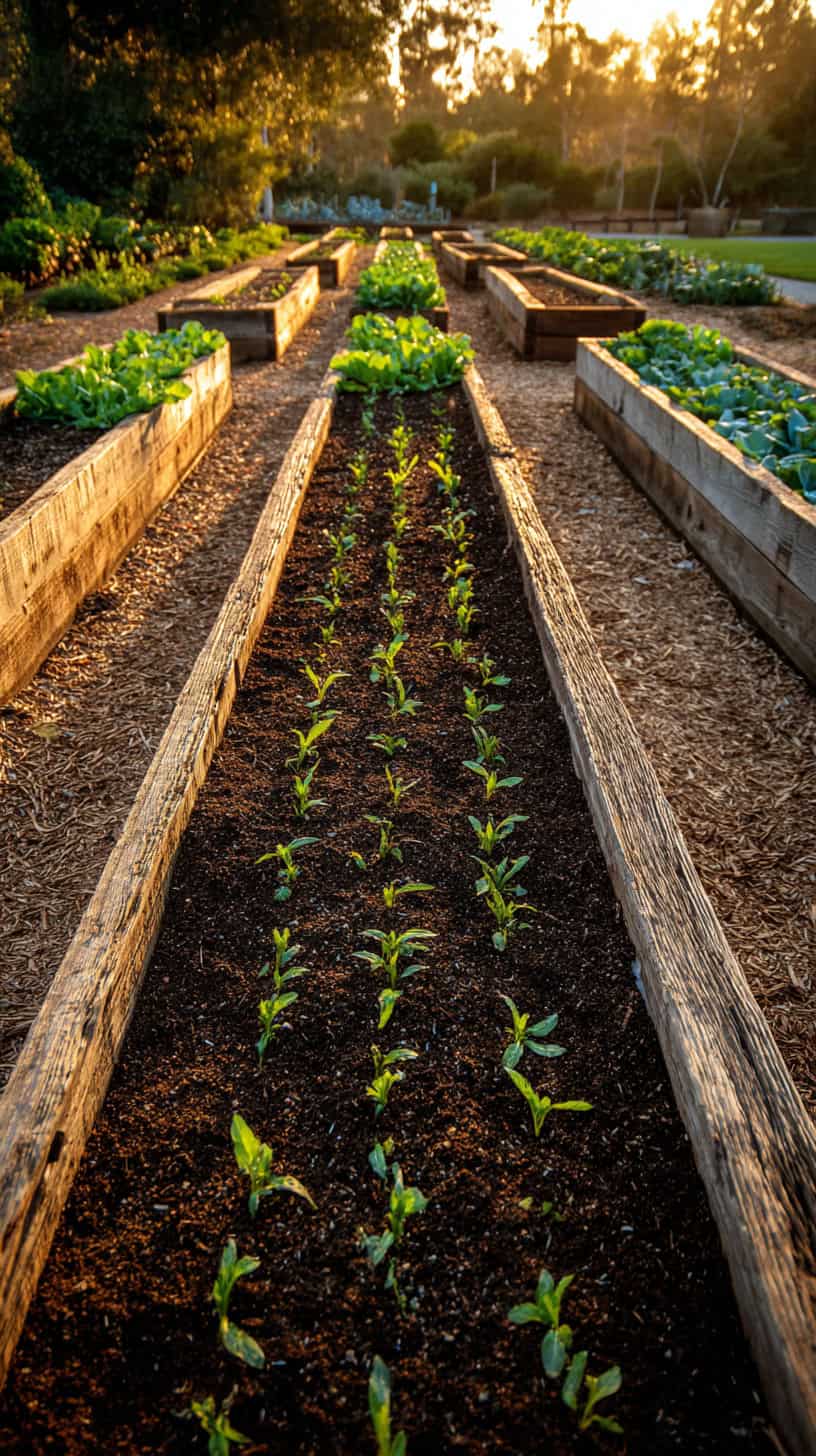
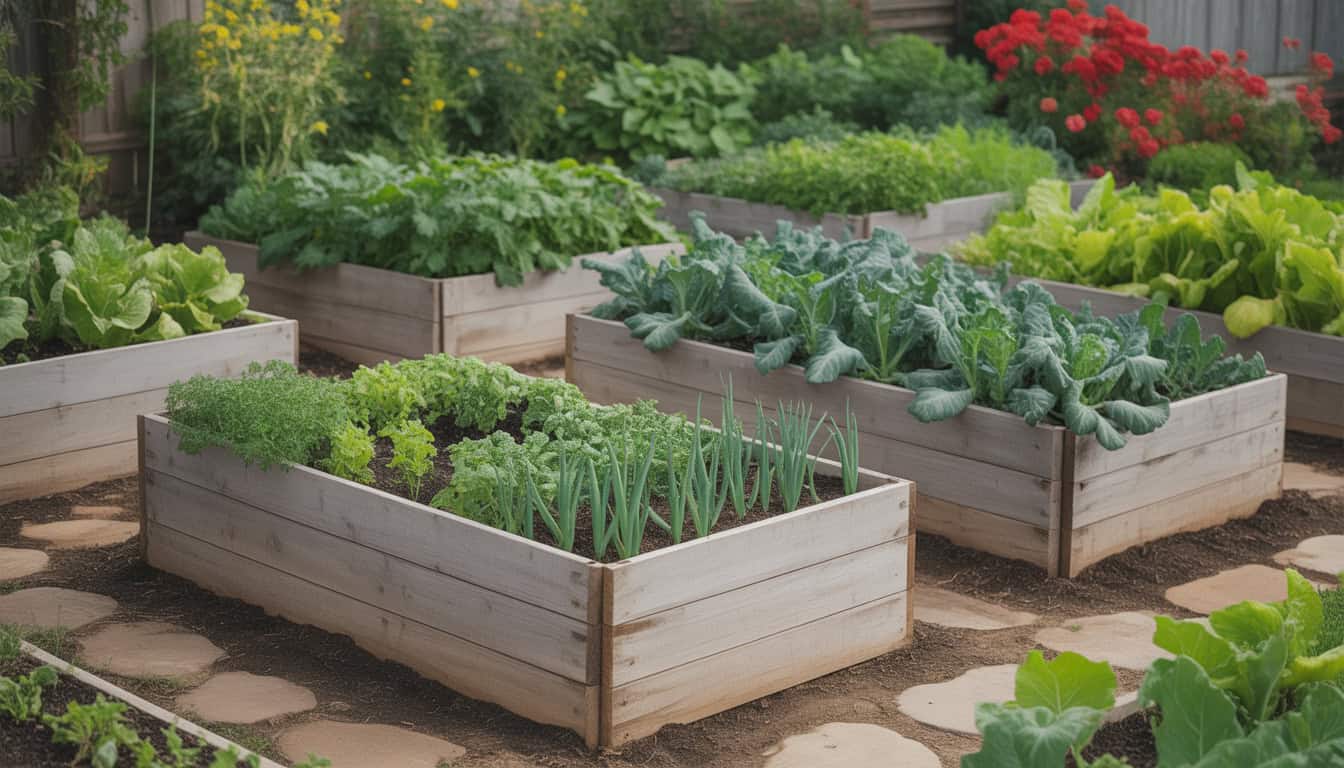
Traditional row-style raised garden beds offer a practical, efficient layout that serious vegetable growers have relied on for generations. These long, narrow garden boxes make crop rotation simple and harvesting straightforward. I recommend keeping rows about three to four feet wide so you can easily reach the center from either side without stepping on the soil. This layout works exceptionally well for families who want to grow larger quantities of vegetables for preserving or sharing. You can dedicate entire rows to specific crops, making it easy to track what’s planted where. The pathways between rows provide excellent access for wheelbarrows, making soil amendments and harvest transport much easier. These DIY raised garden beds can be constructed from untreated lumber in just an afternoon. The uniform appearance creates a neat, organized garden that’s both productive and visually appealing. Kids can each claim their own row, fostering responsibility and excitement about growing their own food.
Elevated Legged Herb Planter
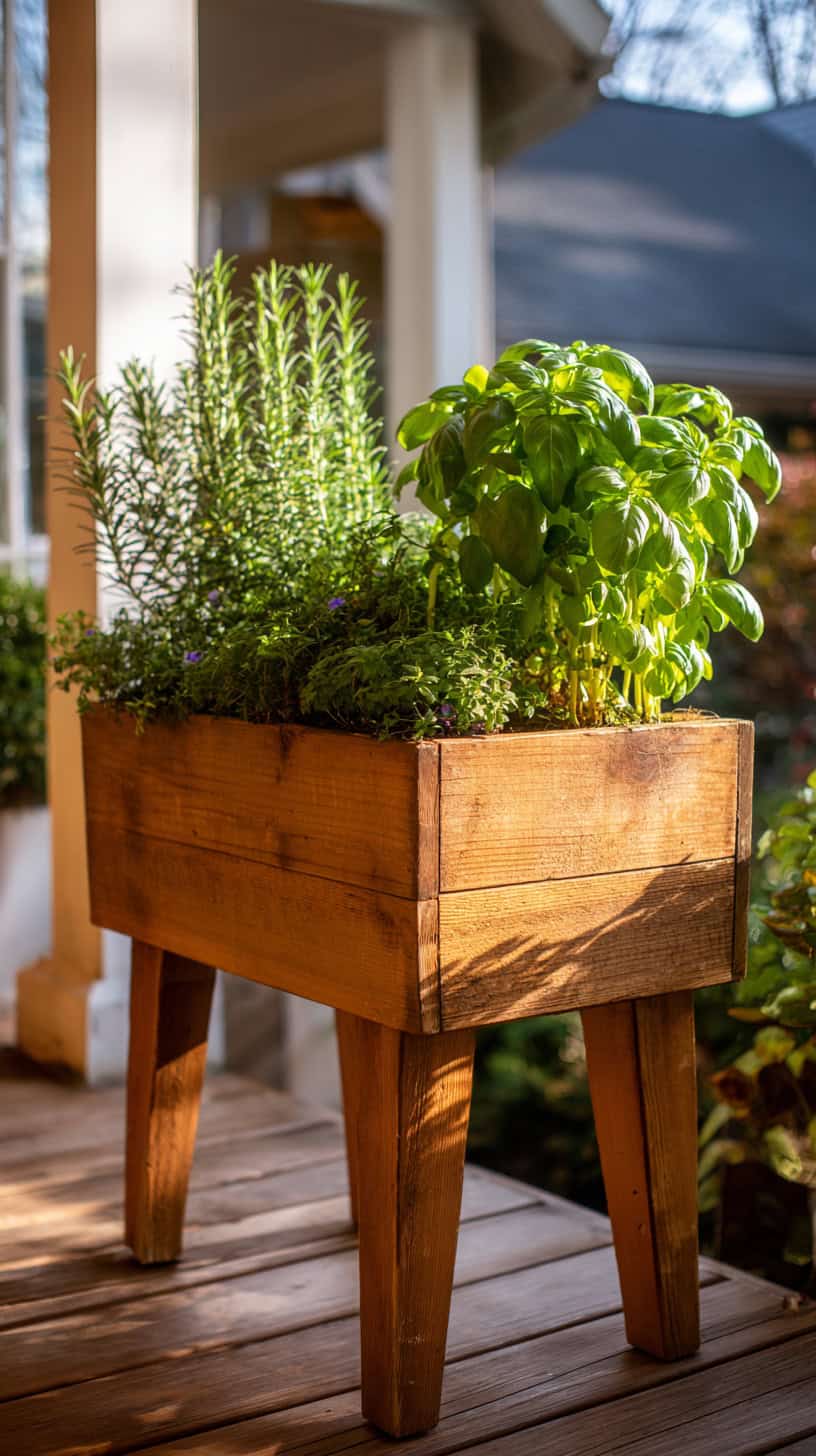
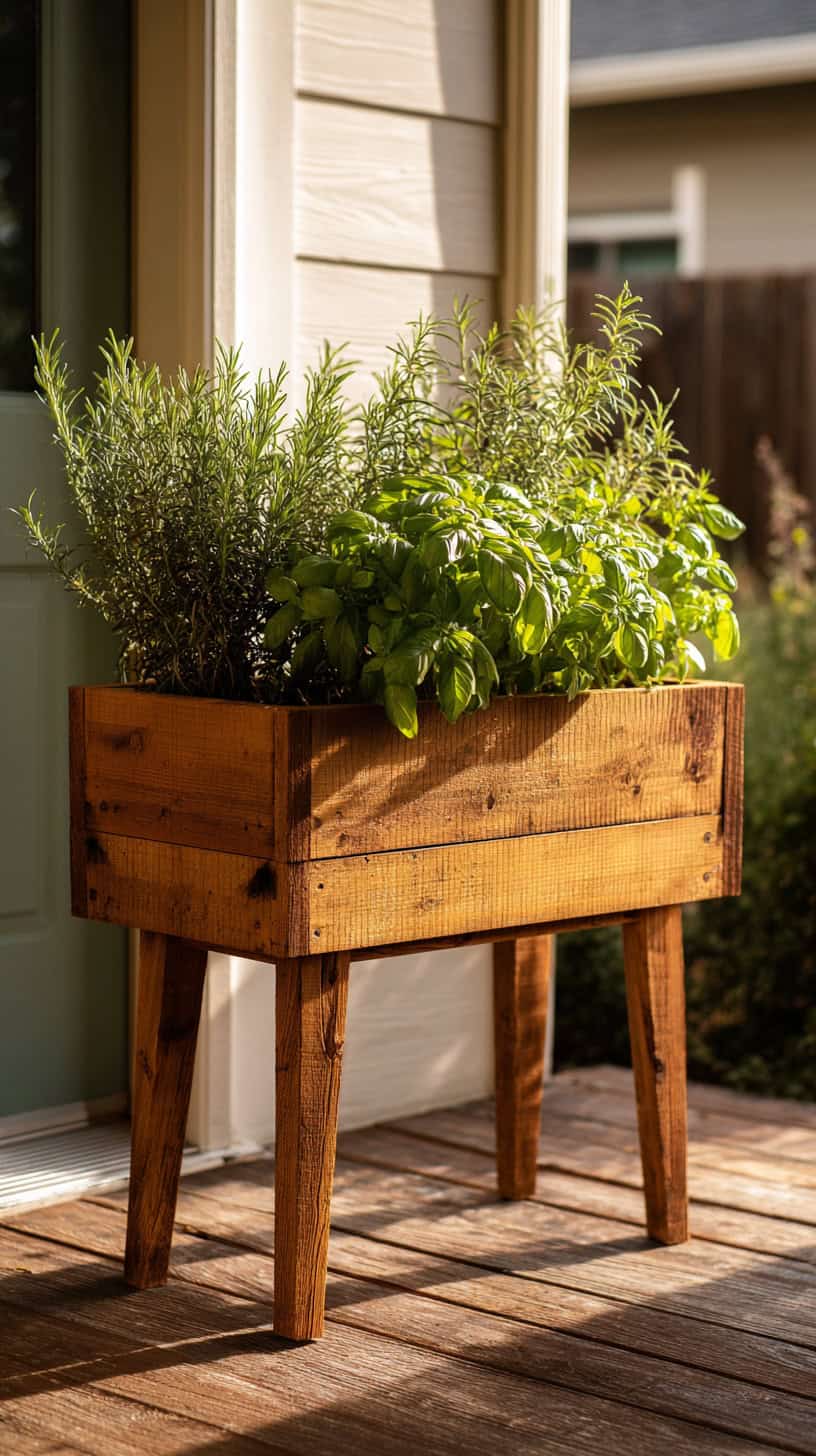
Elevated legged planters bring gardening to a comfortable standing height, perfect for growing herbs and small vegetables right outside your kitchen door. These waist-high garden boxes eliminate bending and kneeling, making them ideal for gardeners with mobility concerns or back problems. I love using these for culinary herbs because you can simply step outside and snip what you need without trekking to the main garden. The raised design also keeps plants away from ground-dwelling pests like slugs and rabbits. Many commercial versions include built-in drainage systems and even storage shelves underneath for tools and supplies. You can easily build your own elevated garden bed using wooden legs attached to a simple planter box frame. The height makes these perfect for apartment balconies or small patios where space is precious. Families enjoy how accessible these are for children, who can help with planting, watering, and harvesting without assistance.
Modular Raised Bed System
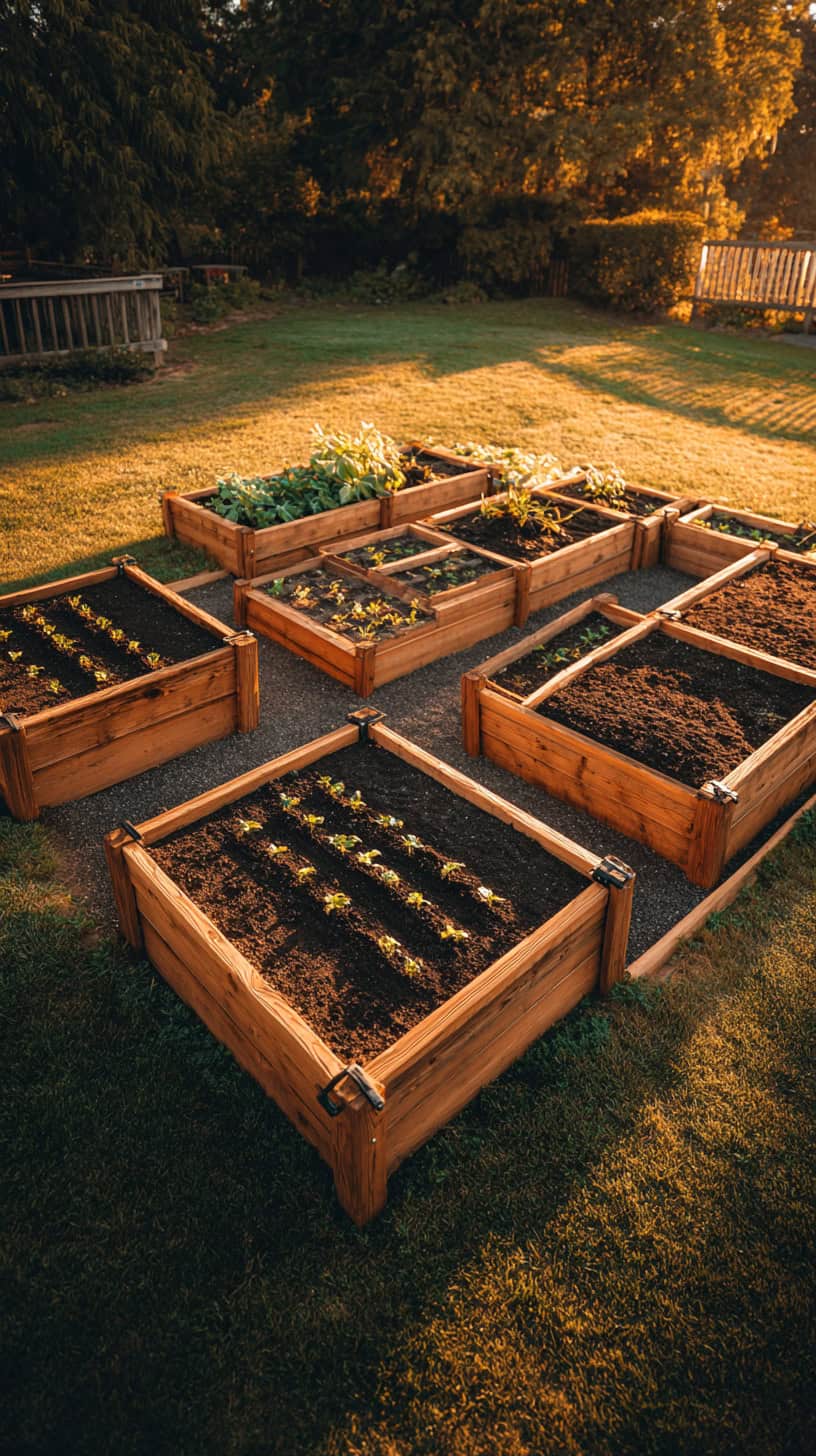
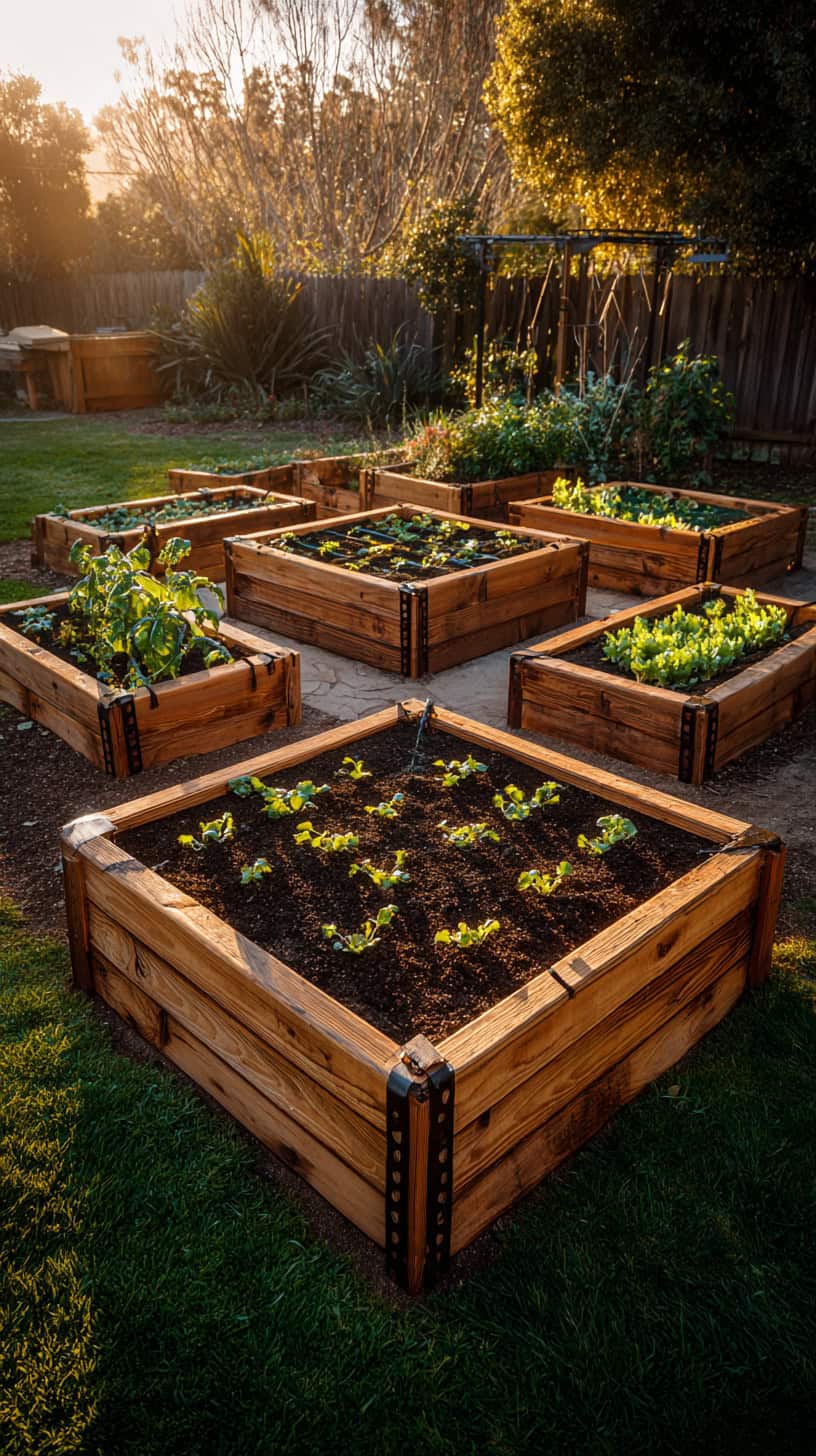
Modular raised garden beds offer incredible flexibility, allowing you to expand your garden as your confidence and ambition grow. These interlocking garden boxes can be arranged in countless configurations to fit any space or design aesthetic. Start with just one or two modules and add more each season as your vegetable gardening skills develop. I particularly appreciate how you can rearrange modular systems to accommodate changing sun patterns or landscape needs. Most commercial kits feature corner connectors that snap together without tools, making assembly surprisingly simple. You can create L-shapes around patios, straight rows along fences, or square formations in open yards. The standardized sizing makes crop planning straightforward since each module holds a predictable amount of soil. These easy raised garden beds are perfect for renters who might move, as they disassemble quickly and transport easily. The adaptable nature means your veggie garden ideas can evolve year after year without starting from scratch.
Small Backyard Veggie Patch
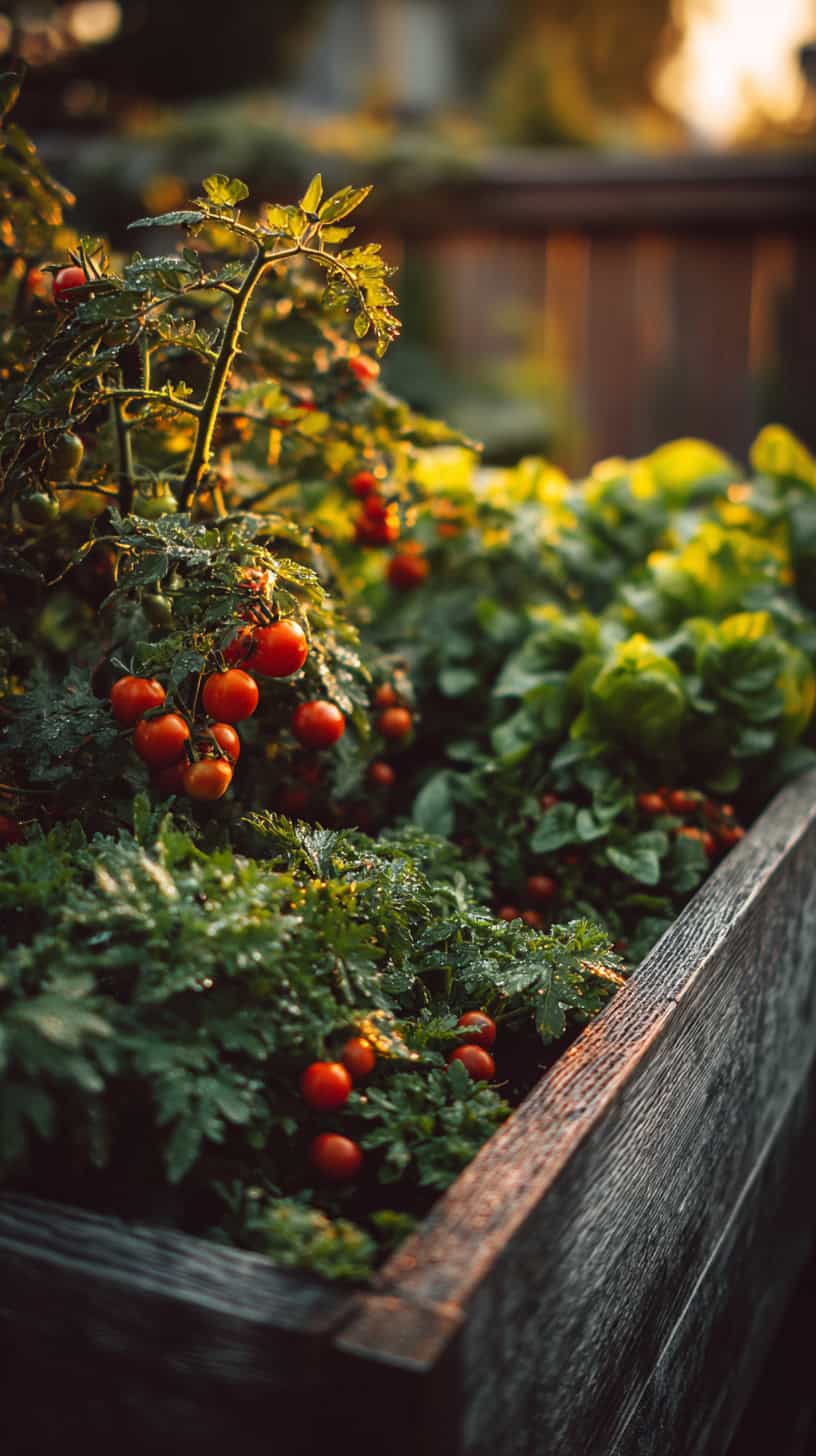
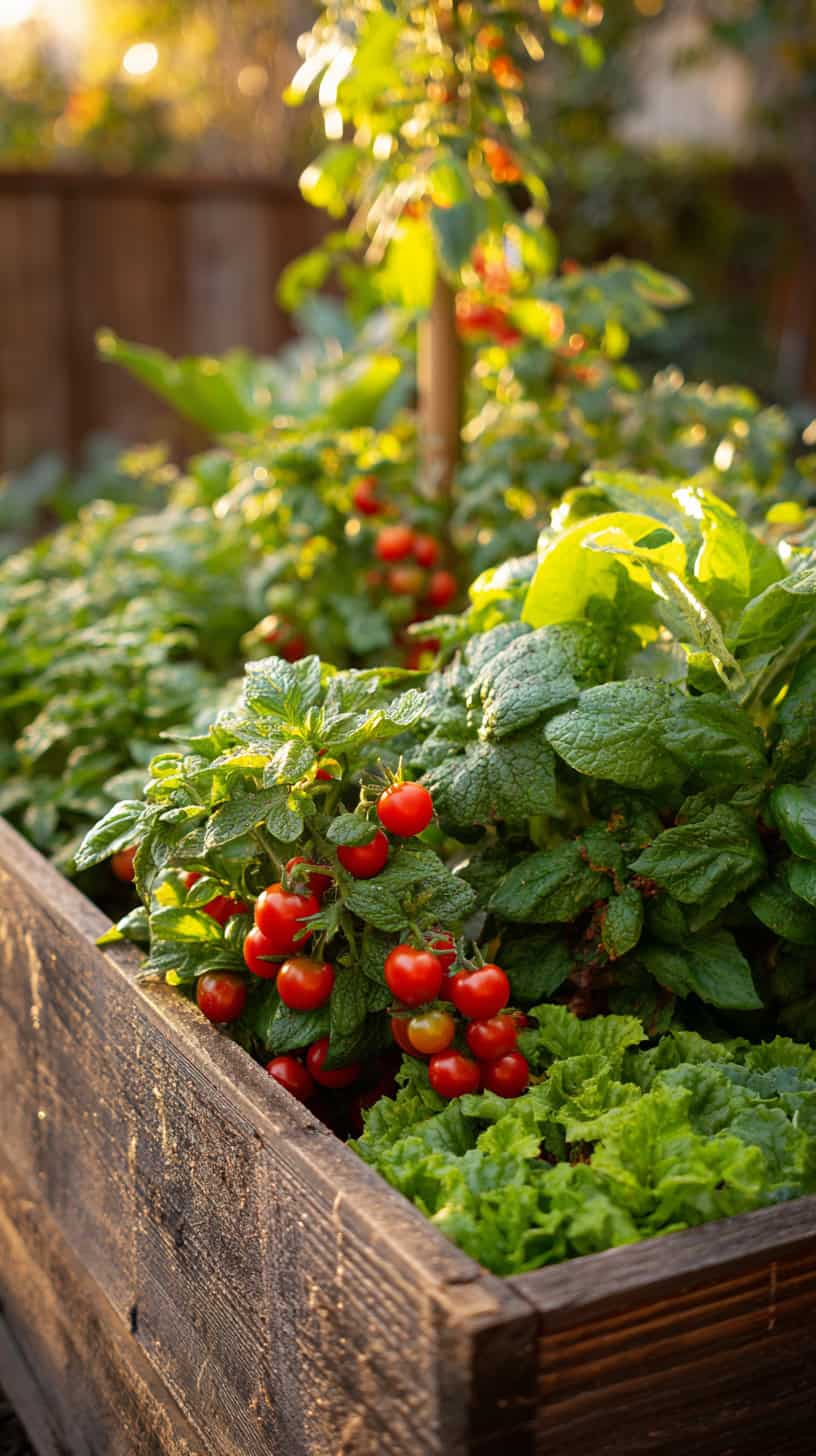
Even the tiniest backyard can accommodate a productive raised vegetable garden with thoughtful planning and vertical growing techniques. A small veggie patch focuses on high-yield crops that deliver maximum harvest in minimal space. Think cherry tomatoes, bush beans, lettuce, radishes, and herbs rather than sprawling pumpkins or corn. I always recommend starting small because a manageable garden is far more enjoyable than an overwhelming one. One or two well-maintained raised garden beds will produce more food than a large, neglected plot. Choose compact vegetable varieties specifically bred for container and small-space growing. Utilize trellises and stakes to grow upward rather than outward, tripling your planting area. The intimate scale of a small backyard veggie patch makes it easy to monitor plants daily, catching problems before they become serious. Families find these sized gardens perfect for introducing kids to gardening without creating a maintenance burden that turns fun into a chore.
DIY Wood Crate Garden
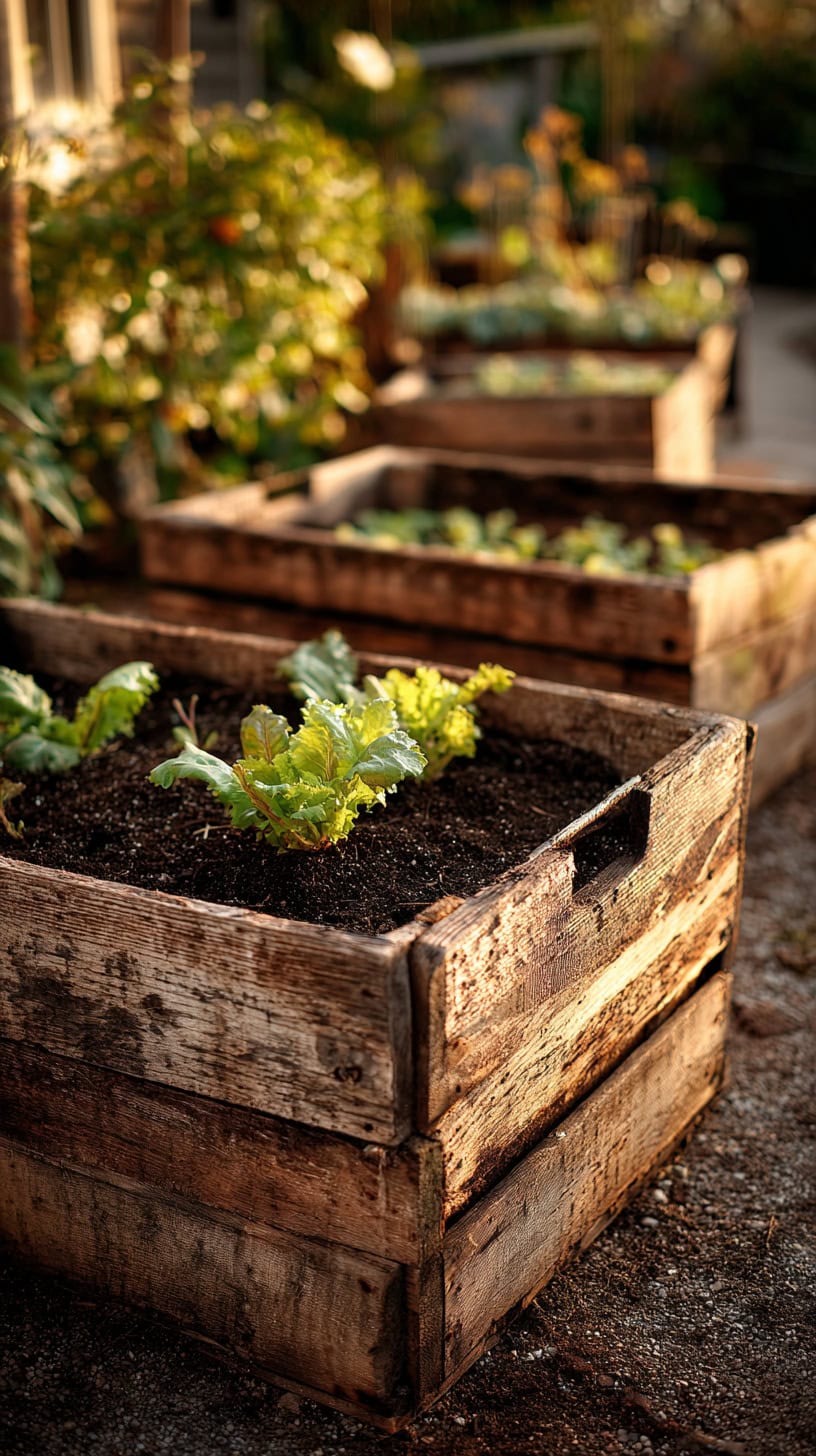
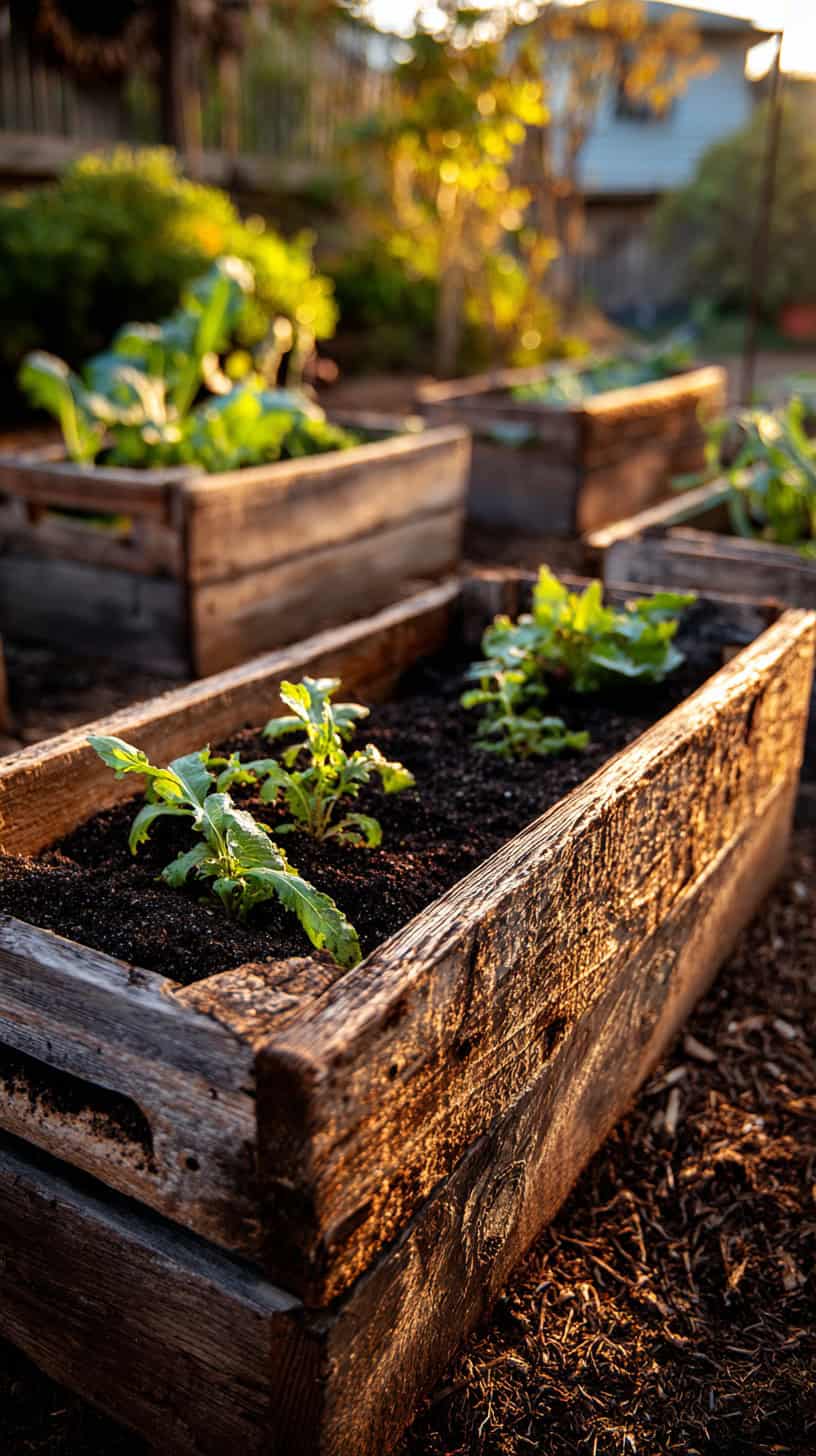
Repurposed wooden crates create charming, rustic raised vegetable gardens with minimal investment and maximum character. Old fruit crates, wine boxes, and pallet wood transform into delightful vegetable planters that add vintage appeal to any space. I love the sustainability of giving these materials a second life while growing fresh food. Simply line the crate with landscape fabric to contain soil while allowing drainage, fill with quality growing mix, and plant your favorite vegetables. The naturally weathered appearance adds instant charm that new materials can’t replicate. These portable garden boxes work wonderfully on apartment balconies, small patios, or arranged in groups throughout larger yards. You can stack smaller crates to create interesting tiered displays similar to more expensive commercial options. Kids enjoy the treasure-hunt aspect of finding suitable crates at yard sales or asking local stores for discards. This approach proves that creative veggie garden ideas don’t require fancy materials or big budgets.
Vertical Trellis Veggie Bed
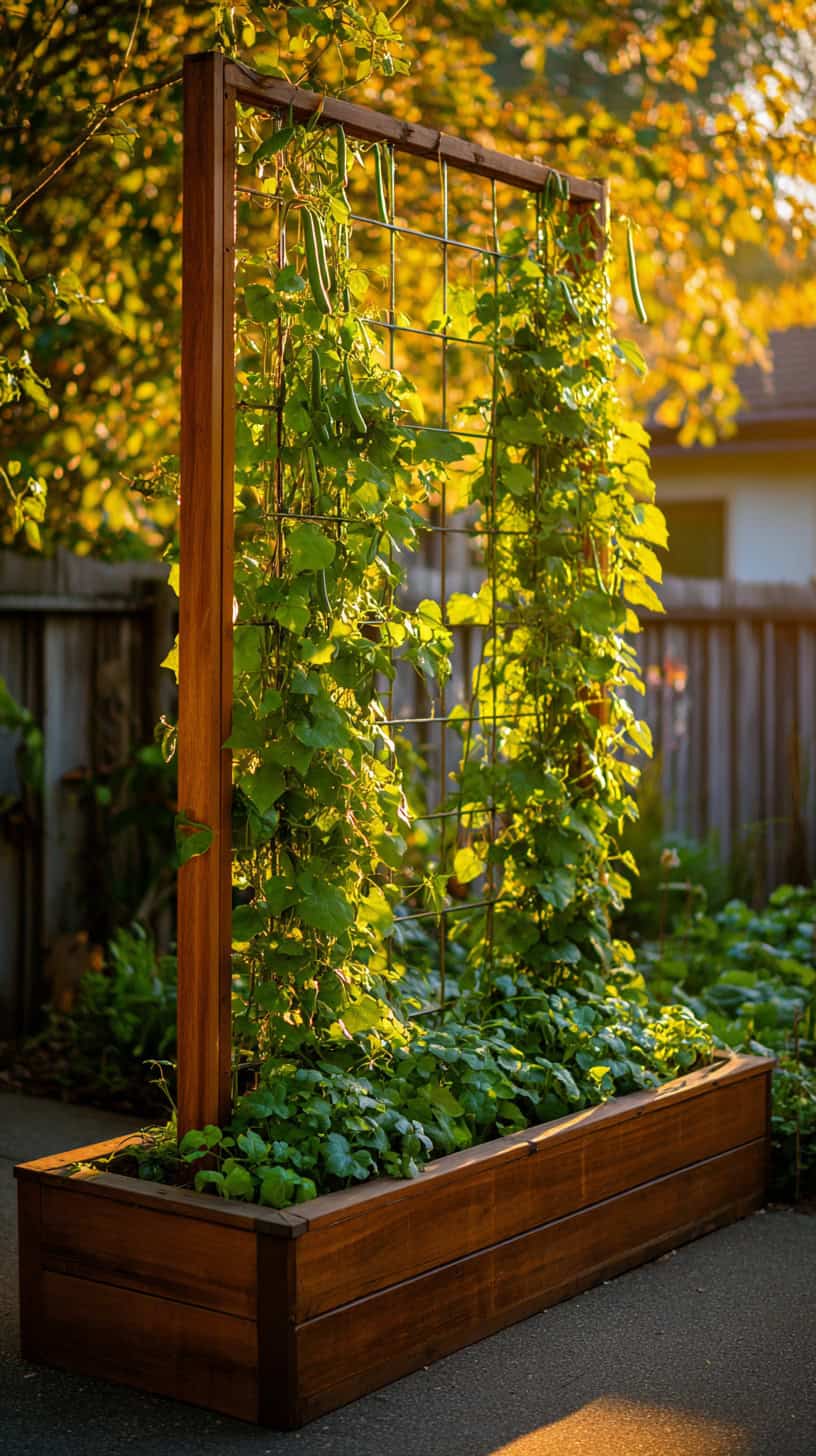
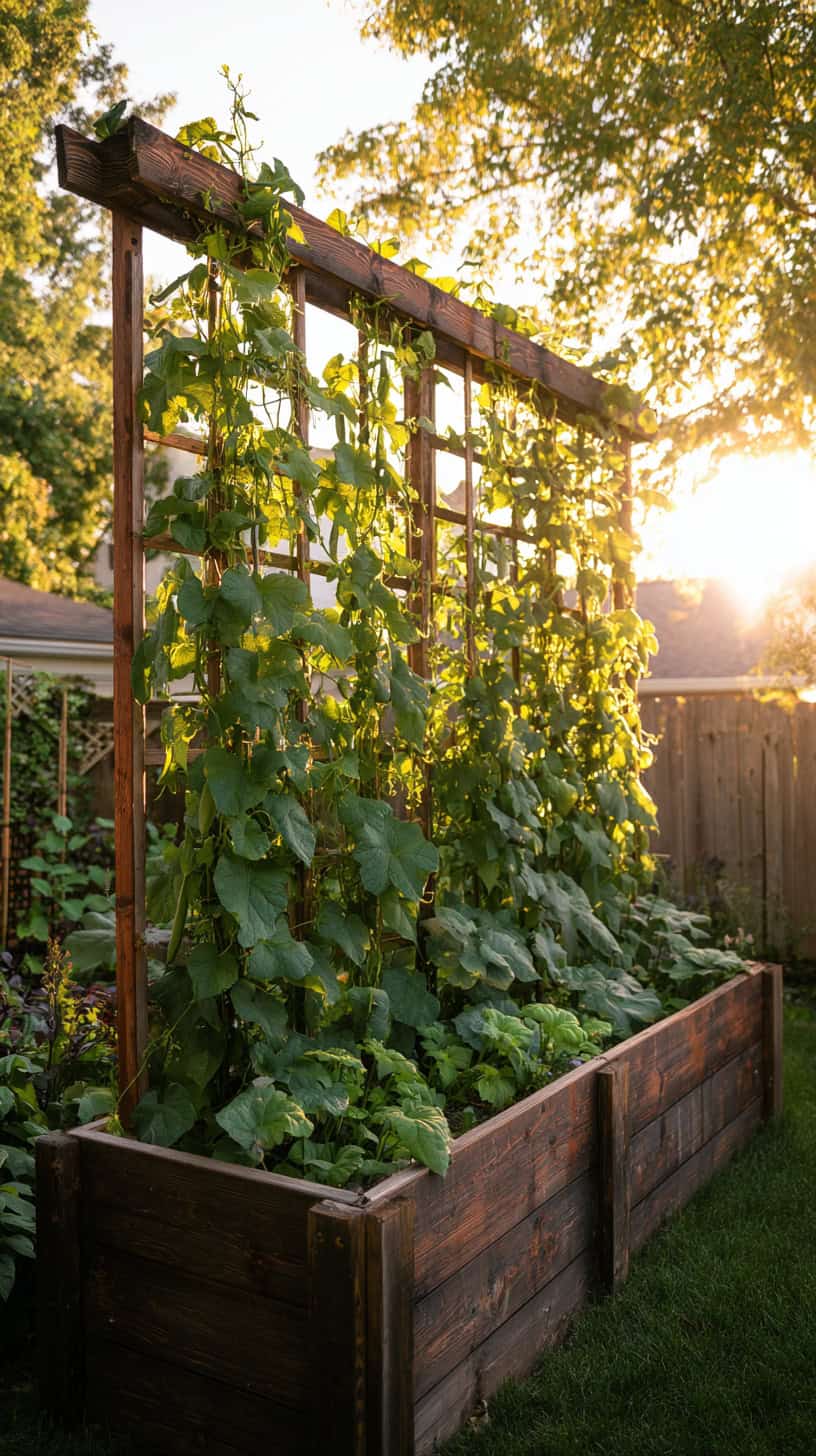
Incorporating vertical trellises into your raised garden beds multiplies growing space dramatically while creating living walls of productive beauty. Climbing vegetables like cucumbers, pole beans, peas, and squash naturally want to grow upward, and supporting them with sturdy trellises improves air circulation and makes harvesting easier. I install trellises at the north side of raised beds so they don’t shade other plants. The vertical dimension adds architectural interest to your garden layout while keeping fruits and vegetables clean and off the ground. You can build simple A-frame structures, attach cattle panels to the back of beds, or create elaborate arbor entrances over garden pathways. These elevated garden bed designs work brilliantly in small vegetable gardens where every square inch matters. Children are absolutely fascinated watching beans spiral up strings or discovering cucumbers hanging at eye level. The vertical approach also reduces pest and disease problems by keeping foliage dry and well-ventilated throughout the growing season.
Whimsical Potager Corner
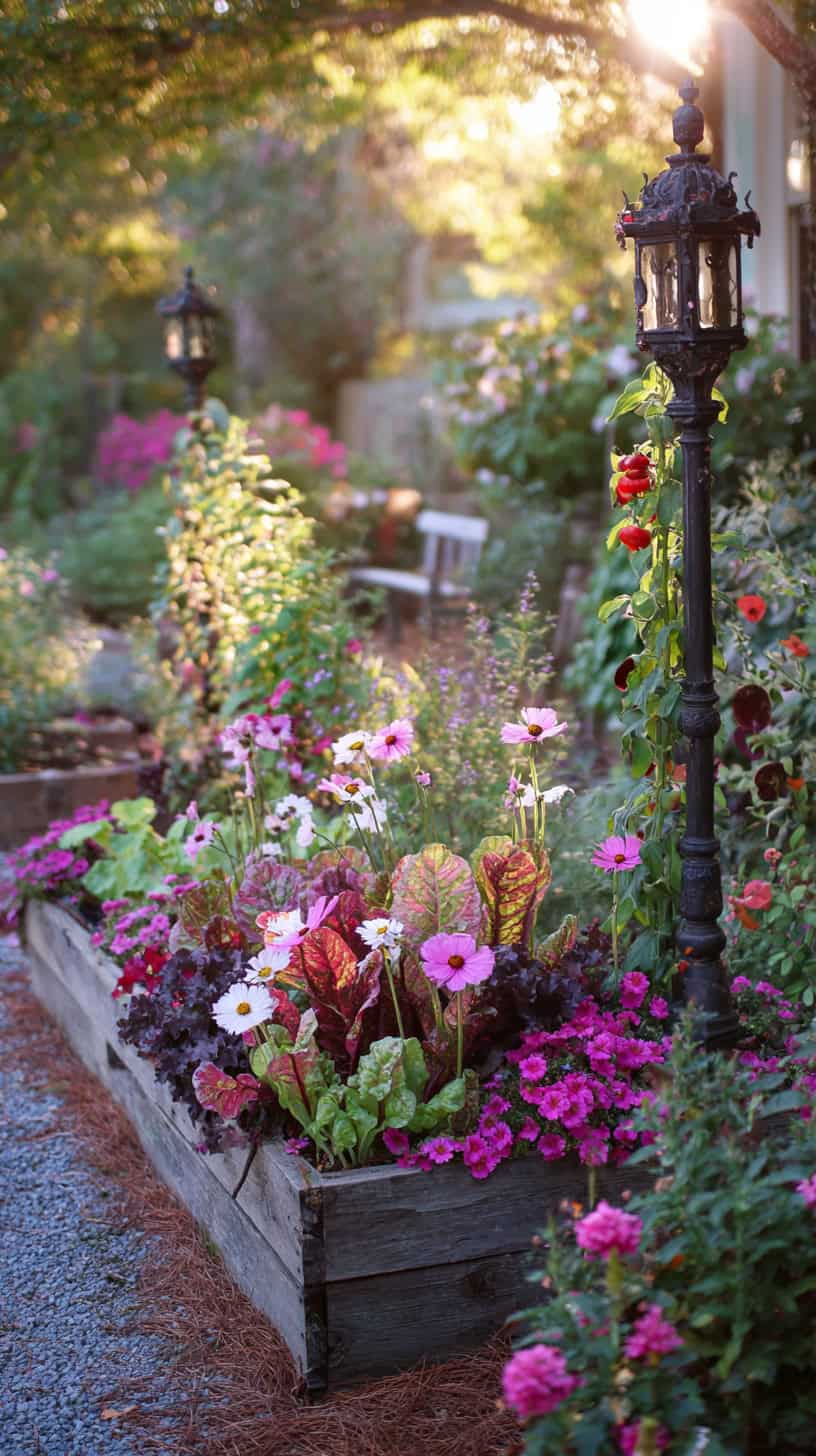
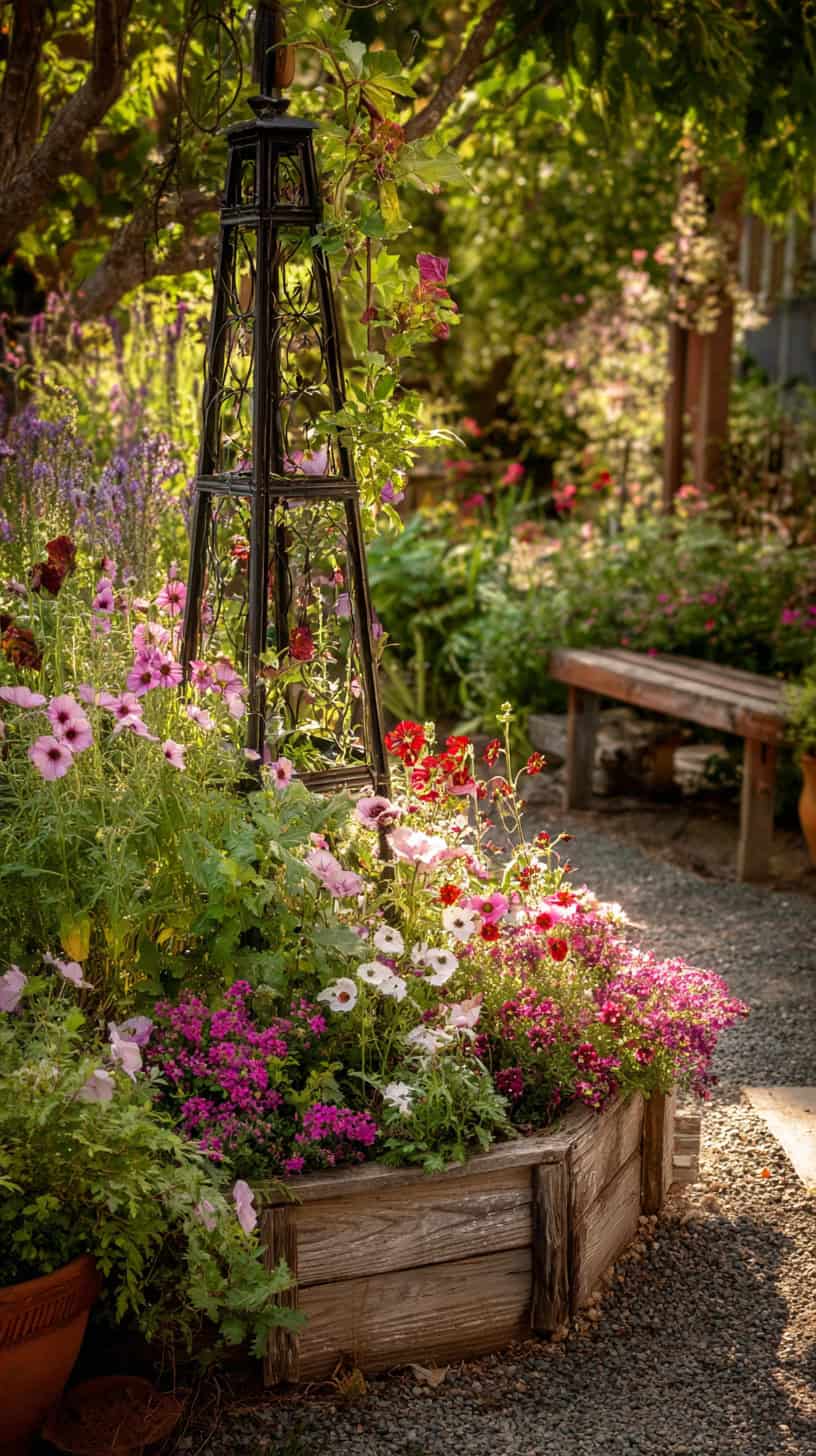
Transform an overlooked corner of your yard into a delightful potager garden that combines ornamental beauty with edible abundance. This whimsical approach to raised vegetable gardens treats the space like an outdoor room, with pathways, decorative elements, and companion plantings that please the eye while feeding your family. I love tucking colorful Swiss chard among cosmos, letting purple basil complement pink dianthus, and training scarlet runner beans up decorative obelisks. Add a small bench or birdbath to make the space inviting for morning coffee or evening garden strolls. Use attractive materials for your garden boxes, perhaps painted wood in soft pastels or natural stone. The layout can follow curved lines rather than rigid rows, creating a softer, more romantic feel. This design proves that vegetable planters needn’t be purely utilitarian. Families enjoy the secret-garden atmosphere, and kids love discovering ripe strawberries tucked under cascading nasturtiums or spotting butterflies visiting the flowering herbs.
Budget Wall Block Raised Bed
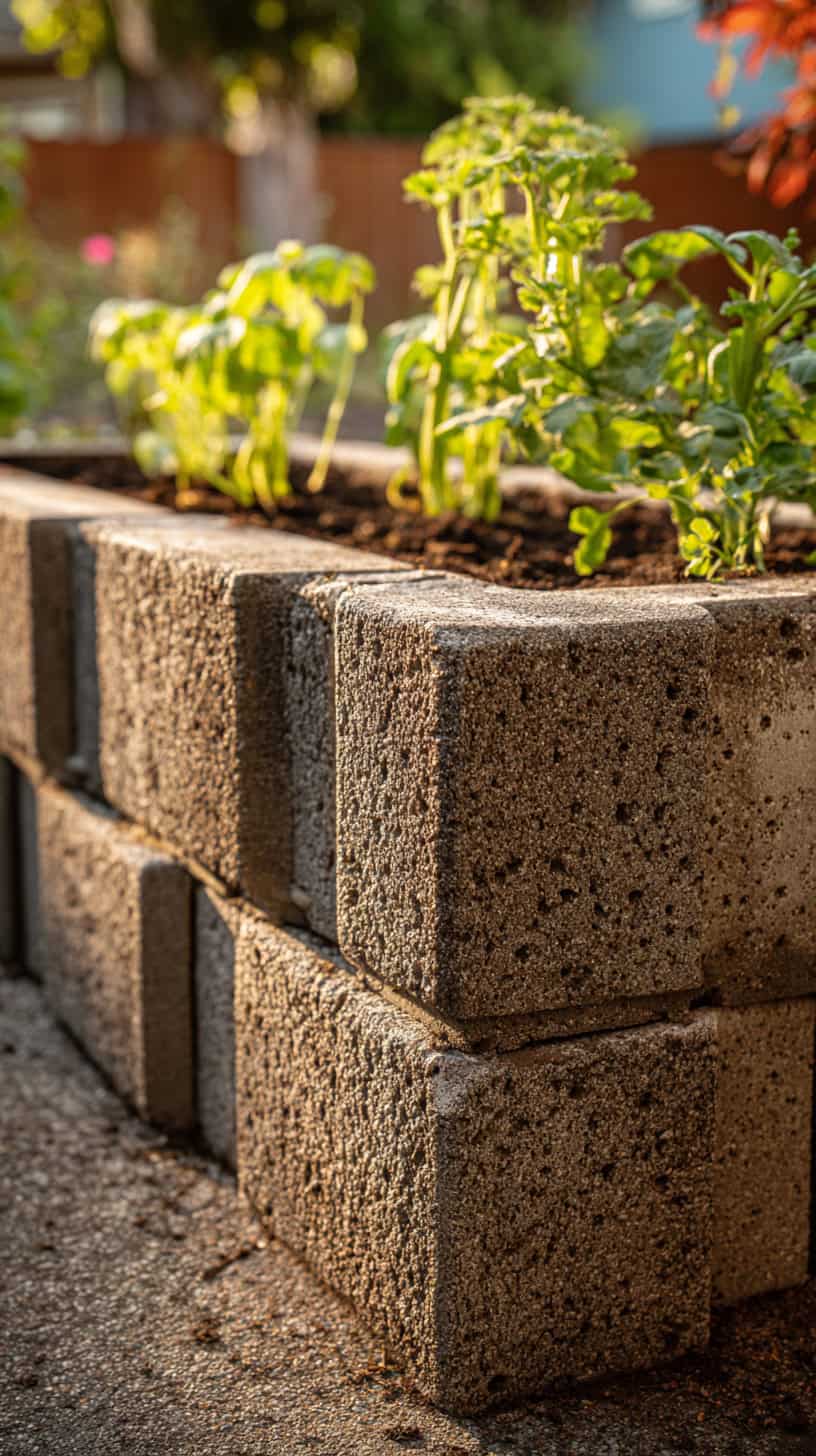
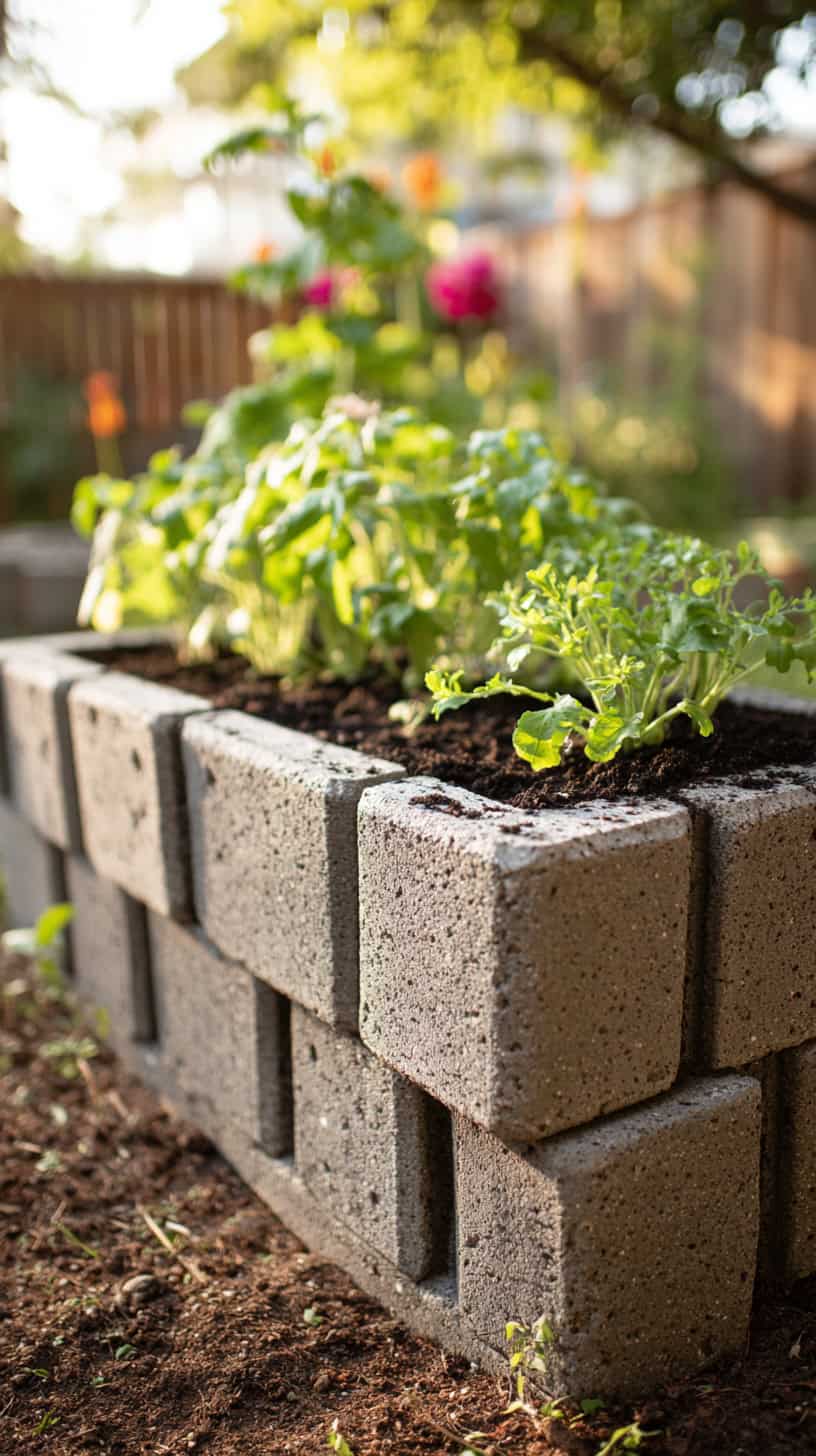
Landscape wall blocks provide sturdy, attractive raised garden beds at a fraction of the cost of custom stonework or elaborate kits. These interlocking concrete blocks stack easily without mortar, creating stable garden boxes that can handle any height you need. I’ve built beds as low as one block and as tall as four, depending on the location and purpose. The hollow cavities in some block styles offer bonus planting spots for trailing herbs or flowers that soften the edges. You can choose from natural concrete gray, earth-toned browns, or even decorative split-face textures that mimic natural stone. These easy raised garden beds work beautifully for sloped yards where they can create level growing terraces. The weight of the blocks ensures everything stays put through storms and seasons without shifting. Families appreciate how quickly these go together, often completing an entire bed in a single afternoon with minimal tools and no special skills required for professional-looking results.
Layered Flower Veggie Mix
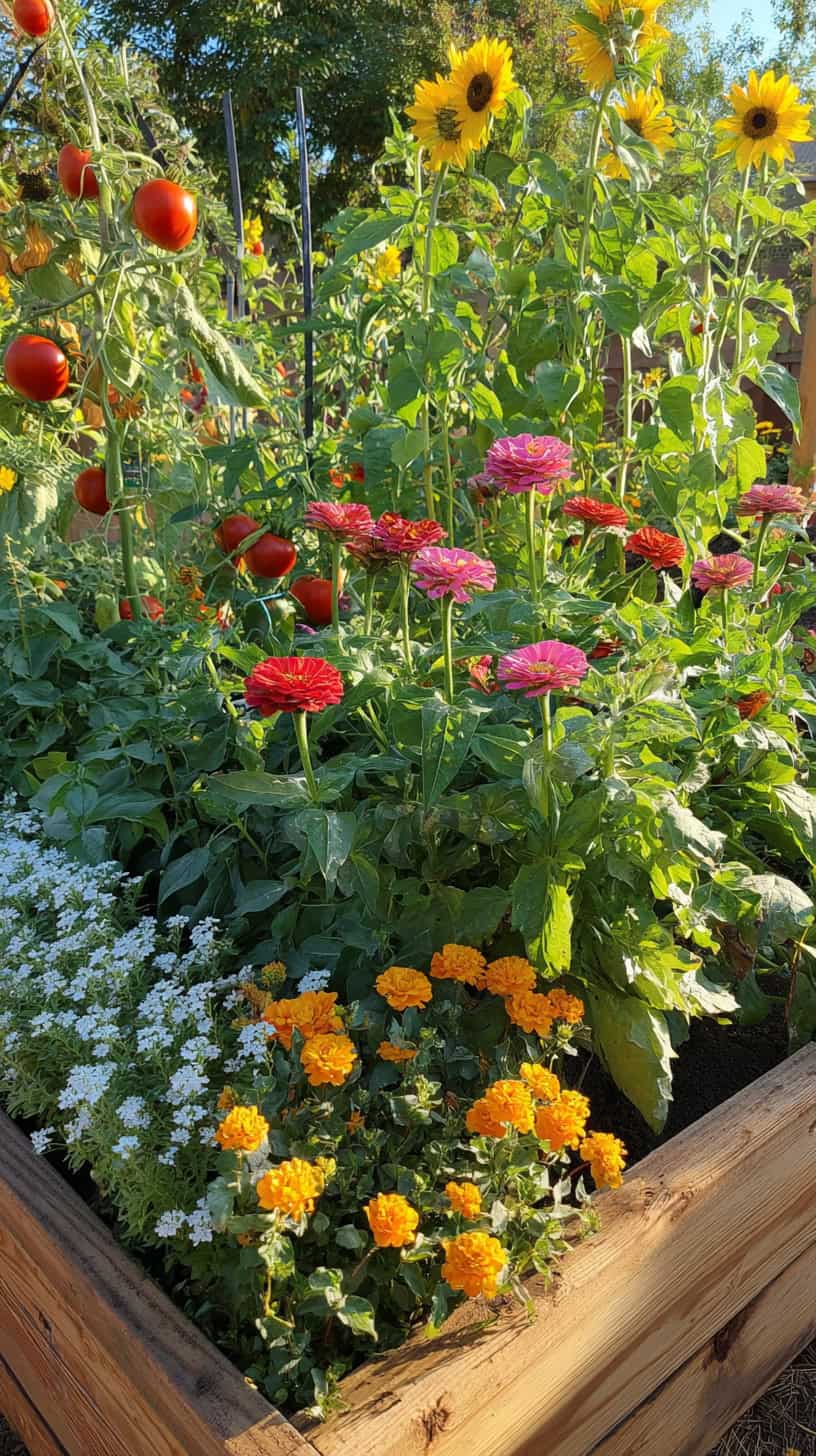
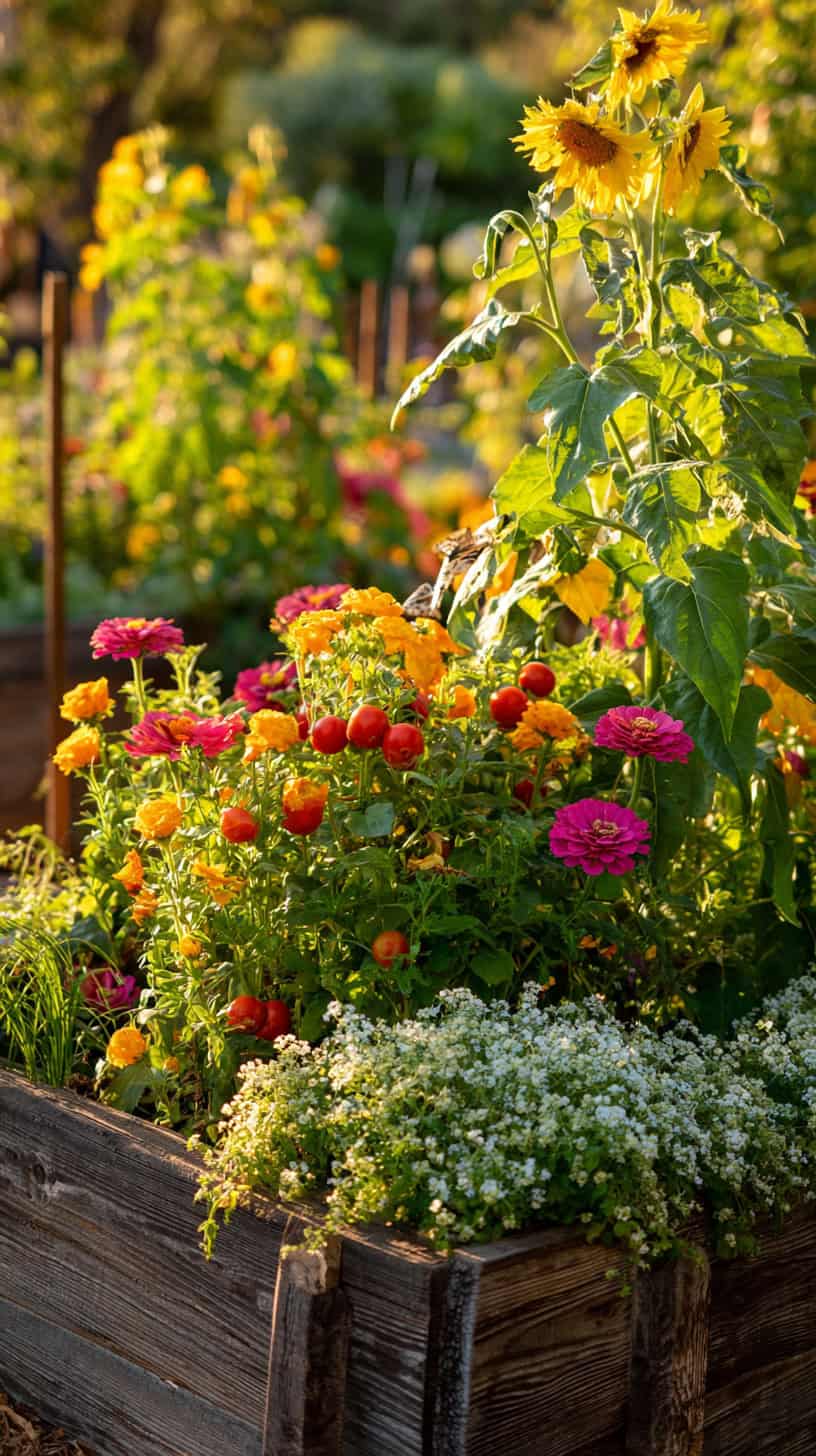
Interplanting flowers throughout your raised vegetable gardens creates layers of color, texture, and pest protection that benefits both ornamental and edible plants. This companion planting approach combines the best of both worlds, proving your veggie patch can be a showcase garden. I layer tall sunflowers and zinnias at the back, medium-height tomatoes and peppers in the middle, and low-growing alyssum or marigolds along the front edges. The flowers attract pollinators that increase vegetable yields while predatory insects feast on common garden pests. Marigolds naturally repel aphids, nasturtiums lure cabbage worms away from your brassicas, and borage improves tomato flavor while attracting beneficial bees. This layout transforms simple garden boxes into dynamic, living tapestries that change throughout the season. Kids love the treasure-hunt aspect of finding vegetables hidden among the blooms. The layered approach also extends visual interest beyond harvest time, keeping your garden beautiful even after crops are finished.
Simple Patio Elevated Box
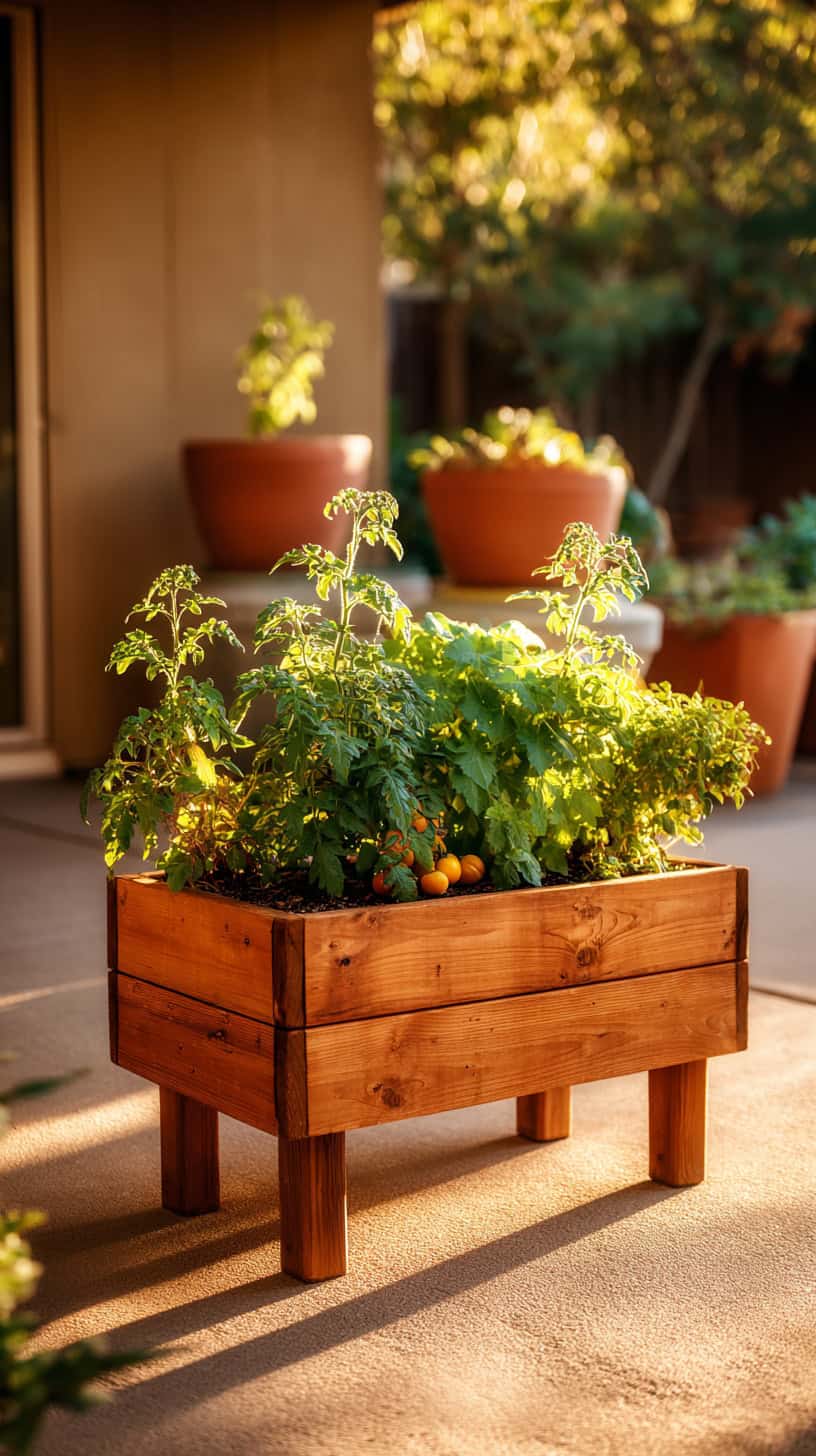
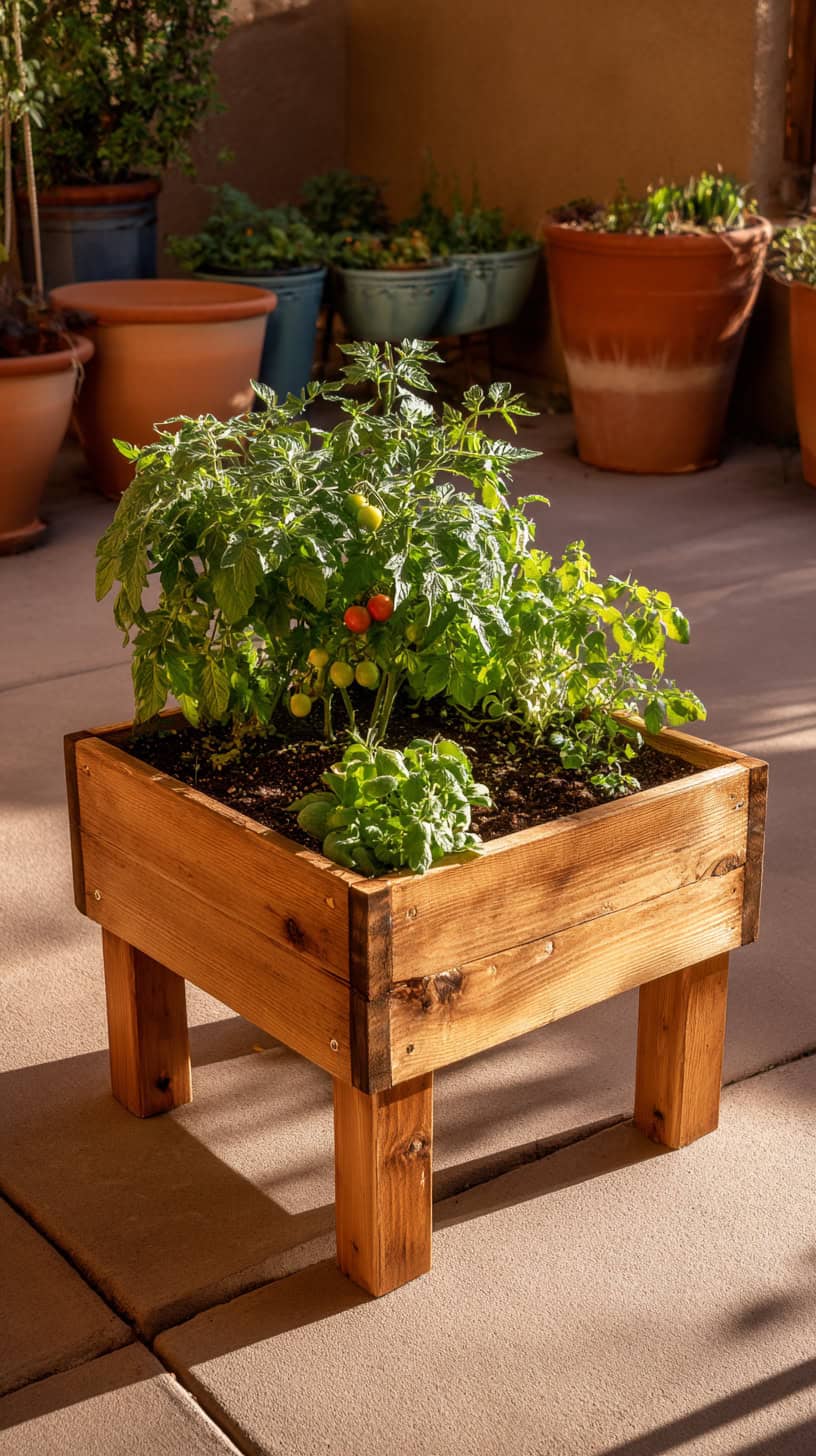
A single well-placed elevated garden bed can transform a plain patio into a productive mini-farm that supplies fresh vegetables all season long. These compact raised garden beds sit directly on concrete or pavers, bringing gardening possibilities to spaces without any ground soil. I particularly love how accessible these are for daily tending and quick harvesting while preparing meals. Choose a size that fits your patio proportions without overwhelming the space; a four-by-four-foot box works beautifully in most situations. Fill it with lightweight potting mix rather than heavy garden soil to avoid overtaxing your patio structure. The contained nature means you can easily control soil quality, drainage, and nutrients for optimal plant growth. These simple boxes work wonderfully for renters who can’t modify permanent landscaping but still want homegrown tomatoes and herbs. Families enjoy how this setup creates an outdoor living space where cooking, dining, and gardening blend seamlessly together throughout the growing season.
Four Foot Wide Veggie Row
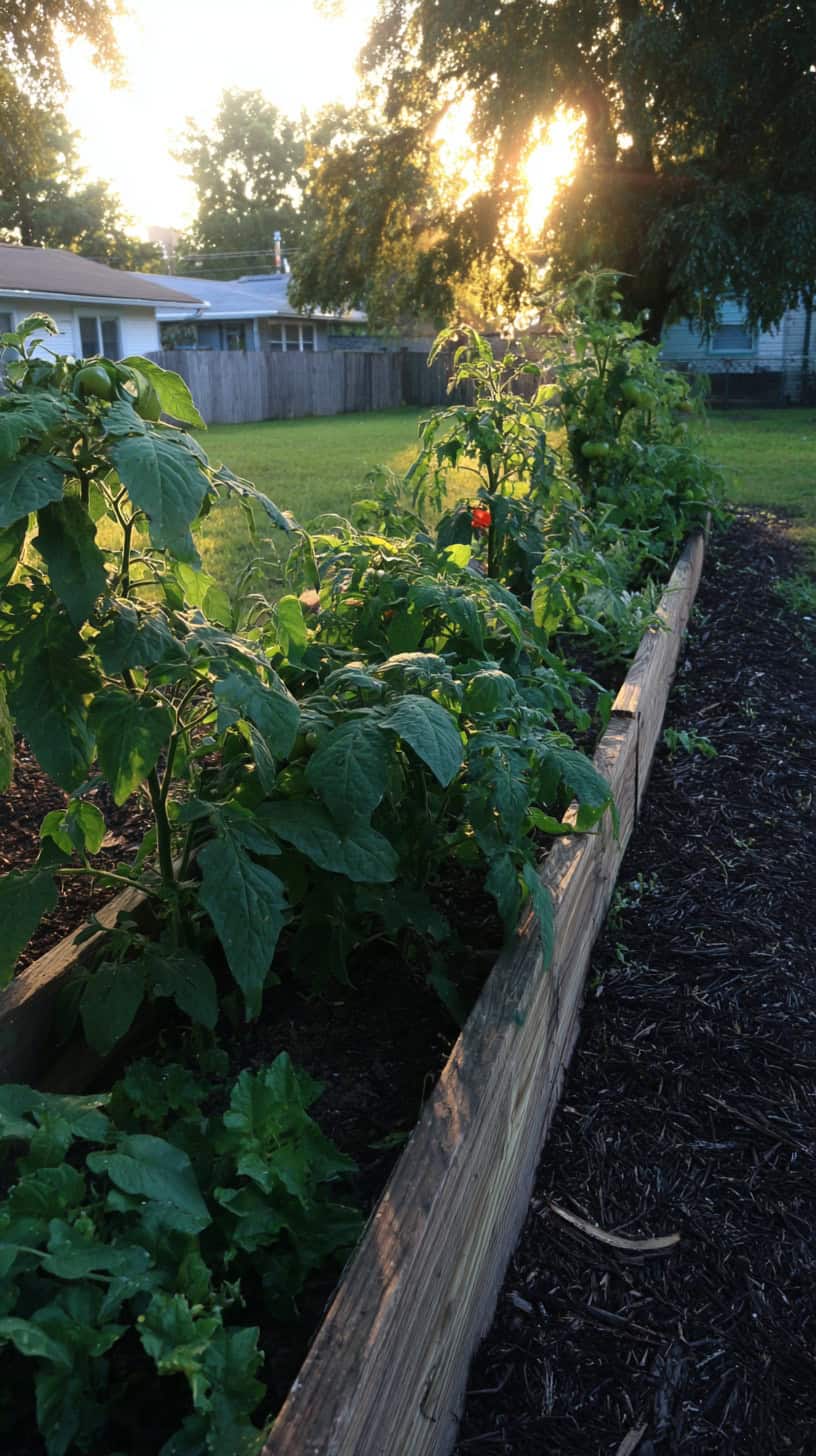
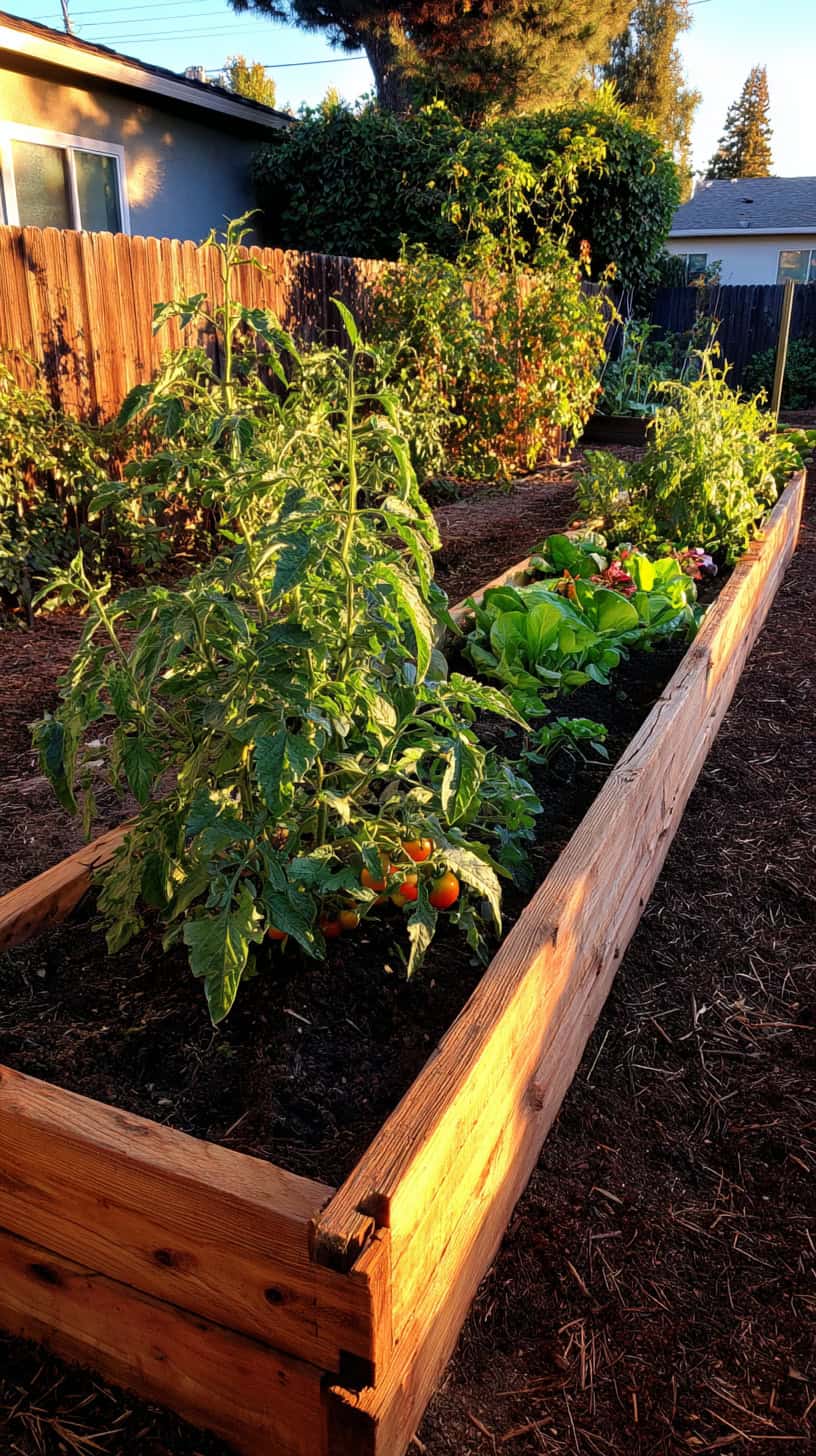
The four-foot-wide dimension represents the sweet spot for raised garden beds, allowing you to comfortably reach the center from either side without stepping on the soil. This practical layout prevents soil compaction while maximizing planting space and accessibility for all gardeners. I always recommend this width whether you’re building one bed or twenty because it simply works perfectly for most vegetables. You can make beds as long as your space allows, but keeping that four-foot width consistent makes everything from planting to harvesting more efficient. The dimension works equally well for square foot gardening layouts or traditional row planting within the bed. Families appreciate how both adults and children can easily reach all plants without stretching or struggling. This size also fits nicely through most garden gates and alongside house foundations. Whether you choose wood, metal, or stone construction, maintaining this width creates DIY raised garden beds that remain comfortable and productive for years of vegetable growing.
Charming Timber Garden Beds
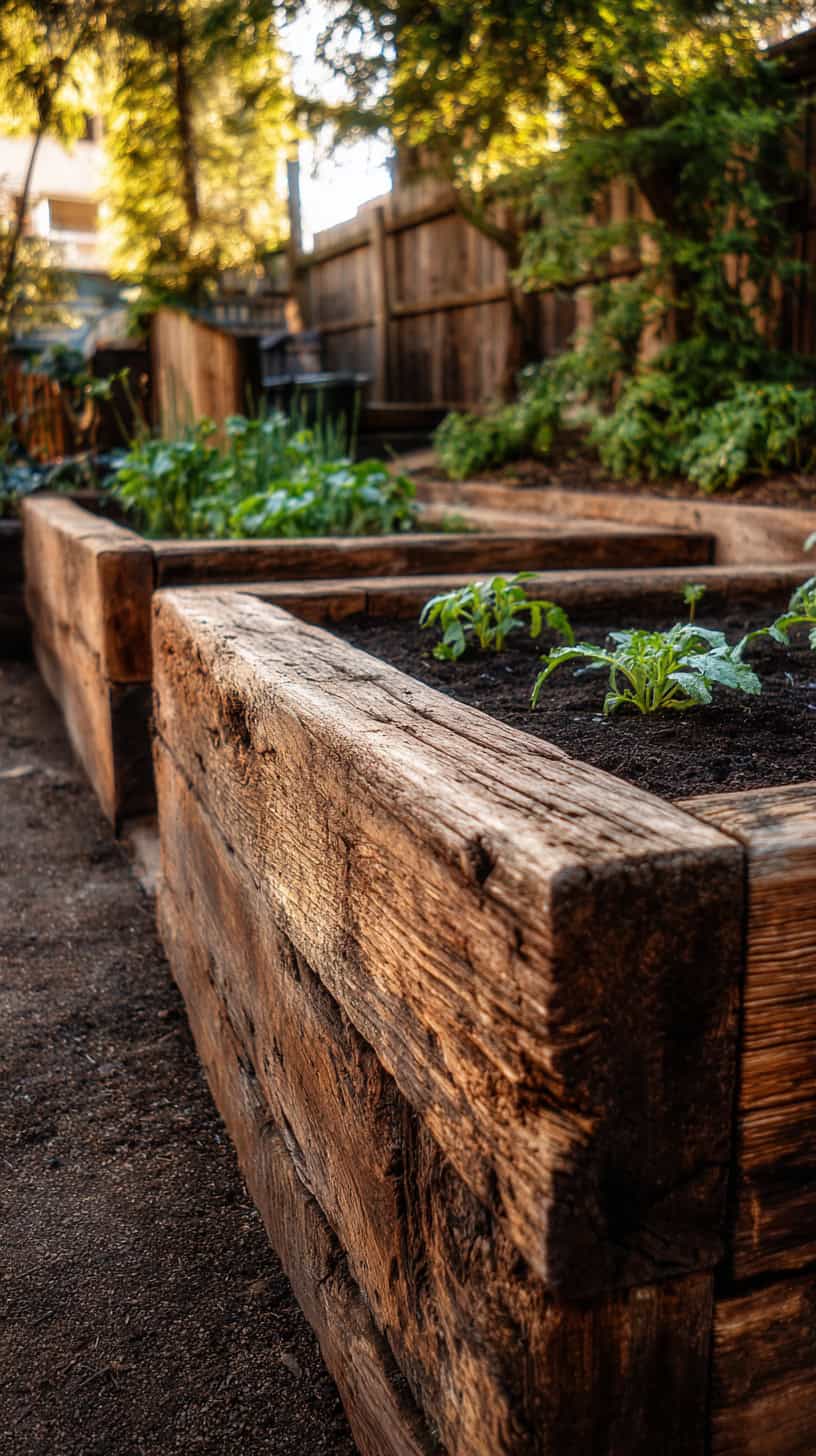
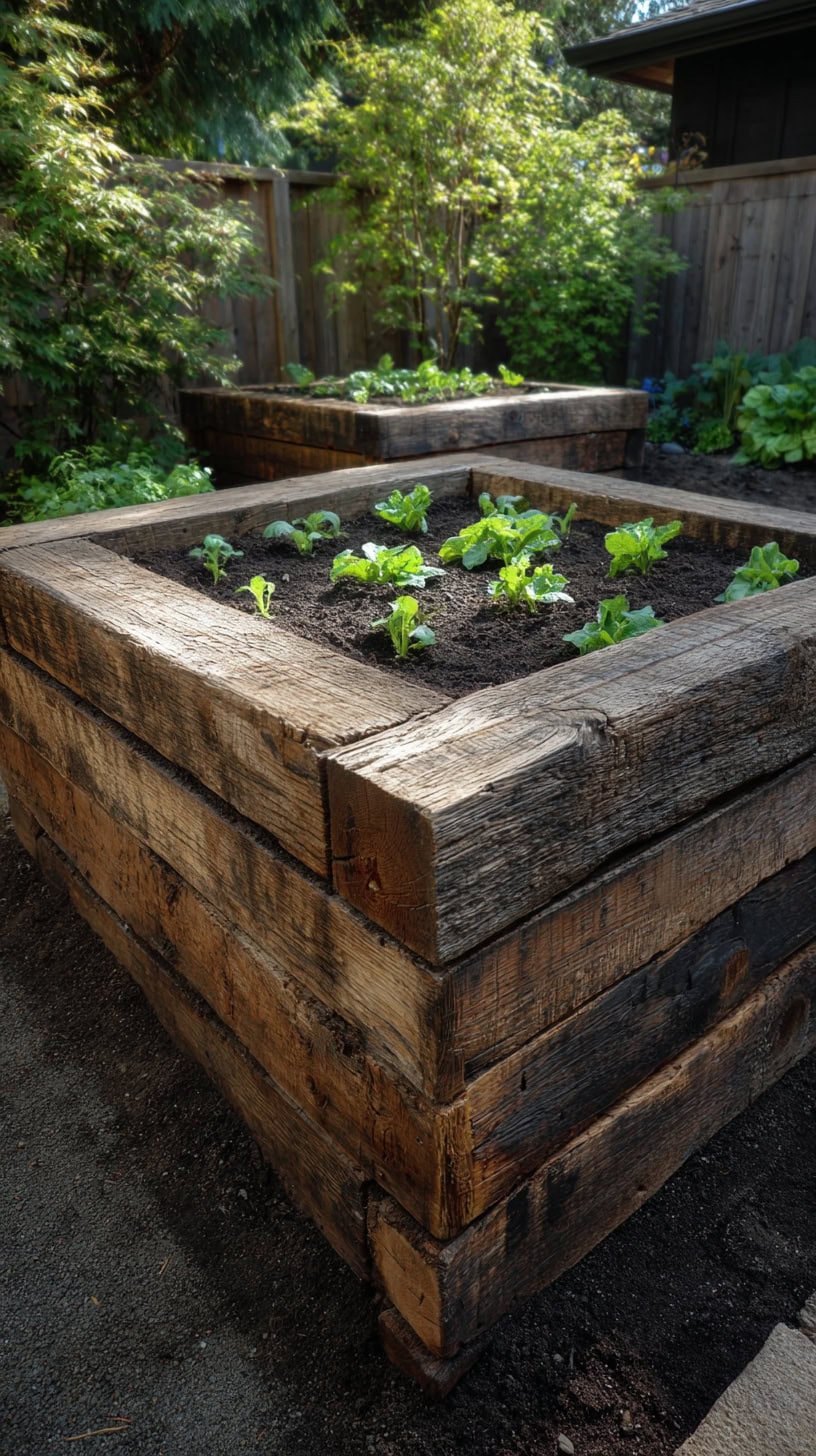
Large timber beams create substantial, handsome raised garden beds with a natural aesthetic that improves with age. These hefty wooden borders, typically six-by-six-inch posts or railroad ties, provide deep planting depth and strong structural support for even the most vigorous vegetables. I love the permanent, established look they give to garden spaces, as if the beds have been there forever. The thick wood insulates roots from temperature extremes, keeping soil cooler in summer and warmer in spring and fall. You can stack timbers to create double-height beds perfect for root vegetables that need exceptional depth. The natural wood color complements any landscape style, from cottage gardens to modern minimalist yards. These charming garden boxes require minimal maintenance beyond occasional cleaning; no painting or sealing necessary if you choose naturally rot-resistant woods. Families appreciate the durability; properly built timber beds easily last twenty years or more, becoming a permanent part of your home’s landscape character.
Hanging Shallow Veggie Planter
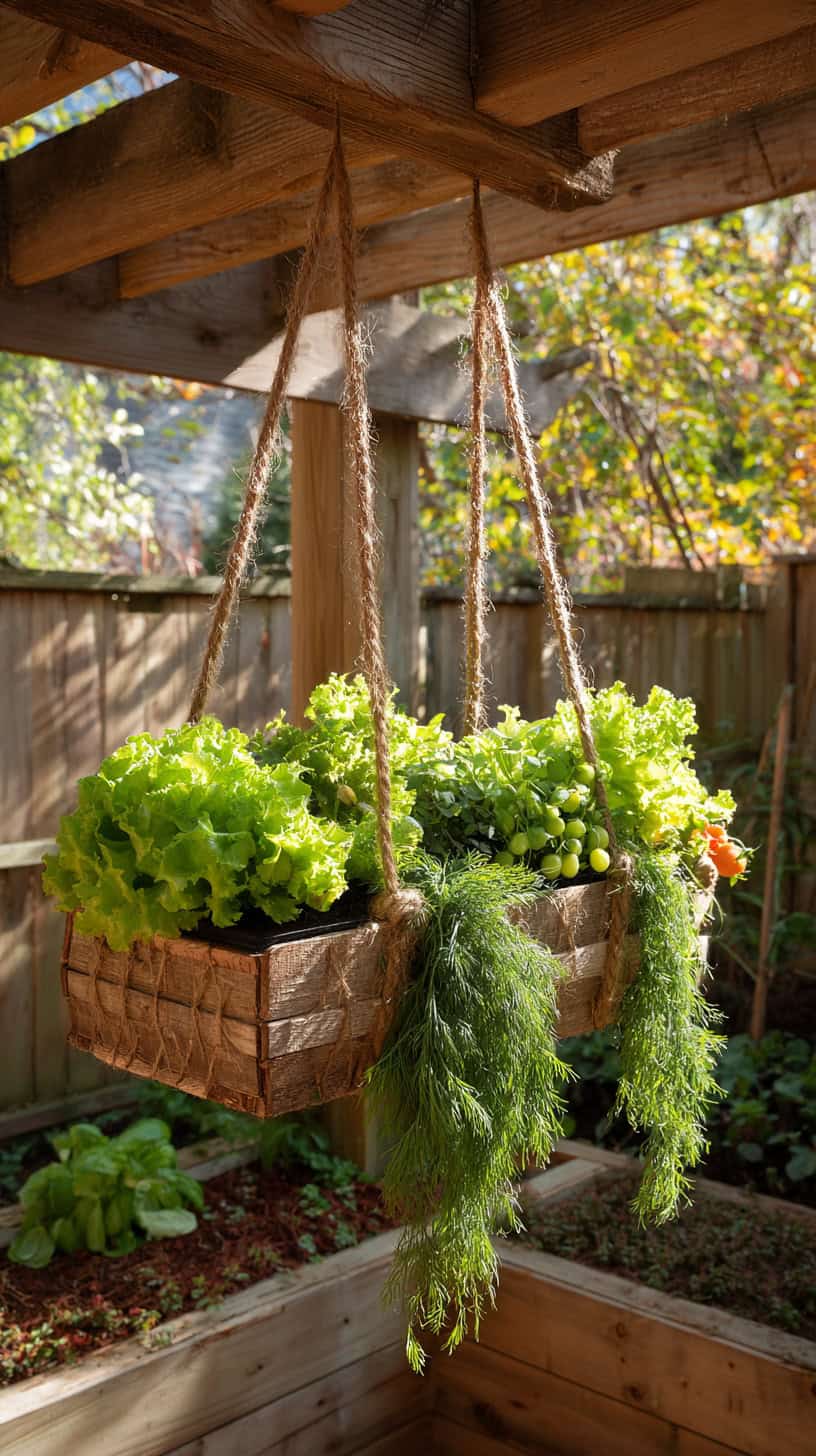
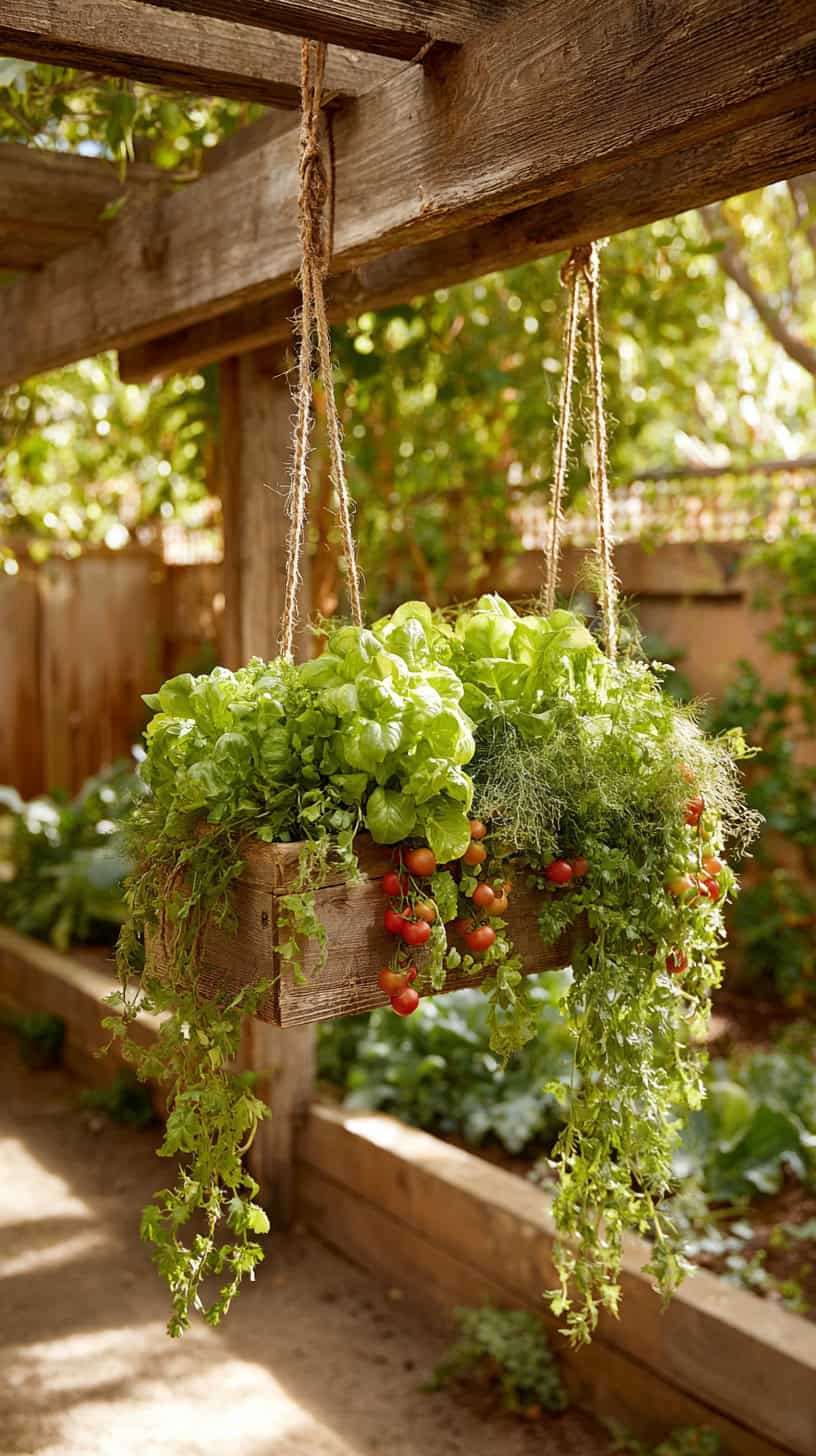
Hanging vegetable planters bring gardening to unexpected heights, perfect for growing shallow-rooted crops like lettuce, herbs, strawberries, and trailing cherry tomatoes. These elevated garden bed alternatives work wonderfully for small spaces, adding vertical interest while keeping precious ground space available for other uses. I’ve seen creative gardeners hang these from porch ceilings, pergola beams, fence posts, and even sturdy shepherds’ hooks throughout their yards. The suspended position provides excellent drainage and air circulation while deterring many ground-dwelling pests. Choose containers at least six to eight inches deep for most vegetables, ensuring adequate soil volume for root development. The mobility means you can easily adjust placement throughout the season to follow changing sun patterns. Lightweight plastic or resin containers work best to avoid excessive weight on hanging structures. Kids are absolutely delighted by this unconventional approach, checking the dangling gardens daily for ripe treats. Hanging planters prove that veggie garden ideas can literally rise above traditional limitations.
Hoop House Raised Garden
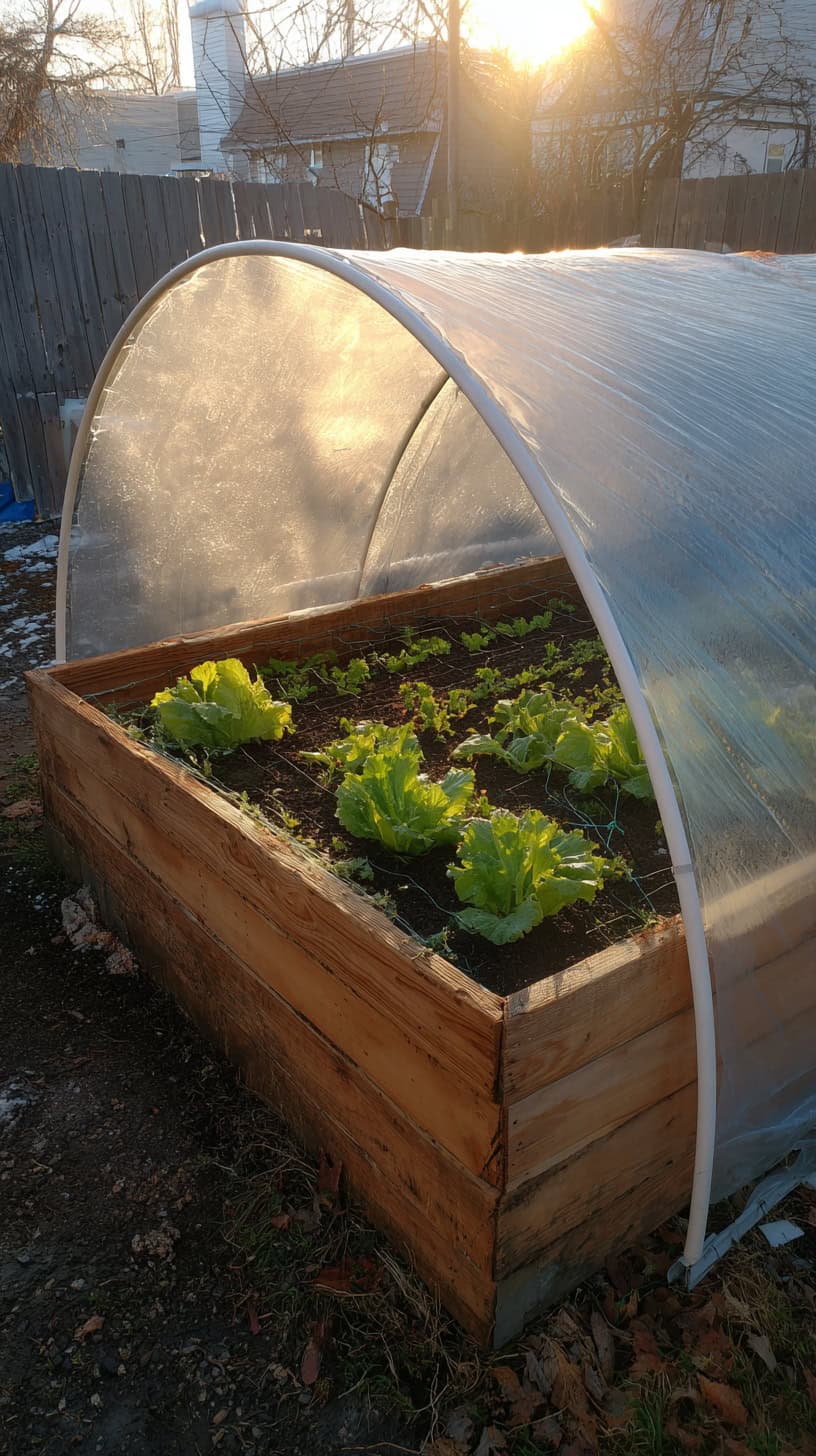
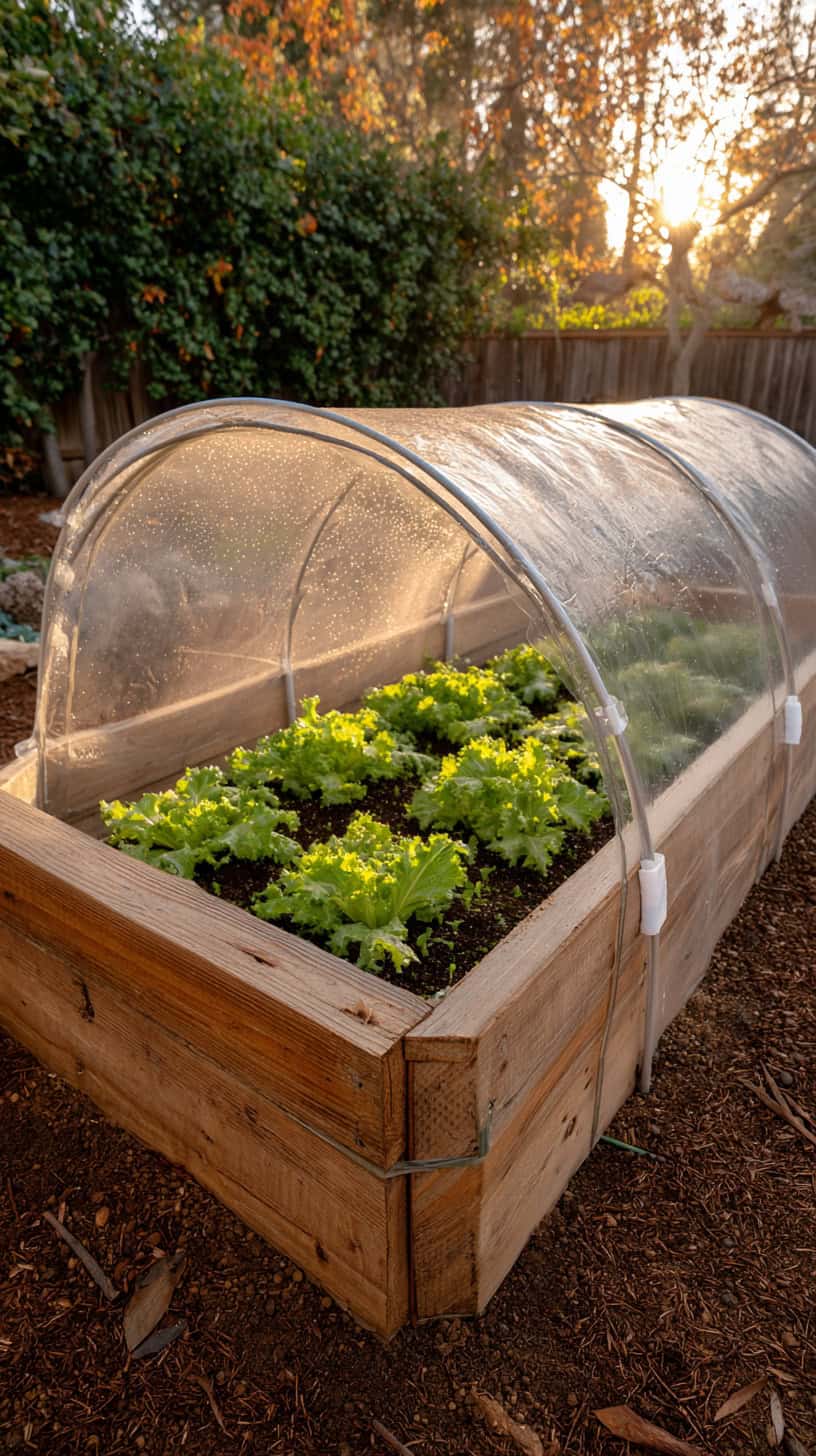
Combining raised garden beds with removable hoop house covers extends your growing season dramatically, protecting tender plants from frost, wind, and pests. This design creates a protected microclimate where you can start spring crops weeks earlier and continue harvesting well into winter. I install simple PVC hoops over my raised beds that accept plastic sheeting, row cover fabric, or insect netting depending on seasonal needs. The raised structure provides excellent drainage while the cover maintains warmth and moisture, creating ideal growing conditions. You can easily remove or roll back covers during mild weather for ventilation and plant access. This layout works brilliantly for succession planting lettuce, greens, and cool-season vegetables that typically struggle in extreme temperatures. The system is surprisingly affordable and completely adjustable to your specific climate challenges. Families love extending harvest times, enjoying fresh salads from the garden when neighbors’ plants are long finished for the season.
Family Friendly Crop Rotation Bed
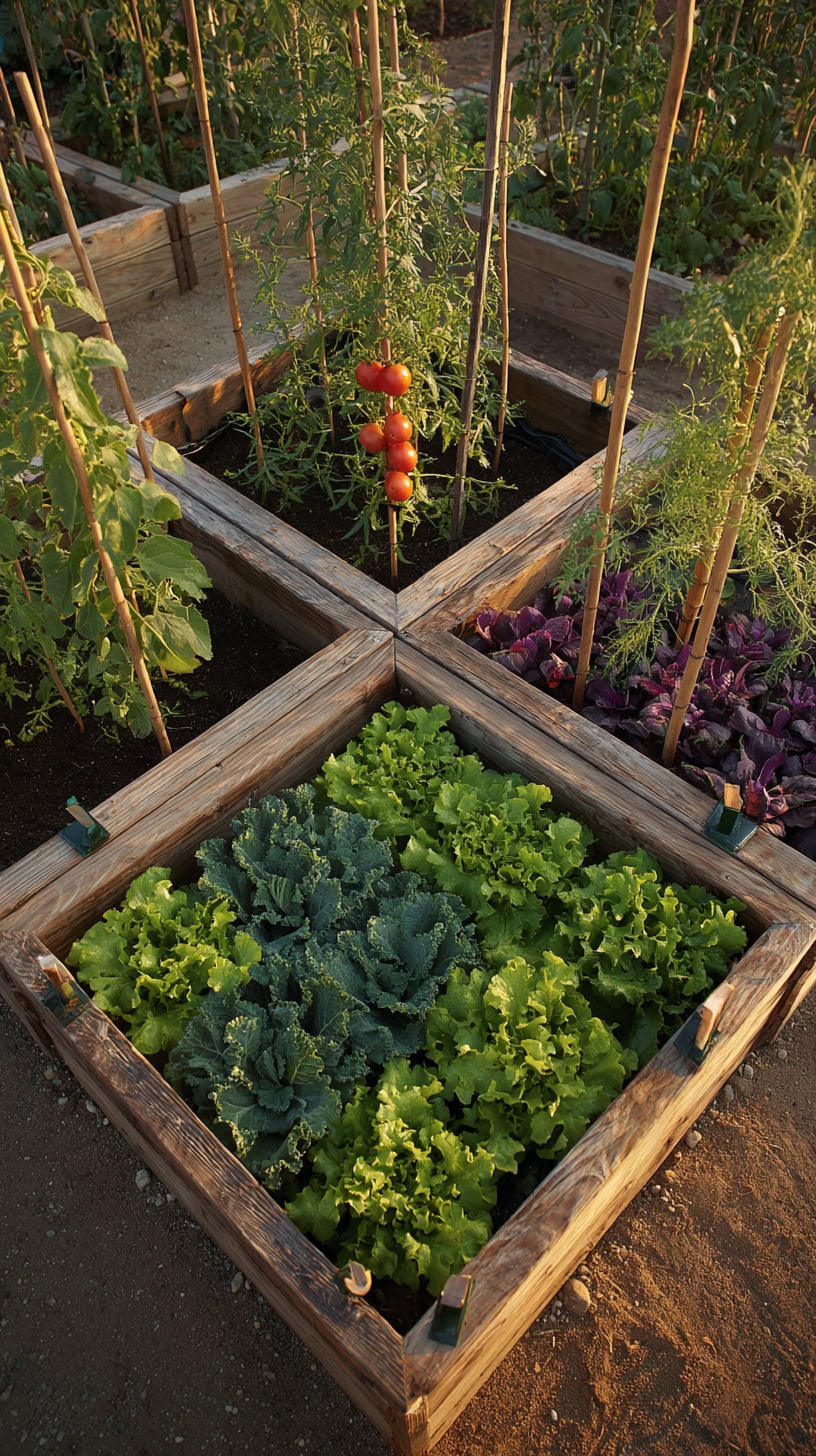
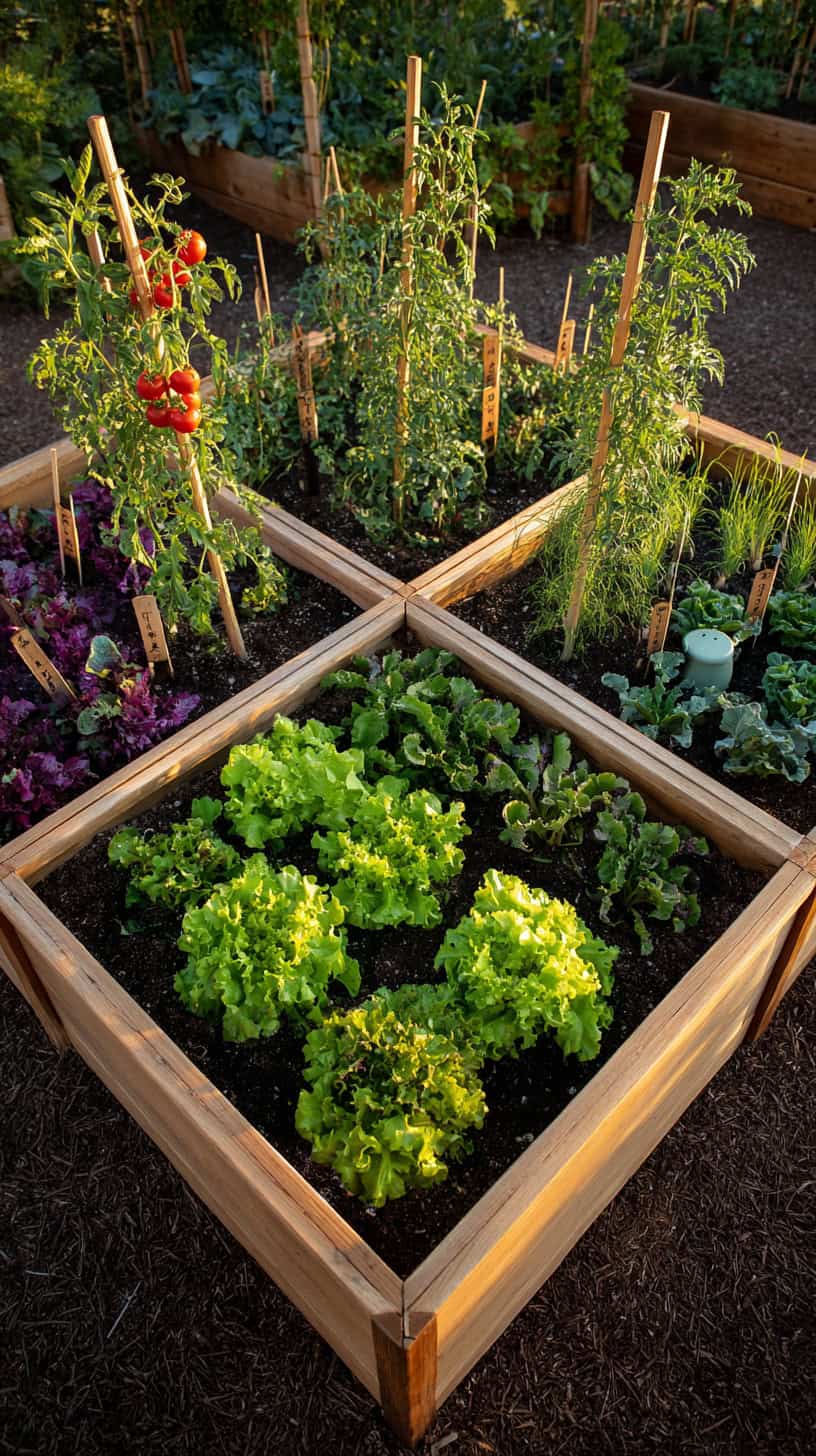
Designing your raised garden beds with crop rotation in mind ensures long-term soil health and reduced pest problems while teaching children about sustainable gardening practices. Divide your growing space into four distinct sections or beds, rotating plant families through each quadrant annually. I dedicate one section to heavy feeders like tomatoes and peppers, another to legumes that fix nitrogen, a third to root vegetables, and the fourth to leafy greens. This organized layout makes planning simple while preventing the soil depletion and disease buildup that occurs when growing the same crops in the same location year after year. Mark each bed clearly so everyone in the family understands the system and can participate in planning next season’s garden. The rotation naturally balances nutrient demands and interrupts pest life cycles without chemical interventions. Kids enjoy the puzzle-like aspect of determining what grows where each spring, making them active participants in garden management rather than just helpers with the heavy work.
This post may contain affiliate links. Read the full disclosure here.