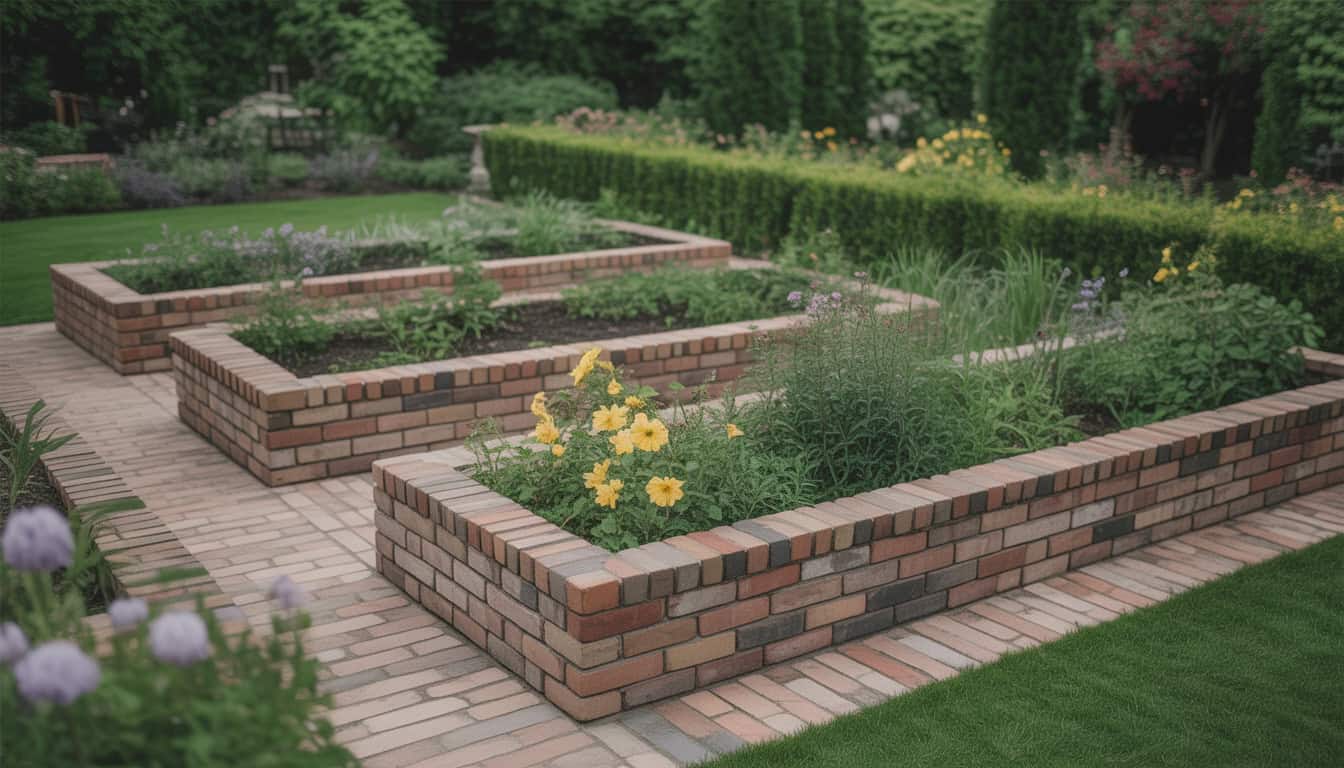
Brick Raised Garden Beds Ideas For A Classic Garden Look
There’s something timeless about brick raised garden beds that makes my heart skip a beat. They add a classic, polished look to any backyard while creating the perfect space for growing vegetables, herbs, and flowers.
When I’m creating a more permanent and classic garden layout, I love building with interlocking brick raised garden bed kits that add structure, retain warmth for plants, and bring a timeless charm to the space.
Let me share some of my favorite ideas for building beautiful, long-lasting brick raised garden beds that will transform your outdoor space!
Why Brick Raised Garden Beds Are a Mom’s Dream
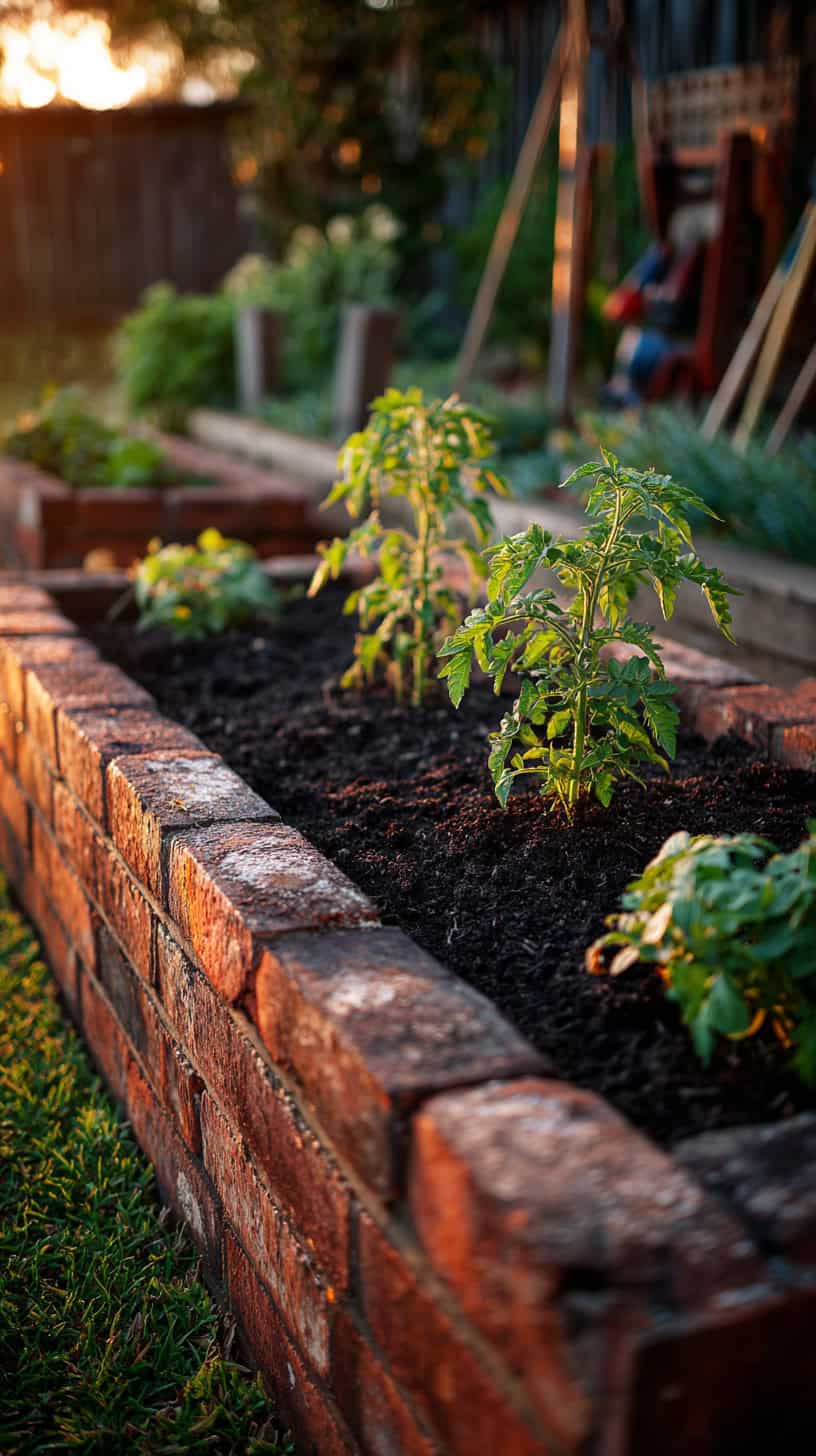
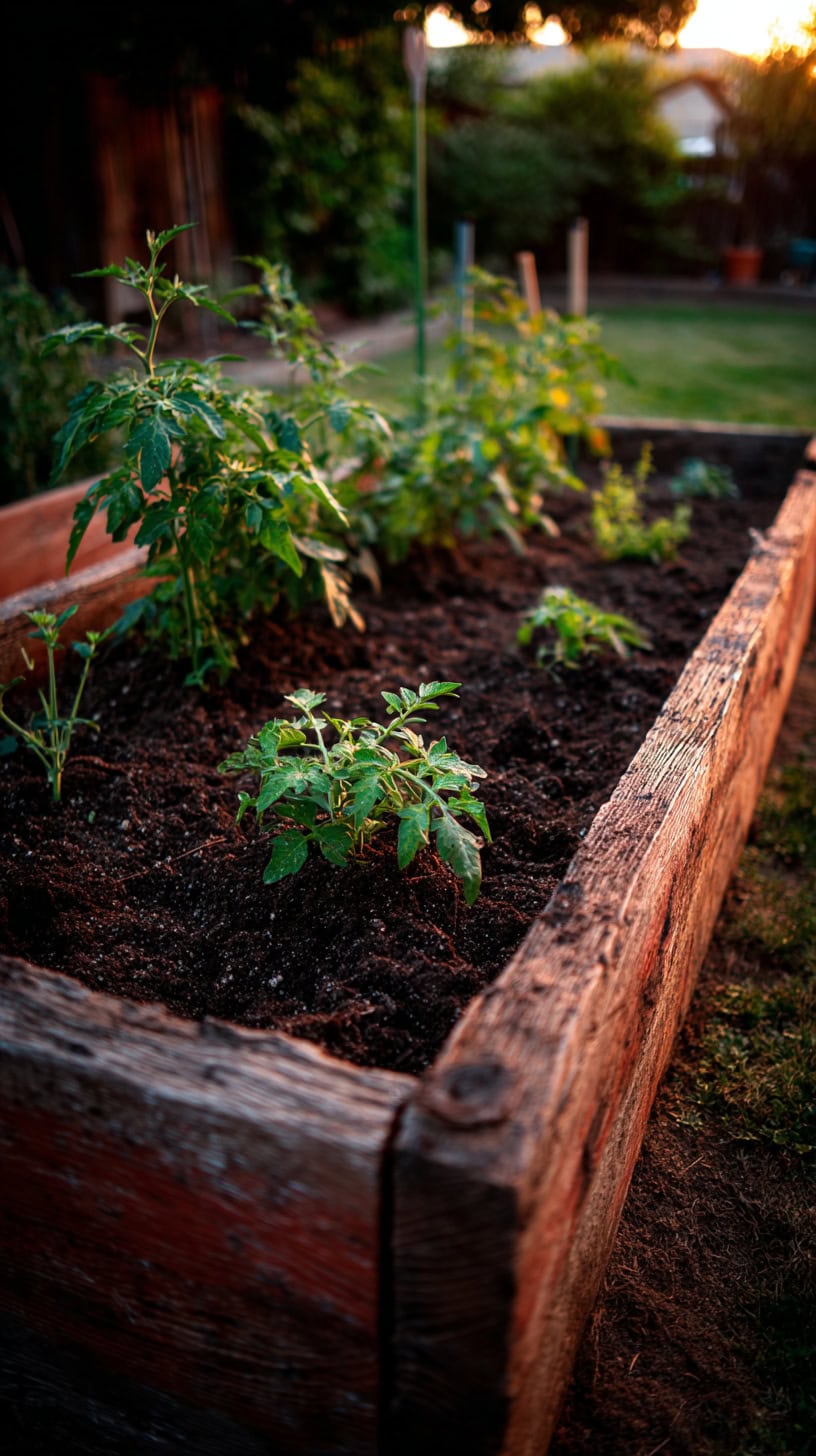

I’m going to be honest with you—brick raised garden beds have changed my gardening life completely. When I first started growing vegetables with my kids, we struggled with poor soil, back pain from bending over, and plants that never seemed to thrive. Raised beds solved all of these problems at once.
The beauty of brick raised garden beds is that they give you complete control over your soil quality. You can fill them with the perfect mix of compost, topsoil, and organic matter that your plants absolutely love. No more fighting with clay-heavy or sandy soil that just won’t cooperate. Your tomatoes, peppers, and herbs will thank you with abundant harvests.
Here’s what I love most about using brick for raised beds:
- They last forever—seriously, brick can withstand decades of weather without rotting or breaking down
- The height makes gardening so much easier on your back and knees
- Kids can help with planting and harvesting without trampling everything
- They warm up faster in spring, giving you an earlier start to the growing season
- They provide excellent drainage, preventing root rot and other moisture problems
- The classic look adds instant curb appeal and value to your property
One of my favorite things about brick raised garden beds is how they keep weeds under control. The defined edges make it so much easier to spot unwanted plants, and the raised height means fewer weed seeds blow in from surrounding areas. Trust me, this alone saves hours of work during the growing season.
Another huge benefit is pest control. Rabbits and other critters have a harder time accessing raised beds, especially if you add a simple wire mesh bottom during construction. My lettuce has never looked better since we made the switch!
Our Favorite Cinder Block Raised Garden Bed Builds
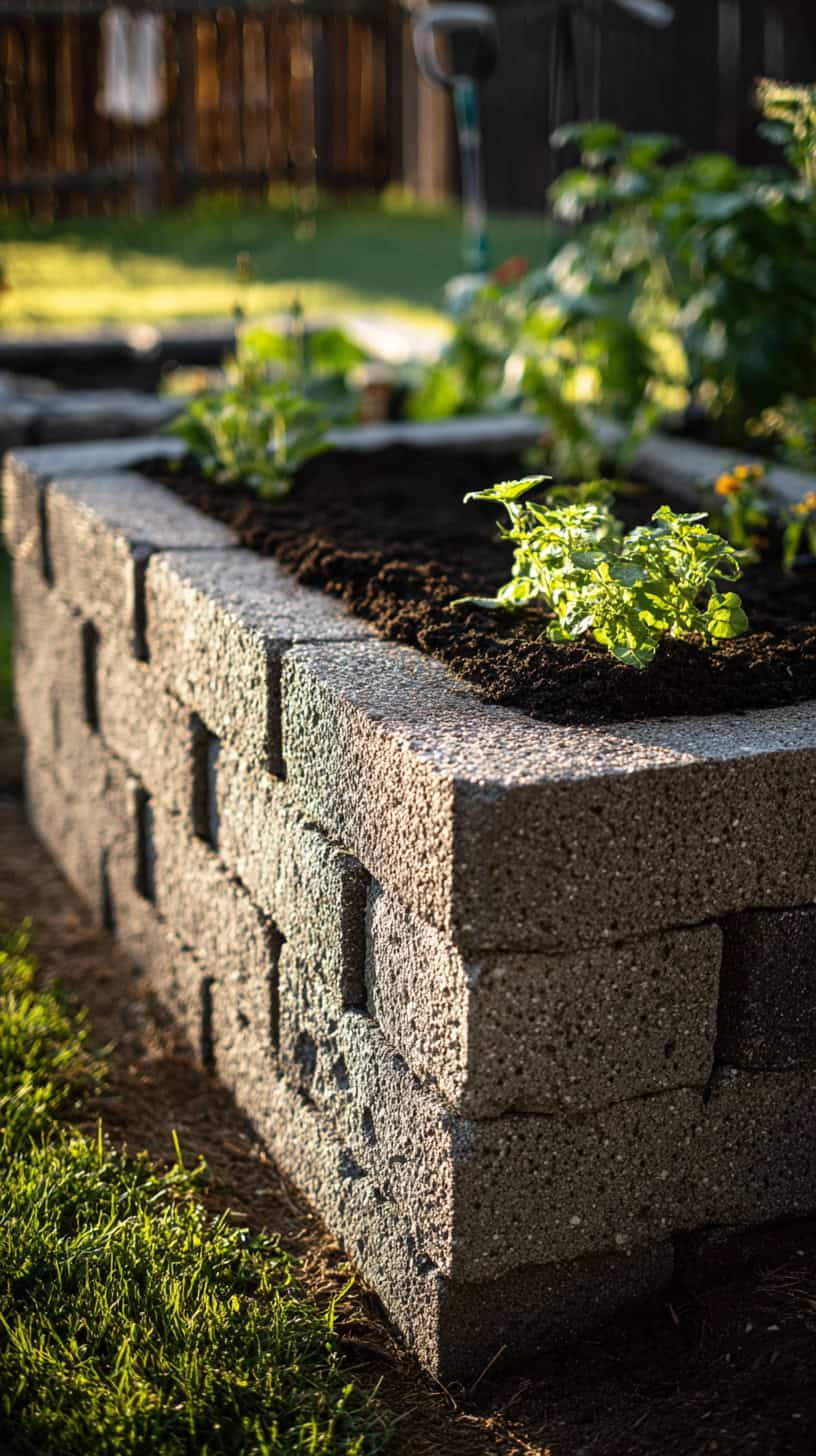
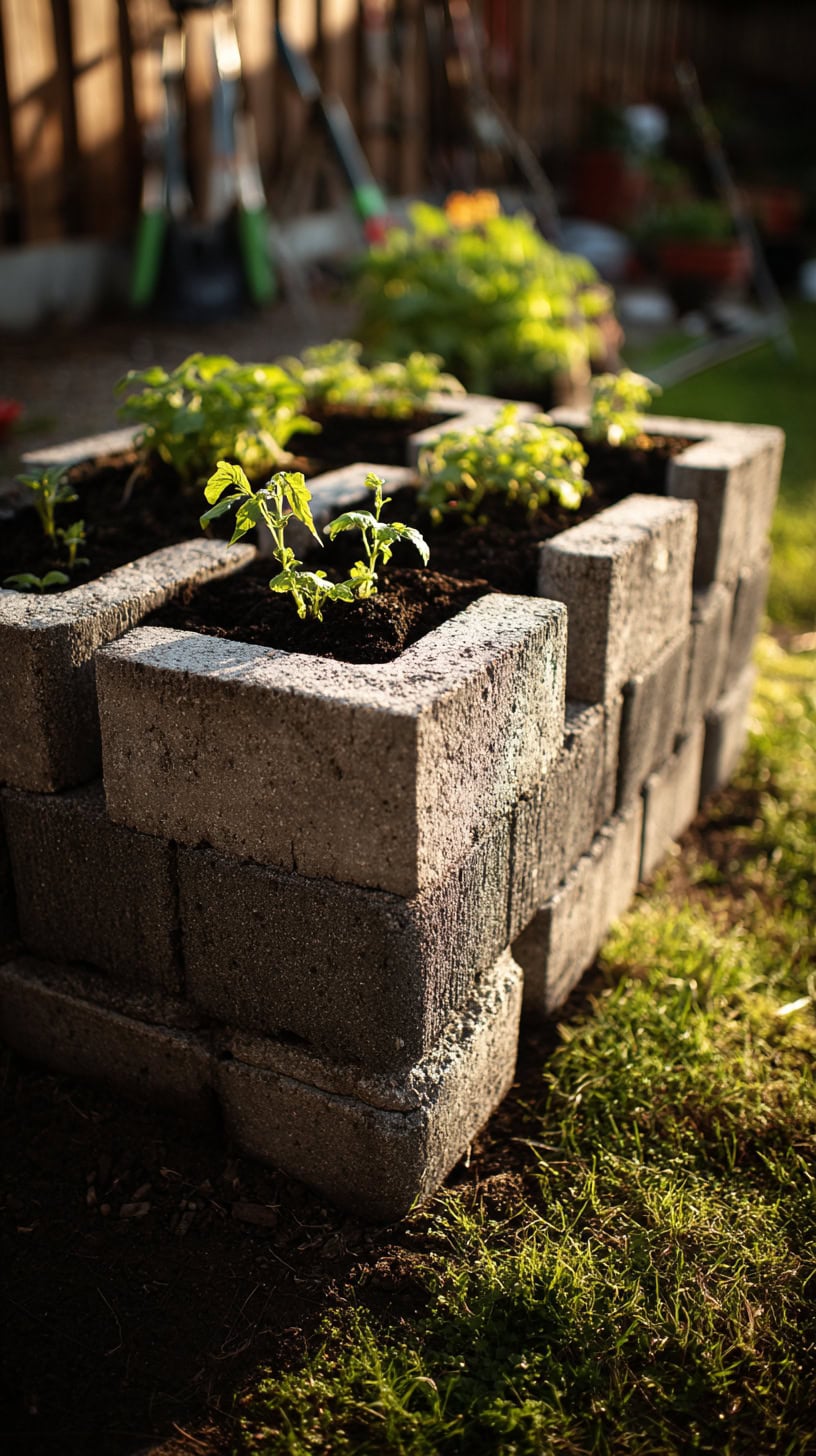
If you’re looking for a budget-friendly option that still gives you that sturdy, permanent feel, let me introduce you to cinder block raised garden beds. These concrete block garden beds are absolutely perfect for families who want to start gardening without a huge investment. I built my first one in an afternoon, and it’s still going strong five years later.
The best part about cinderblock raised garden beds is their versatility. You can stack them, arrange them in any shape you want, and even use the hollow centers for additional planting space. I fill those holes with herbs like basil, oregano, and thyme—it looks beautiful and maximizes every inch of growing space.
Here’s a simple design that works wonderfully:
- Create a rectangular bed that’s 8 feet by 4 feet using standard cinder blocks
- Stack them two blocks high for comfortable working height
- No mortar needed—just place them directly on level ground
- Fill the centers with soil and plant trailing herbs or flowers
- Line the inside with landscape fabric if you want extra weed protection
I’ve seen some amazing cinder block raised garden bed designs where families paint the blocks in cheerful colors. One neighbor created a rainbow garden bed that her kids absolutely adore. The concrete blocks took the paint beautifully, and it’s held up through several seasons of weather. This is such a fun weekend project to do with children!
For a more decorative approach, you can face the cinder blocks with stucco or attach stone veneer to the outside. This gives you the structural benefits of concrete with a more polished appearance. I love how this looks along walkways and near patios where the garden bed becomes part of your outdoor living space.
Charming Brick Planter Ideas with Reclaimed Bricks
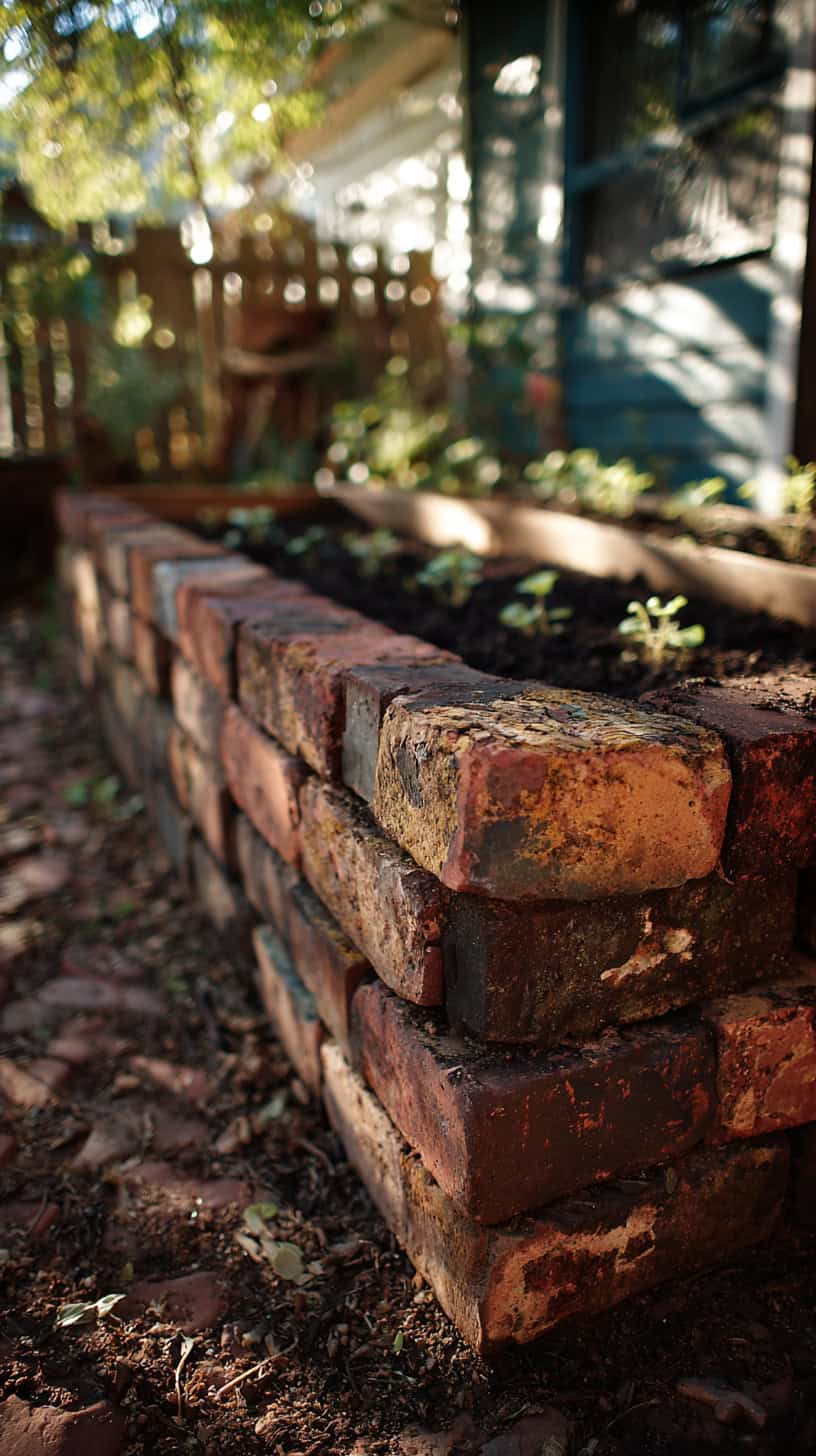
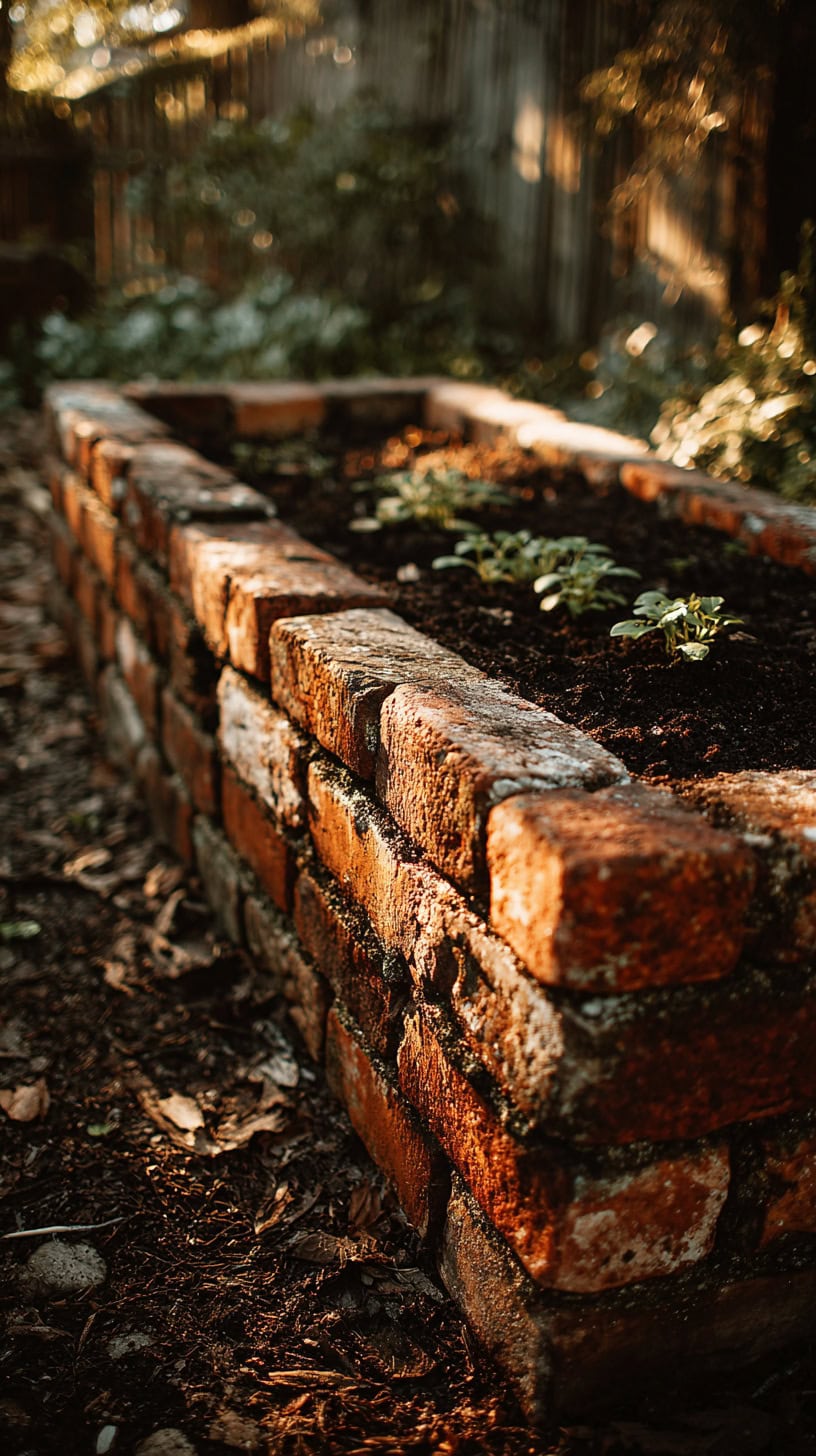
Oh my goodness, reclaimed brick garden projects are where my heart truly lives! There’s something incredibly special about using old bricks with history and character in your garden. The weathered patina, the varied colors, the slight imperfections—they all add to the charm and create a garden space that feels like it’s been there forever.
I discovered reclaimed bricks when we were renovating an old chimney on our property. Instead of hauling them away, we cleaned them up and built the most gorgeous raised beds. The cost was essentially zero, which made it even better. Now I always keep my eyes open for demolition sites, architectural salvage yards, and online marketplaces where people are giving away old bricks.
Here are some charming brick planter ideas using reclaimed materials:
- Create a curved, serpentine raised bed that follows the natural contours of your yard
- Build corner planters where two fences meet to maximize awkward spaces
- Stack bricks in a basket-weave pattern for added visual interest
- Mix different colored bricks for a cottage garden feel
- Use old bricks to edge existing garden beds before building raised versions
One of my favorite brick planter ideas involves building different heights throughout the garden. I have some beds that are just one brick high for ground-level crops like strawberries and lettuce, while others are three or four bricks tall for deeper-rooted vegetables like carrots and potatoes. This creates beautiful dimension in the garden and looks absolutely stunning from every angle.
The irregular coloring of reclaimed brick garden beds means they blend naturally with older homes and established landscapes. If you have a historic property or just love that vintage aesthetic, this is definitely the way to go. I’ve noticed that butterflies and beneficial insects seem especially attracted to these gardens—maybe they love the old-world charm as much as I do!
Concrete Raised Garden Beds That Last Forever
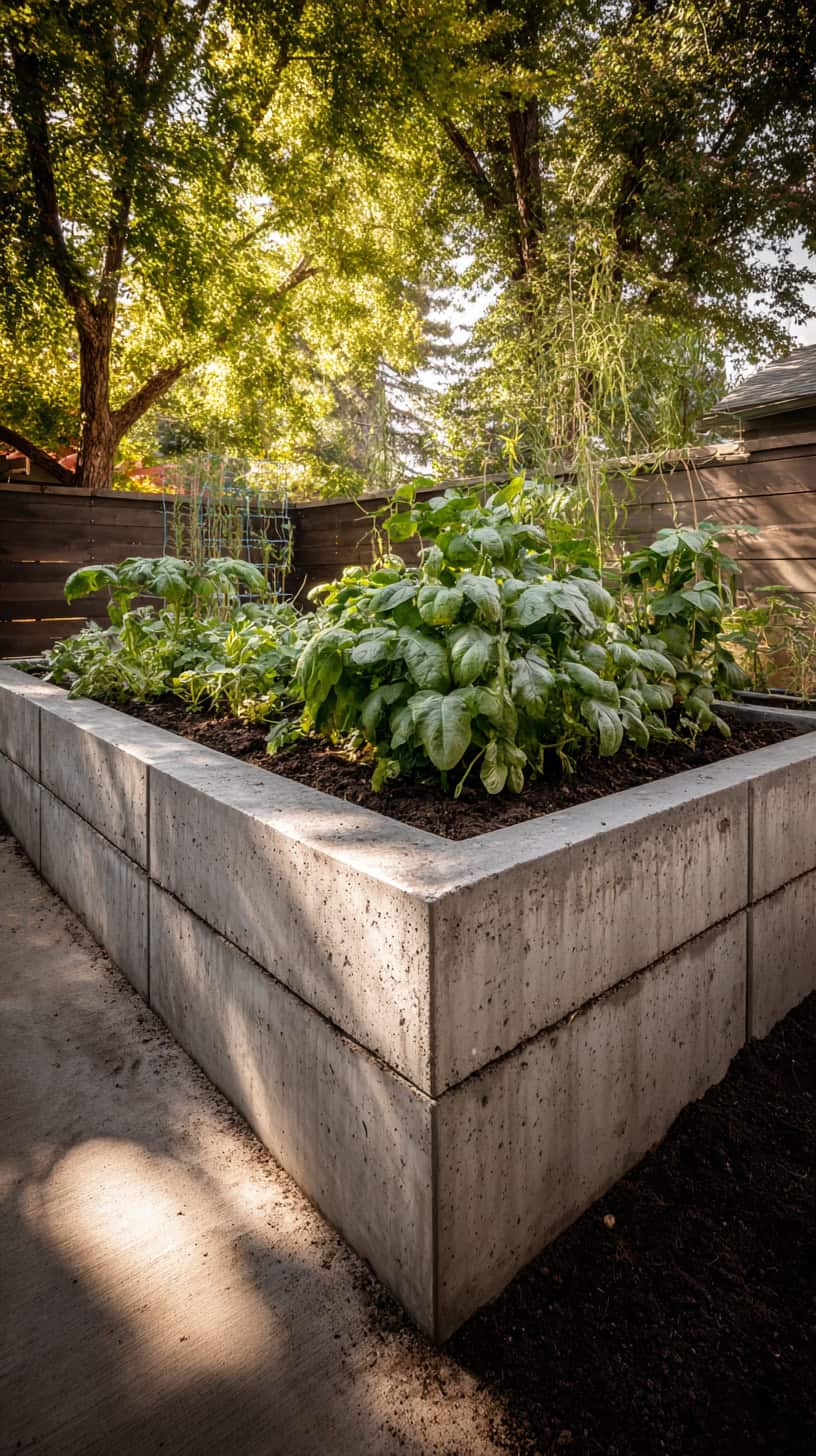
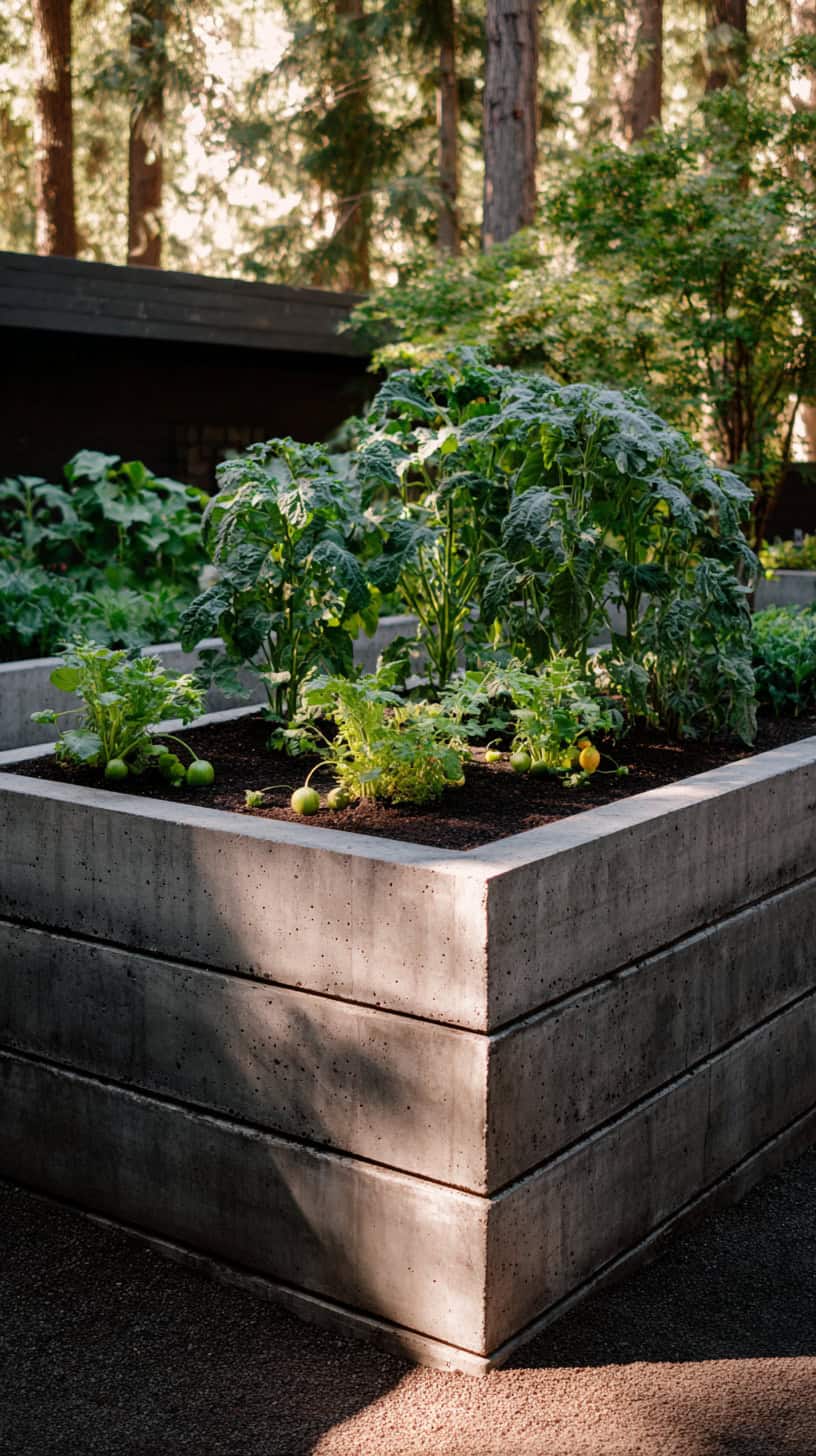
When I say concrete raised garden beds last forever, I’m not exaggerating. These are the ultimate in permanent garden structures. While they require more initial effort to build, you’ll never have to replace them, repair them, or worry about them deteriorating. For families planning to stay in their homes long-term, this is an investment that keeps giving year after year.
Concrete block garden beds offer incredible structural strength. You can build them as tall as you want without worrying about bulging or collapsing when filled with heavy, wet soil. I’ve seen beautiful beds that are waist-high, making them perfect for gardeners with mobility issues or those who simply want the most comfortable working height possible.
Here’s what makes concrete raised garden beds so special:
- They provide excellent thermal mass, protecting plant roots from temperature extremes
- The solid construction keeps out burrowing pests like moles and voles
- You can finish them with stucco, paint, or stone facing to match your home
- They’re fireproof, which matters if you live in wildfire-prone areas
- The weight and stability mean they stay exactly where you put them
I’ve built concrete raised garden beds using poured concrete forms, and while it’s more work than other methods, the results are absolutely professional-looking. You can add decorative elements like embedded stones, shells, or mosaic tiles while the concrete is still wet. My kids helped create a beautiful butterfly design on one of our beds, and it’s become a treasured focal point in our garden.
For those who want the durability of concrete but prefer easier construction, interlocking concrete blocks designed specifically for retaining walls work wonderfully. They stack together securely without mortar and create raised beds that look incredibly polished and intentional. The hollow design allows for reinforcement if you’re building especially tall beds.
Raised Garden Beds Along the Fence for Max Space
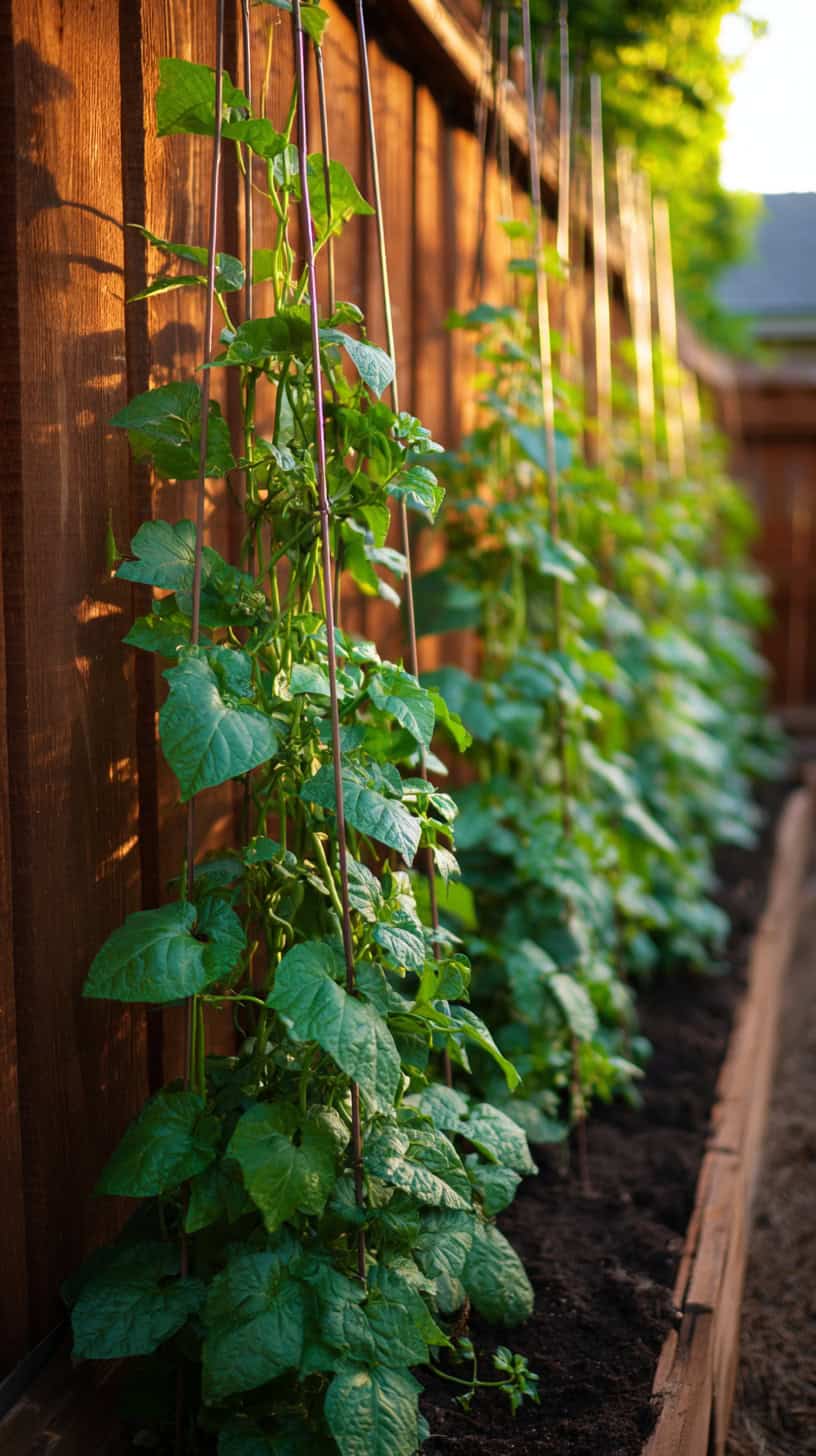
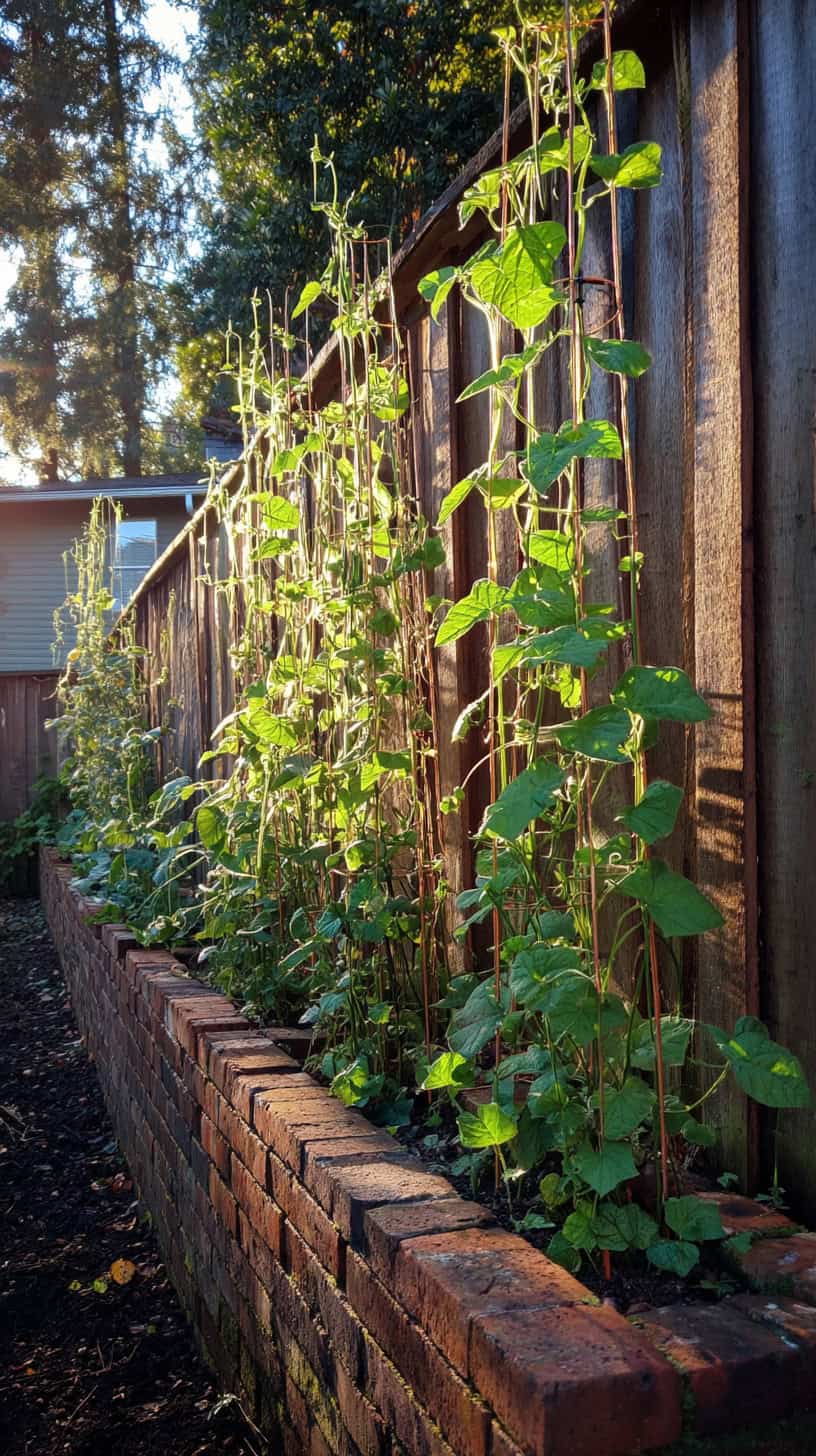
One of the smartest things I ever did was install raised garden beds along fence lines. This brilliant use of space transformed areas that were previously just grass and weeds into productive growing zones. If you have limited yard space or want to maximize every square foot, raised garden beds along fence are absolute game-changers.
The fence provides natural support for climbing plants like beans, peas, cucumbers, and even small varieties of squash. I installed simple hooks and ran twine vertically, creating an instant trellis that cost almost nothing. Now I grow vertically instead of horizontally, tripling my harvest in the same footprint. The kids love picking beans that hang at eye level—it makes them so much more excited about eating vegetables!
Here’s how to make the most of raised garden beds along fence lines:
- Build narrow beds (18-24 inches wide) so you can reach everything from one side
- Place them on the sunny side of your fence for maximum light exposure
- Use the fence to hang tools, plant markers, and harvest baskets
- Install drip irrigation along the fence rail for easy watering
- Paint the fence a light color to reflect more light onto your plants
I discovered that raised beds along the fence also create wonderful privacy screening when you plant tall flowers and ornamental grasses. One side of our yard had a chain-link fence that wasn’t very attractive, but now it’s hidden behind gorgeous sunflowers, zinnias, and cosmos growing in brick raised beds. The transformation is absolutely stunning, and neighbors constantly ask how we did it.
Another benefit I hadn’t anticipated is how these beds protect the fence itself. The raised structure keeps soil and moisture away from wooden fence posts, helping them last longer. Plus, the defined edge means you’re not accidentally hitting the fence with the lawn mower or weed trimmer. It’s a win-win situation all around!
Unique Raised Garden Beds to Wow Your Neighbors
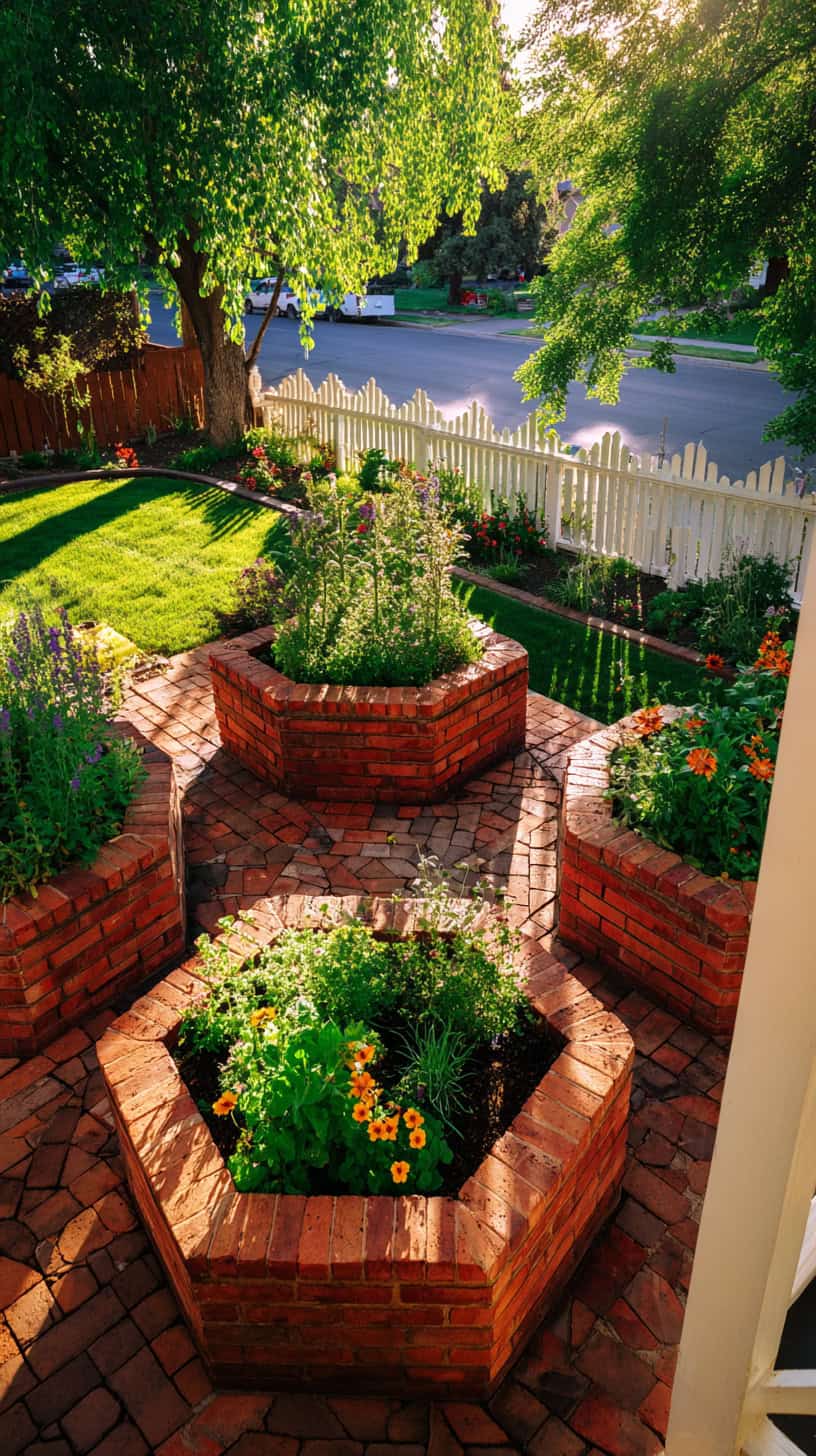
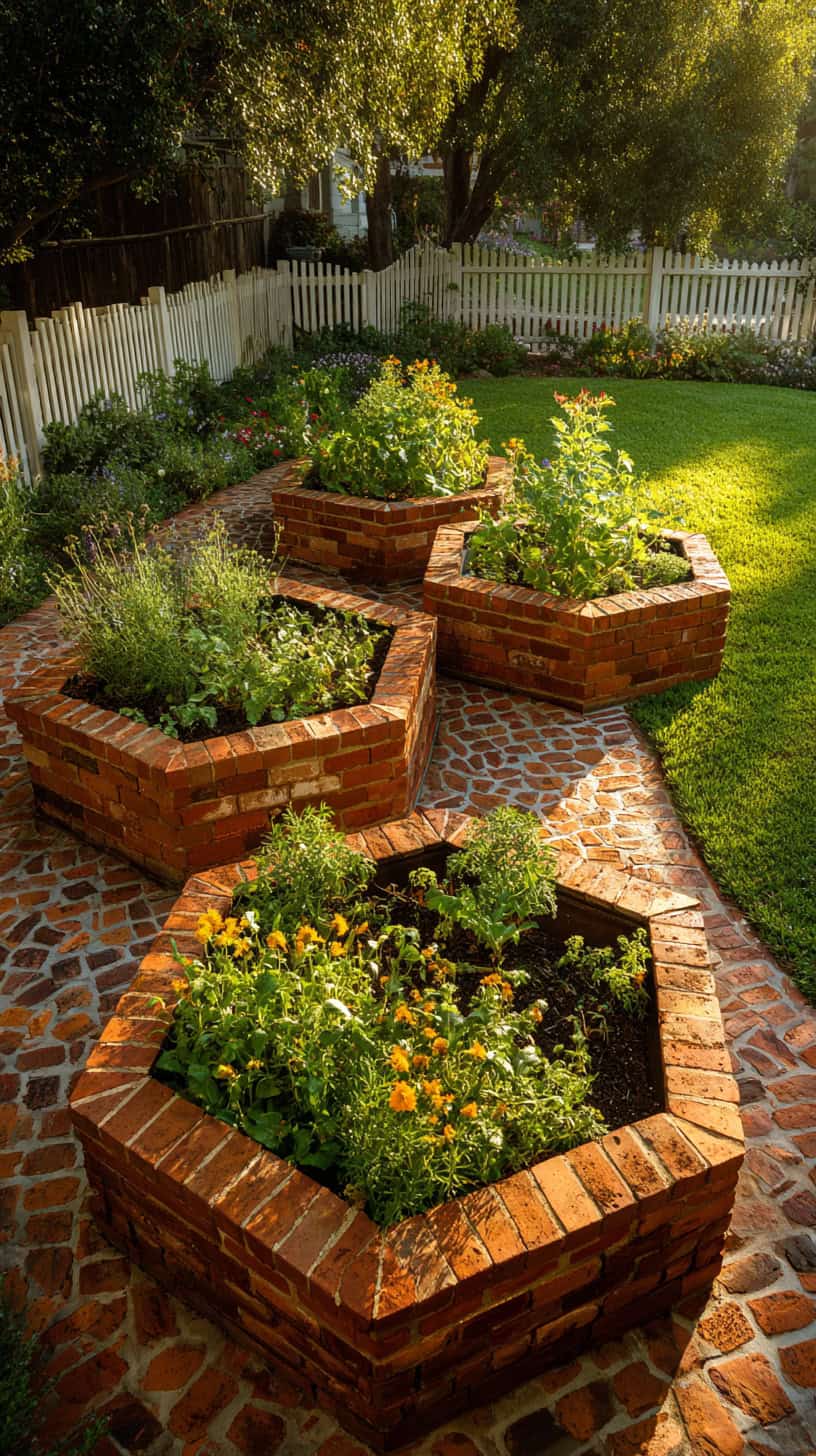
If you want your garden to be the talk of the neighborhood, let me share some unique raised garden beds that will definitely make people stop and stare. I love when neighbors walk by and ask about my garden—it’s so much fun to share ideas and inspire others to start growing their own food and flowers.
One of my most creative designs involves building raised beds in geometric shapes rather than standard rectangles. I created hexagonal beds using brick, and arranged three of them together in a honeycomb pattern. Each section holds different crops, and the unusual shape creates incredible visual interest while still being totally functional. The bees certainly seem to appreciate the honeycomb theme!
Here are some unique raised garden beds that really stand out:
- Circular beds built with curved bricks, perfect for creating focal points
- Tiered beds at different heights, like garden stairs climbing a slope
- Keyhole gardens with a central composting basket and wraparound growing space
- Spiral herb gardens built upward for maximum planting area in minimal space
- Mixed-material beds combining brick, stone, and wood for artistic effect
I’ve also seen absolutely stunning raised beds where the bricks are laid in decorative patterns—herringbone, basket-weave, and running bond all create different visual effects. One creative gardener in my area built raised beds with alternating colors of brick creating stripes around the perimeter. It’s both beautiful and functional, proving that practical doesn’t have to mean boring.
For families with children, consider building raised beds in fun shapes like stars, hearts, or even your family initial. These box garden ideas make such wonderful photo opportunities and give kids ownership over their special garden space. My daughter has a heart-shaped bed filled with pink and purple flowers, and she takes such pride in maintaining it!
Stone Raised Garden Beds and Box Garden Ideas
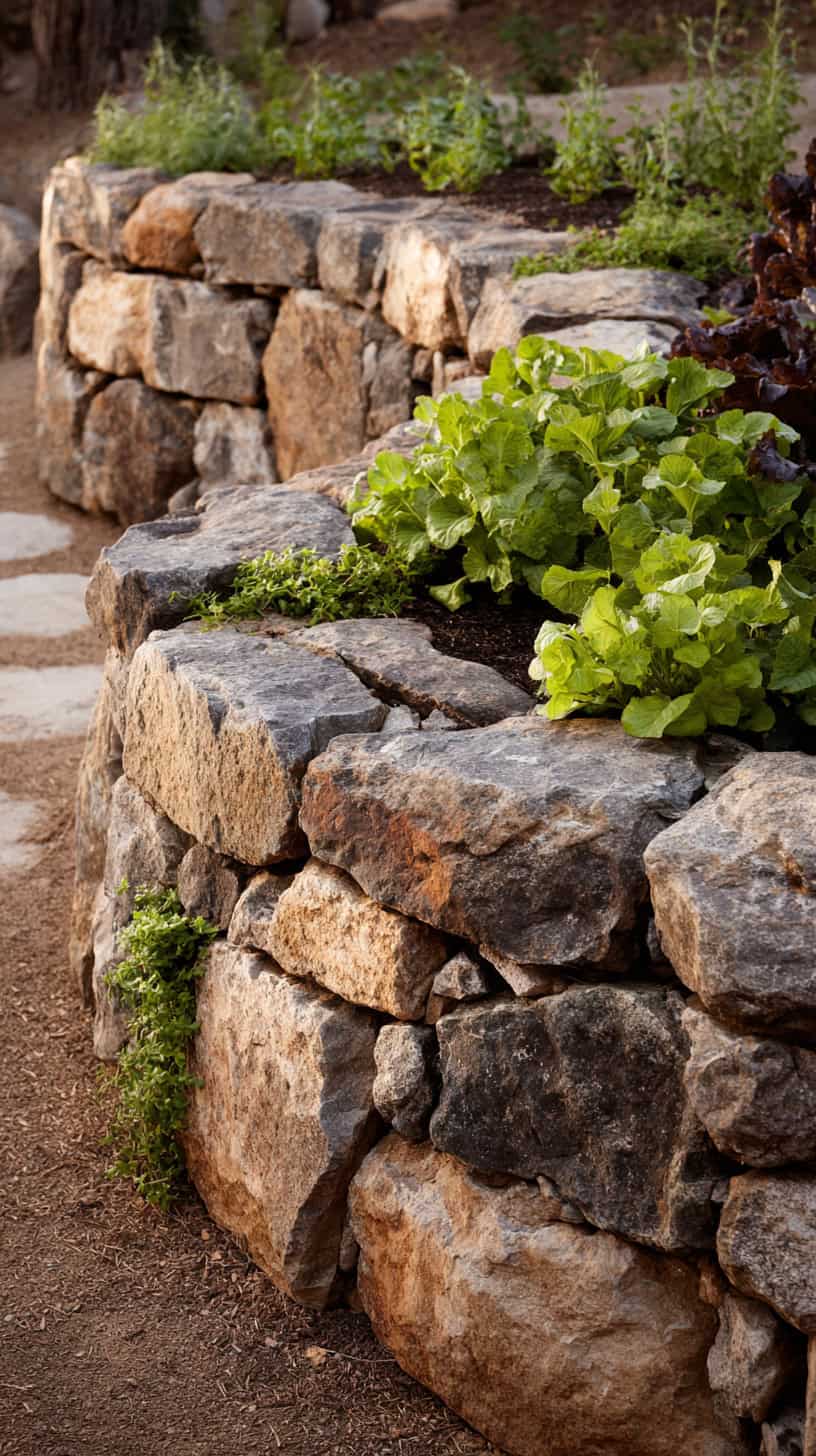
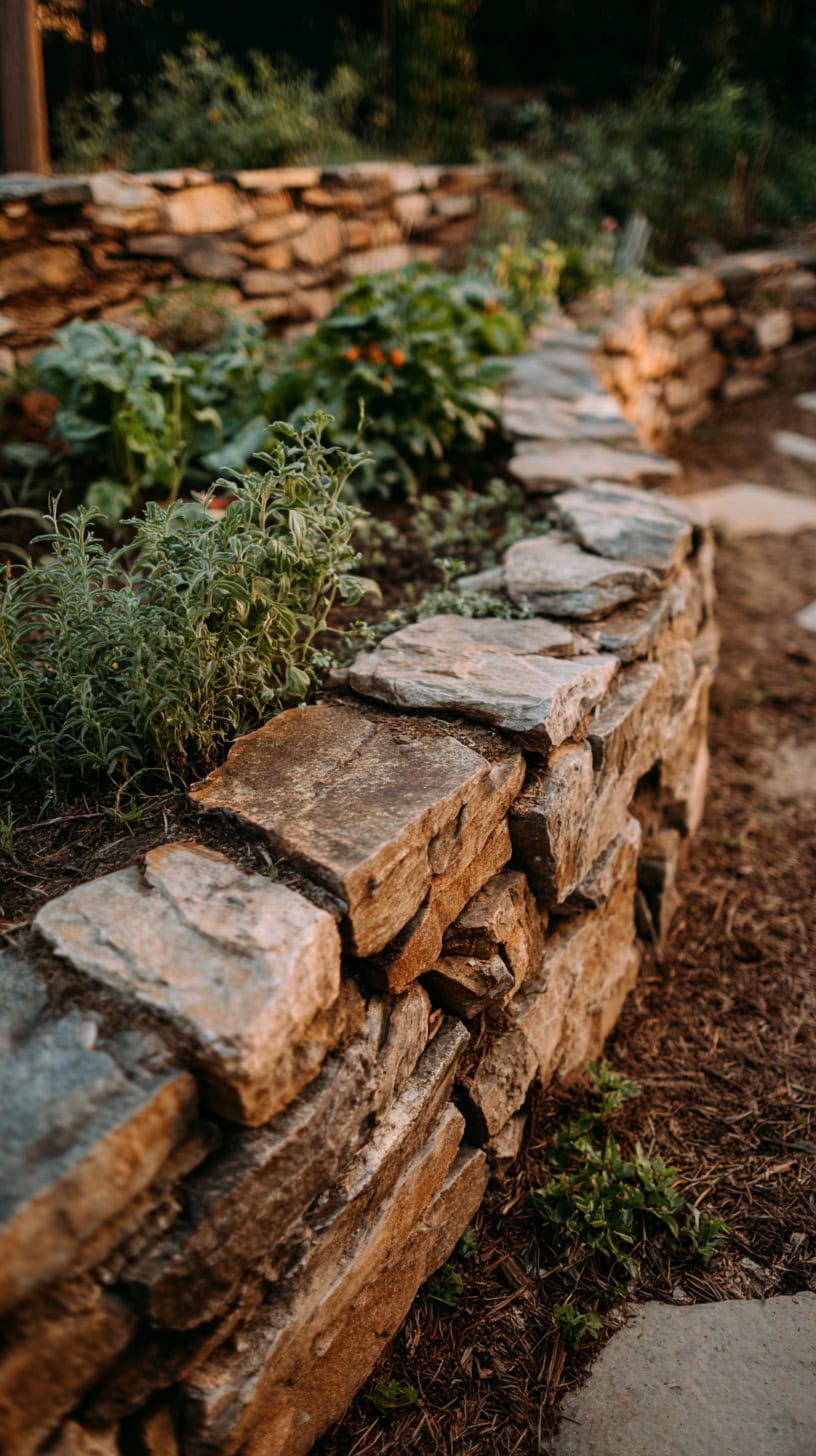
Stone raised garden beds bring a natural, rustic elegance to any landscape. While brick offers a more formal, structured look, stone beds have an organic quality that makes them feel like they’ve always been part of the landscape. I love how versatile stone can be—from rough fieldstone to precisely cut limestone blocks, there’s a style for every taste and budget.
When I built my first stone raised bed, I used flat limestone pieces stacked without mortar in a technique called dry stacking. The gaps between stones provide perfect drainage and also create little homes for beneficial insects and lizards that help control pests. It’s like building a mini ecosystem right into your garden structure!
Here are some beautiful stone raised garden bed options:
- Fieldstone beds with irregular shapes following natural contours
- Cut stone blocks for clean, precise lines and corners
- River rock combined with larger stones for a water-garden aesthetic
- Limestone or sandstone that develops beautiful patina over time
- Granite or slate for modern, contemporary garden designs
One of my favorite box garden ideas involves using stone raised beds as permanent landscape features that anchor your entire yard design. I positioned our largest stone bed as a central focal point visible from the kitchen window. It’s planted with a mix of vegetables and flowers that change with the seasons, providing year-round interest and beauty.
Stone works wonderfully when combined with brick for truly unique raised beds. I’ve seen gorgeous designs where stone forms the outer wall and brick creates interior dividers, allowing you to separate different crops or create rotation zones within one large bed. This mixed-material approach gives you the best of both worlds—the natural beauty of stone with the precision of brick.
For sloped yards, stone raised garden beds are absolute lifesavers. They create level growing surfaces on hillsides while preventing erosion and making the most of challenging terrain. I helped a friend terrace her entire sloped backyard with stone beds, and it transformed an unusable space into a productive, gorgeous garden that increases her property value significantly.
Quick Tips to Get Your Garden Growing Today
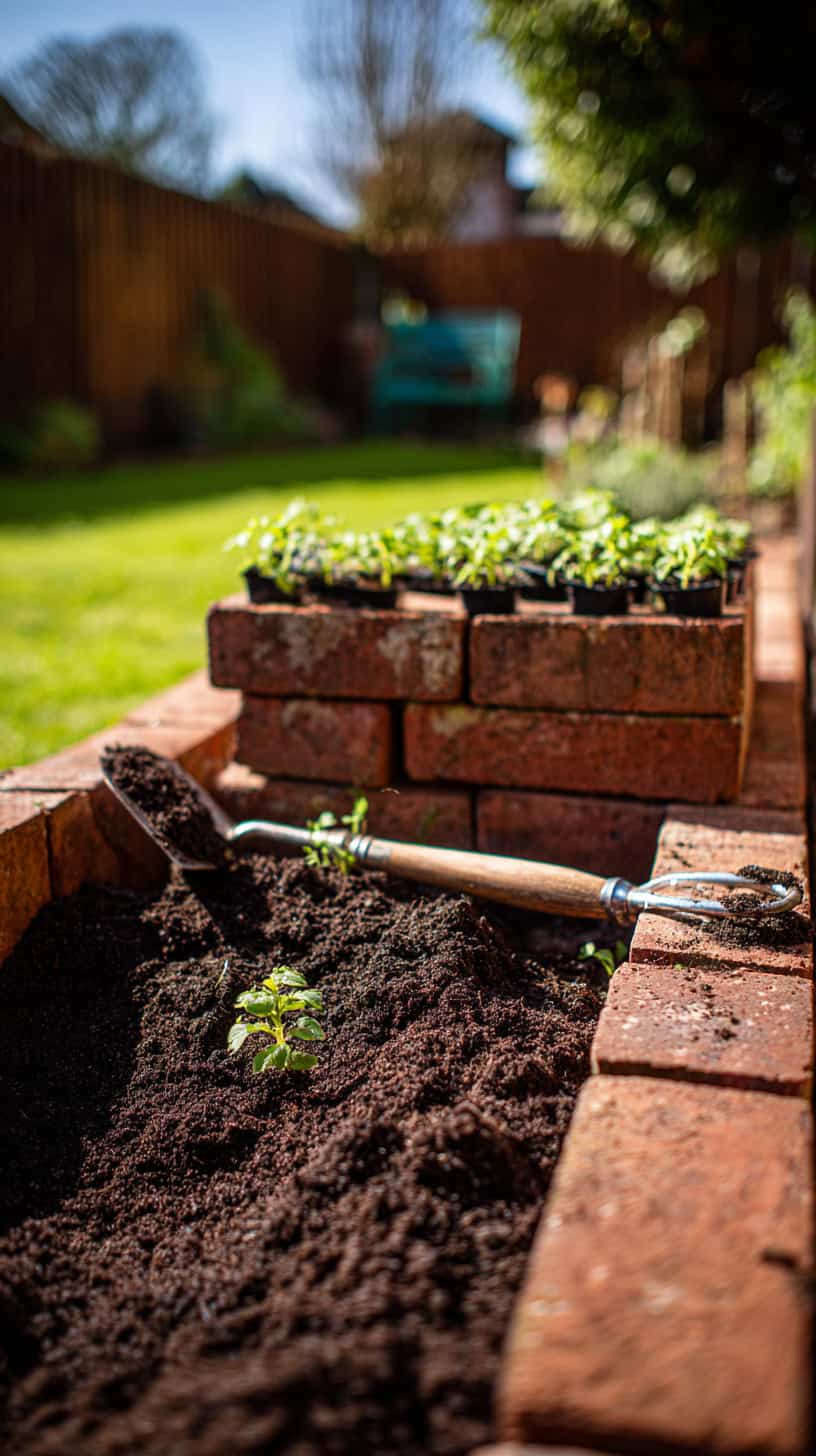
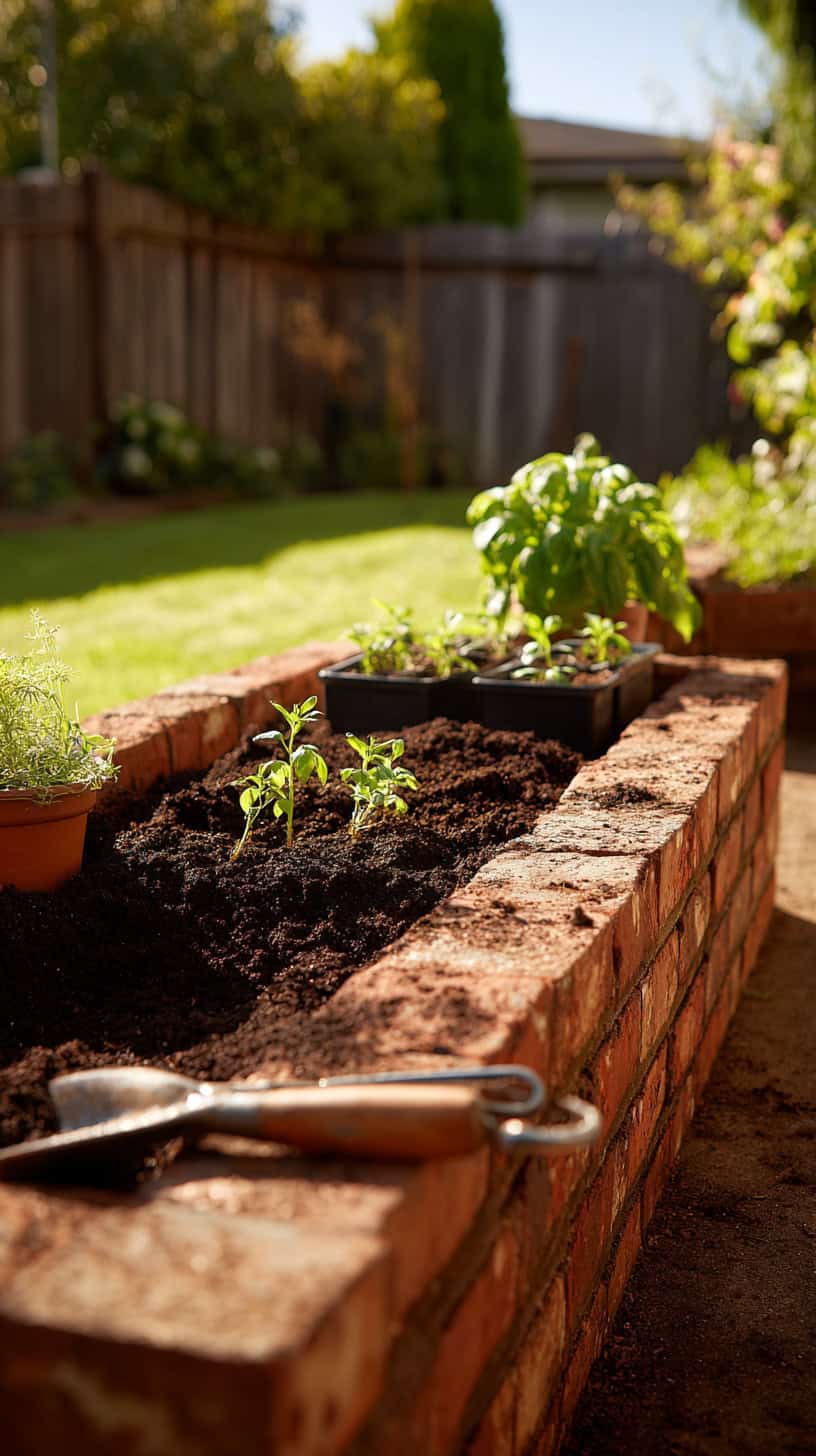
You’ve been reading about all these wonderful brick raised garden beds, and I bet you’re itching to get started! Let me share some practical tips that will have you growing beautiful plants faster than you might think. The best time to start is always right now—even if you’re beginning in small ways.
First, choose your location carefully. Raised beds need at least six to eight hours of direct sunlight for most vegetables. I learned this the hard way when I placed my first bed in a spot that seemed sunny but was actually shaded by afternoon. Take time to observe your yard throughout the day before committing to a location.
Here are my tried-and-true tips for raised bed success:
- Start small—one or two beds are easier to manage than a huge garden
- Layer cardboard at the bottom to suppress weeds and grass
- Fill beds with a mix of 60% topsoil, 30% compost, and 10% perlite or vermiculite
- Install drip irrigation or soaker hoses before planting to save time and water
- Mulch heavily to retain moisture and prevent weeds
- Plant intensively—raised beds allow closer spacing than traditional gardens
Don’t worry about making everything perfect before you begin. My first brick raised bed was a bit wobbly and uneven, but it still grew amazing vegetables! You learn as you go, and each new bed you build will be better than the last. The important thing is to just start somewhere.
Consider what you actually eat when deciding what to plant. There’s no point growing vegetables your family won’t enjoy. I focus on expensive items from the grocery store like herbs, salad greens, and tomatoes—growing these saves significant money while providing the freshest possible ingredients for our meals.
Join local gardening groups online or in your community. The knowledge sharing is invaluable! I’ve learned so much from other gardeners about what varieties grow best in our specific climate, when to plant, and how to deal with regional pests. Plus, you’ll often find people giving away extra plants, seeds, and materials.
Remember that brick raised garden beds are an investment in your family’s health, your property’s value, and your own peace of mind. There’s something deeply satisfying about growing your own food and beautiful flowers. Every time I walk outside and see my raised beds bursting with life, I feel proud of what we’ve created together as a family.
So grab some bricks, mark out your space, and start building! Your garden adventure awaits, and I promise you won’t regret taking this step. Whether you choose brick, cinder blocks, concrete, or stone, you’re creating something wonderful that will bring joy for years to come. Happy gardening!
This post may contain affiliate links. Read the full disclosure here.