Inexpensive Landscaping Ideas That Upgrade Your Yard on a Budget
Your yard doesn’t need a total makeover with a five-figure price tag to look amazing. With some creative thinking and a little elbow grease, you can transform your outdoor space into something beautiful without emptying your wallet. Let me share the budget-friendly landscaping ideas that completely changed my family’s yard and made our home feel like a whole new place!
Inexpensive Landscaping Ideas: Why I Started This Front Yard Adventure
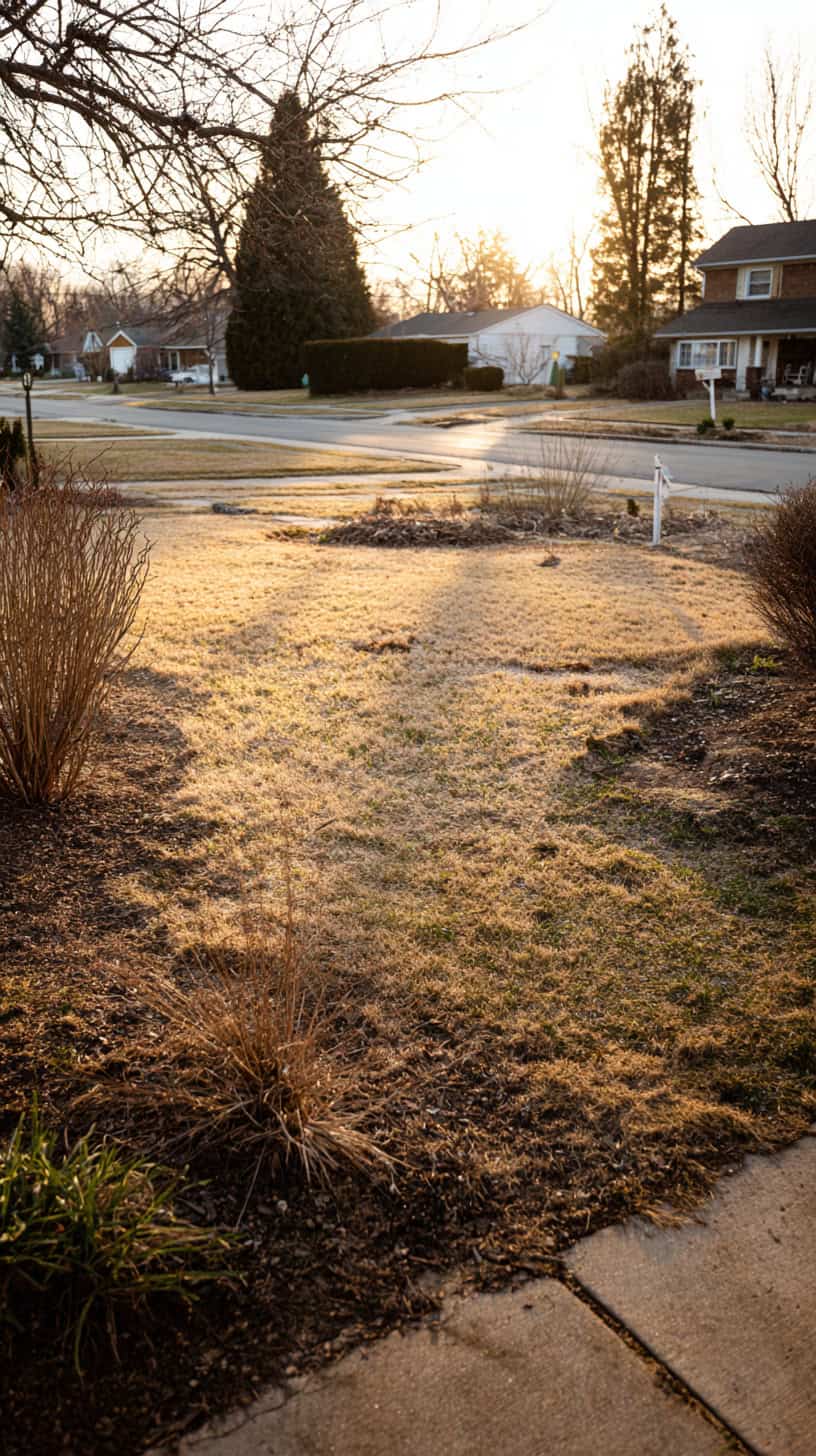
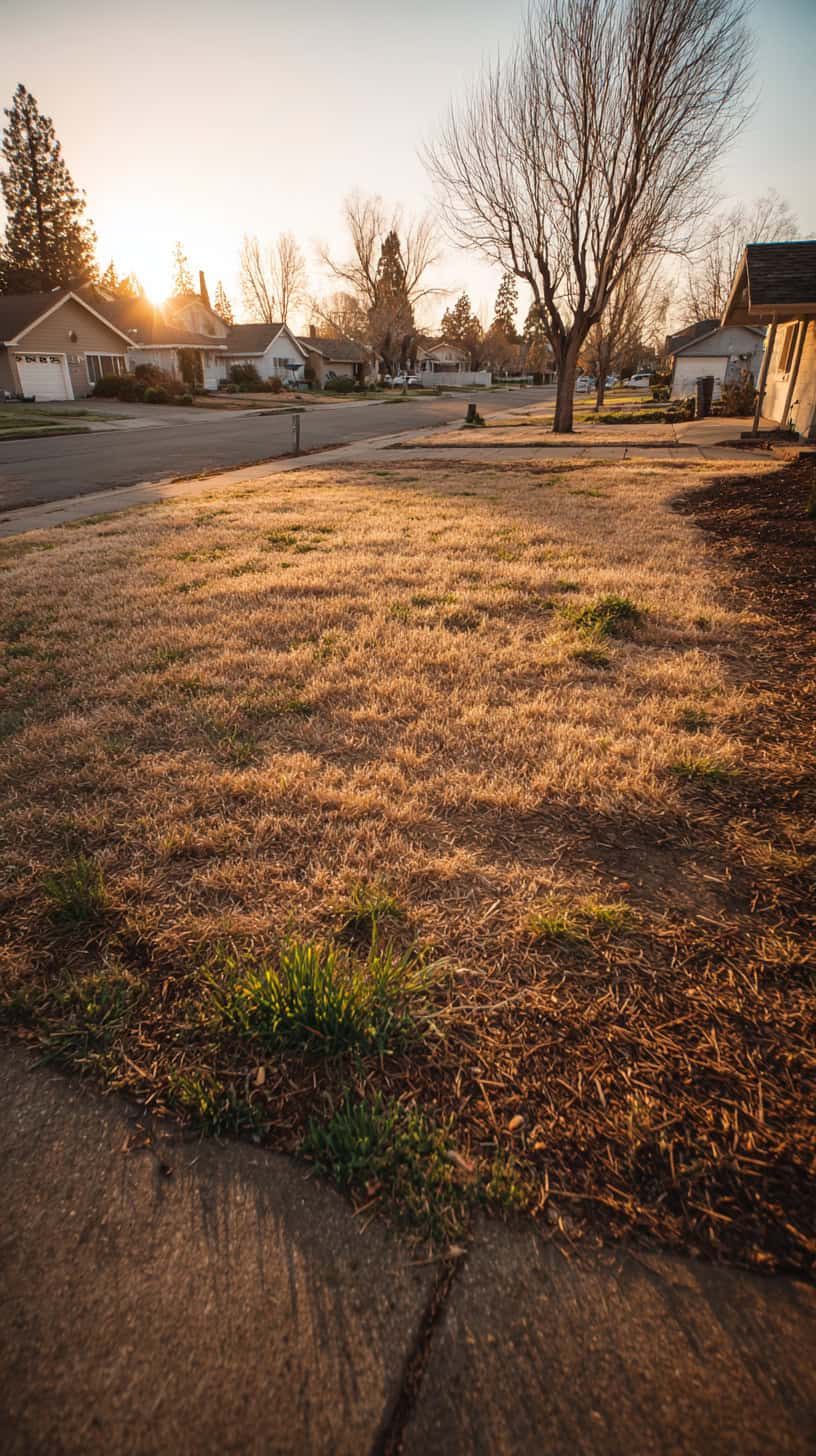
I’ll be honest with you. My front yard was a mess last spring. The grass was patchy, the flower beds were bare, and everything just looked tired and sad. My husband and I looked at professional landscaping quotes and nearly fell over. We’re talking thousands of dollars for a basic refresh. That’s when I decided we could do this ourselves, and we could do it for way less money.
The best part? Our kids got involved too. What started as a budget project turned into this amazing family adventure that brought us closer together. We learned so much about plants, design, and working as a team. Plus, our neighbors kept stopping by to compliment our progress, which made us feel fantastic!
I researched every corner of the internet for inexpensive landscaping ideas. I talked to the helpful folks at our local nursery. I visited neighbors with gorgeous yards and asked questions. Trust me, most people love sharing their gardening secrets! All that detective work paid off because we created a yard that looks professionally designed for just a fraction of the cost.
Front Yard Landscaping Ideas On A Budget: Vertical Gardens for Small Spaces
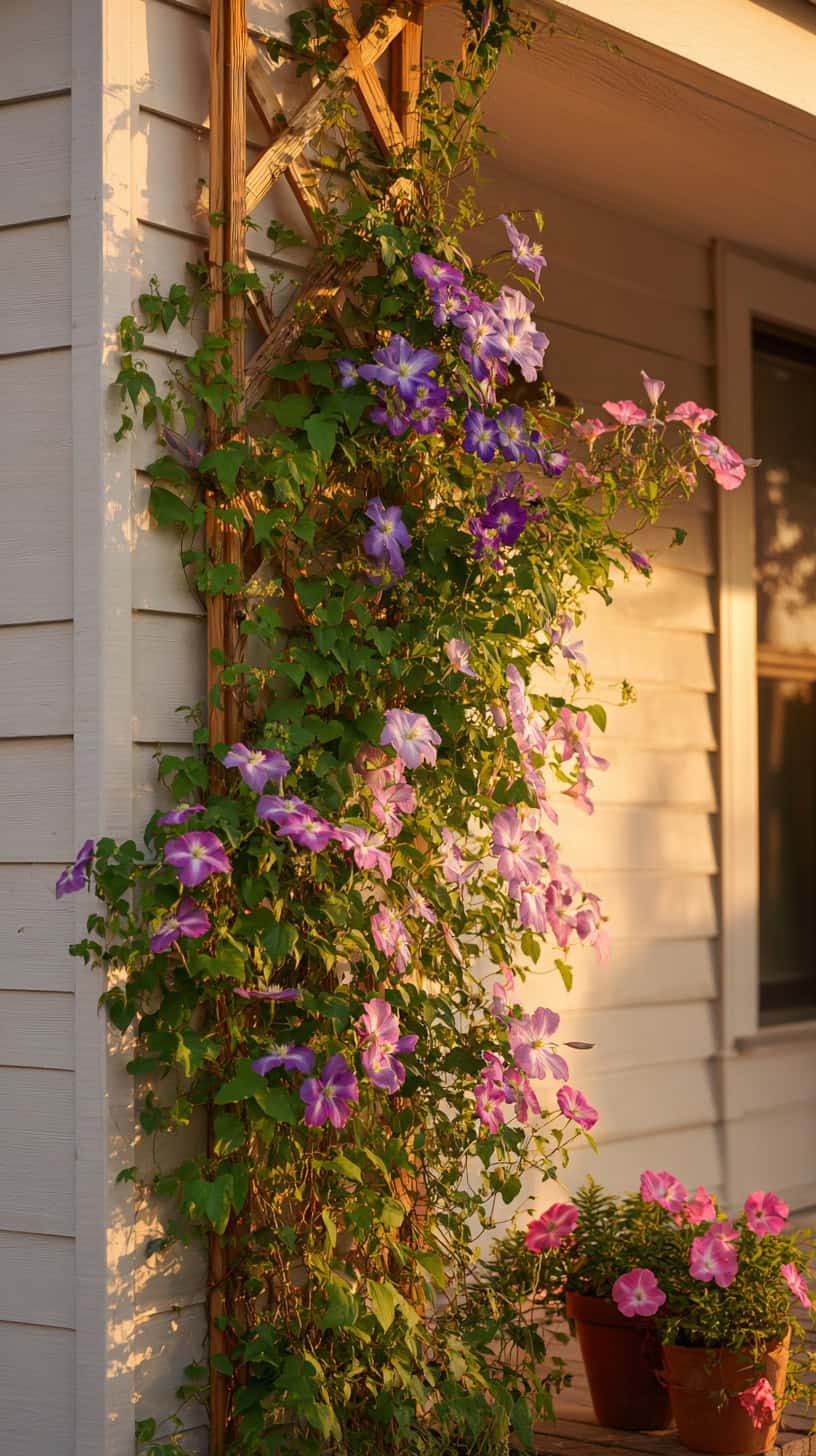
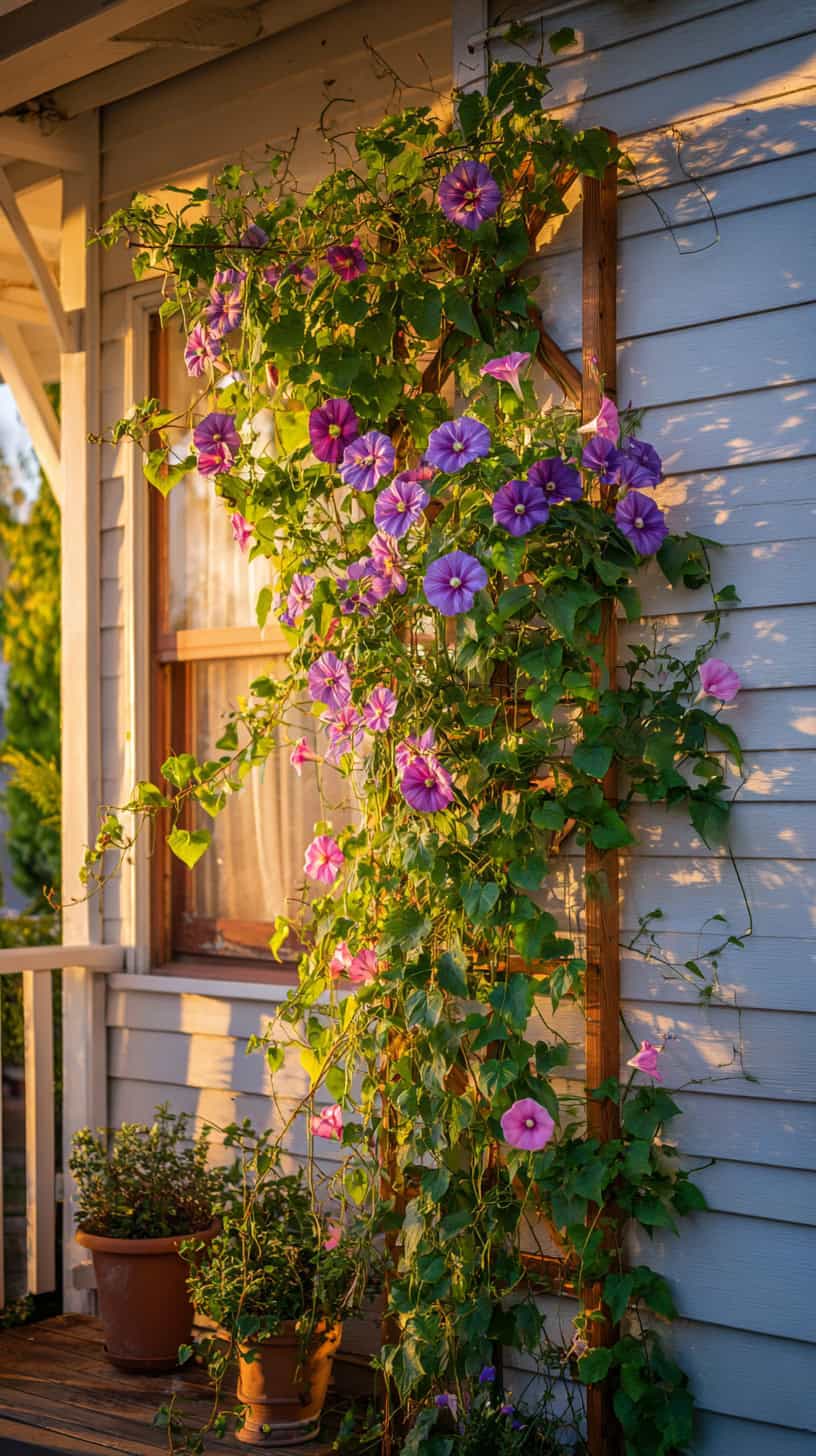
One of my absolute favorite discoveries was vertical gardening. If you’re working with limited space or just want to add visual interest without taking up precious ground area, vertical gardens are your new best friend. We installed a simple trellis system against our porch wall for less than thirty dollars, and it completely transformed that bare space.
Climbing plants like clematis, morning glories, and sweet peas grow upward instead of outward. They’re perfect for small front yards where every square foot counts. You can find affordable trellises at home improvement stores, or get creative and make your own from bamboo stakes or reclaimed wood. My daughter helped me paint ours a cheerful blue that matches our shutters.
Hanging planters also count as vertical gardening, and they’re incredibly budget-friendly. We picked up some basic plastic pots on clearance and spray-painted them in coordinating colors. Filled with cascading petunias and trailing ivy, they add dimension and color at eye level. The whole setup cost less than fifty dollars and gets compliments every single day!
Another vertical trick we love is using old pallets. Yes, those wooden shipping pallets! Sand them down, give them a coat of outdoor stain, and lean them against a wall or fence. Tuck small potted herbs or succulents into the slats. It’s rustic, charming, and costs next to nothing. This is one of those simple easy front yard landscaping ideas that delivers maximum impact with minimal investment.
Low Maintenance Landscape Ideas: Layered Plants That Last
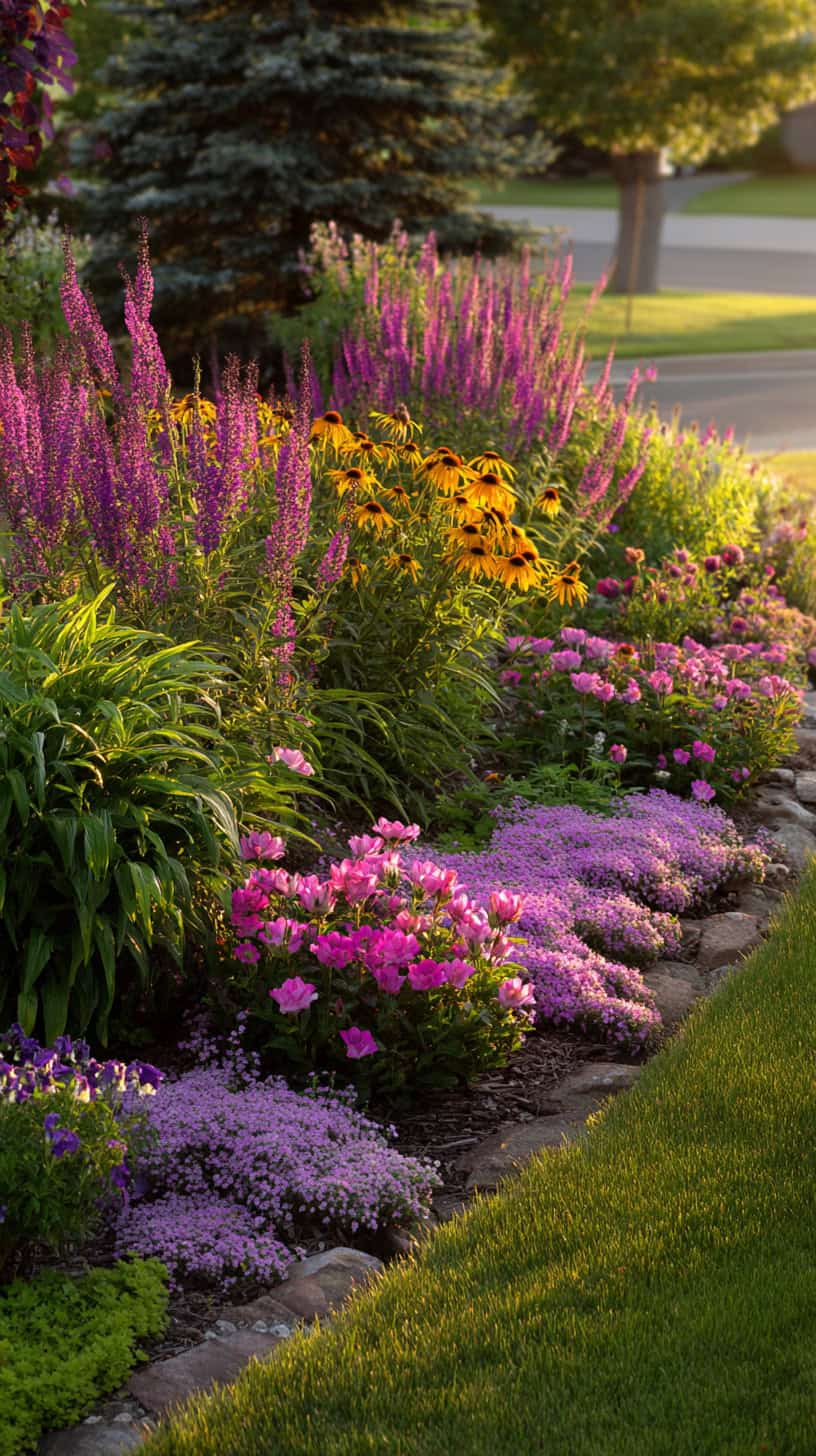
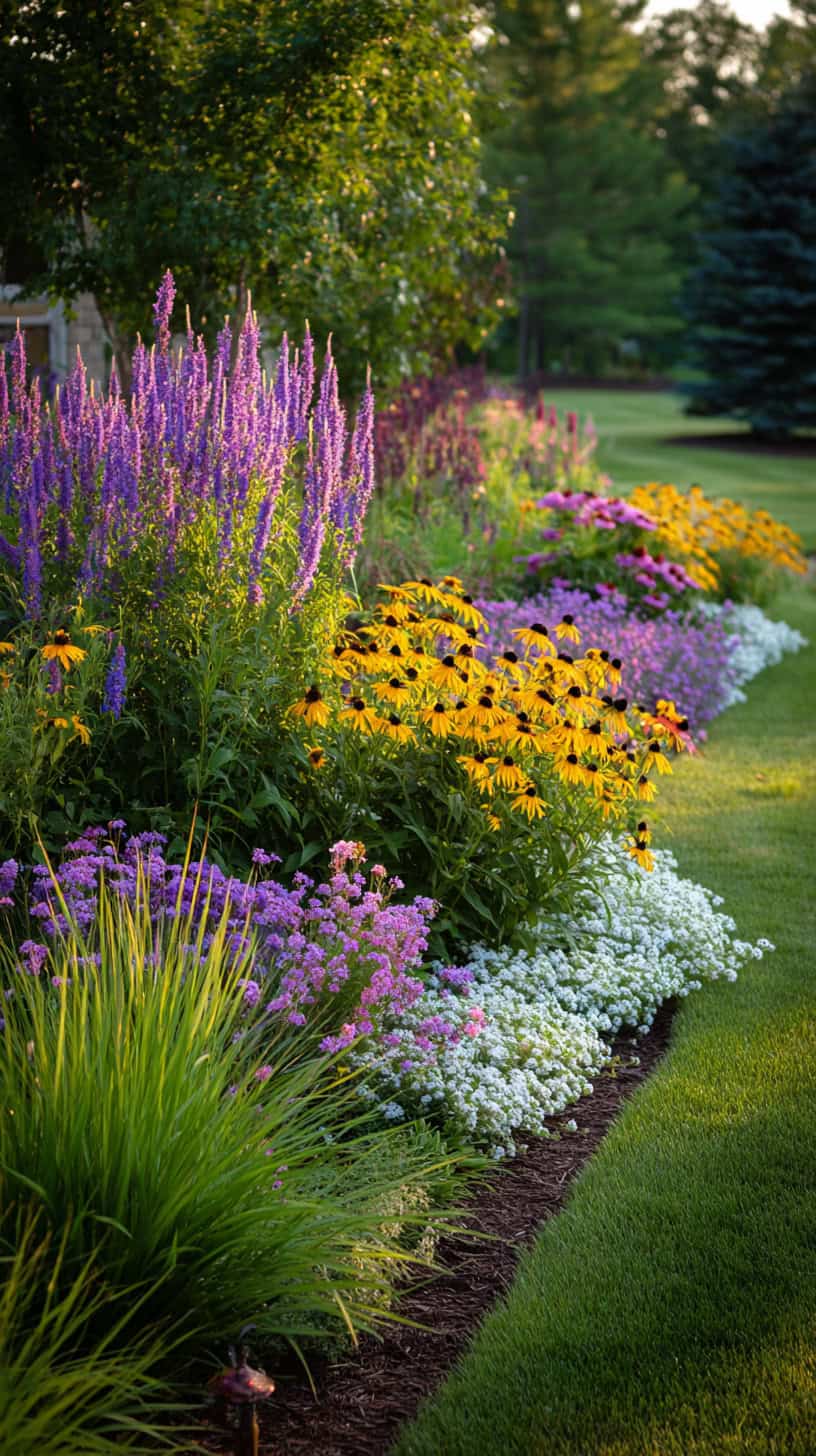
After our first summer of constant watering and deadheading, I realized we needed a smarter approach. Low maintenance landscape ideas became my obsession because who wants to spend every weekend slaving away in the yard? Not this mama! That’s when I discovered the magic of layered planting with perennials.
Layering means planting in height order, with taller plants in back and shorter ones in front. Sounds simple, right? But it creates this professional, dimensional look that makes your beds appear fuller and more intentional. We used tall Russian sage and ornamental grasses in back, mid-height coneflowers and black-eyed Susans in the middle, and low-growing sedum and creeping thyme up front.
The brilliant thing about choosing perennials is they come back year after year. You plant them once, and they keep giving. Sure, annuals are pretty, but buying new flowers every single spring adds up fast. Perennials are genuinely cheap yard ideas in the long run because you’re not constantly replacing plants. Plus, many perennials spread and multiply, so you’ll actually have more plants each season without spending another dime!
Here are my favorite low-maintenance perennials that look amazing:
- Daylilies – practically indestructible and bloom for weeks
- Hostas – perfect for shady spots and need almost no care
- Lavender – smells divine and attracts butterflies
- Ornamental grasses – add movement and texture year-round
- Sedums – drought-tolerant and gorgeous in fall
These plants basically take care of themselves once established. A little water during dry spells and maybe some spring cleanup, and you’re done. That’s my kind of gardening!
Backyard Diy Landscaping Ideas On A Budget: Mulch Magic
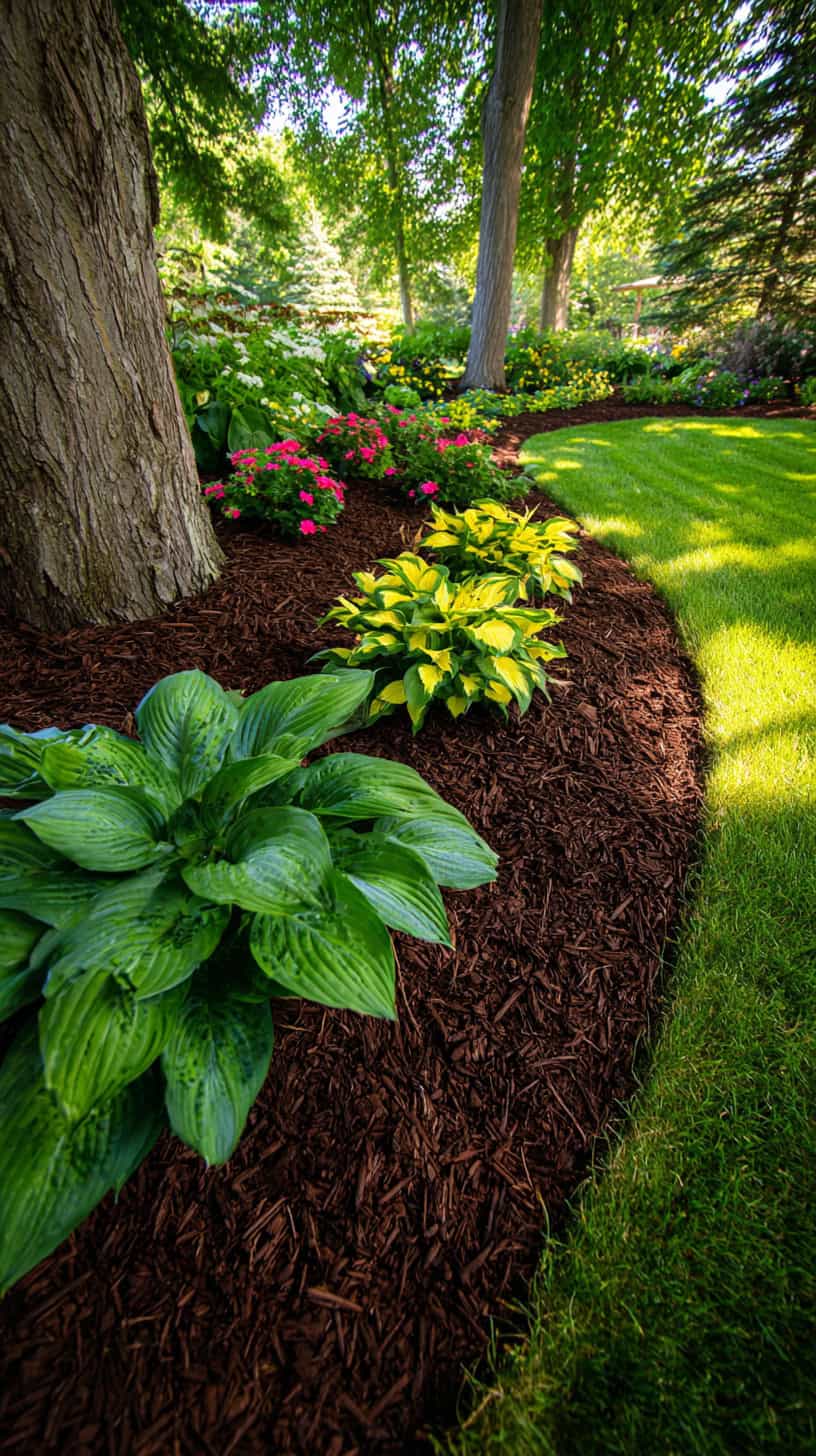
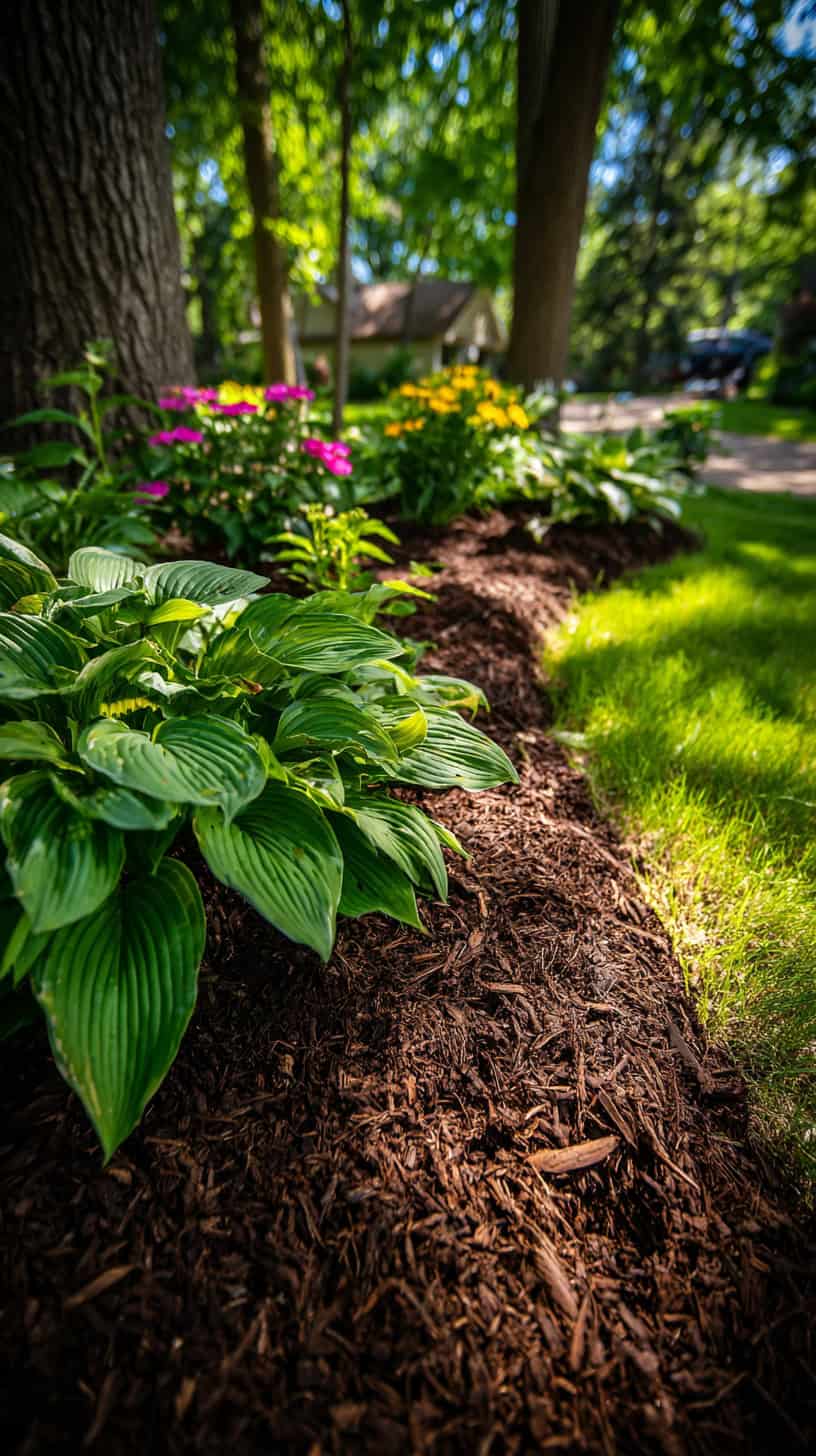
Can we talk about mulch for a minute? Because this stuff is absolutely magical for your budget and your yard’s appearance. When we first spread fresh mulch across our flower beds, I couldn’t believe the transformation. Everything looked neat, finished, and professionally maintained. The whole yard just pulled together.
Mulch isn’t just pretty though. It serves so many practical purposes that save you time and money. It suppresses weeds, which means less weeding for you. It retains moisture in the soil, which means less watering. It regulates soil temperature, protecting plant roots from extreme heat and cold. And as organic mulch breaks down, it actually improves your soil quality. All these benefits for maybe a hundred dollars worth of material!
You have several mulch options depending on your budget and style preferences. Shredded hardwood bark looks natural and breaks down slowly. Pine straw works beautifully in acidic-loving plant beds and costs less than bark. Cocoa hull mulch smells like chocolate when it rains, which is delightful! My personal favorite though? Free wood chips from local tree trimming companies.
Yes, free! Many tree service companies are happy to dump a load of fresh wood chips in your driveway because it saves them the disposal fee. You just need to spread it yourself. We got enough mulch to cover our entire backyard for absolutely nothing except our labor. That’s what I call backyard diy landscaping ideas on a budget!
Pro tip: Apply mulch about three inches deep around plants, but keep it a few inches away from stems and trunks. You don’t want moisture trapped against the plant, which can cause rot. Refresh your mulch every year or two to keep that clean, polished look.
Cheap Yard Ideas: Bulb Planting with the Kids
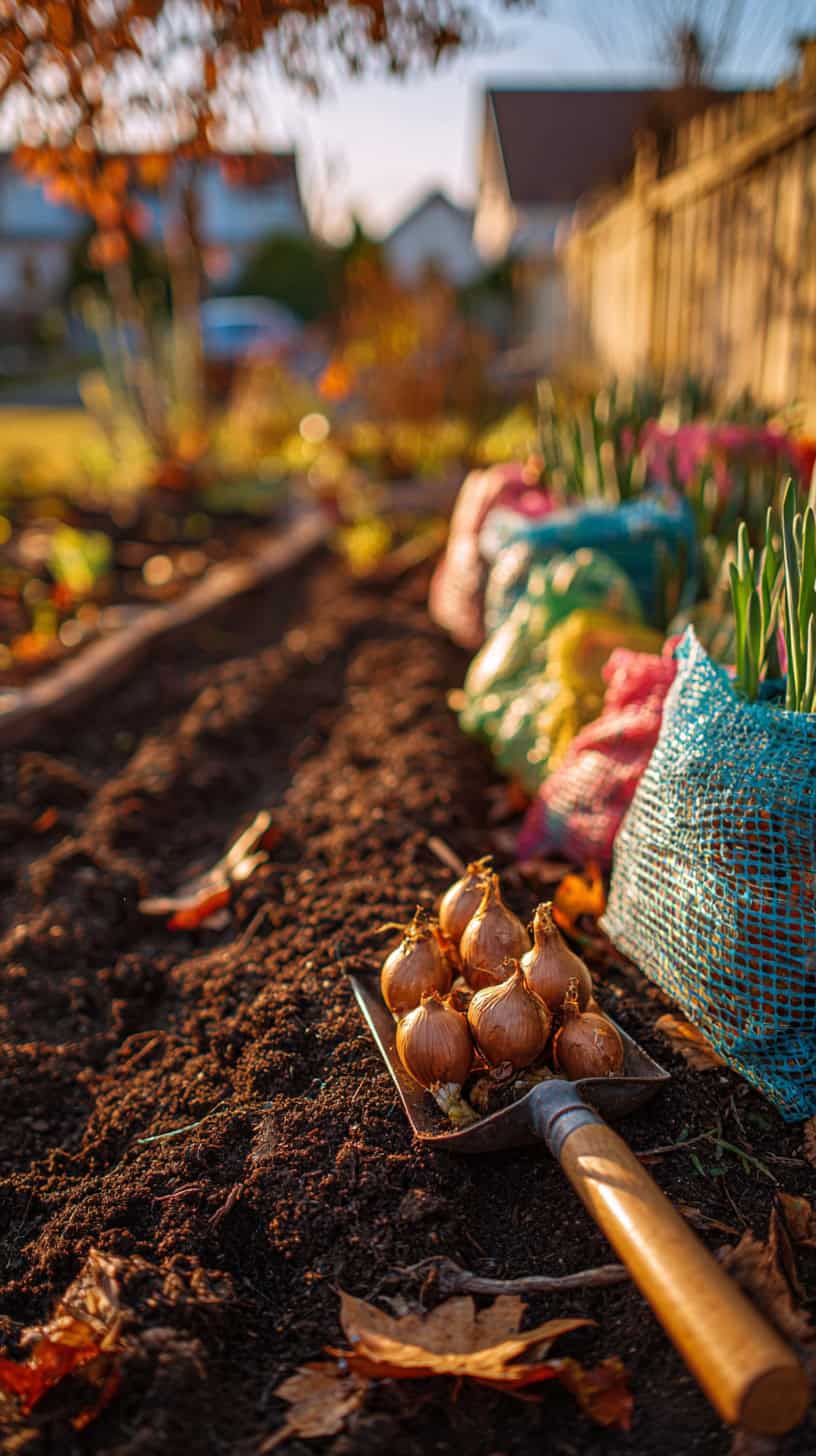
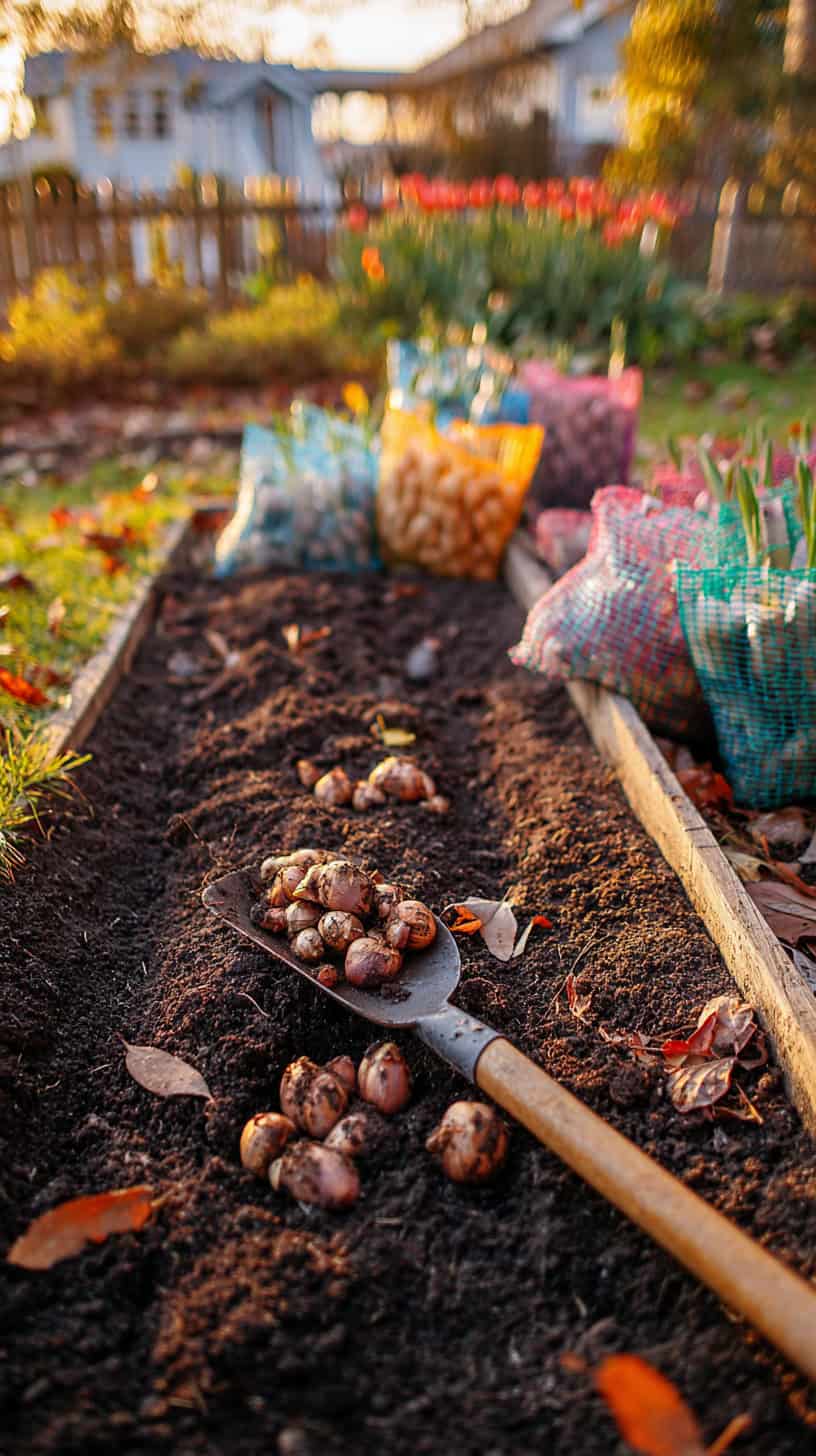
Fall bulb planting became our family tradition, and it’s one of the most rewarding cheap yard ideas we’ve discovered. There’s something almost magical about tucking these little brown bulbs into the cold ground, then watching them emerge as gorgeous flowers months later. My kids think it’s like buried treasure that blooms!
Bulbs are incredibly affordable, especially if you buy in bulk. We ordered bags of fifty daffodil bulbs and fifty tulip bulbs online for less than what you’d pay for two potted plants at a garden center. Spring-blooming bulbs like daffodils, tulips, crocuses, and hyacinths are all budget-friendly options that deliver stunning color right when you need it most.
Planting bulbs is genuinely simple enough for kids to help. My seven-year-old can dig the holes with a trowel, drop in the bulb pointy-end-up, and cover it with soil. We make an afternoon of it with hot cocoa and music playing. It’s quality family time that also beautifies our yard. Win-win!
Here’s our family’s bulb planting strategy:
- Plant in clusters of at least ten bulbs for visual impact
- Mix different bloom times so color lasts longer
- Tuck bulbs under deciduous trees where spring sun reaches
- Let the kids choose some varieties for ownership and excitement
- Mark where you planted so you don’t accidentally dig them up
The absolute best thing about bulbs? Most of them naturalize, meaning they multiply and spread on their own. Those fifty daffodils we planted three years ago have turned into hundreds. Our spring yard looks like a professional display, and we haven’t bought new bulbs since that first investment. Talk about diy affordable landscaping ideas that keep giving!
Diy Affordable Landscaping Ideas: Shallow Root Wonders
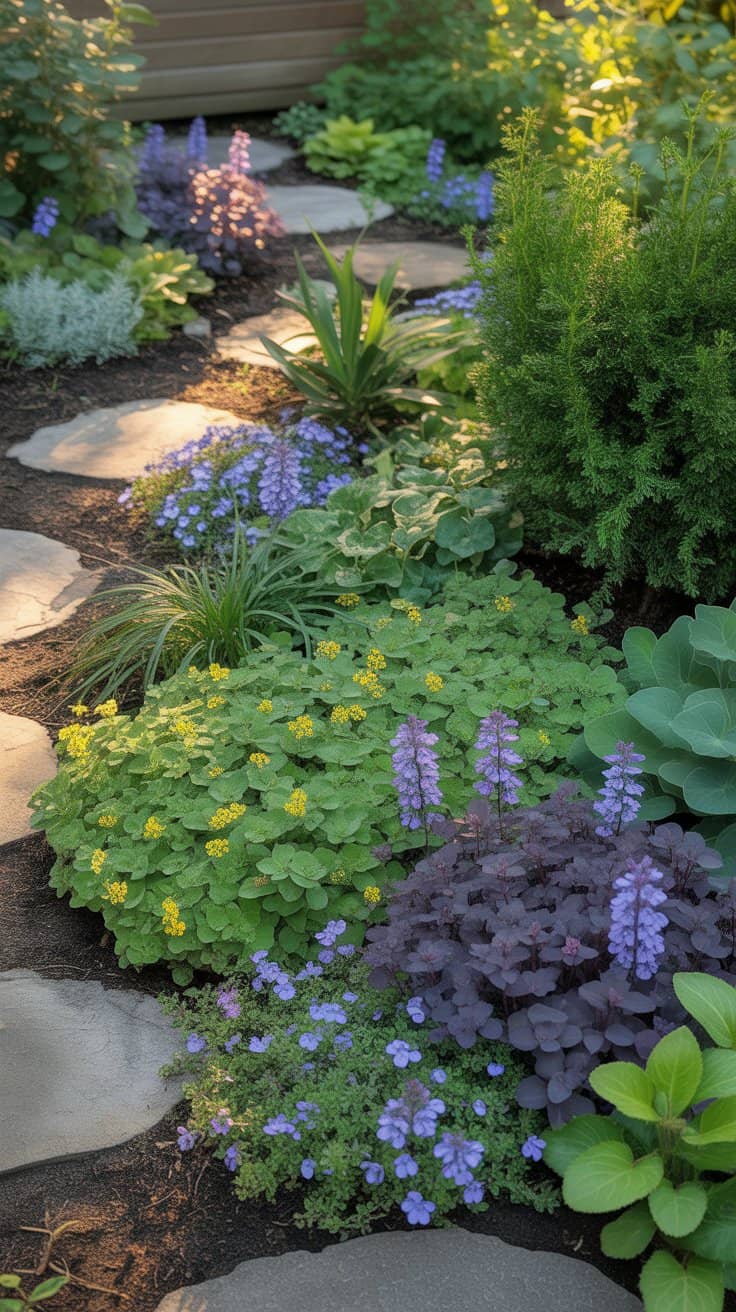
I learned this landscaping hack from my neighbor, and it changed everything: plant shallow-rooted groundcovers between your feature plants. These low-growing plants spread across the soil surface, filling in gaps and creating that lush, established look much faster than waiting for larger plants to mature.
Shallow root wonders like creeping jenny, ajuga, and vinca minor cost just a few dollars per plant but spread quickly to cover large areas. They’re perfect for those awkward spaces between stepping stones, along pathway edges, or filling in around larger shrubs. We planted six small pots of creeping jenny two summers ago, and now it’s cascading beautifully across an entire section of our front bed.
These groundcovers also solve the weed problem naturally. Once they establish and fill in, weeds simply can’t compete for space and sunlight. You end up with a living mulch that’s green, attractive, and basically maintenance-free. It’s so much better than staring at bare soil or constantly pulling weeds!
Another benefit I didn’t expect? Many groundcovers bloom! Our ajuga produces gorgeous purple flower spikes in spring. The vinca has delicate blue flowers scattered throughout the plants. Even the creeping jenny has tiny yellow blooms. These little pops of color add interest without any extra effort or expense on our part.
When choosing groundcovers, make sure you understand how aggressively they spread. Some, like English ivy, can become invasive and take over everything. Ask at your local nursery which varieties work well in your climate and won’t bully other plants. You want enthusiastic spreaders, not garden thugs!
Front Yard Makeover On A Budget: Ditch the Dated Shrubs
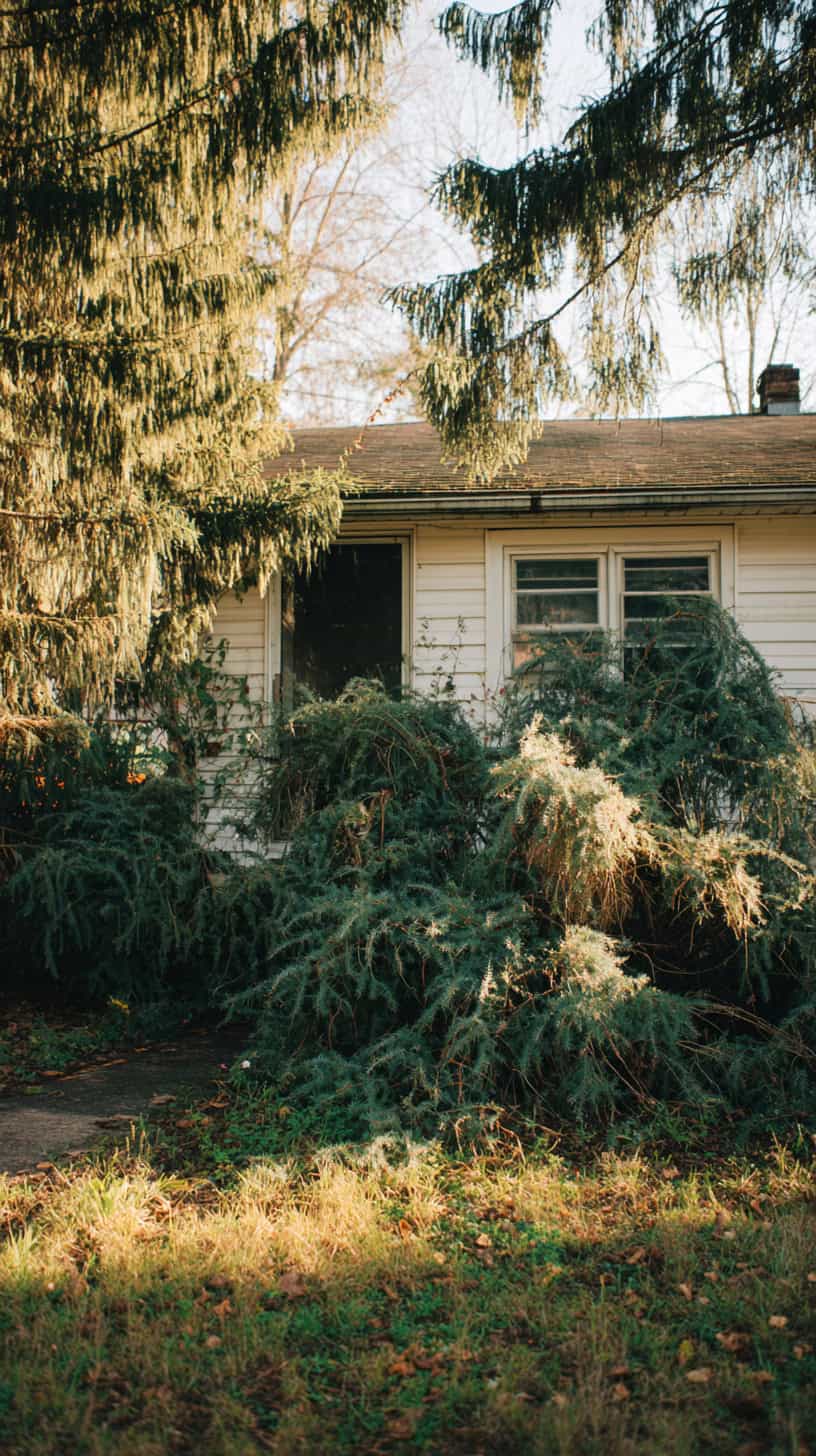
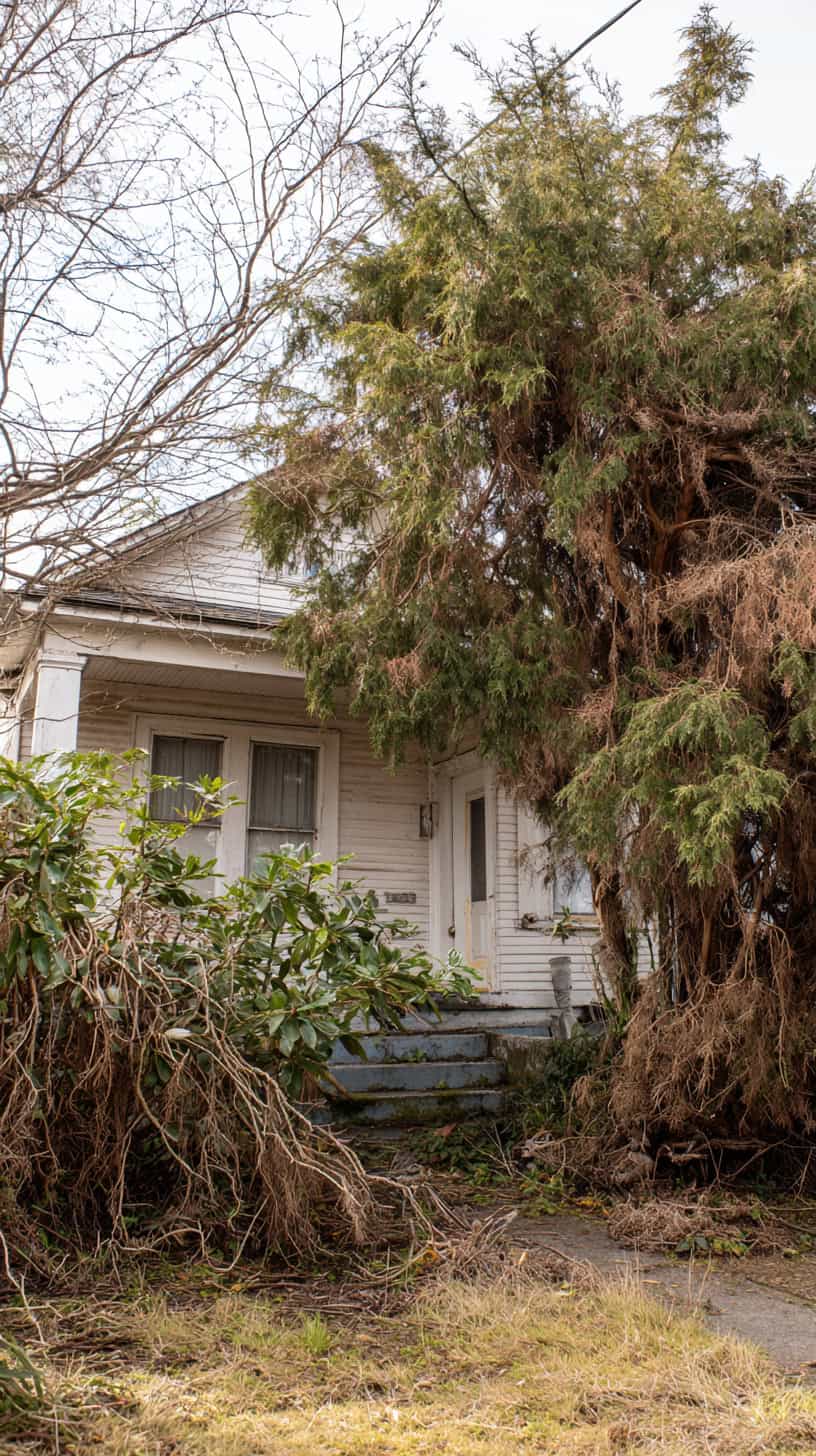
We had these massive, overgrown junipers across our entire front foundation. They were probably planted in the eighties and never properly maintained. They blocked our windows, looked shaggy and sad, and honestly made our whole house look dated. But removal and replacement seemed impossibly expensive.
Then I learned that removing old shrubs yourself is totally doable with basic tools and weekend time. We rented a chainsaw for thirty dollars, borrowed a friend’s pickup truck, and spent one Saturday cutting down those monsters. Yes, it was work. Yes, we were sore afterward. But we saved literally thousands of dollars in landscaping labor.
The disposal was free because we posted on social media offering the cut branches for firewood or brush piles. Three different neighbors came and hauled it all away within two days. People love free stuff, even if it’s just garden debris! This is the kind of creative problem-solving that makes front yard makeover on a budget actually possible.
Replacing those shrubs with smaller, more modern options transformed our home’s curb appeal dramatically. We chose compact varieties that won’t outgrow their space: dwarf boxwoods, small hydrangeas, and a few ornamental grasses. The total cost for new plants was around two hundred dollars, compared to the three-thousand-dollar quote we got from a landscaping company for the complete job.
If cutting down large shrubs feels too intimidating, consider just pruning them back hard. Many overgrown shrubs respond well to severe pruning and will regrow with a better shape. Look up proper pruning techniques for your specific shrub variety online. YouTube has fantastic tutorials that walk you through the process step-by-step. Sometimes renovation beats removal!
Simple Easy Front Yard Landscaping Ideas: Deeper Beds for Fun
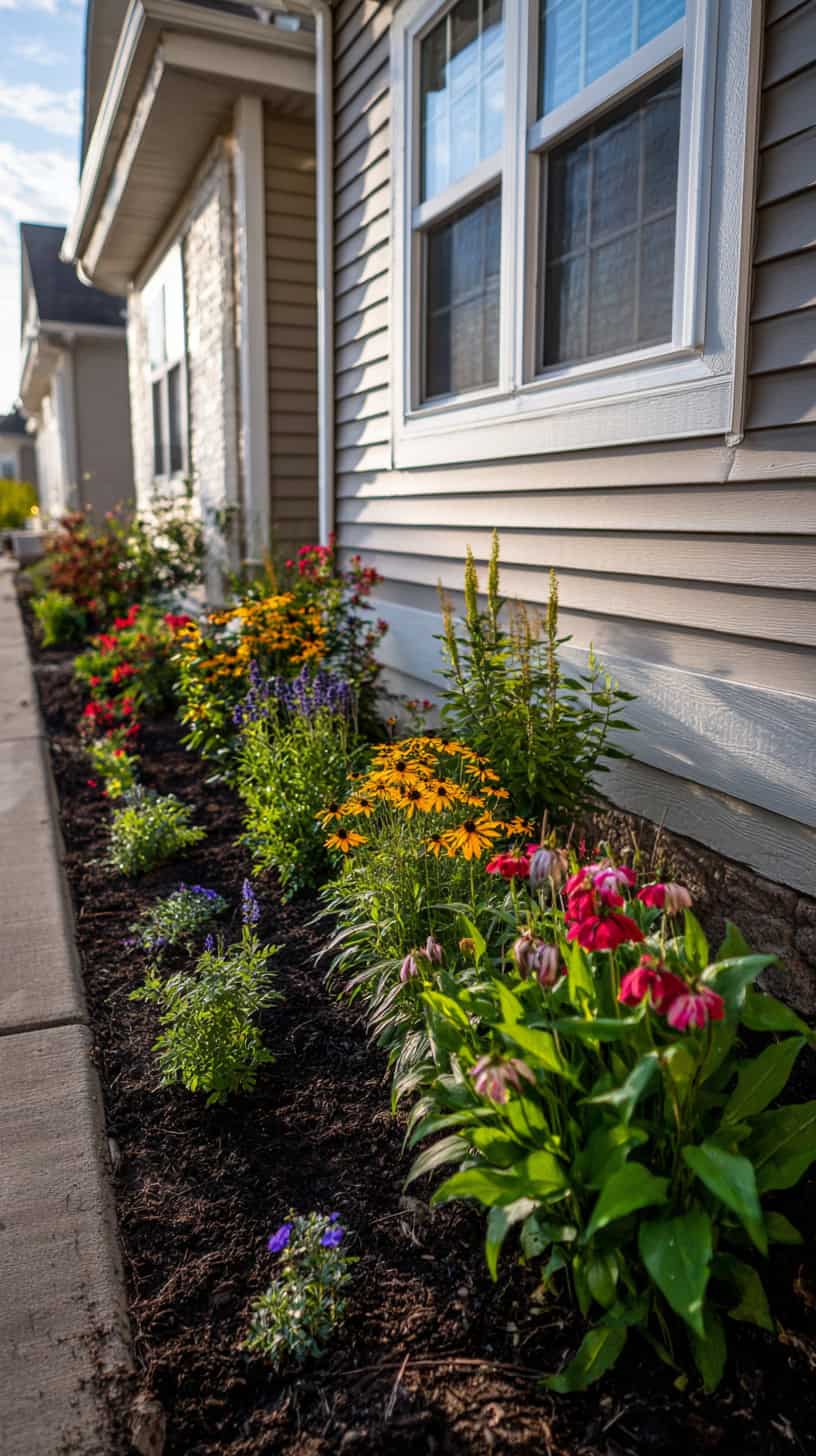
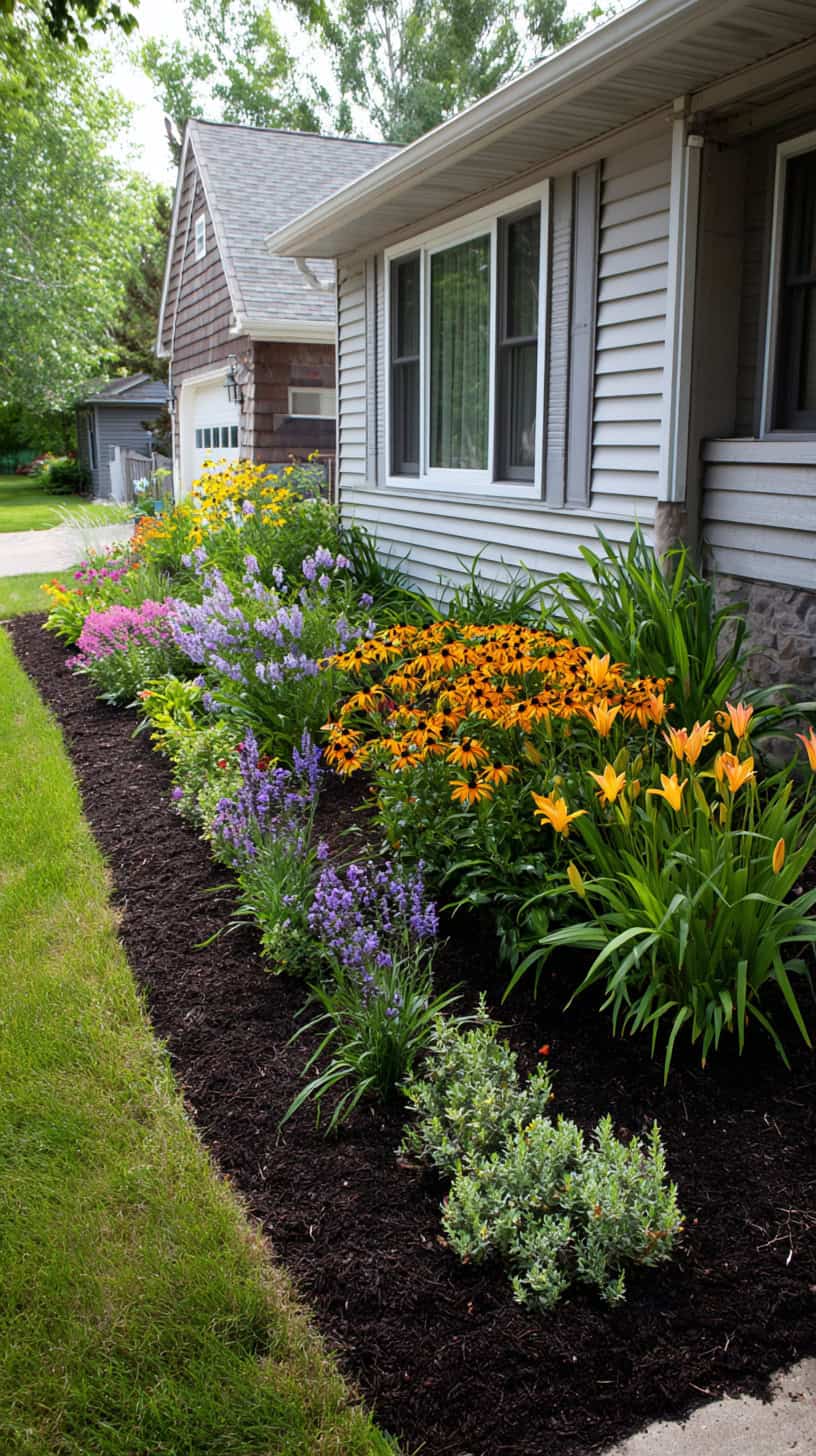
Our original flower beds were maybe twelve inches deep from the house. They looked skinny, pinched, and definitely not impressive. Expanding them to thirty-six inches deep made our entire front yard feel more substantial and designed. This project cost us one weekend and about fifty dollars for extra mulch and a few more plants.
Deeper beds give you room to layer plants properly. You can create that professional front-to-back dimension we talked about earlier. You can also plant more variety, which means more color, more texture, and more visual interest throughout the seasons. Our expanded beds hold twice as many plants as before, but we didn’t spend twice as much because we divided existing perennials and shopped smart.
To expand your beds, you just need a sharp spade and some muscle. Mark out your new edge with spray paint or a garden hose to visualize the shape. Then cut along that line with your spade, removing the grass in sections. You can flip those grass chunks upside down at the back of the bed and they’ll decompose into the soil. Free soil improvement!
Edge your new beds with something simple to keep grass from creeping back in. We used black plastic edging from the hardware store, which was about twenty dollars for a hundred-foot roll. You can also use stones, bricks, or wooden timbers if you prefer that look. The edging creates a clean, finished appearance and makes mowing easier because you’re not constantly trimming around irregular bed shapes.
Deeper beds also give you space for fun elements like garden art, stepping stones, or small decorative features. My daughter painted rocks with cheerful designs and we nestled them throughout the beds. My son arranged some interesting driftwood pieces he collected at the beach. These personal touches make your yard uniquely yours and cost absolutely nothing!
The transformation from narrow, boring beds to deep, lush gardens made our home look completely different. Neighbors kept asking if we hired a professional landscaper. Nope, just a family willing to work together and think creatively! That’s the beauty of simple easy front yard landscaping ideas. They’re accessible to everyone, regardless of experience or budget.
Your yard can absolutely be beautiful without breaking the bank. These inexpensive landscaping ideas prove that creativity, effort, and smart planning matter more than money. Start small, involve your family, and tackle one project at a time. Before you know it, you’ll have a gorgeous outdoor space you’re proud to call home. Trust me, if we can do it, you definitely can too!
This post may contain affiliate links. Read the full disclosure here.