15 Green Raised Garden Beds Ideas For A Fresh Garden Aesthetic
If you’re looking to add a pop of color to your outdoor space while growing fresh veggies, green raised garden beds are where it’s at! These vibrant planters bring such a cheerful vibe to any yard, and they make gardening feel less like work and more like play.
I love adding a fresh, cohesive look to my outdoor space, and I always rely on a powder-coated metal raised garden bed in green that blends beautifully with the landscape while offering long-lasting durability and a polished, modern touch.
Let me share some of my favorite green raised garden bed ideas that’ll transform your growing space into something truly special.
Classic Green Raised Bed
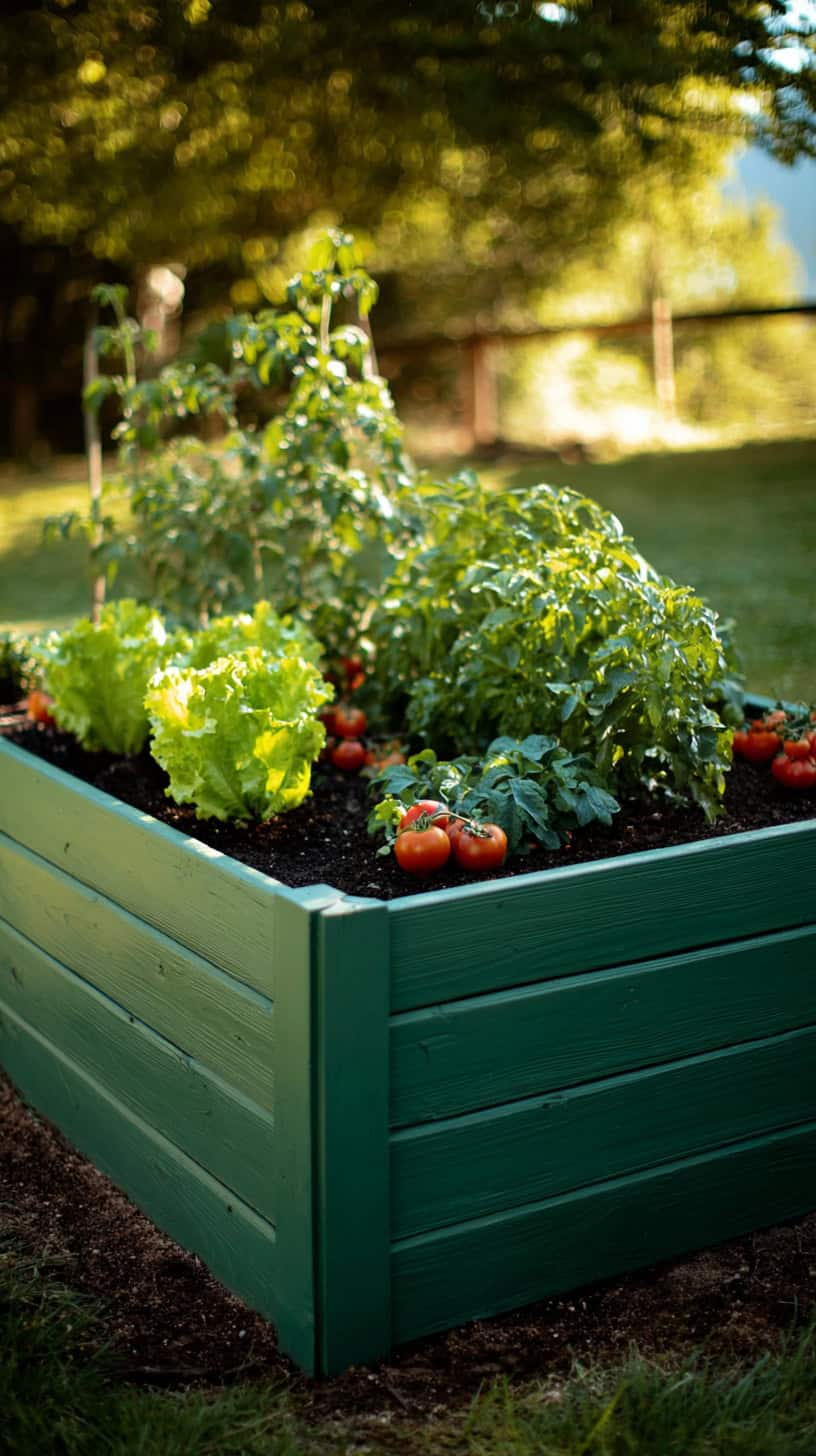
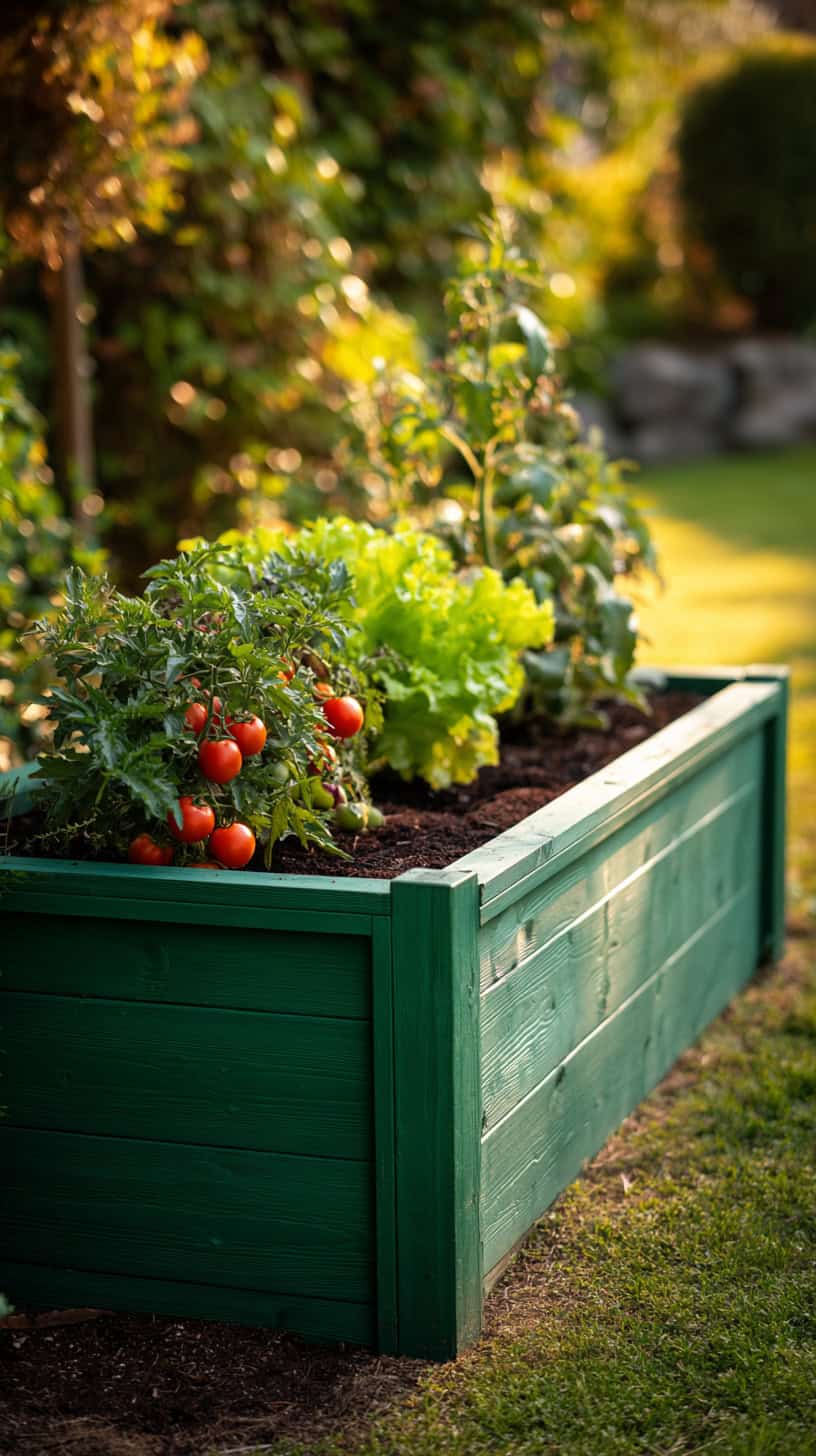
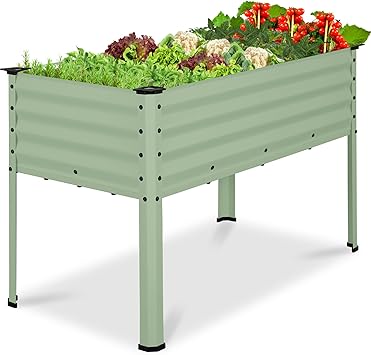
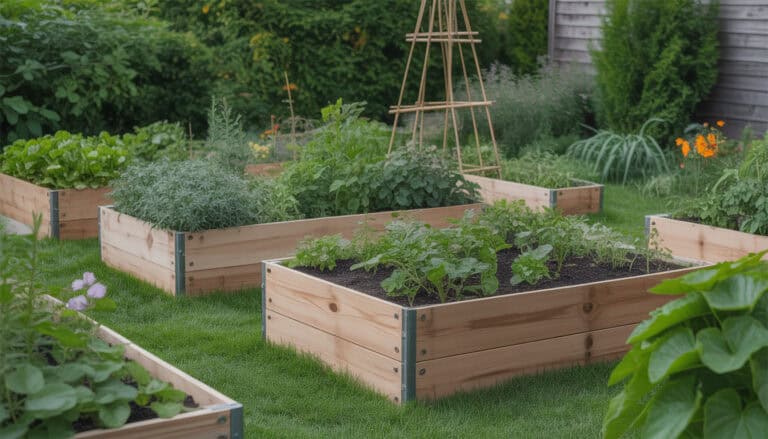
There’s something timeless about a simple rectangular green raised garden bed that just works every single time. I love how this classic design fits into any yard style, whether you’re going for cottage garden vibes or modern minimalism. The beauty here is in the straightforward construction; you can build one yourself using cedar or pine boards painted in your favorite shade of green, or grab a ready-made kit from your local garden center. These vegetable garden beds typically measure about four feet wide and eight feet long, giving you plenty of room to grow tomatoes, lettuce, peppers, and herbs without overwhelming your space. The green color actually helps the bed blend naturally into your landscape while still making a statement. It’s practical, pretty, and perfect for beginners who want to start their gardening journey with something manageable and fun.
DIY Elevated Garden Bed
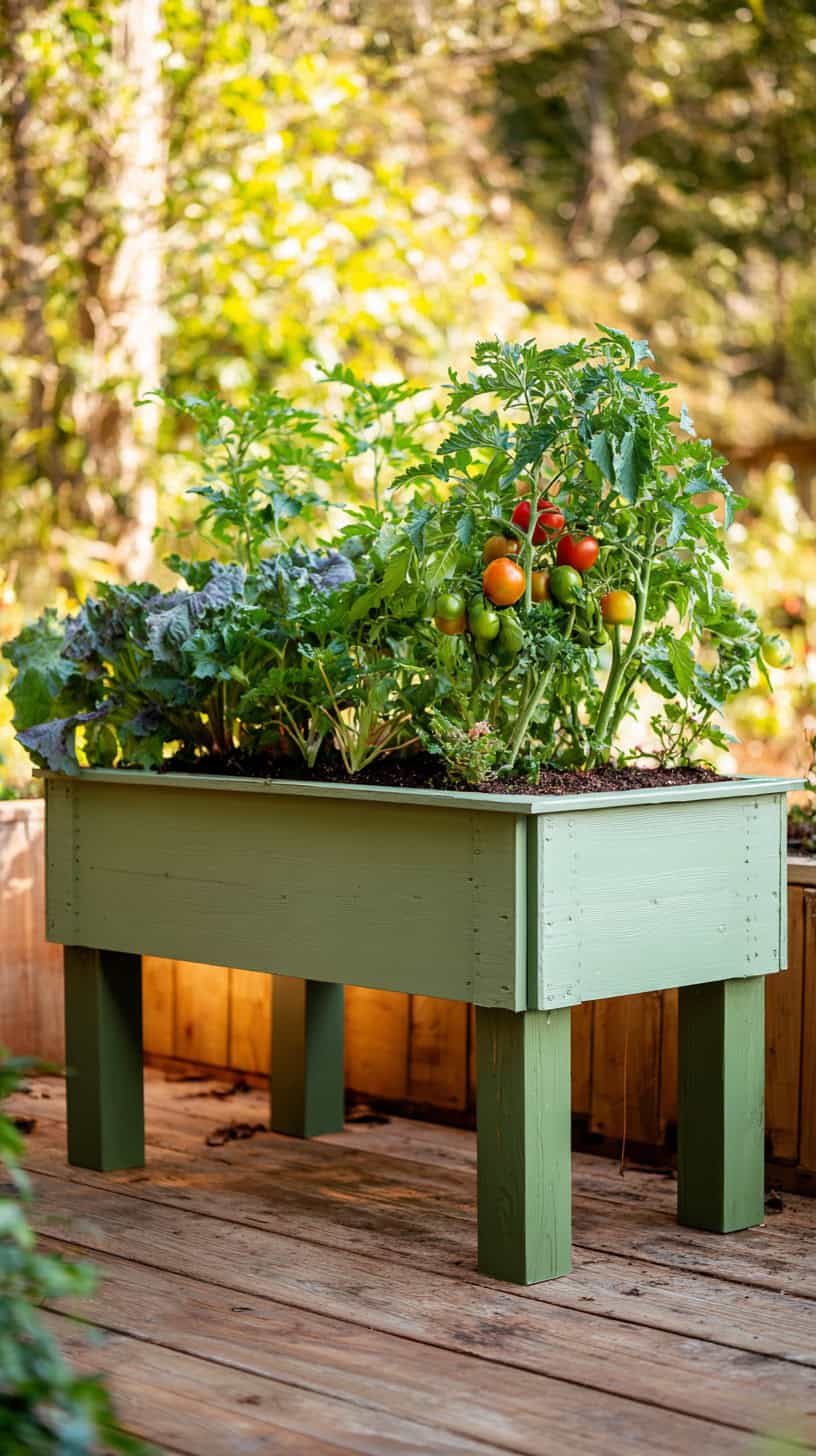
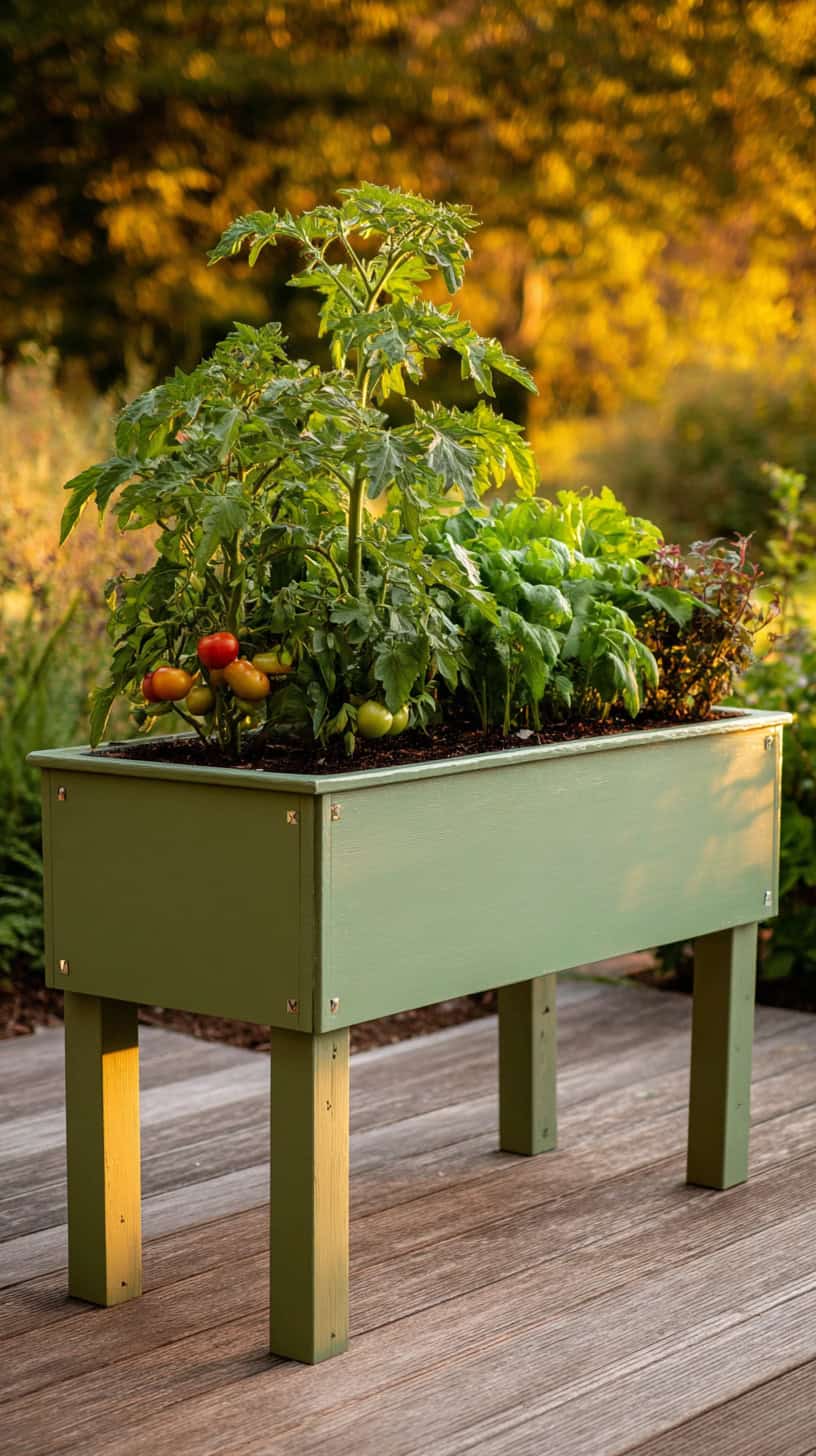
Building a DIY elevated garden bed painted green is one of my absolute favorite weekend projects! These raised beds sit higher off the ground, usually around waist height, which makes gardening so much easier on your back and knees. Trust me, after spending hours bent over traditional gardens, you’ll appreciate the difference. The elevated design also keeps curious pets and critters away from your precious plants. I built mine using 2×4 lumber for the legs and frame, then added a lovely sage green paint that weathers beautifully over time. The best part about DIY elevated garden beds is you can customize the height to suit your needs perfectly. Add a bottom shelf for storing tools and pots, and you’ve got yourself a functional garden station that looks amazing too. These work wonderfully for small vegetable gardens on patios or decks where space is limited.
Potager Garden Design
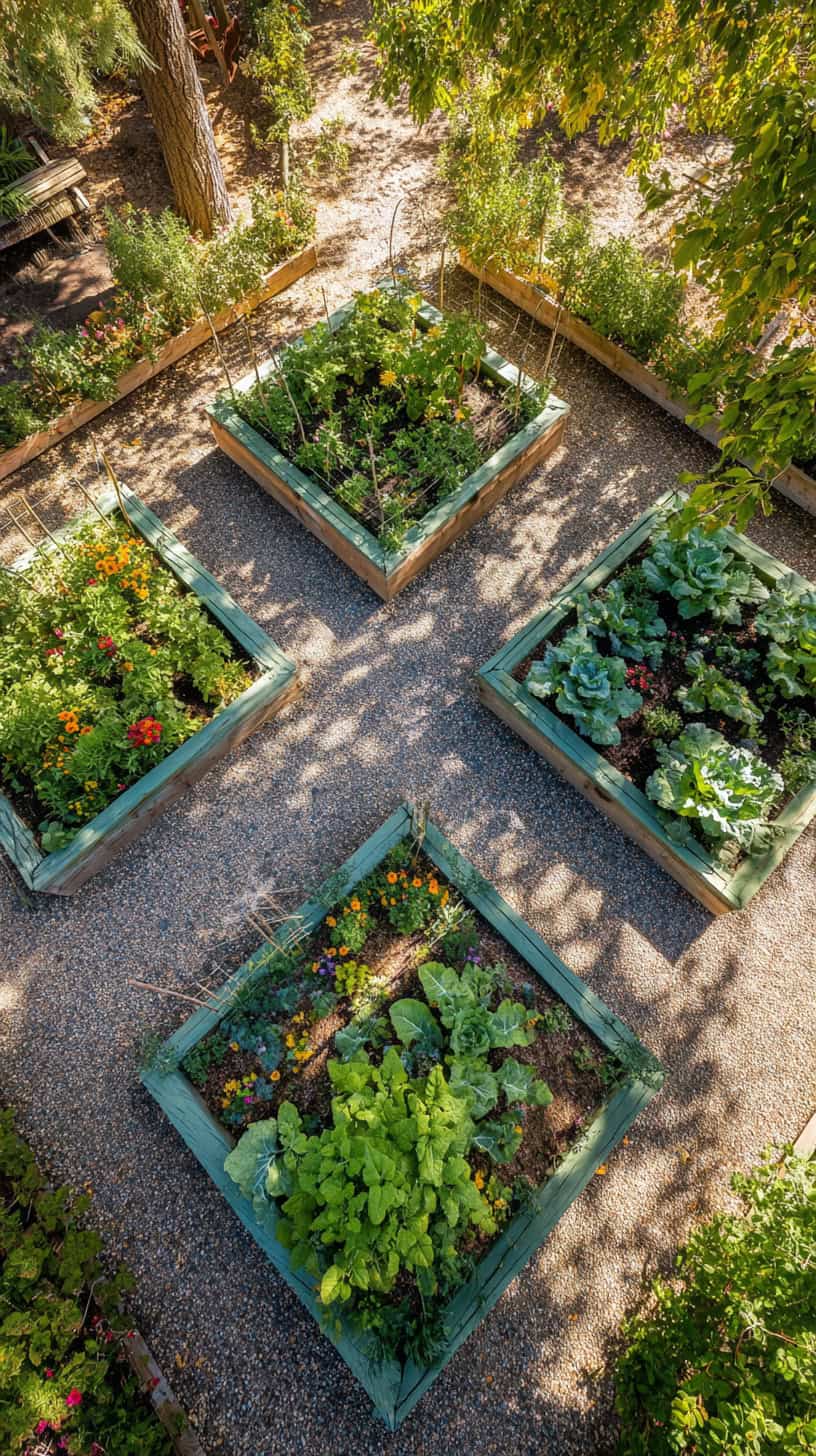
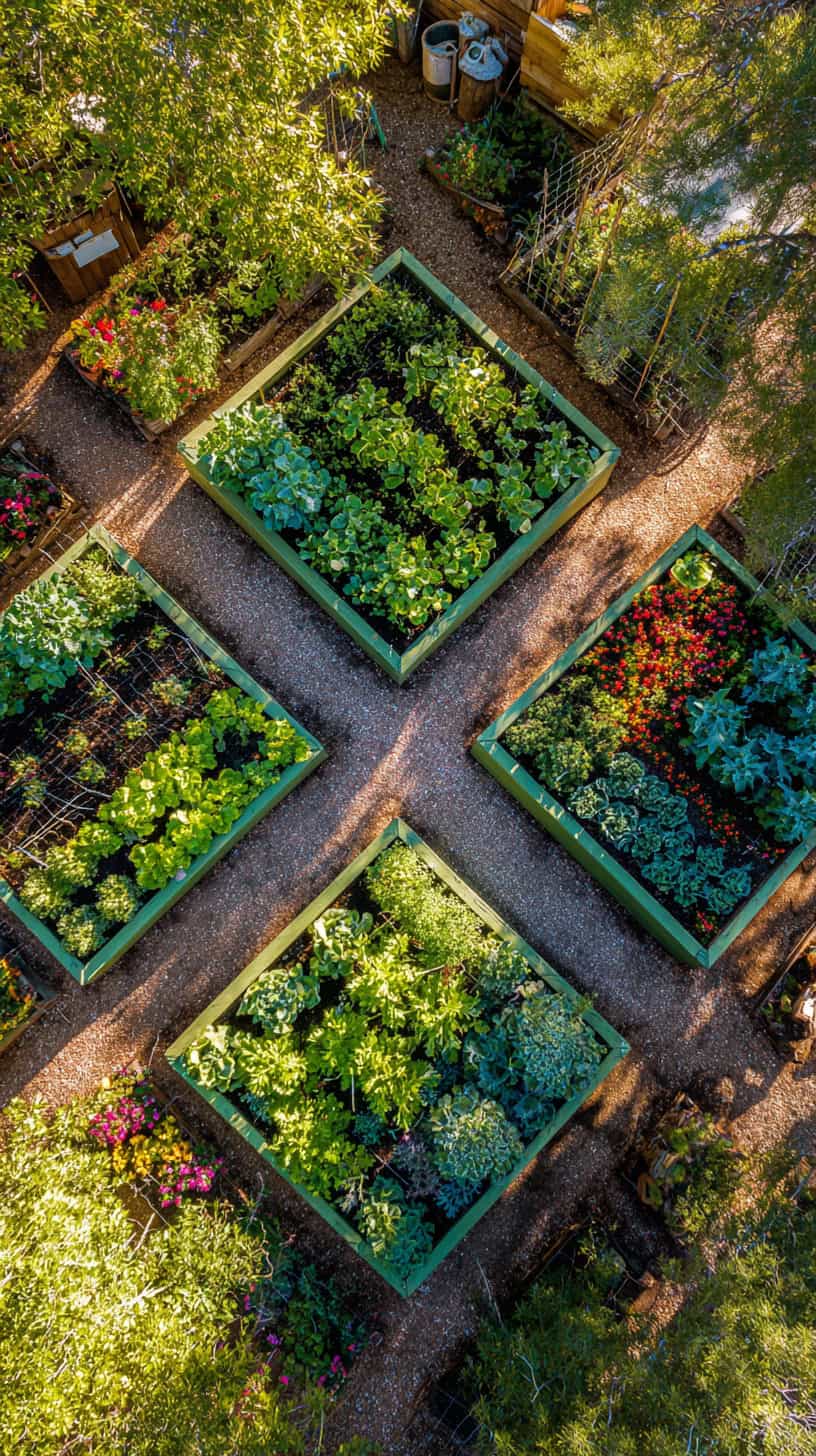
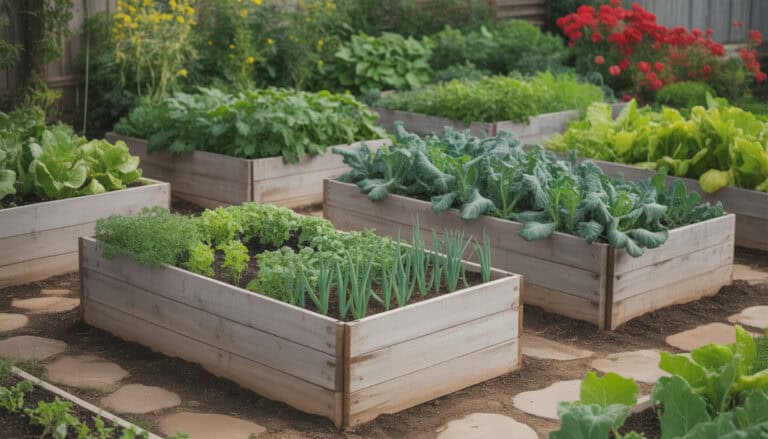
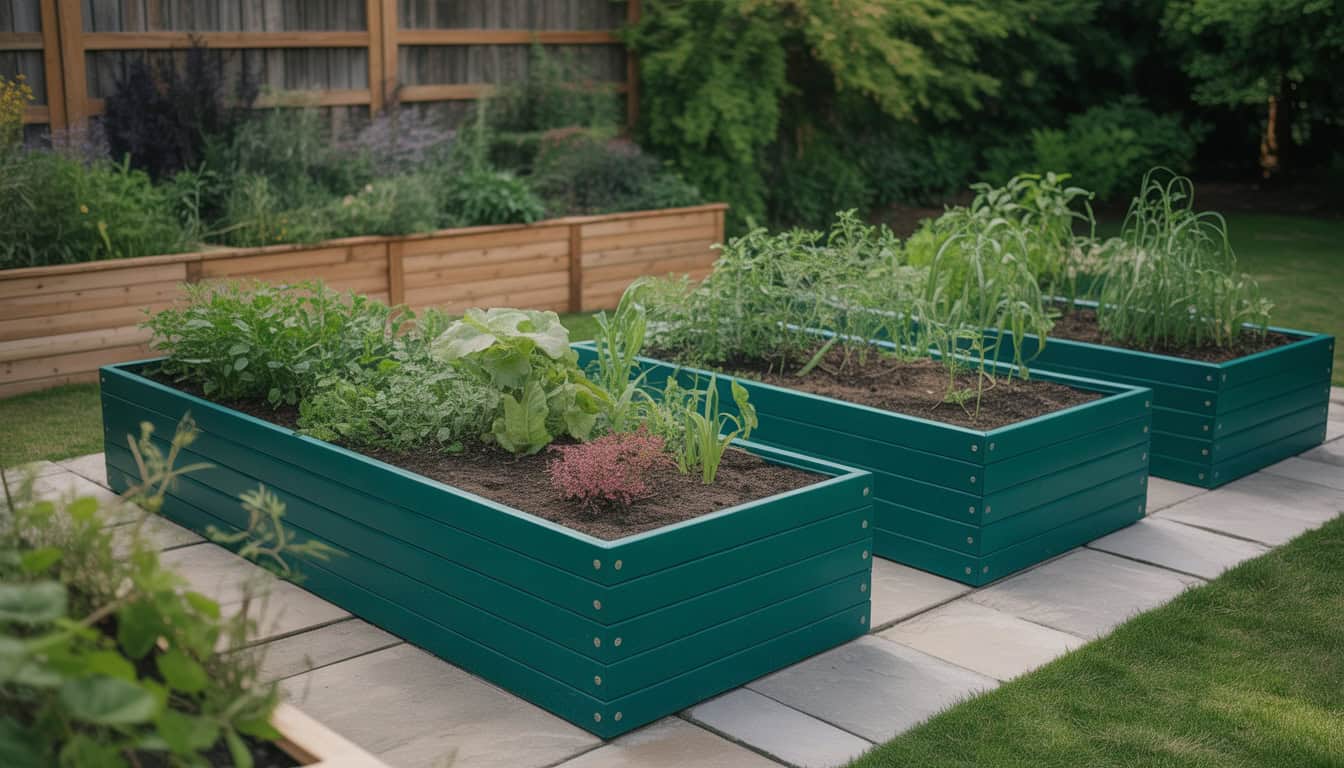
A potager garden brings that gorgeous French countryside feeling right to your backyard, and green raised beds are absolutely essential for nailing this look! This traditional style mixes vegetables, herbs, and flowers together in beautiful geometric patterns that are as pretty as they are productive. I arranged four square green raised garden beds in a symmetrical layout with walking paths between them, creating this lovely organized space that feels both formal and inviting. The key to a successful potager garden is planning your plantings so you have color and texture throughout the entire growing season. Mix frilly lettuce with bold kale, add some marigolds for pops of orange, and tuck in some trailing herbs along the edges. Your green raised beds become the perfect frame for this edible artwork, keeping everything neat and defined while maintaining that classic European charm that makes neighbors stop and stare.
Small Vegetable Garden
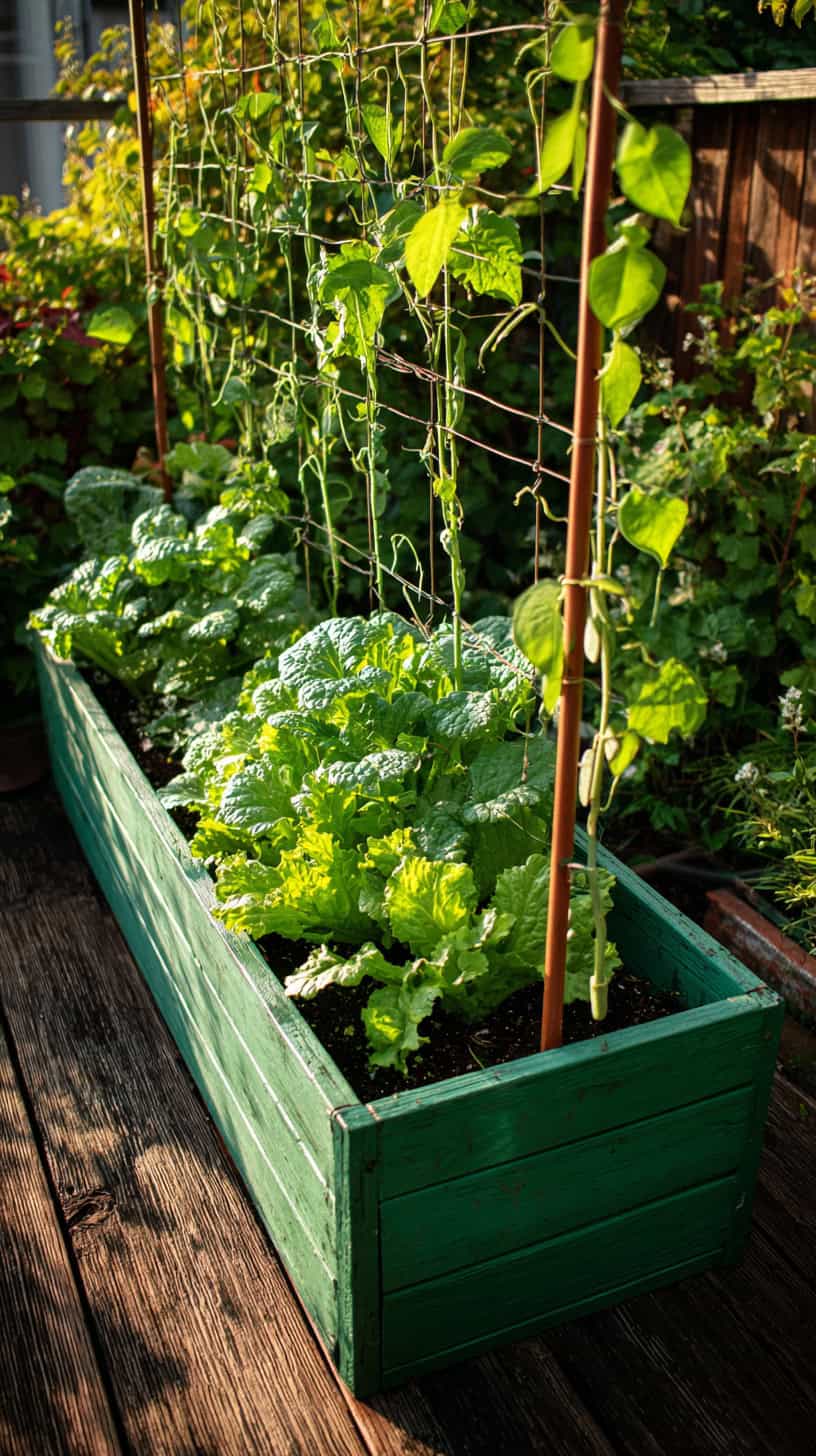
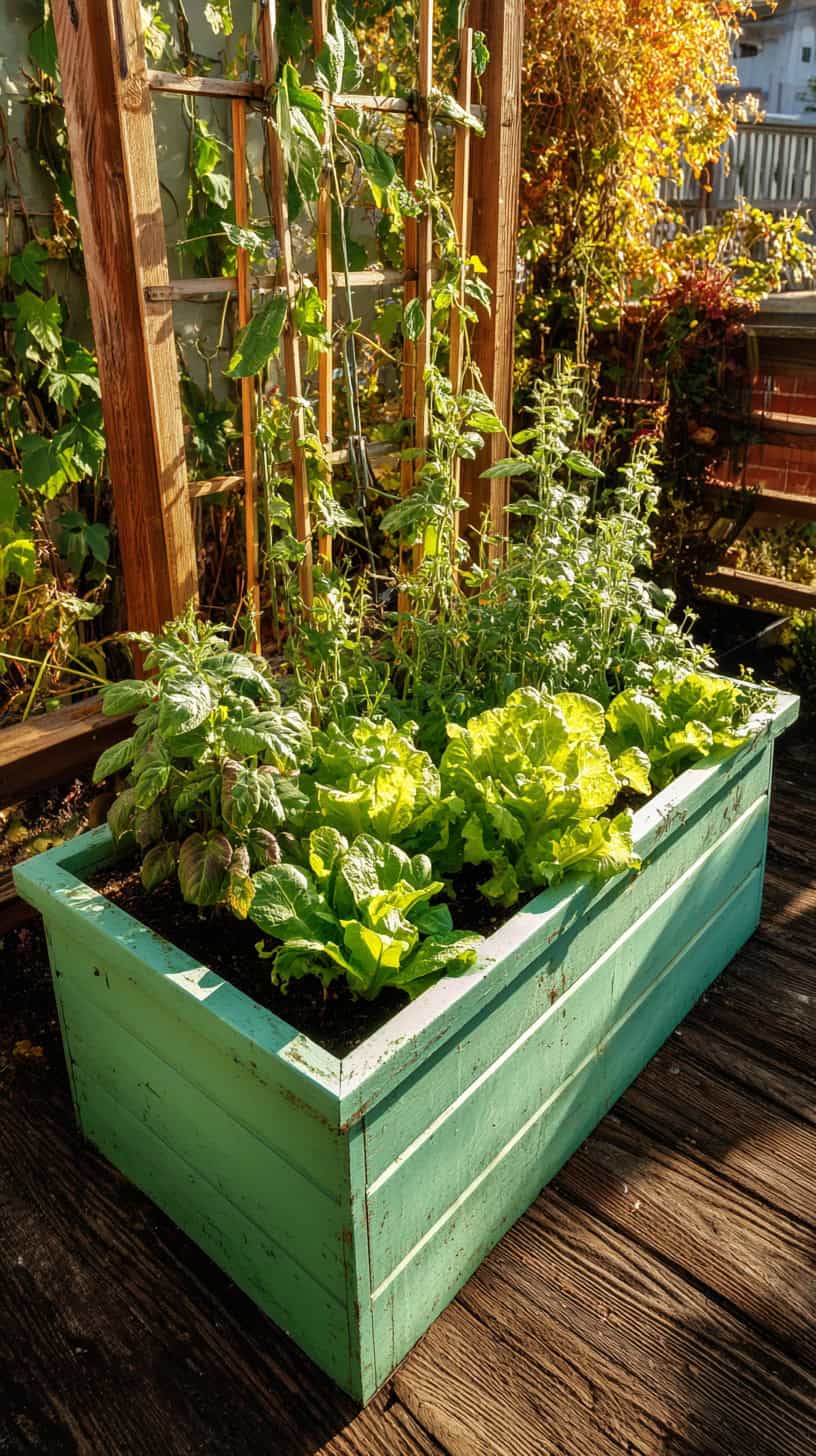
Don’t let limited space stop you from growing your own food; a small vegetable garden in green raised beds is totally doable! I started with just two compact beds measuring three feet by three feet each, and you wouldn’t believe how much I harvested. The trick with small vegetable gardens is choosing plants wisely and using vertical growing techniques whenever possible. Install a simple trellis at the back of your green raised bed for climbing beans, cucumbers, or peas, instantly doubling your growing space without taking up more ground. Pack in quick-growing crops like radishes and lettuce between slower-maturing plants like tomatoes. The raised bed design means you’re working with better soil that drains well and warms up faster in spring, extending your growing season at both ends. These garden beds ideas work perfectly for apartment balconies, tiny backyards, or even sunny side yards where you never thought gardening was possible.
Veggie Garden Corner
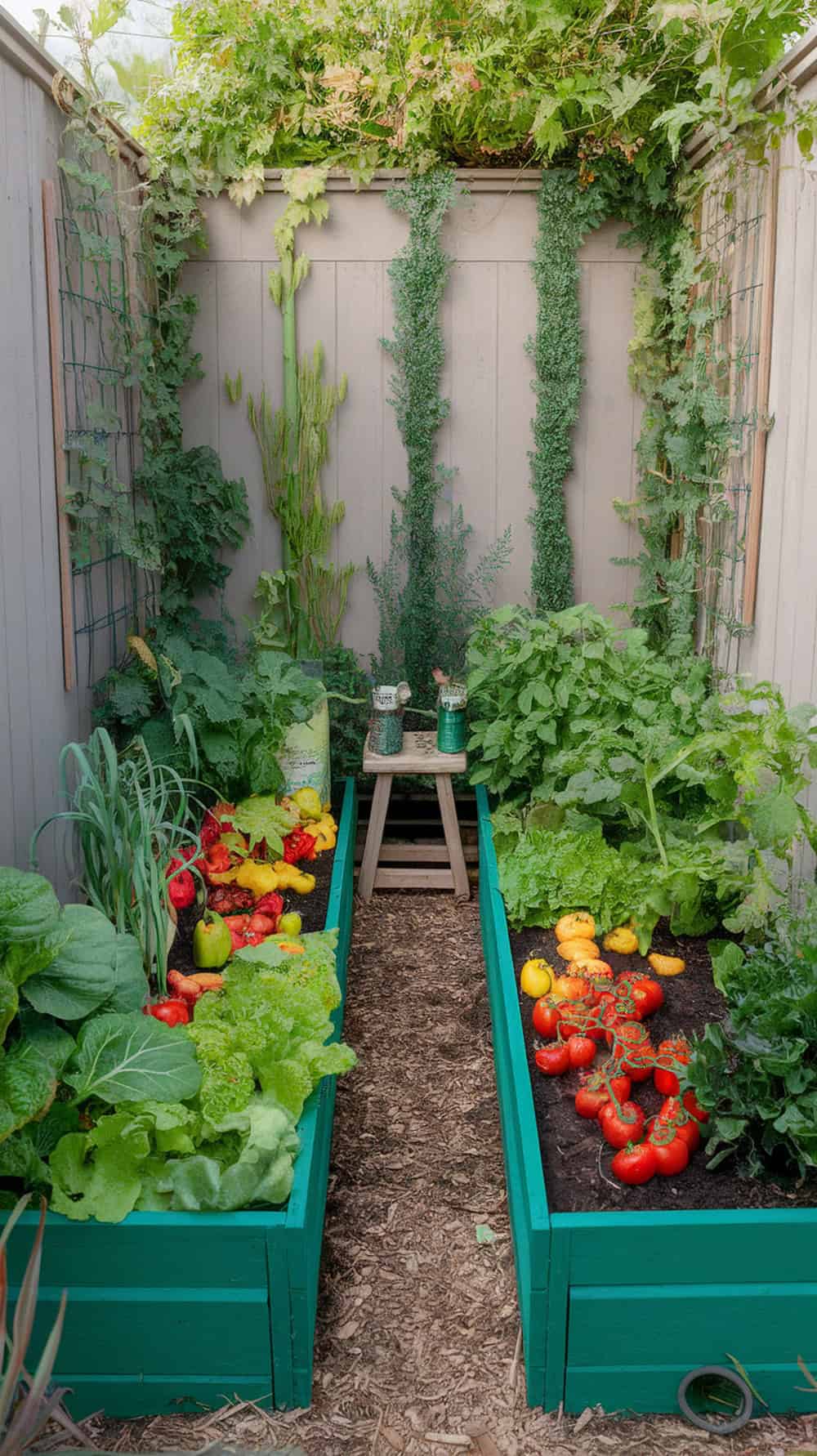
That awkward corner of your yard that never gets used? Transform it into a productive veggie garden corner with strategically placed green raised beds! I discovered this works incredibly well for maximizing space that would otherwise just grow weeds. Build or place two rectangular green raised beds in an L-shape to fit snugly into the corner, creating this cozy little growing nook that feels intentional and designed. The corner placement often provides natural wind protection, which your plants will absolutely love, and you can add a small bench or stool in the middle for comfortable harvesting and maintenance. I planted sun-loving vegetables like tomatoes and peppers on the sunnier side and leafy greens that tolerate some shade on the other. Add some climbing veggie garden ideas by installing vertical supports along the fence or wall, and suddenly that forgotten corner becomes your favorite productive spot in the whole yard.
DIY Garden Beds Easy
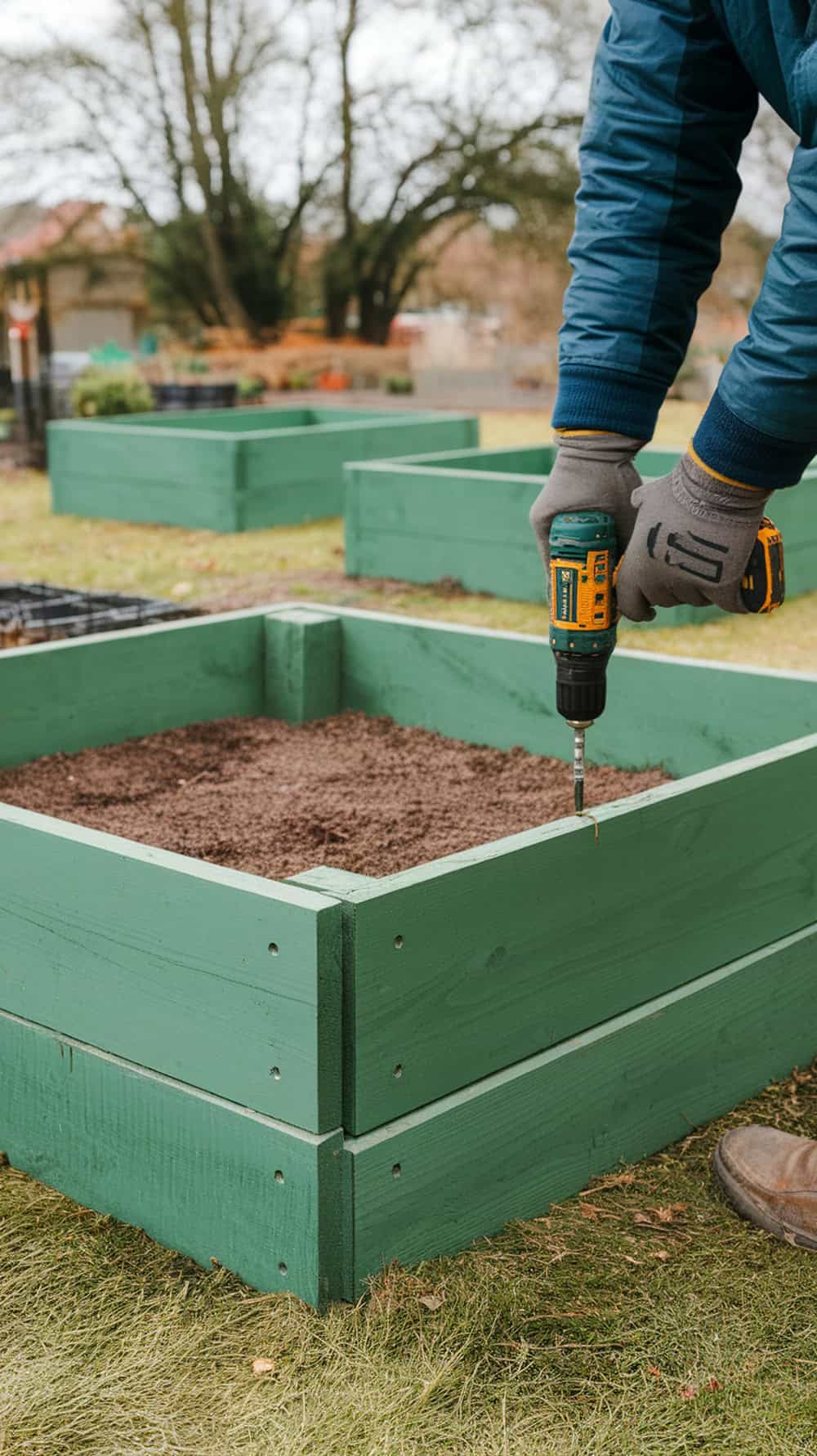
If you’ve been intimidated by building raised beds, let me tell you about the easiest DIY garden beds you’ll ever make! I’m talking simple construction that requires minimal tools and almost no carpentry skills whatsoever. Grab some untreated lumber boards, wood screws, a drill, and your favorite outdoor green paint, and you’re basically done. The simplest design uses four boards screwed together at the corners to create a basic rectangle; no fancy joints or complicated measurements needed. Once assembled, give it two coats of weather-resistant green paint and let it dry completely before filling. These DIY raised beds can be built in less than an hour, which is perfect for busy families who want to start gardening now, not next season. Place your finished bed directly on grass or soil, fill it with quality garden mix, and start planting immediately. It’s genuinely that simple, and the satisfaction of growing food in something you built yourself is absolutely priceless.
Raised Beds Layout
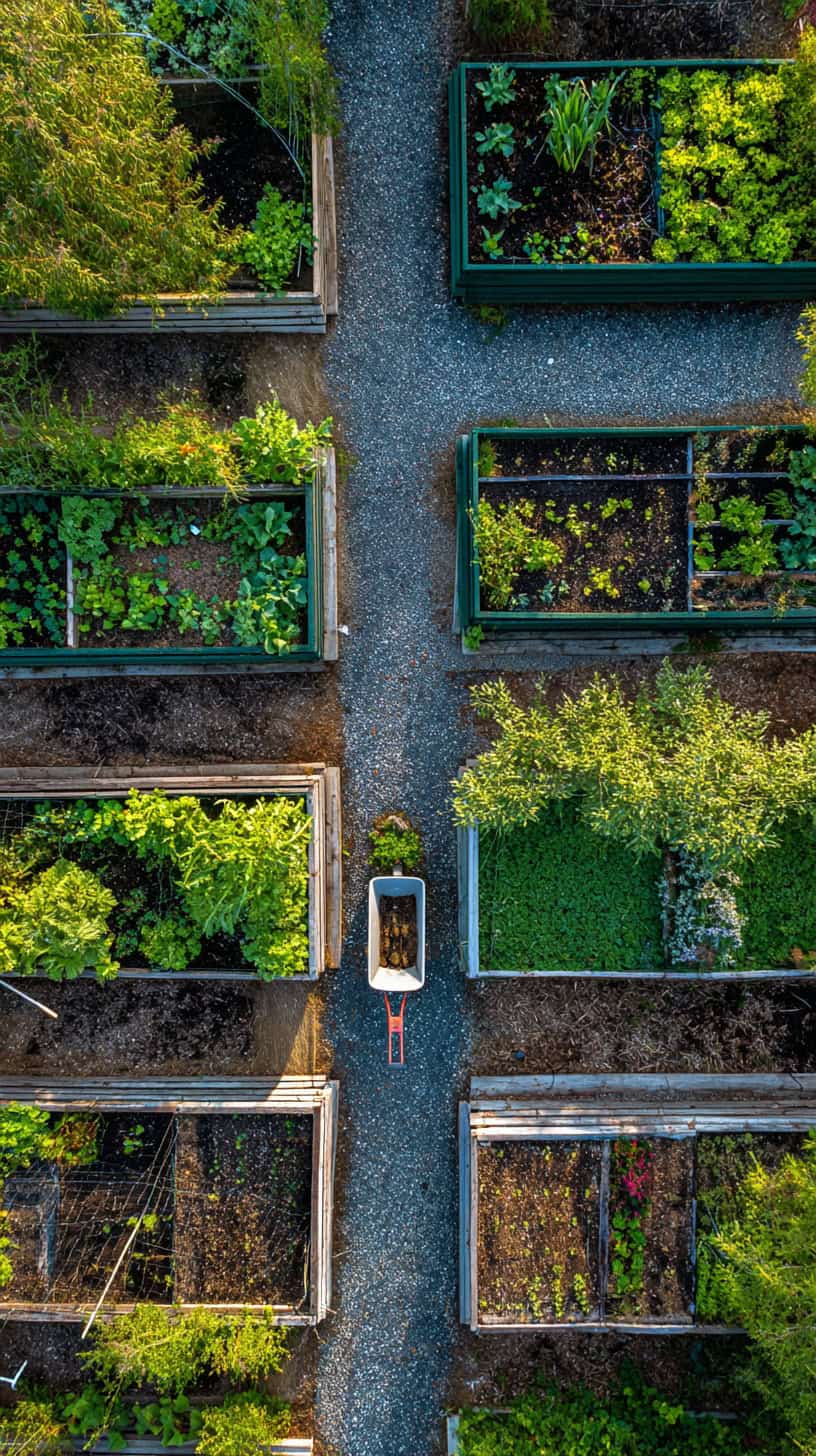
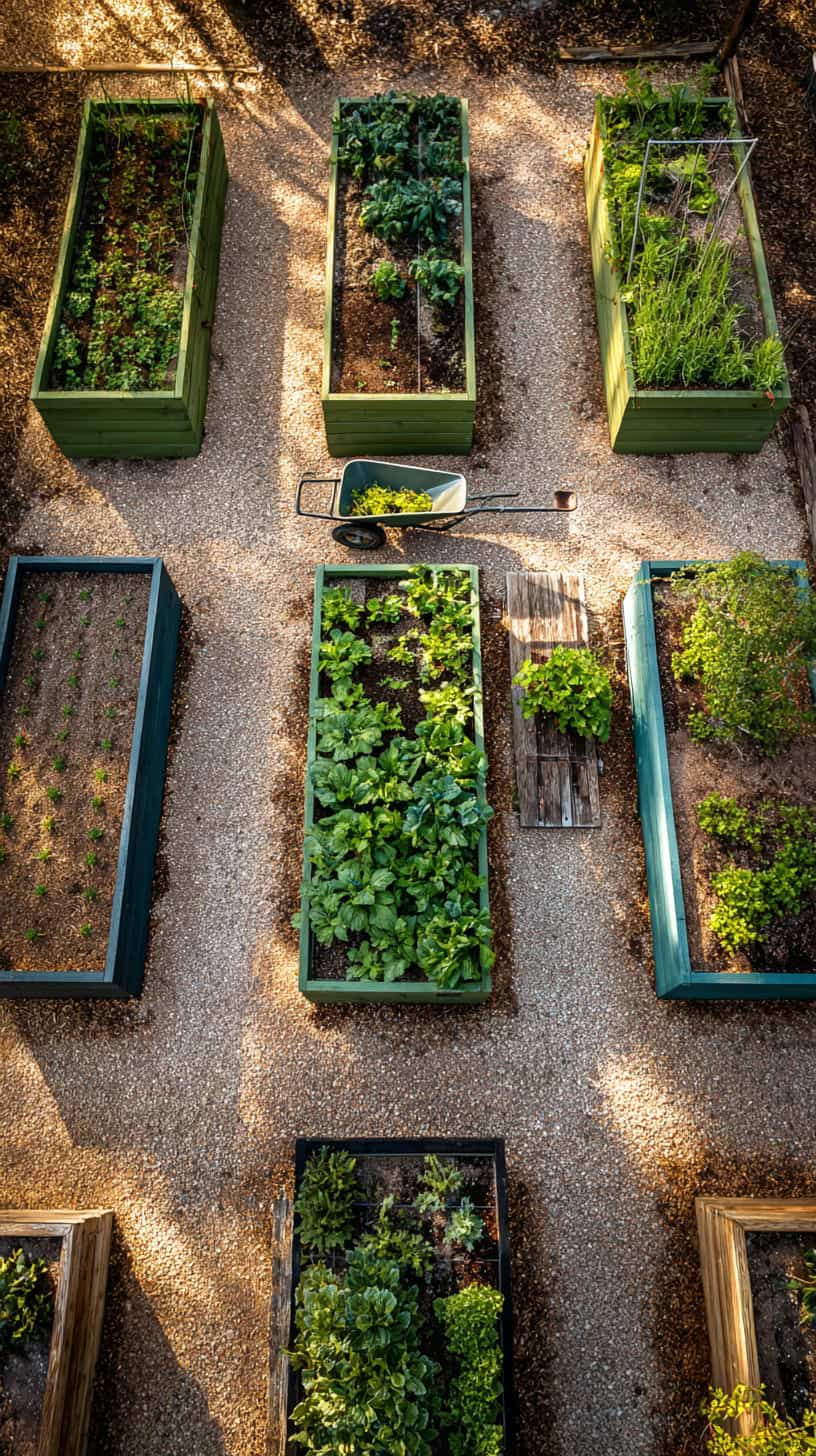
Planning your raised beds layout might seem overwhelming, but getting it right from the start makes all the difference in how enjoyable your garden becomes! I learned this the hard way after randomly placing beds and then struggling to maintain them. The best raised garden layout includes pathways wide enough for wheelbarrows or garden carts, usually about three feet between beds. Arrange your green raised garden beds in a grid pattern or staggered design depending on your yard shape and size. Consider sun exposure carefully; taller crops should go on the north side so they don’t shade shorter plants. I painted all my vegetable garden beds the same shade of green to create visual unity, which makes even a large collection of beds look intentional and organized. Leave room for comfortable movement and future expansion, because once you start growing your own food, you’ll definitely want more space. Good layout planning means less frustration and more successful harvests season after season.
Compact Potager Style
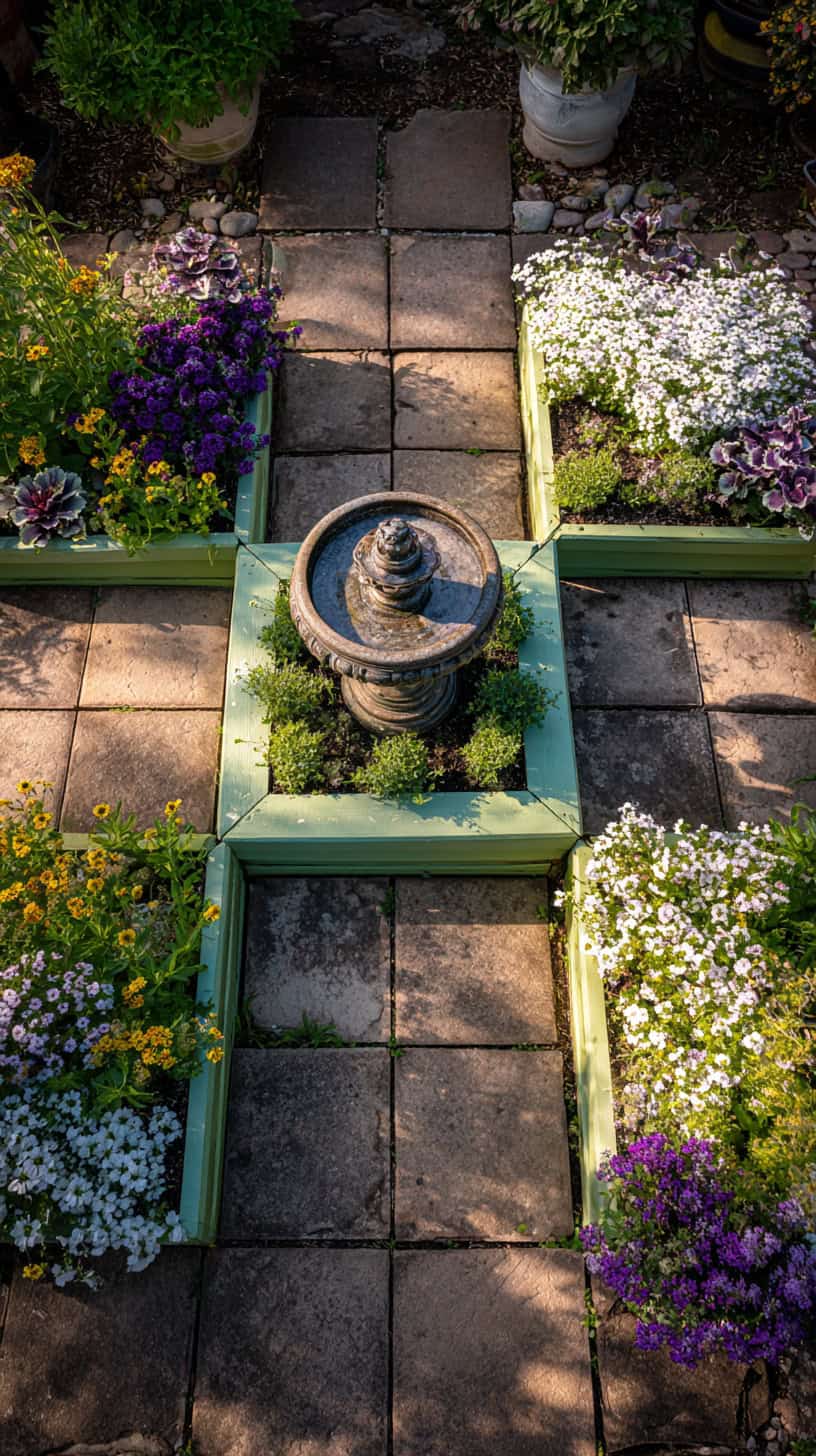
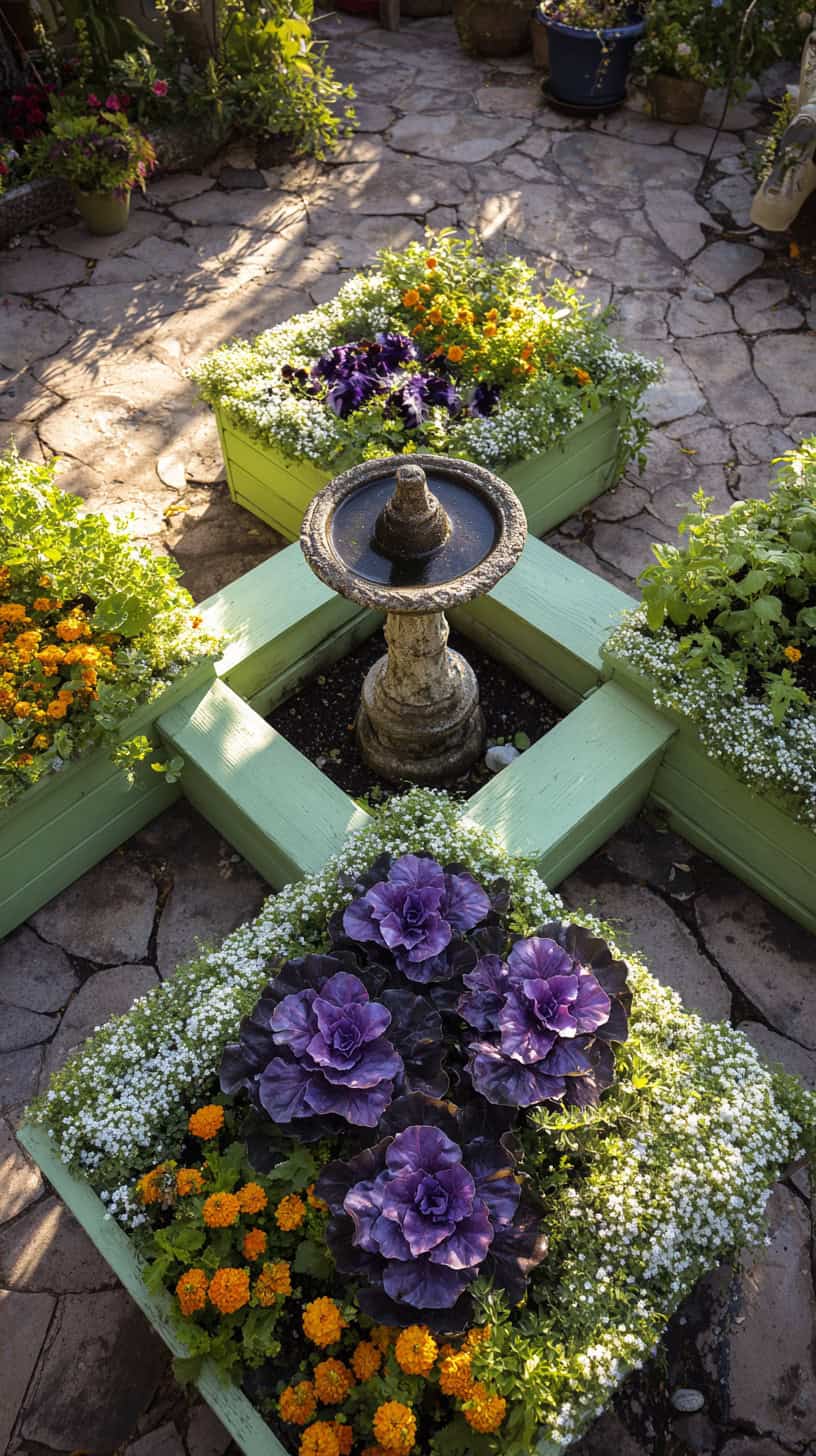
You can absolutely achieve that dreamy potager garden aesthetic even in a compact space with smart planning! I created a mini version using just four small green raised beds arranged in a square with a cute birdbath in the center, and it looks like something straight out of a gardening magazine. The compact potager style focuses on intensive planting within defined spaces, mixing edible and ornamental plants for maximum beauty and production. Each green bed gets its own theme; one for salad greens, another for herbs, one for colorful flowers, and the last for compact vegetables like bush beans or determinate tomatoes. This approach to small vegetable gardens keeps everything manageable while still delivering that formal, organized look that makes potager gardens so appealing. Edge your paths with brick or stone to complete the look, and add some solar lights for evening ambiance. It’s amazing how much style and productivity you can pack into just a hundred square feet.
Elevated Veggie Planter
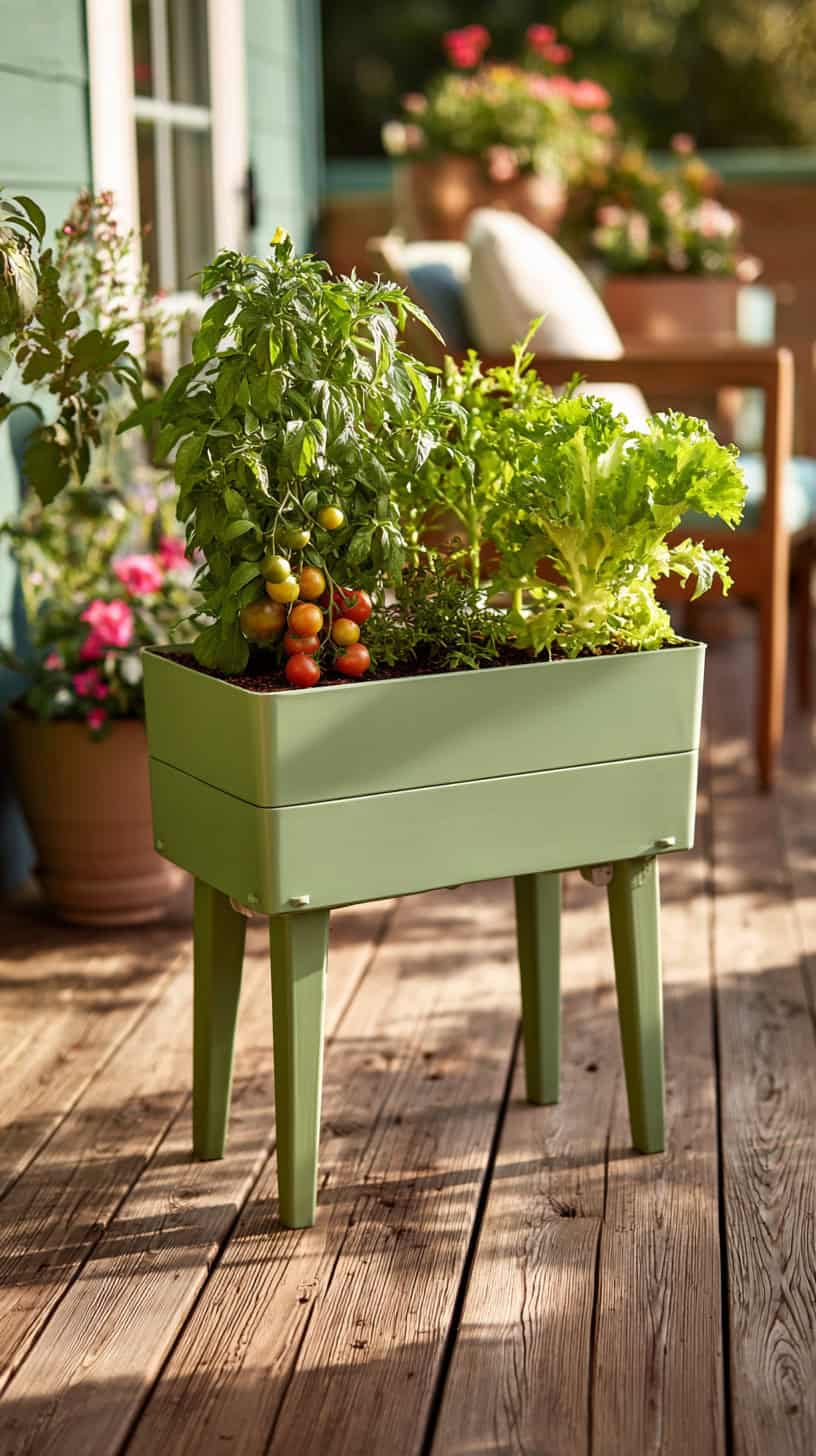
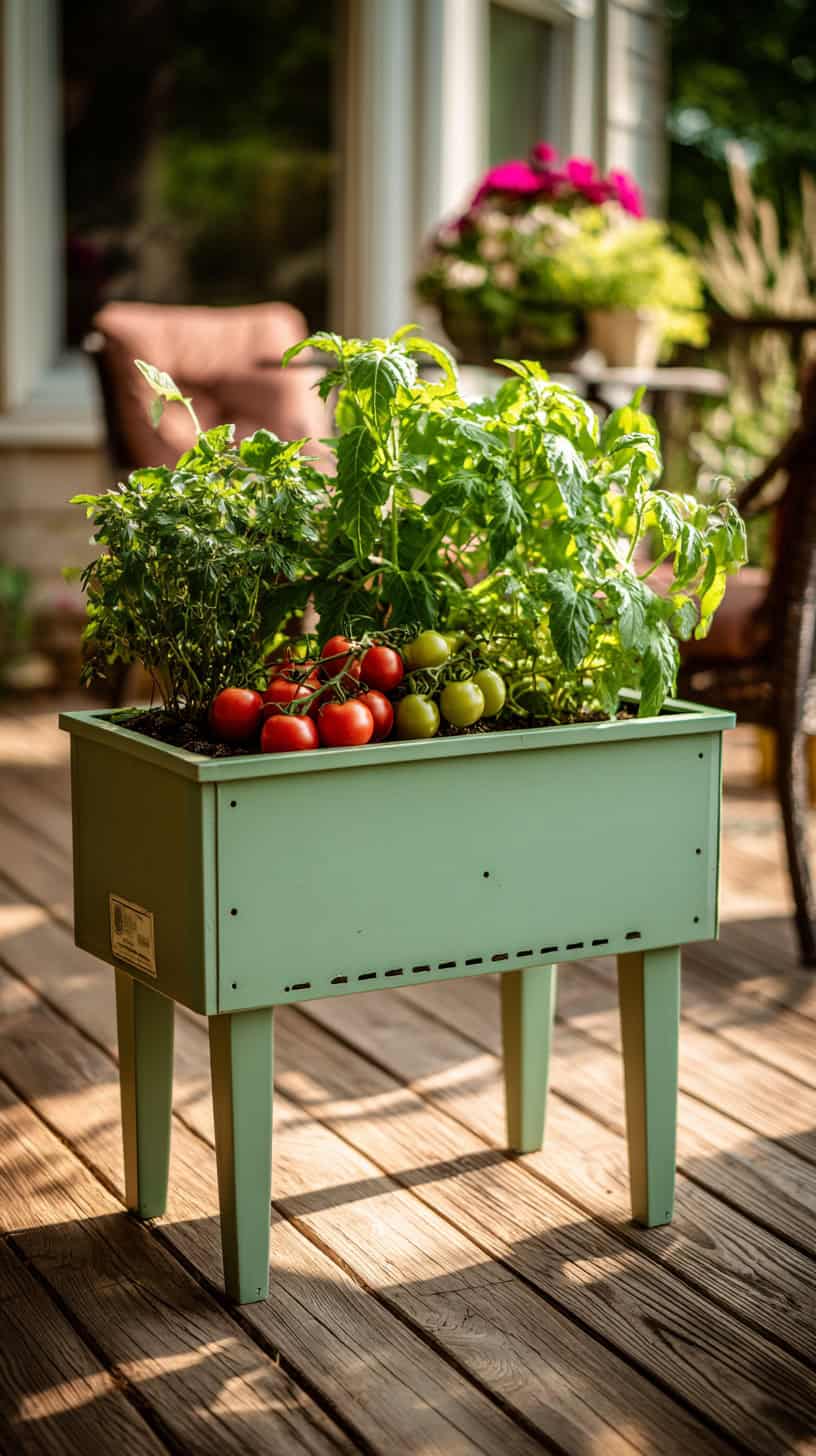
An elevated veggie planter takes the concept of raised beds to a whole new level, literally! These stand-alone units painted in gorgeous green shades are perfect for growing vegetables on decks, patios, or even driveways where traditional gardening isn’t possible. I have one elevated planter that sits about thirty inches high, making it incredibly comfortable to plant, weed, and harvest without any bending or kneeling. The elevated design also provides excellent drainage, which vegetables absolutely need for healthy root development. These DIY elevated garden bed projects often include a bottom shelf where you can store potting soil, hand tools, or watering cans, keeping everything organized and within reach. Fill your elevated veggie planter with a mix of vegetables that have similar water and sunlight needs; I’ve had great success combining cherry tomatoes, basil, and trailing nasturtiums. The green color helps these functional planters look decorative too, so they enhance your outdoor living space rather than making it feel like a farm.
Whimsical Green Beds
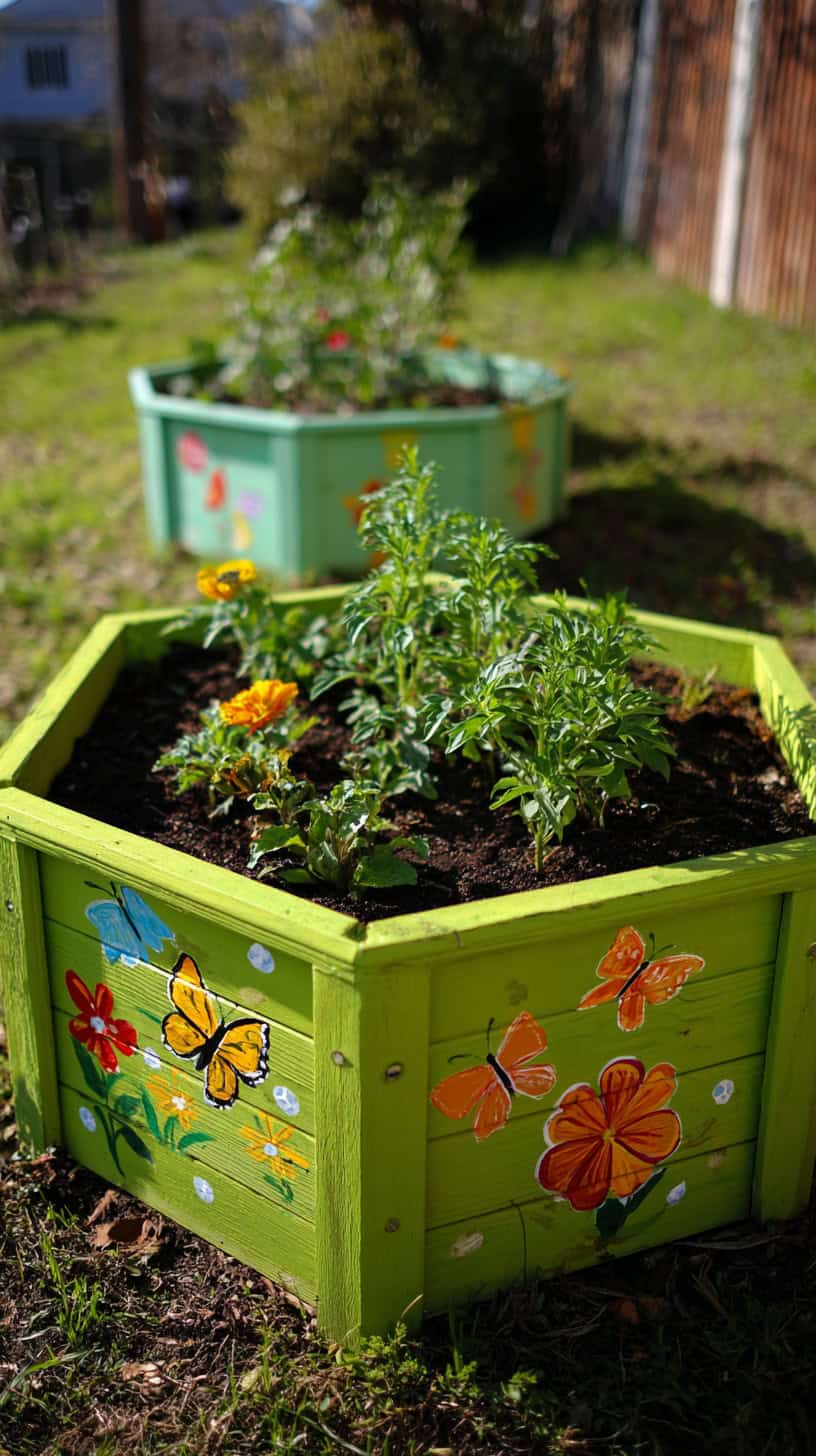
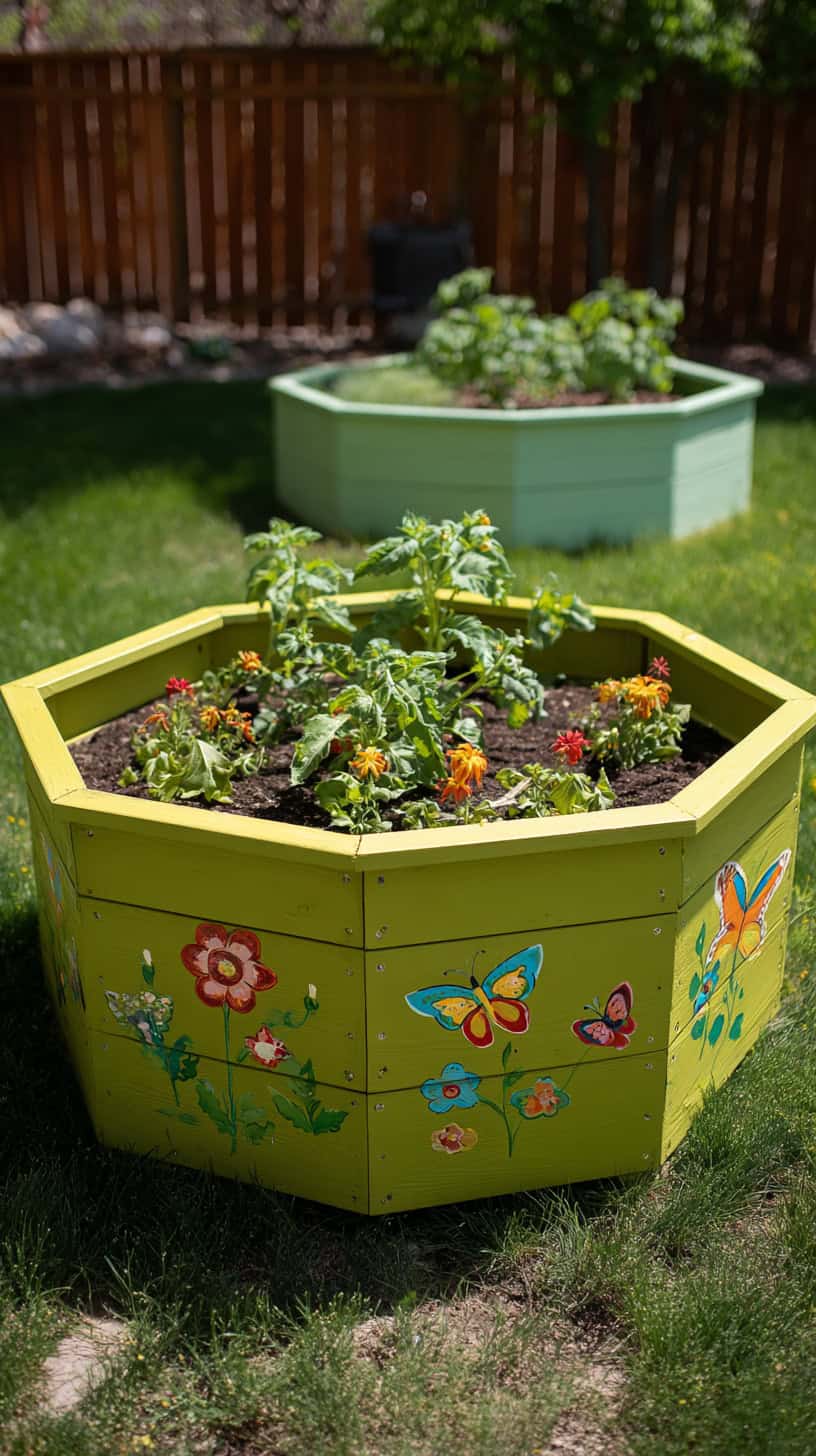
Who says vegetable garden beds have to be boring rectangles? Let your creativity run wild with whimsical green beds in fun shapes and unexpected designs! I painted one of my raised beds in a bright lime green with hand-painted flowers and butterflies around the sides, and it makes me smile every single time I see it. Consider unusual shapes like hexagons, circles, or even keyhole designs that allow access from the center. You can also play with different shades of green, painting each bed in varying tones from sage to emerald to create visual interest across your garden. Add decorative elements like vintage signs, painted rocks, or small garden flags to amp up the whimsy factor. These garden beds ideas are especially wonderful if you’re gardening with kids, turning the vegetable patch into an adventure rather than a chore. Don’t be afraid to let your personality shine through in your garden design; functional doesn’t have to mean plain!
Family DIY Raised Beds
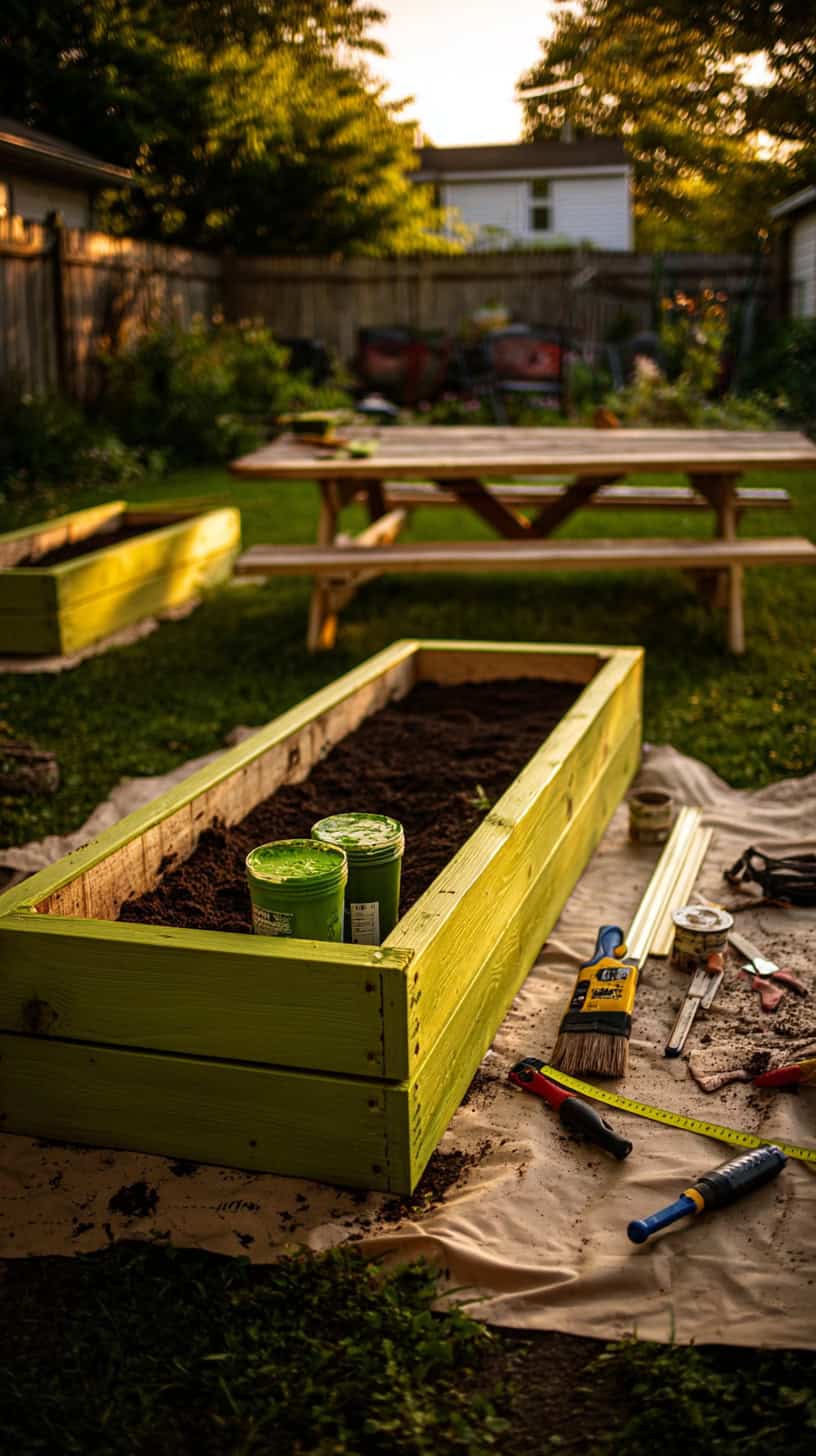
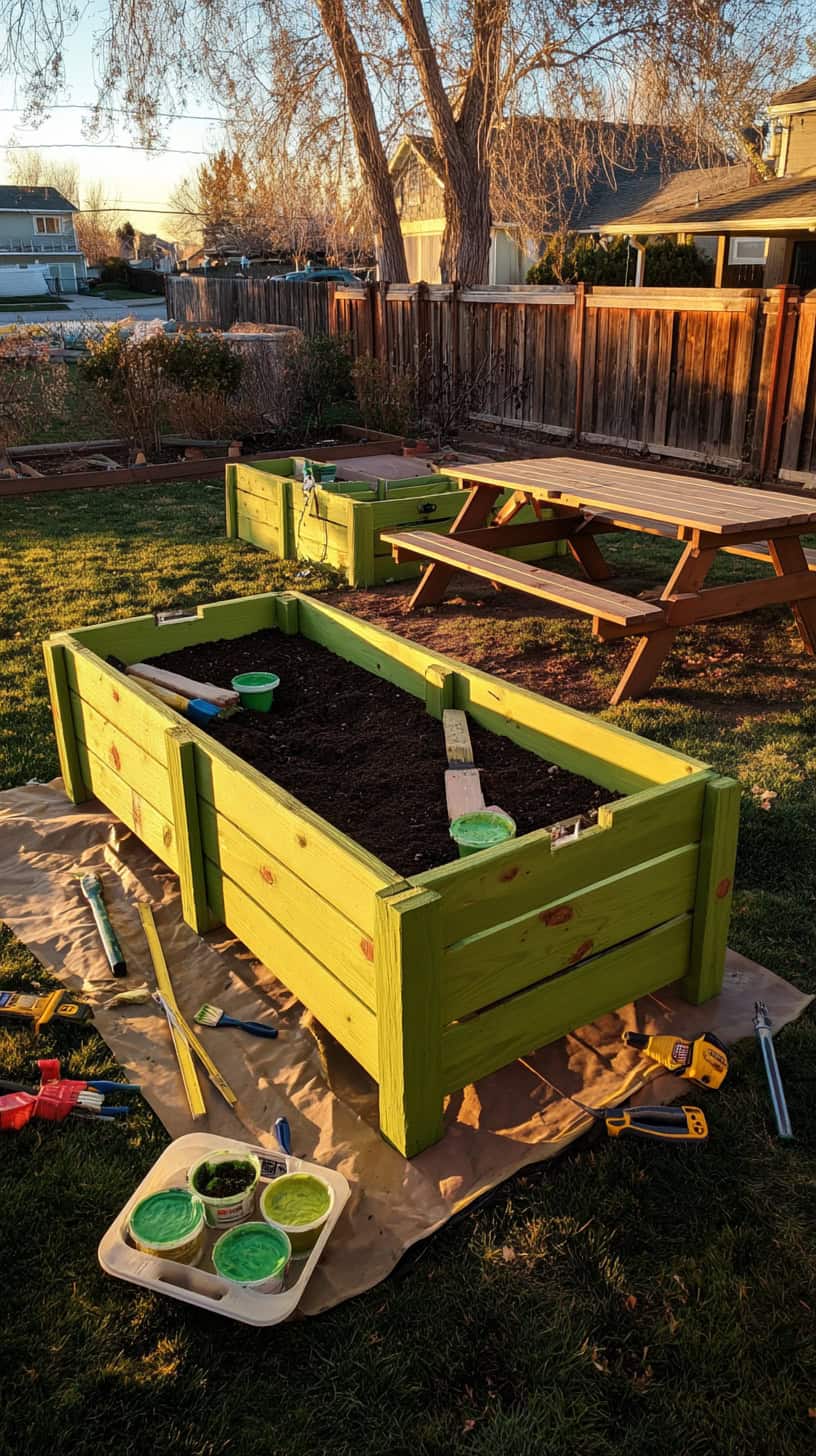
Building raised beds as a family project creates memories while teaching kids valuable skills about construction, gardening, and where food comes from! We made it a weekend event, with everyone getting involved in measuring, painting, and assembling our green raised garden beds together. Assign age-appropriate tasks; younger children can help paint boards laid flat on drop cloths, while older kids can assist with measuring and holding boards steady during assembly. The DIY raised beds we built together have become our kids’ favorite spots in the yard because they feel ownership and pride in something they helped create. Let each family member choose one crop they want to grow in the shared space, creating investment in the garden’s success. These family projects teach patience, responsibility, and the reward of hard work when harvest time arrives. Plus, kids who grow their own vegetables are much more likely to actually eat them, which is a huge win for parents everywhere!
Garden Beds Ideas Fun
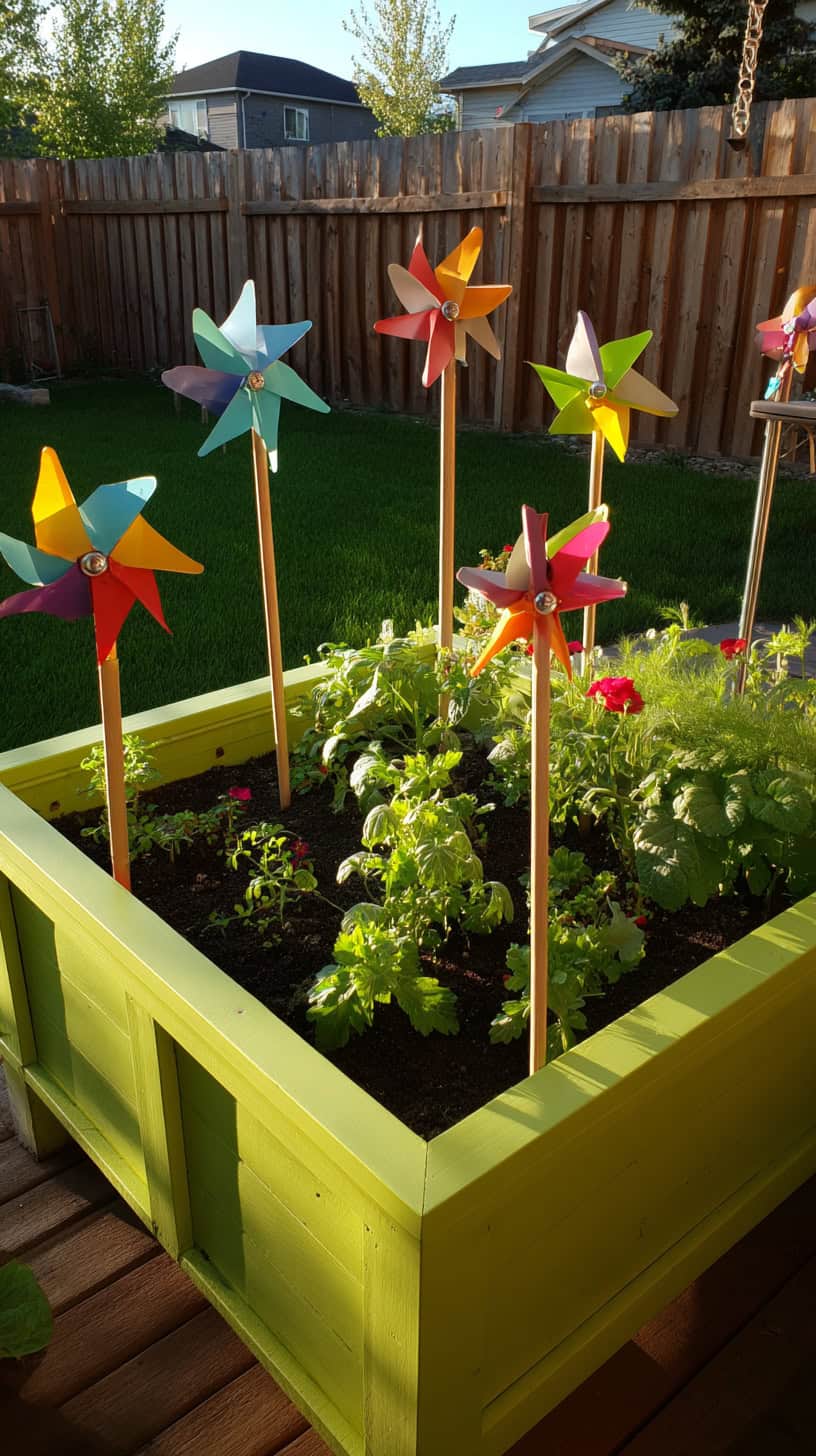
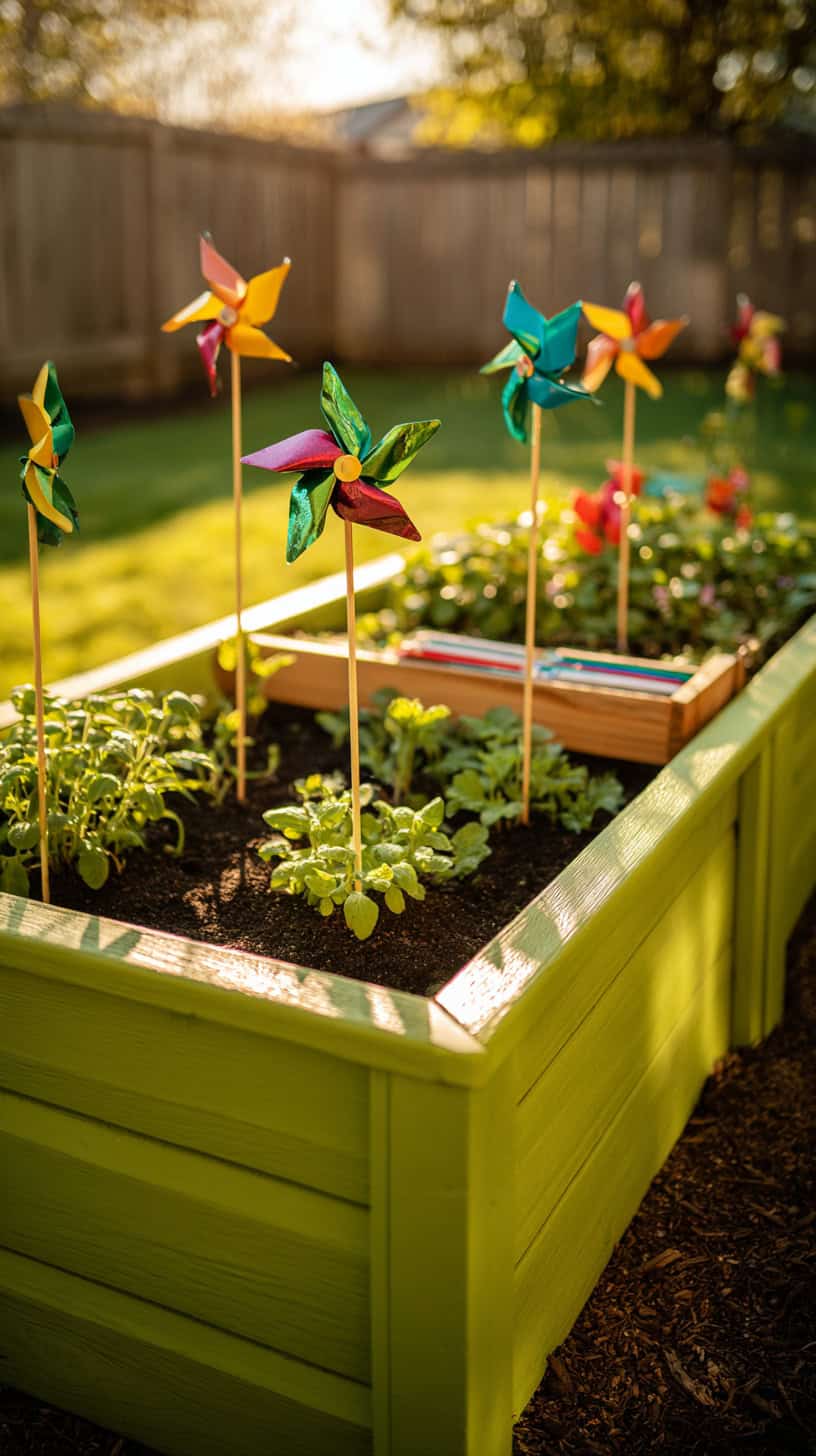
Making your garden beds ideas fun transforms ordinary vegetable growing into an exciting outdoor activity the whole family enjoys! I’ve added all sorts of playful touches to our green raised garden beds over the years. Paint fun labels directly on the beds using chalkboard paint sections where kids can write plant names with chalk that changes as you rotate crops. Install colorful pinwheels or wind spinners that also help deter birds from eating your seedlings. Create a garden journal station with a weatherproof box attached to one bed where everyone can record planting dates, observations, and drawings. Add stepping stones painted with family handprints around your veggie garden for a personalized touch. Incorporate interactive elements like measuring sticks painted on the sides to track plant growth weekly. These creative garden beds ideas make checking on your vegetables something kids actually want to do rather than another chore to avoid. When gardening is fun, everyone participates more willingly and consistently throughout the season.
Toddler-Friendly Raised Bed
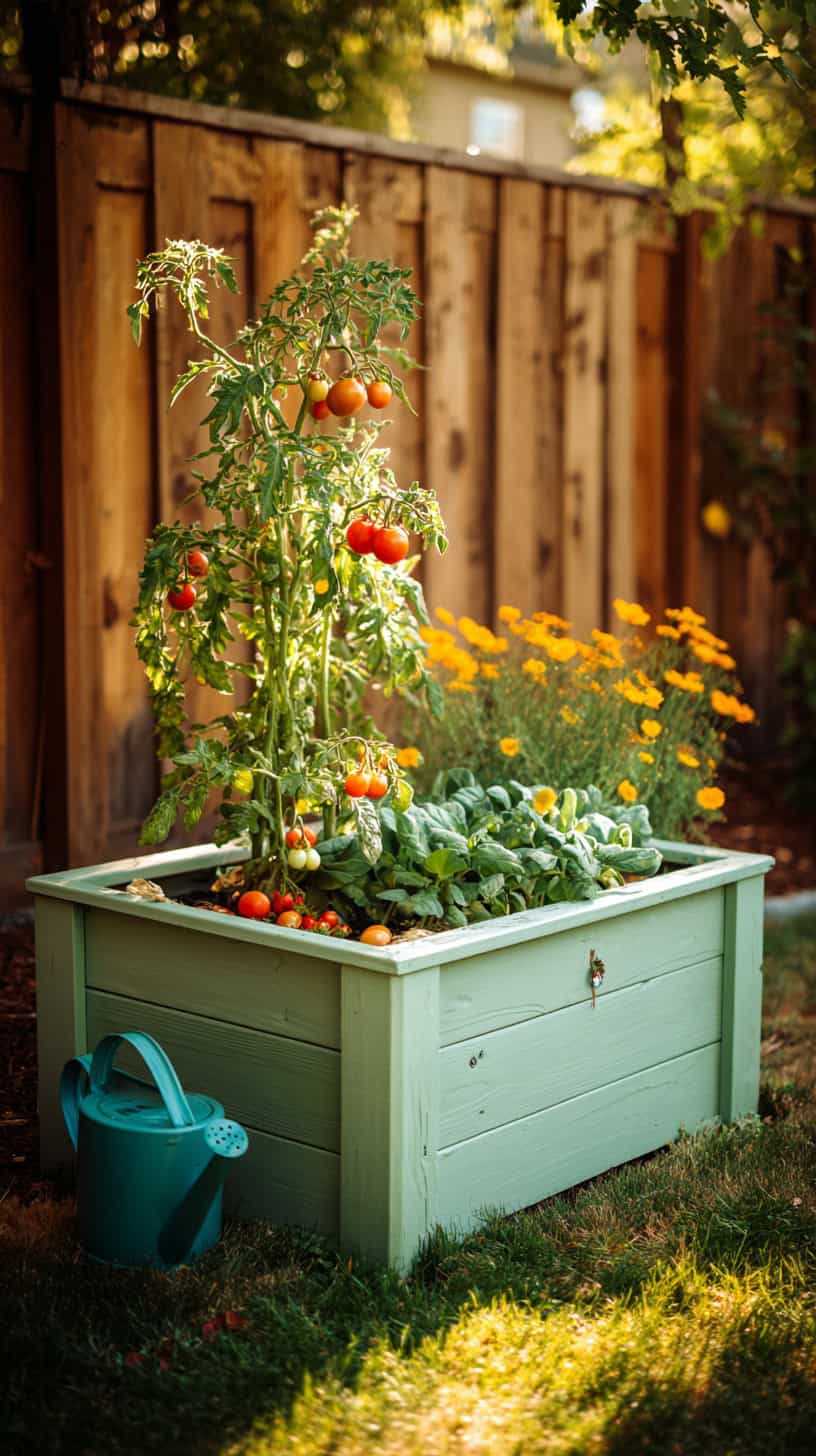
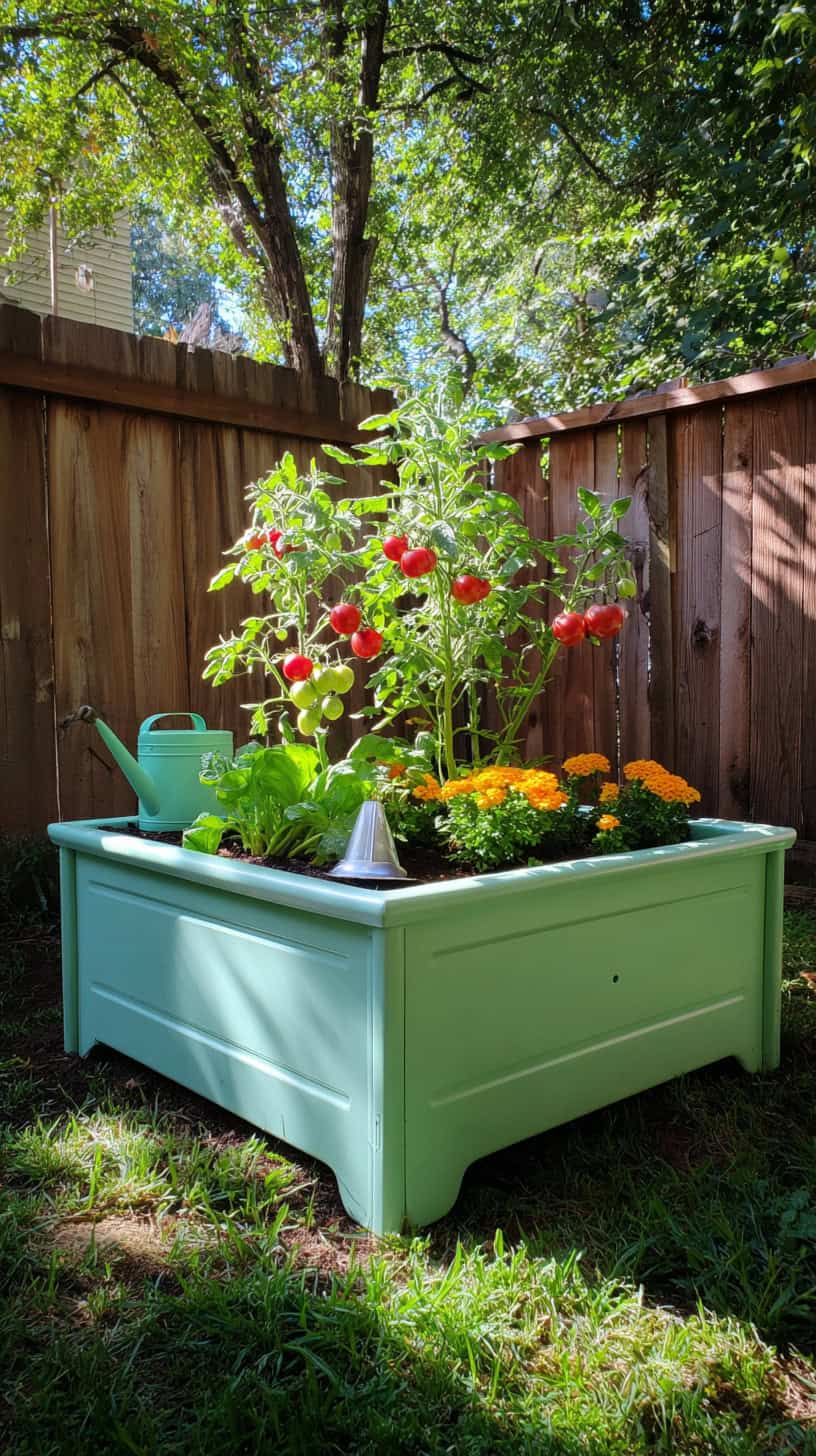
Designing a toddler-friendly raised bed opens up gardening to your littlest helpers in the safest, most engaging way possible! I built a special low green raised bed just twelve inches high specifically for my toddler to access independently without climbing or needing constant assistance. The shorter height means little ones can reach in easily to water, pick cherry tomatoes, or pull radishes without frustration or danger of falling. Choose the sunniest, gentlest plants for this special bed; things like cherry tomatoes, snap peas, strawberries, and sunflowers that provide quick results and are easy for small hands to harvest. Round off any sharp corners with sandpaper and avoid any hardware that could pinch fingers. Paint the raised bed in a cheerful green and let your toddler help add handprints or simple designs to make it truly theirs. This dedicated space teaches responsibility and nurtures a lifelong love of gardening while keeping little ones safely engaged in productive outdoor play.
Simple Raised Bed Kit
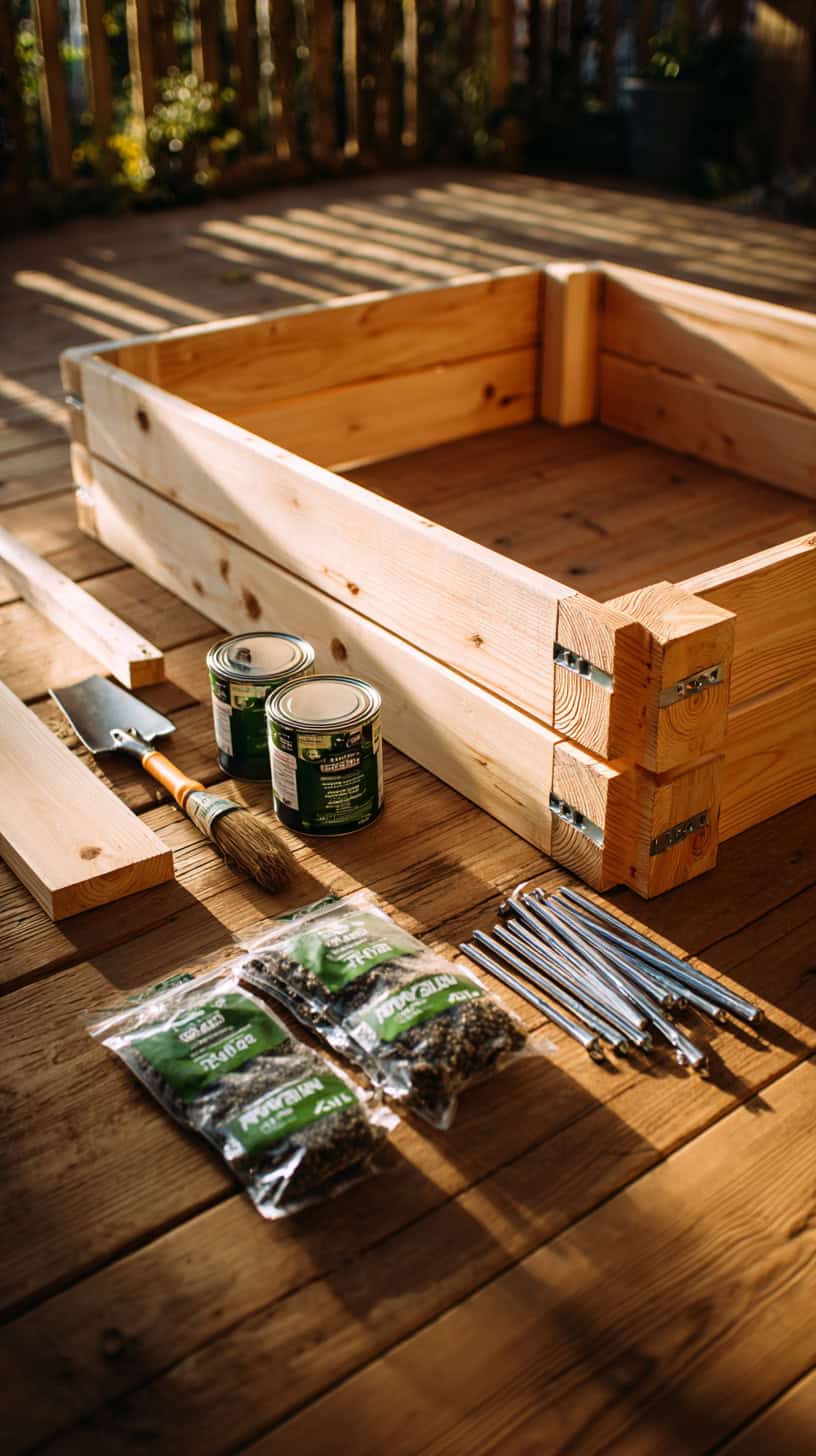
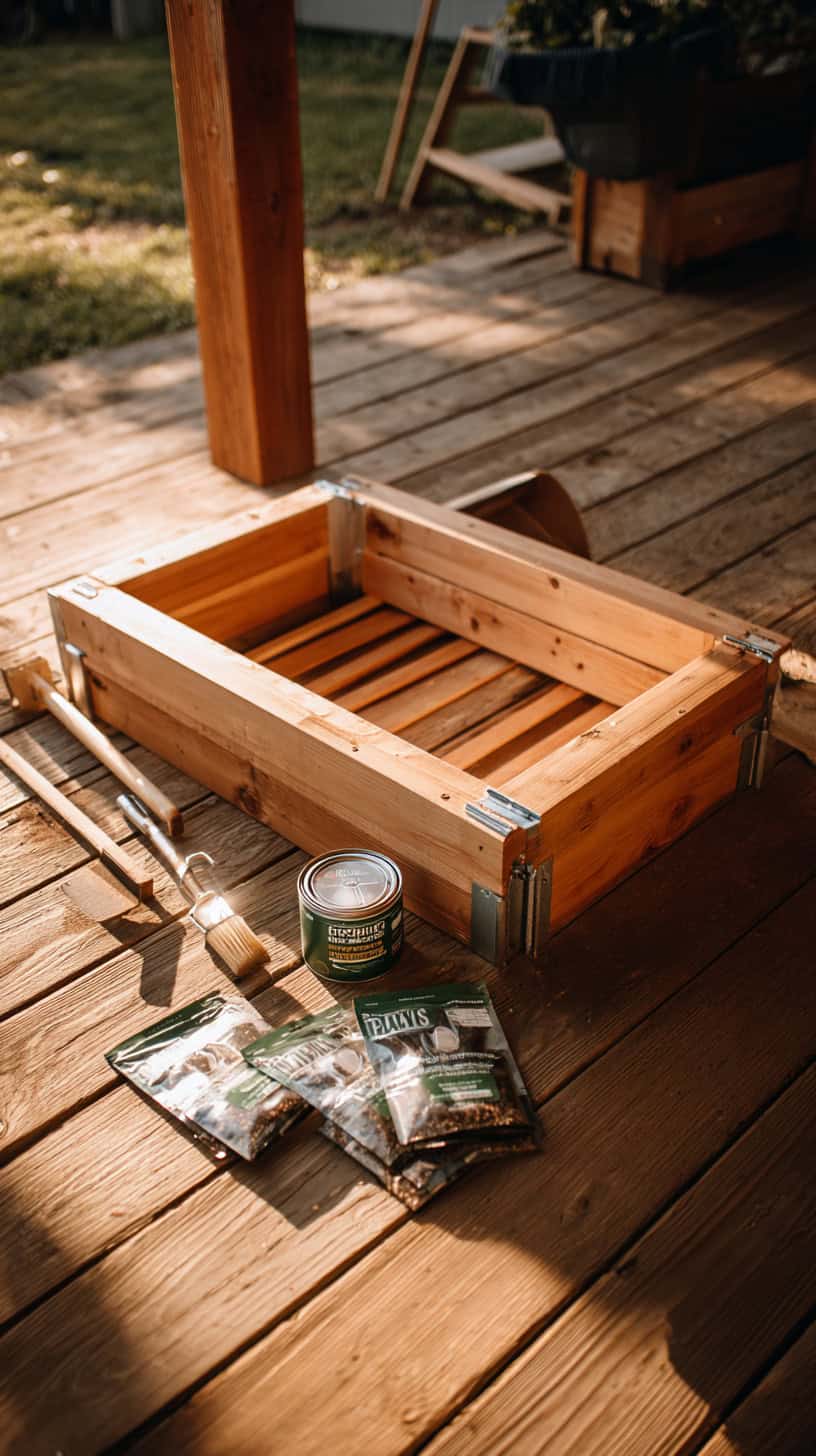
Sometimes the easiest path to beautiful green raised garden beds is grabbing a simple raised bed kit and customizing it with paint! These kits come with pre-cut lumber and all necessary hardware, taking the guesswork out of measurements and cuts. I purchased basic cedar kits and transformed them with outdoor green paint to match my garden aesthetic perfectly. Assembly usually takes less than thirty minutes with just a screwdriver or drill, making these ideal for beginners or anyone short on time and tools. The quality of these DIY garden beds kits has improved dramatically in recent years; you’re getting sturdy, well-designed products that last for many seasons. After assembly, I added a layer of hardware cloth on the bottom to prevent burrowing pests, then filled with quality soil mix. These kits work wonderfully for starting your first vegetable garden beds without the intimidation factor of building from scratch. You still get the satisfaction and savings of DIY without needing a workshop full of tools or advanced carpentry skills.
Charming Potager Corner
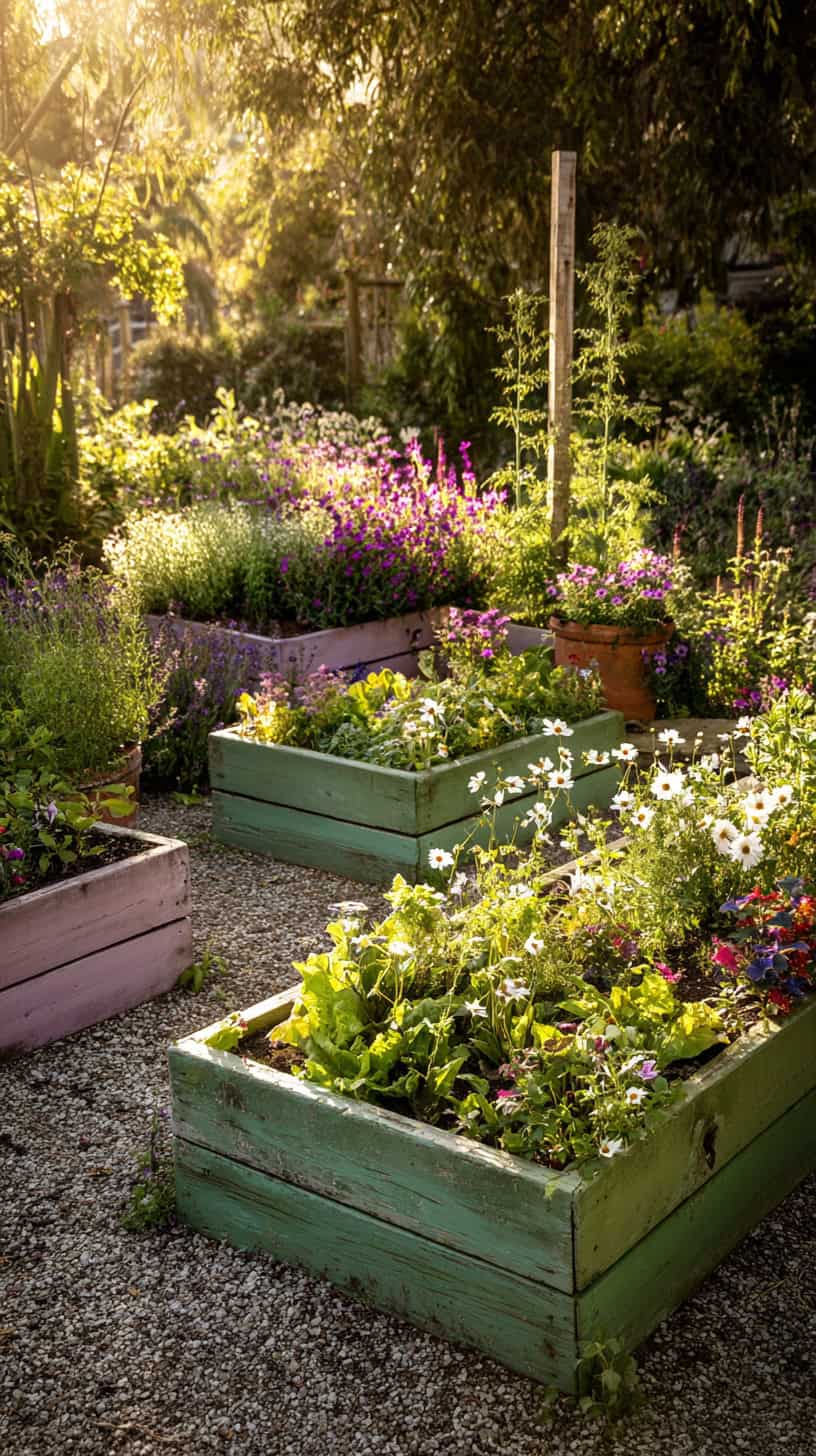
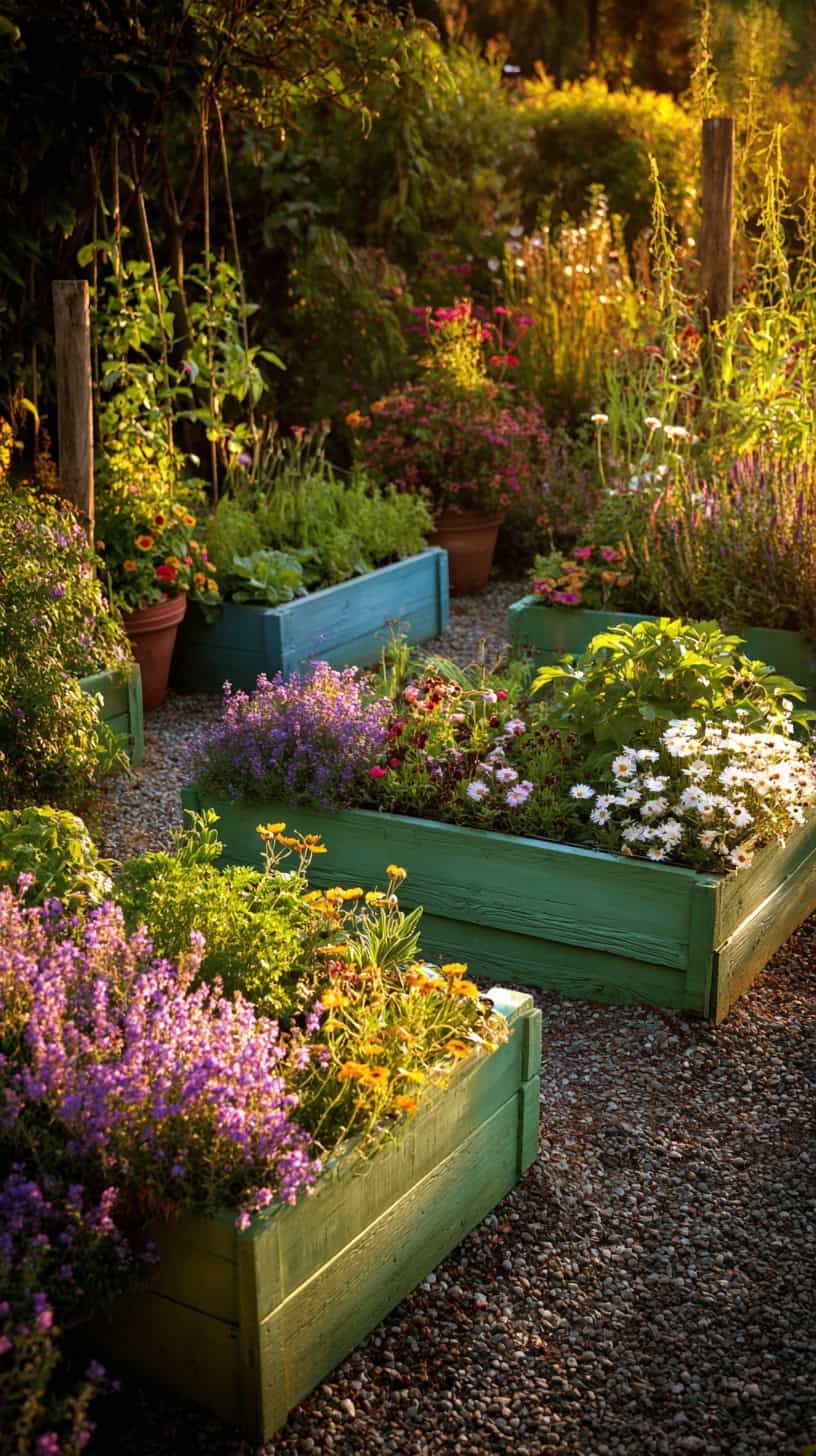
Creating a charming potager corner combines the best elements of ornamental and edible gardening in one delightful green space! I transformed an unused corner of my yard into this enchanting little retreat with three green raised beds arranged in a cozy cluster, surrounded by gravel paths and flowering perennials. The potager garden style originated in French monasteries where beauty and function existed in perfect harmony, and that’s exactly what we’re recreating here. Plant your green raised garden beds with a mix of colorful vegetables like rainbow chard, purple cabbage, and golden beets alongside culinary herbs and edible flowers. Add a small arbor or obelisk for climbing roses or clematis to frame your vegetable garden beds beautifully. Include a comfortable bench where you can sit with morning coffee and admire your growing garden. This small vegetable gardens approach proves you don’t need acres to create something truly special; just a corner, some creativity, and green raised beds that tie everything together into one charming, productive retreat.
This post may contain affiliate links. Read the full disclosure here.