19 Raised Garden Beds Ideas For A Productive Backyard
Creating a thriving vegetable garden starts with choosing the right foundation, and raised garden beds offer the perfect solution for families who want to grow fresh produce together.
When I want to grow vegetables or flowers with better control over soil and drainage, I prefer using durable cedar raised garden bed kits because they’re sturdy, easy to assemble, and help create an organized, low-maintenance growing space.
These elevated growing spaces provide better drainage, warmer soil, and easier access for gardeners of all ages, making them ideal for small vegetable gardens and ambitious potager garden designs alike. Whether you’re working with a tiny patio or a sprawling backyard, these 19 raised garden beds ideas will inspire you to build a productive growing space that brings your family together around homegrown goodness.
Classic Wood Framed Beds
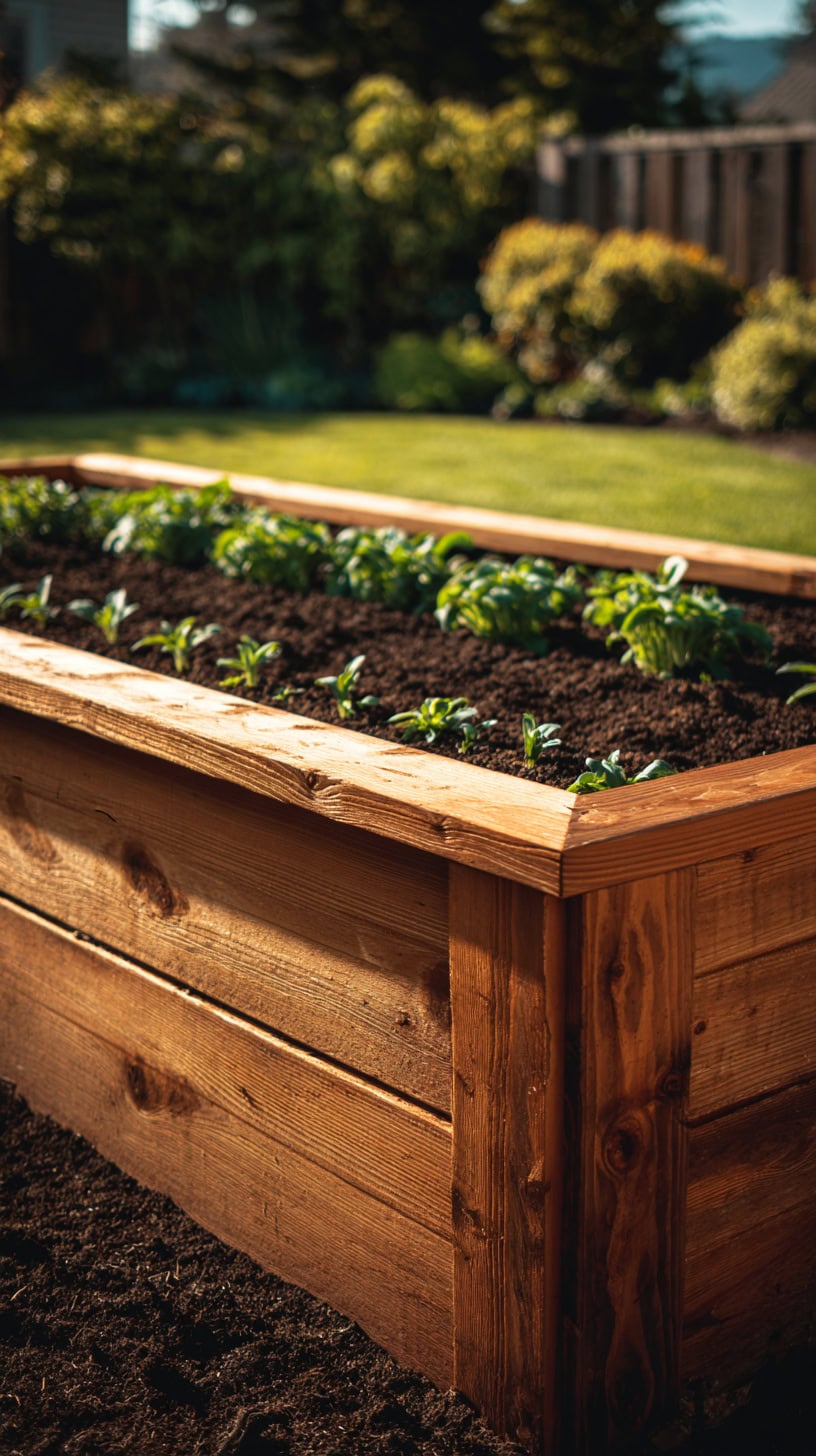
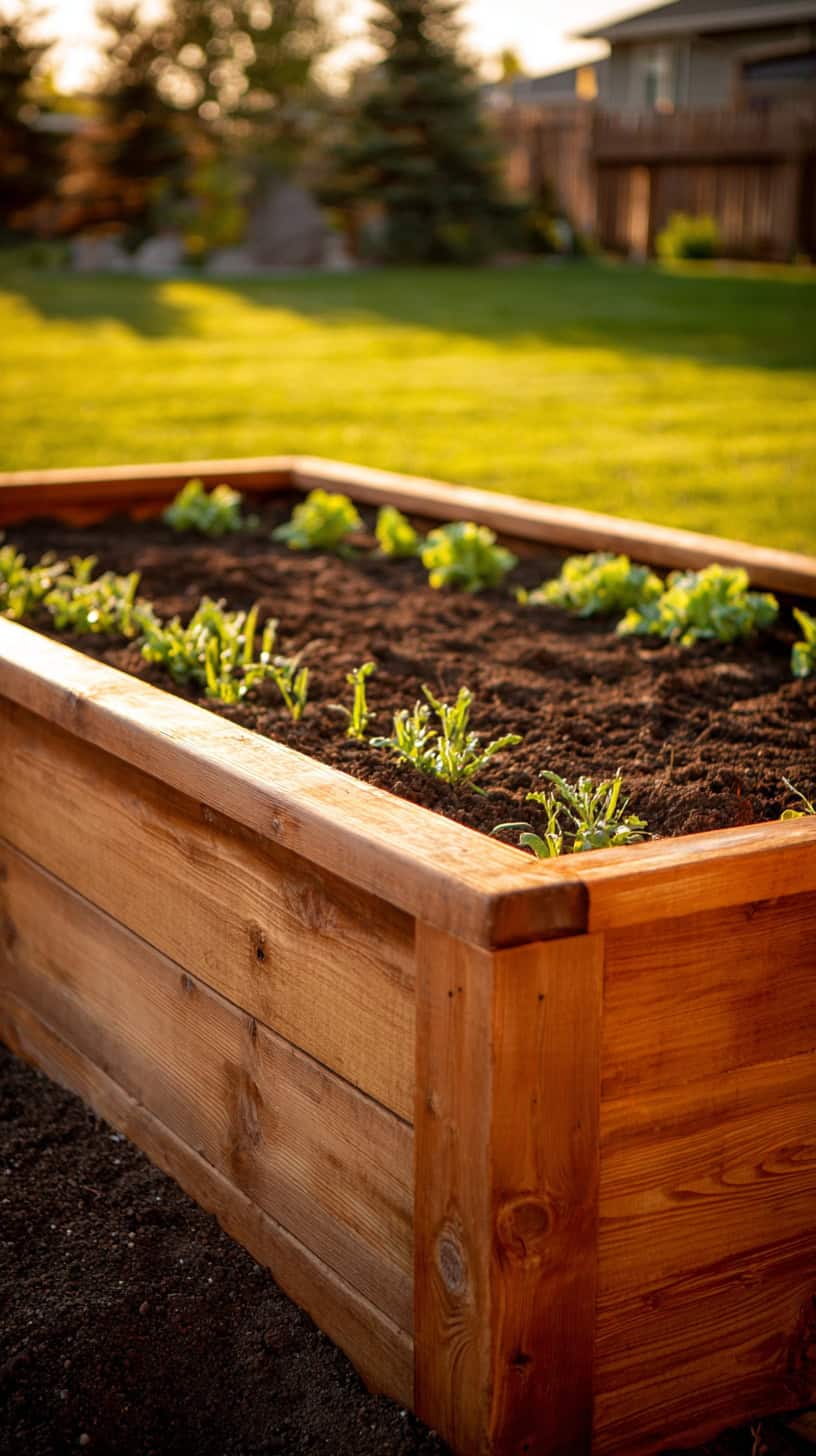

Wood framed raised beds are the timeless choice for diy garden beds that blend beautifully with any backyard landscape. Cedar and redwood naturally resist rot and insects, making them perfect for long-lasting vegetable garden beds without chemical treatments. I love how these boxes can be customized to any size your family needs, from compact 4×4 squares to generous 4×8 rectangles that maximize growing space. The warmth of natural wood creates an inviting atmosphere that encourages kids to get involved in planting and harvesting. You can build these diy raised beds in a single weekend using simple tools and basic carpentry skills. The raised height keeps plants warmer earlier in spring and makes weeding less of a back-breaking chore. Adding a simple cap rail along the top edge creates a convenient spot to rest tools or sit while you garden with your little helpers.
Planter Wall Block Design
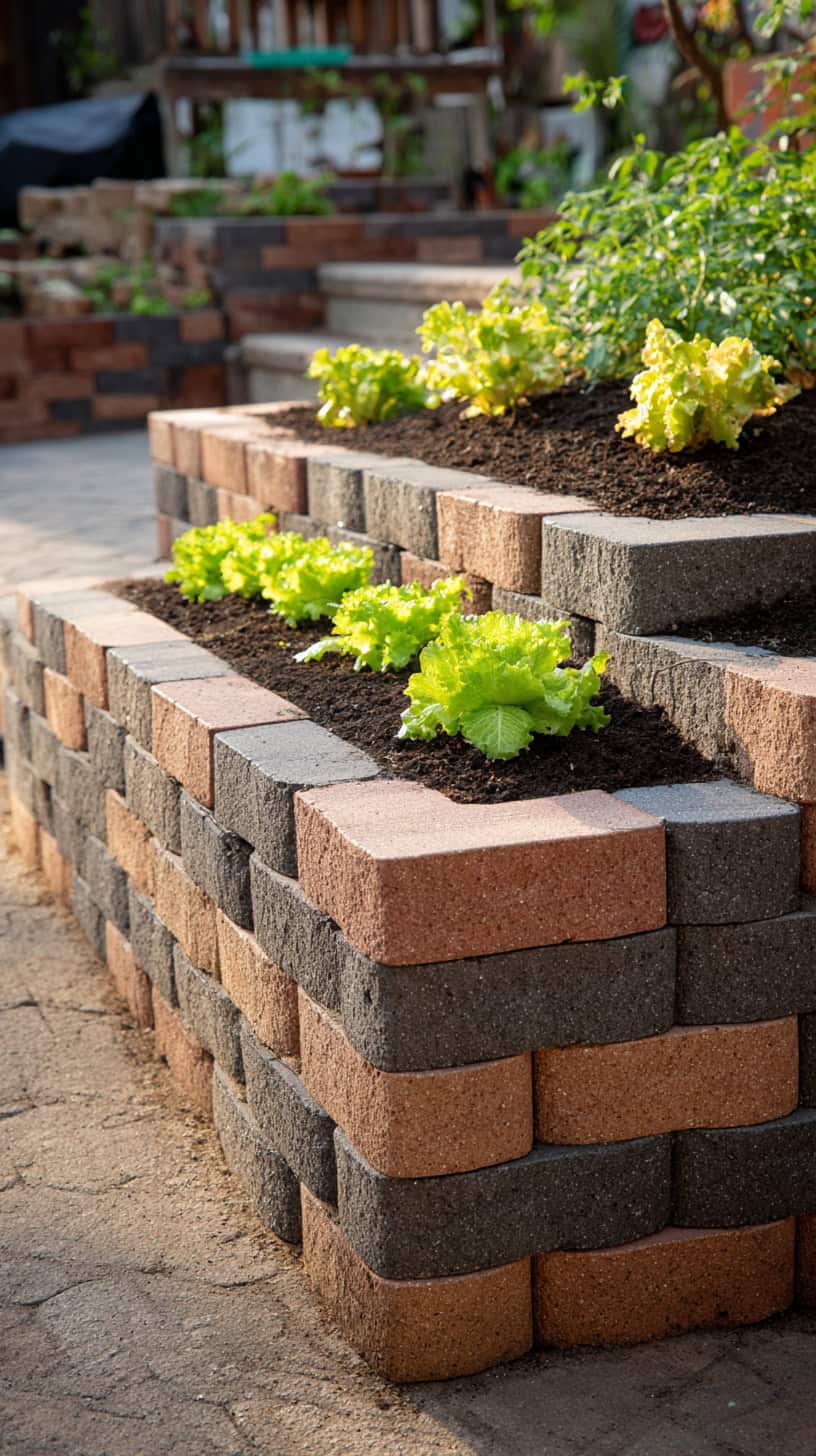
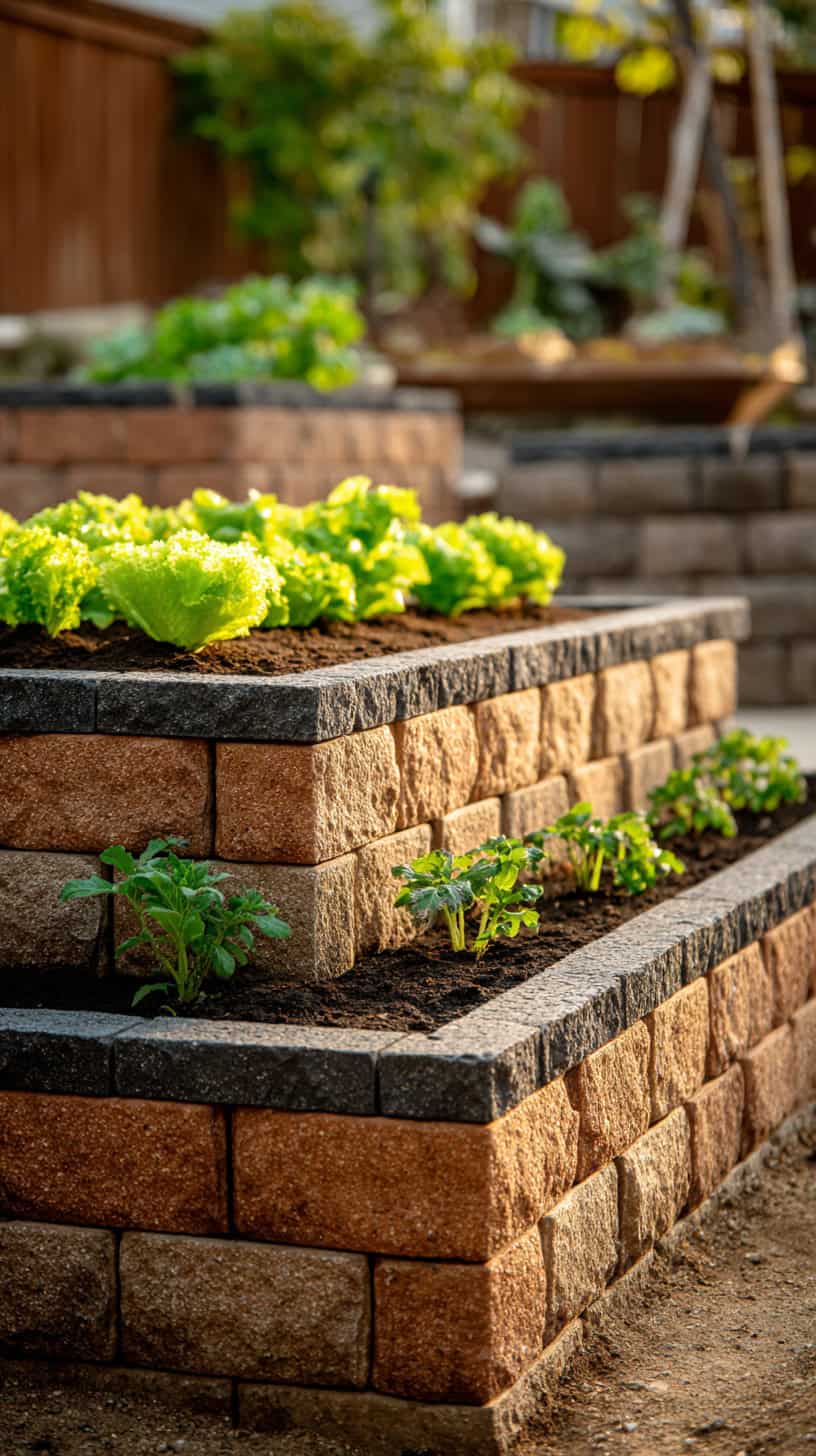
Landscape blocks create sturdy, professional-looking raised beds that can transform sloped yards into productive terraced gardens perfect for small vegetable gardens. These interlocking blocks stack without mortar, making them an accessible diy elevated garden bed option for families new to construction projects. The blocks come in various colors and textures, so you can match your existing hardscape or create interesting contrast in your garden layout. I’ve found that the weight and stability of these blocks work wonderfully for retaining soil on hillsides while creating multiple growing levels. The stepped design naturally creates microclimates where you can grow different crops based on sun exposure and drainage needs. Kids love the castle-like appearance of stacked block walls, which makes garden time feel more like play. These raised beds diy projects hold up beautifully through harsh winters and provide excellent drainage that prevents waterlogged roots during rainy seasons.
Galvanized Metal Tubs
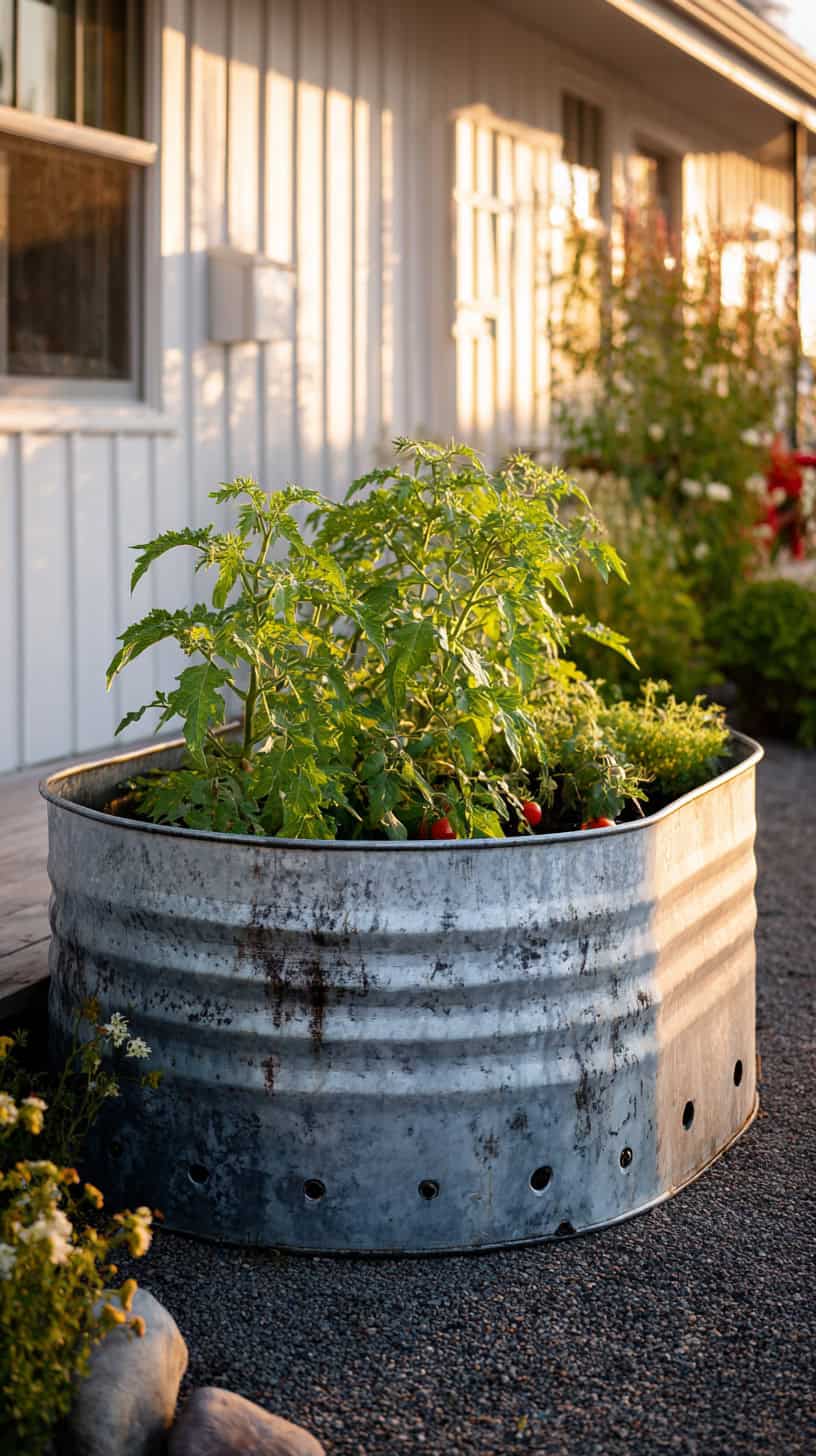
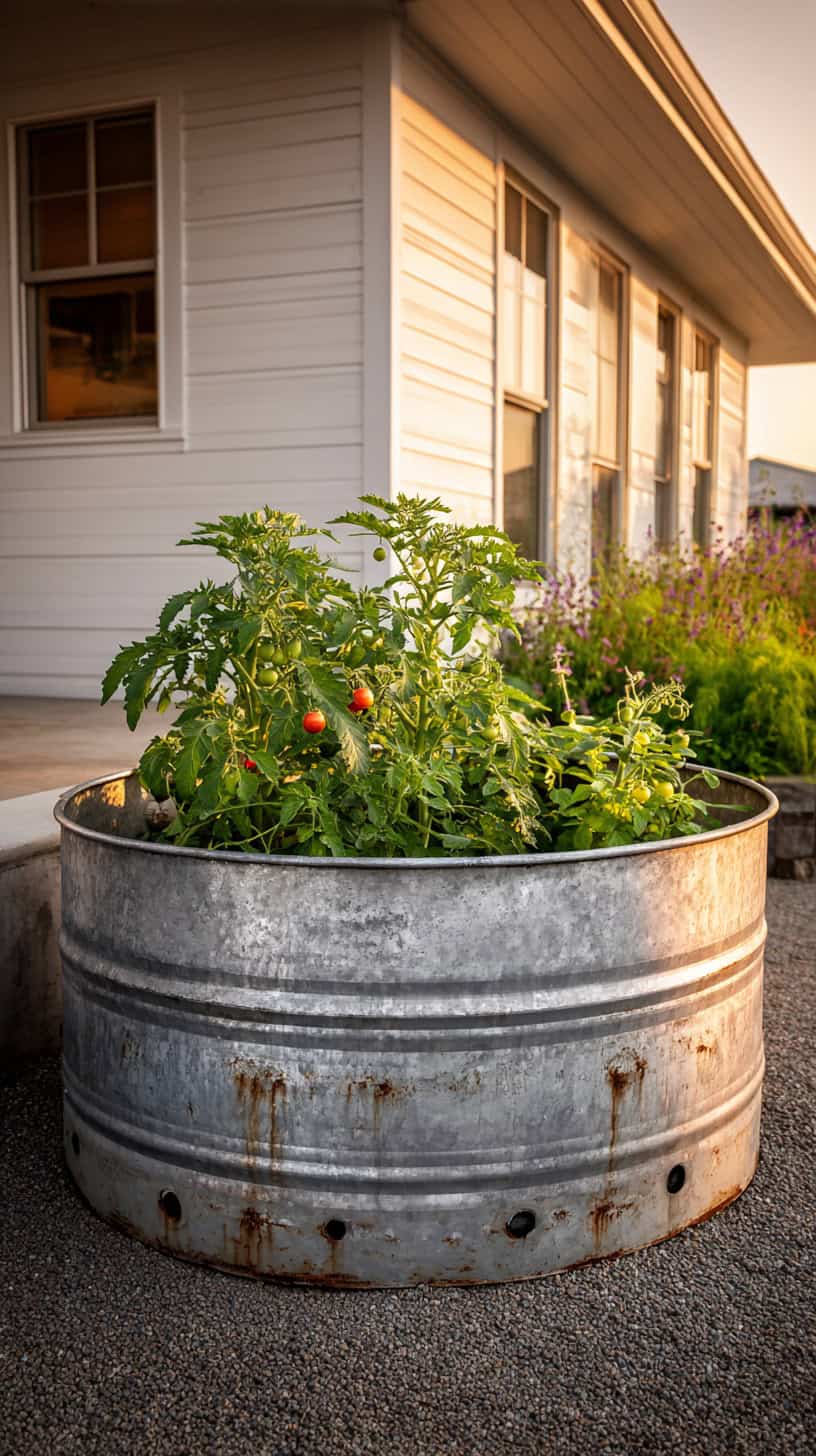
Old stock tanks and galvanized tubs bring rustic farmhouse charm to garden beds ideas while providing excellent durability for years of productive growing. These metal containers heat up quickly in spring, extending your growing season and helping warm-weather crops like tomatoes and peppers thrive earlier. The industrial aesthetic pairs wonderfully with modern landscapes or creates appealing contrast in cottage-style gardens filled with flowering herbs and vegetables. You’ll need to drill drainage holes in the bottom, which is simple work that takes just minutes with a power drill. I love positioning these tubs near the kitchen door for a convenient herb garden that’s always within reach during meal prep. The oval shapes create interesting visual variety when mixed with rectangular raised beds diy designs throughout your yard. Metal reflects heat beautifully, making these containers ideal for heat-loving plants, and they’re completely safe for organic vegetable production.
Elevated Wood Planters
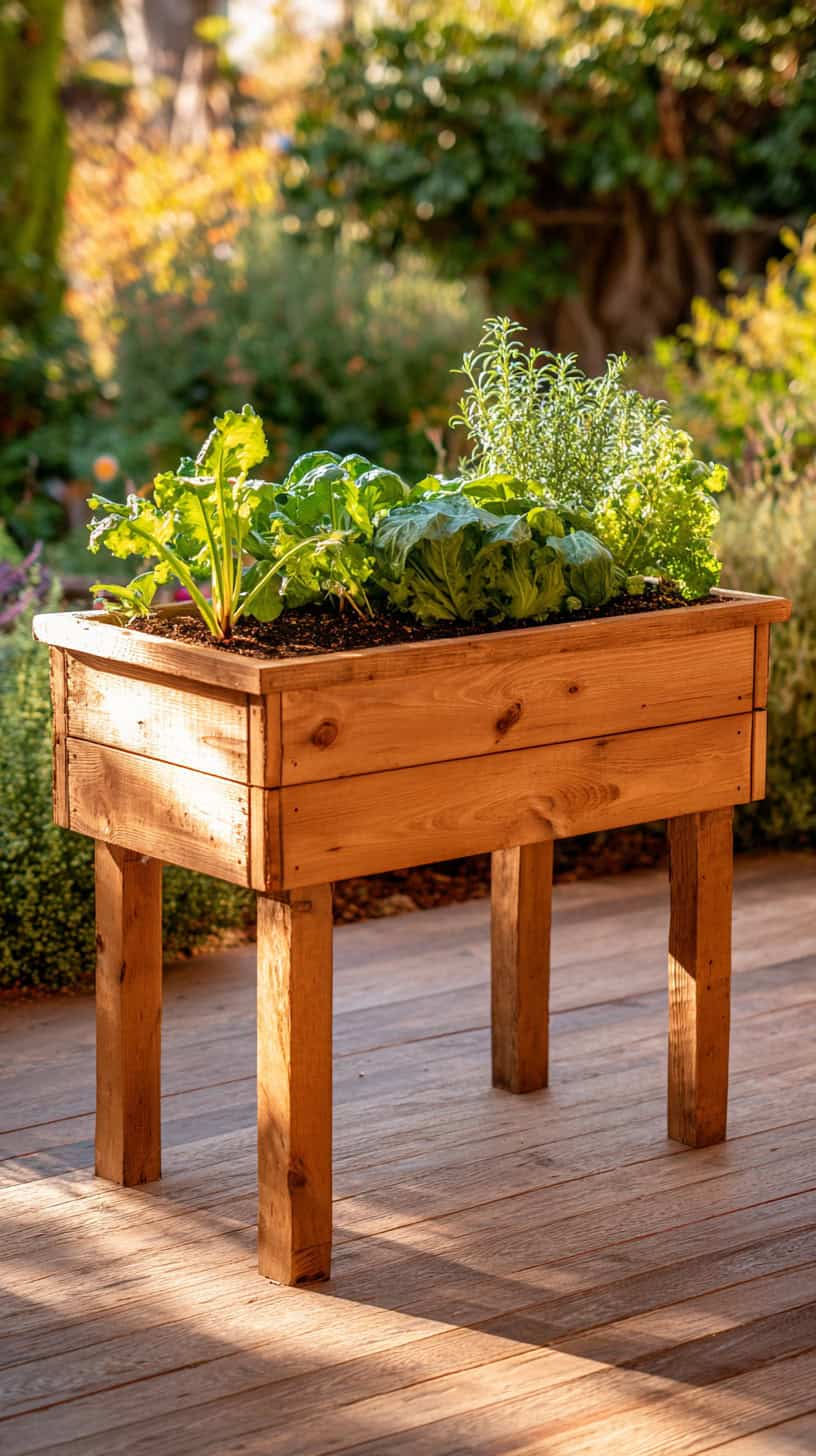
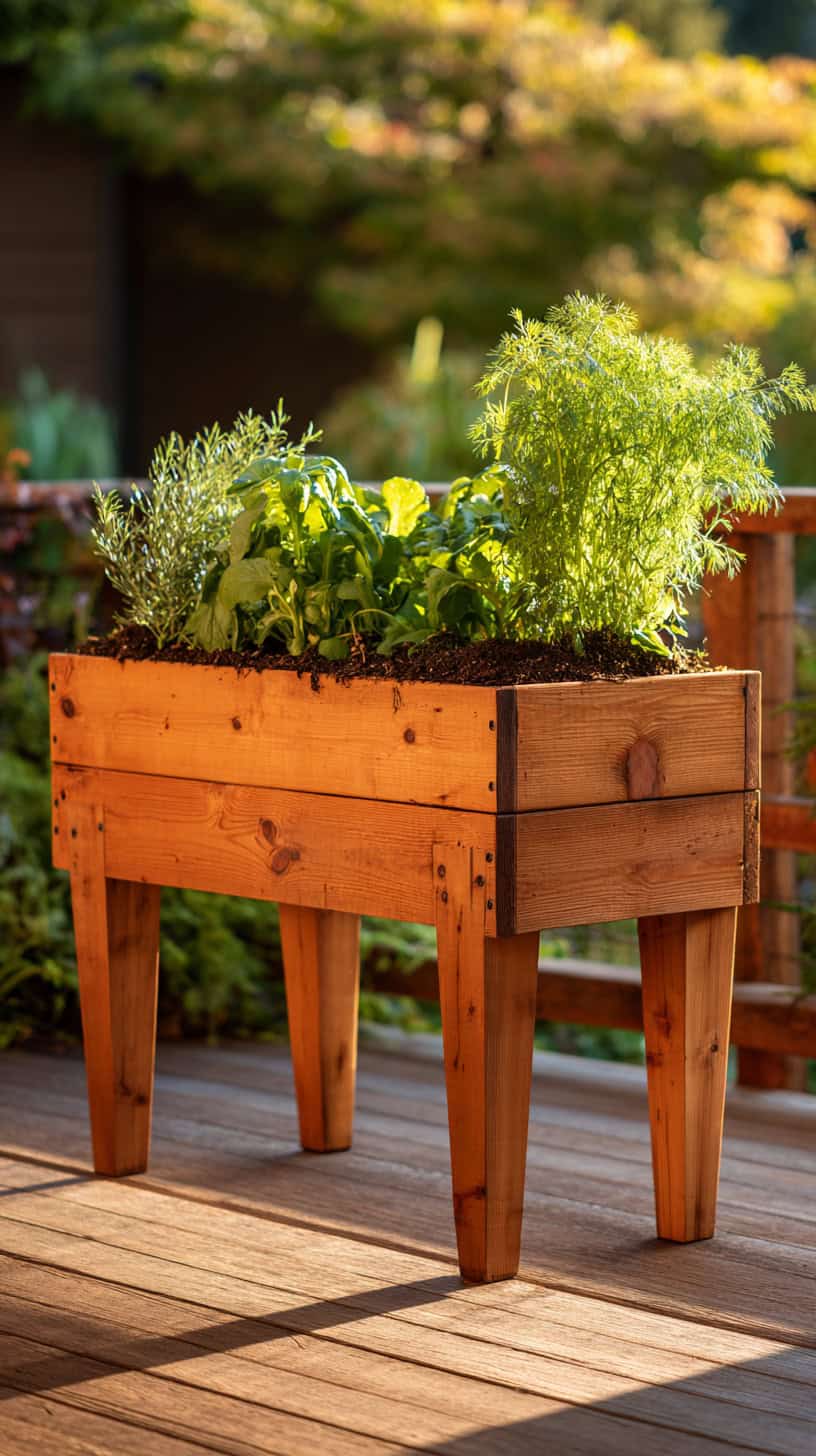
Waist-high elevated planters transform vegetable gardening into a comfortable, back-saving activity that seniors and anyone with mobility challenges can truly enjoy. These diy elevated garden bed designs bring the garden up to you, eliminating the need for constant bending and kneeling that makes traditional gardening exhausting. Built on sturdy legs, these planters provide excellent drainage while creating attractive focal points that work beautifully on patios, decks, or along walkways. The table-height design makes it easy for kids to help with planting and harvesting without climbing or stretching dangerously. I’ve discovered these raised structures also deter ground-dwelling pests like rabbits and some insects from reaching your precious crops. The space underneath offers convenient storage for watering cans, hand tools, and garden supplies you want close at hand. You can build these veggie garden ideas with simple framing techniques and line them with landscape fabric before filling with quality soil mix.
Brick Stack Layout
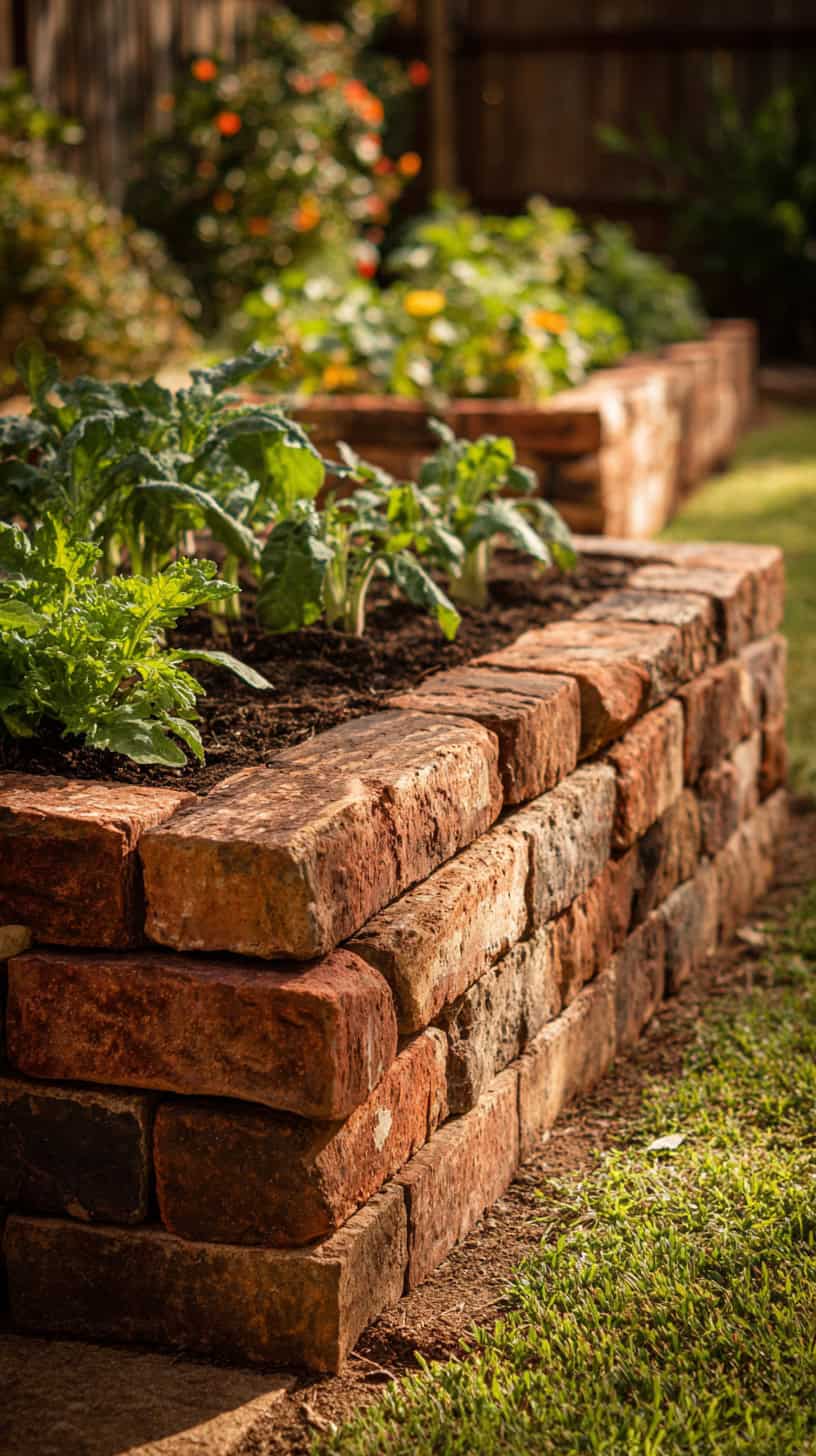
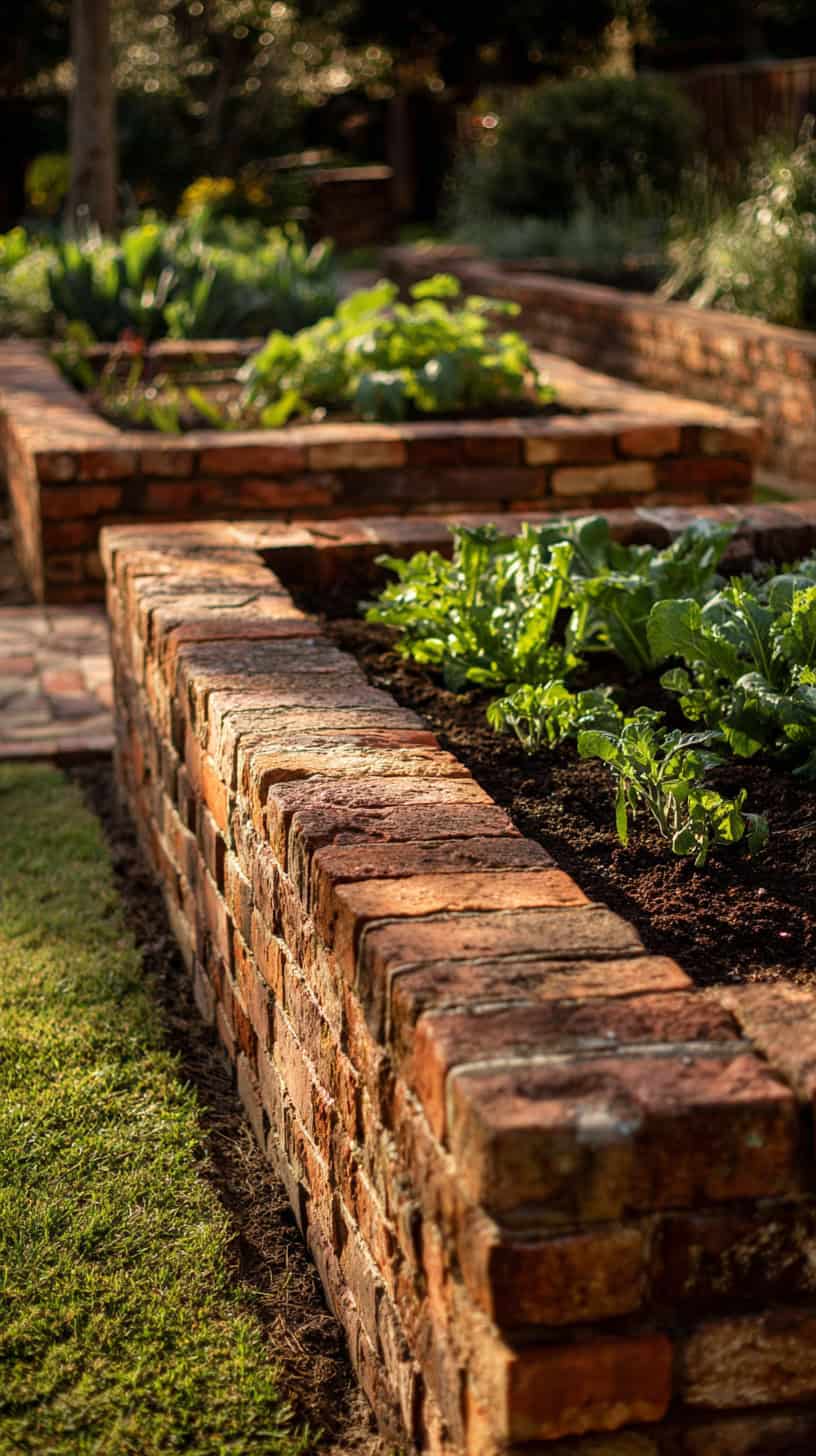
Reclaimed bricks create charming raised garden beds that add historical character and warm earthy tones to any backyard vegetable garden beds design. Stacking bricks in running bond patterns requires no mortar for beds up to three courses high, making this an accessible weekend project for families. The traditional appearance of brick works beautifully in formal potager garden layouts where symmetry and classic elegance matter as much as productivity. I love how the rough texture and weathered patina of old bricks tell stories while creating functional growing spaces for herbs and vegetables. The thermal mass of brick absorbs daytime heat and releases it slowly at night, protecting tender plants from light frosts. You can incorporate curves and circular designs easily with bricks, creating garden beds ideas that flow organically through your landscape. The narrow profile of stacked brick means you lose less planting space compared to thicker timber or block walls.
DIY Pallet Boxes
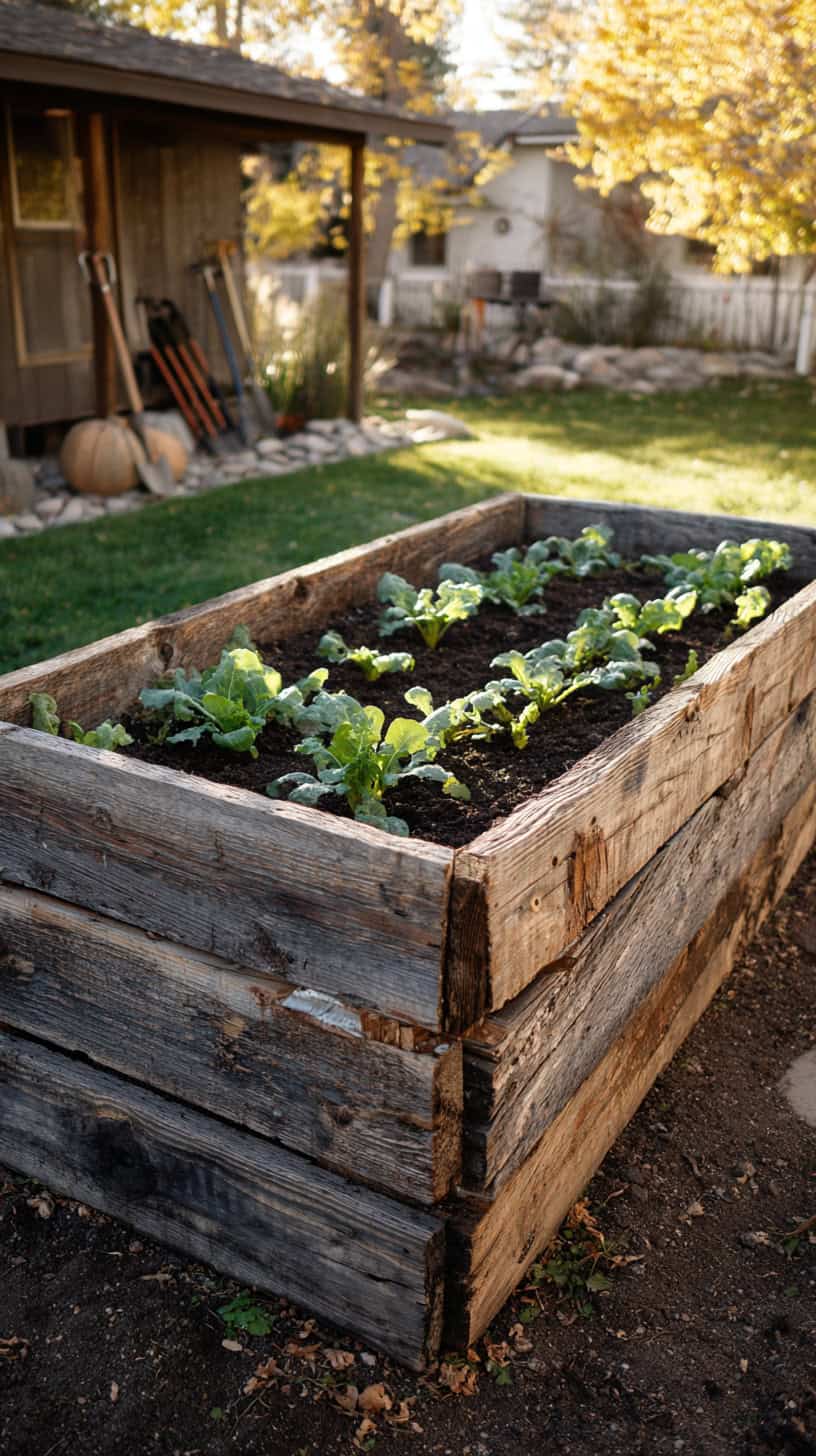
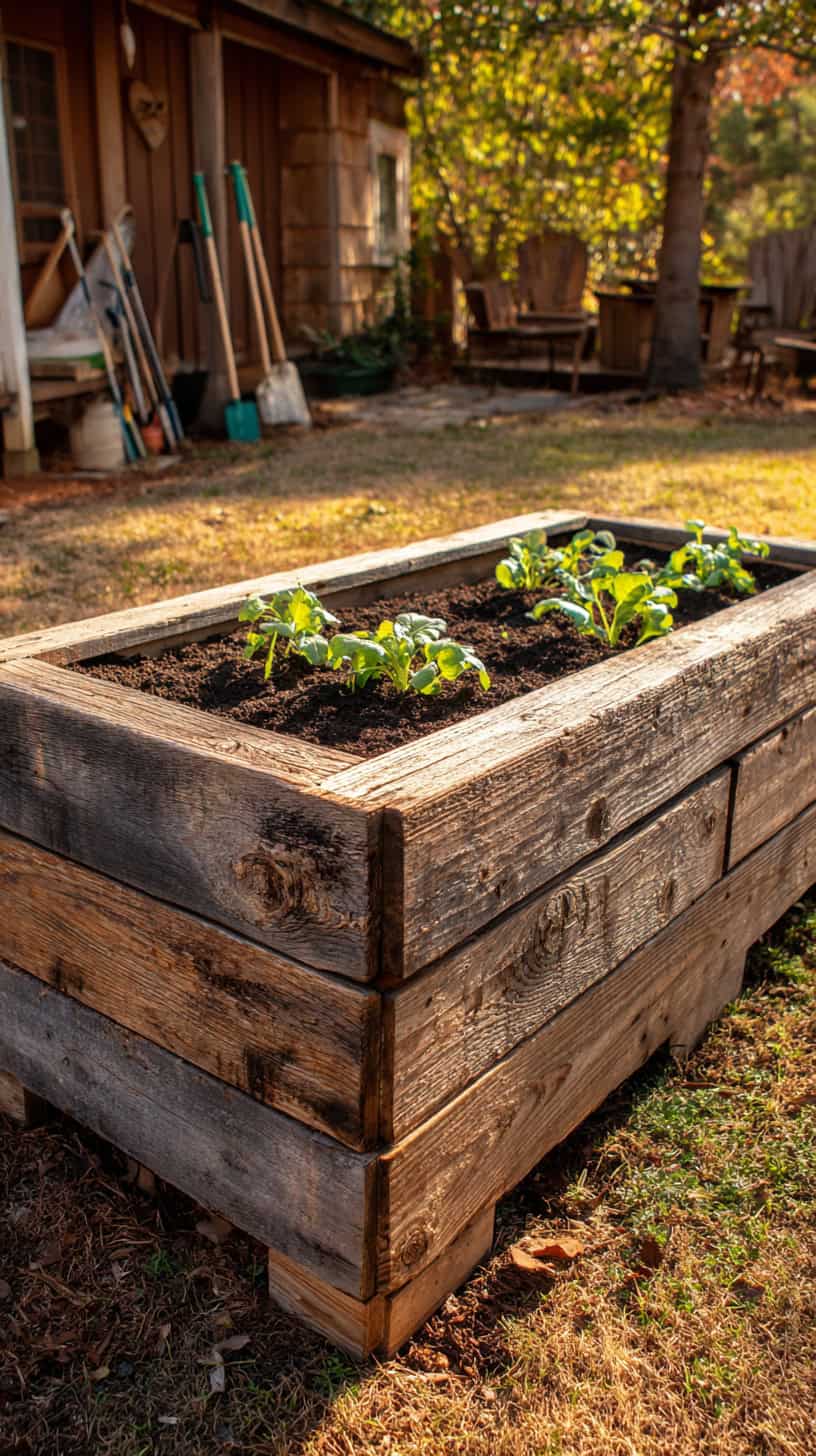
Free shipping pallets transform into budget-friendly raised beds diy projects that prove productive gardens don’t require expensive materials or specialized skills. Breaking down pallets and reassembling the boards into simple rectangular boxes takes just an afternoon and basic tools you probably already own. The rustic, weathered look of pallet wood adds cottage garden charm while the sturdy construction handles the weight of soil-filled vegetable garden beds beautifully. I always recommend lining pallet boxes with landscape fabric to prevent soil loss through gaps between boards while still allowing excellent drainage. These diy garden beds work wonderfully for teaching kids about sustainability and repurposing materials that might otherwise end up in landfills. You can customize heights easily by adjusting how you stack and attach the pallet boards to create comfortable working levels. The natural variation in wood tones creates visual interest, and you can leave them natural or paint them in cheerful colors that make your garden space feel more playful.
Modular Square Beds
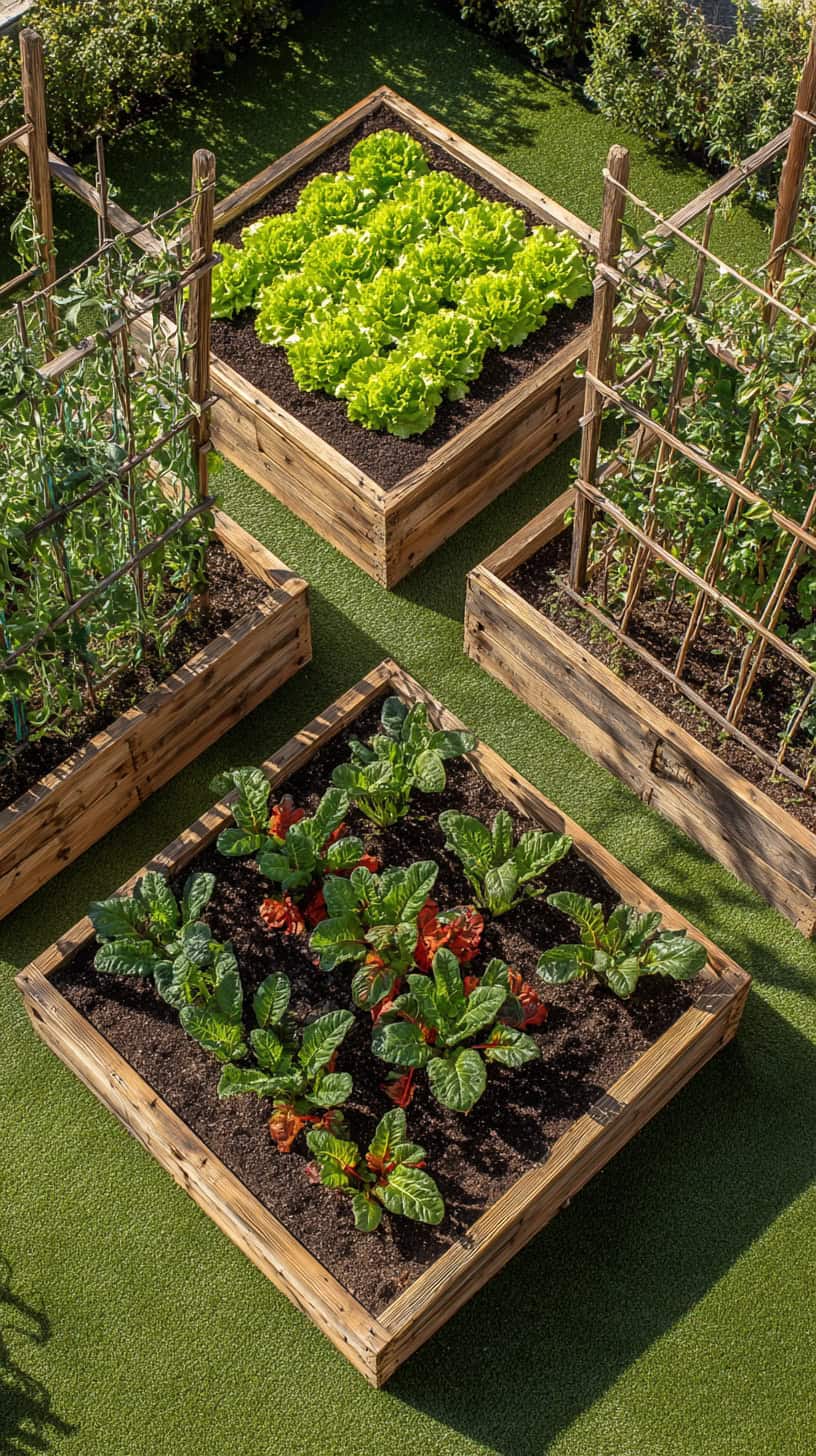
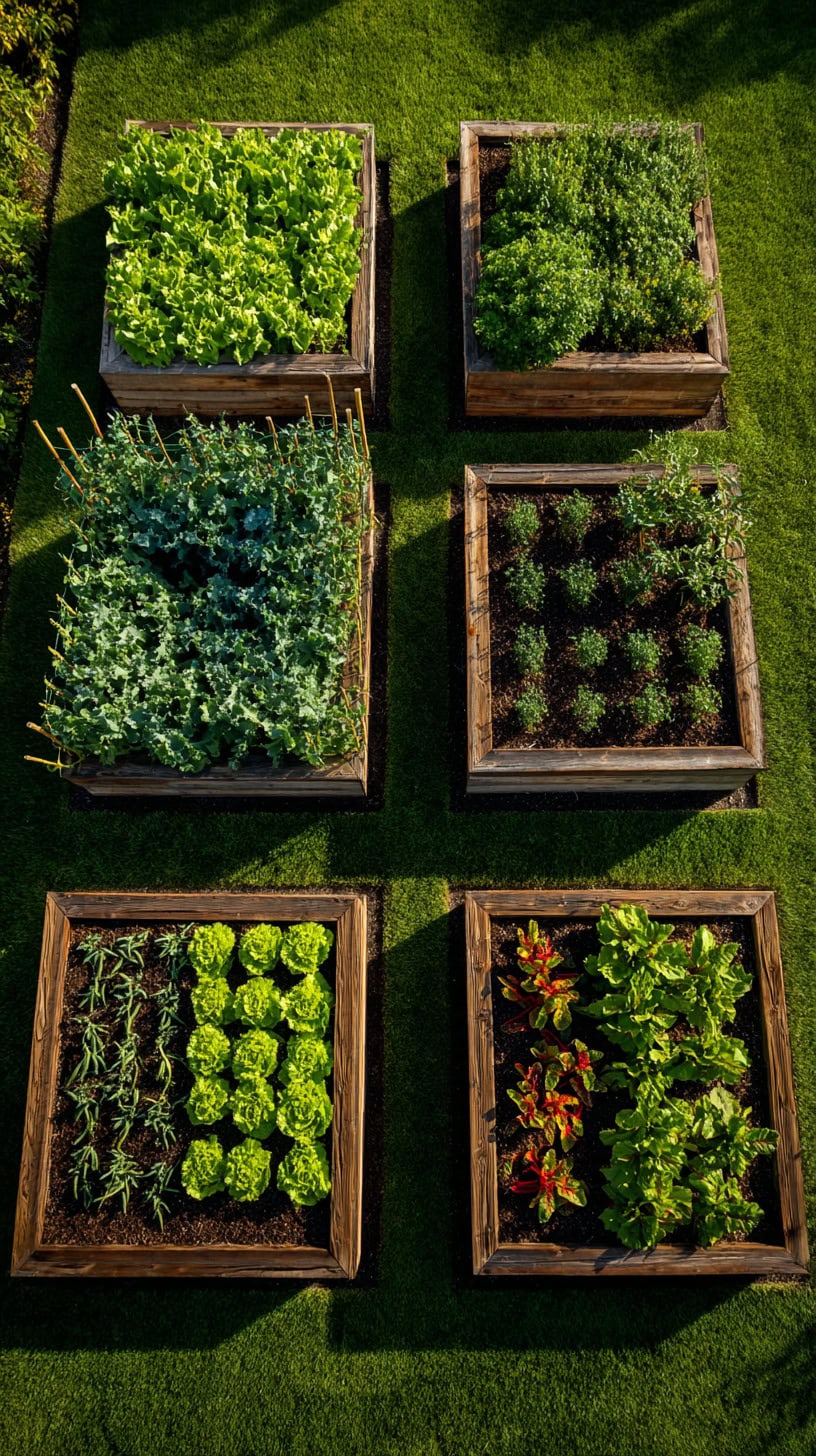
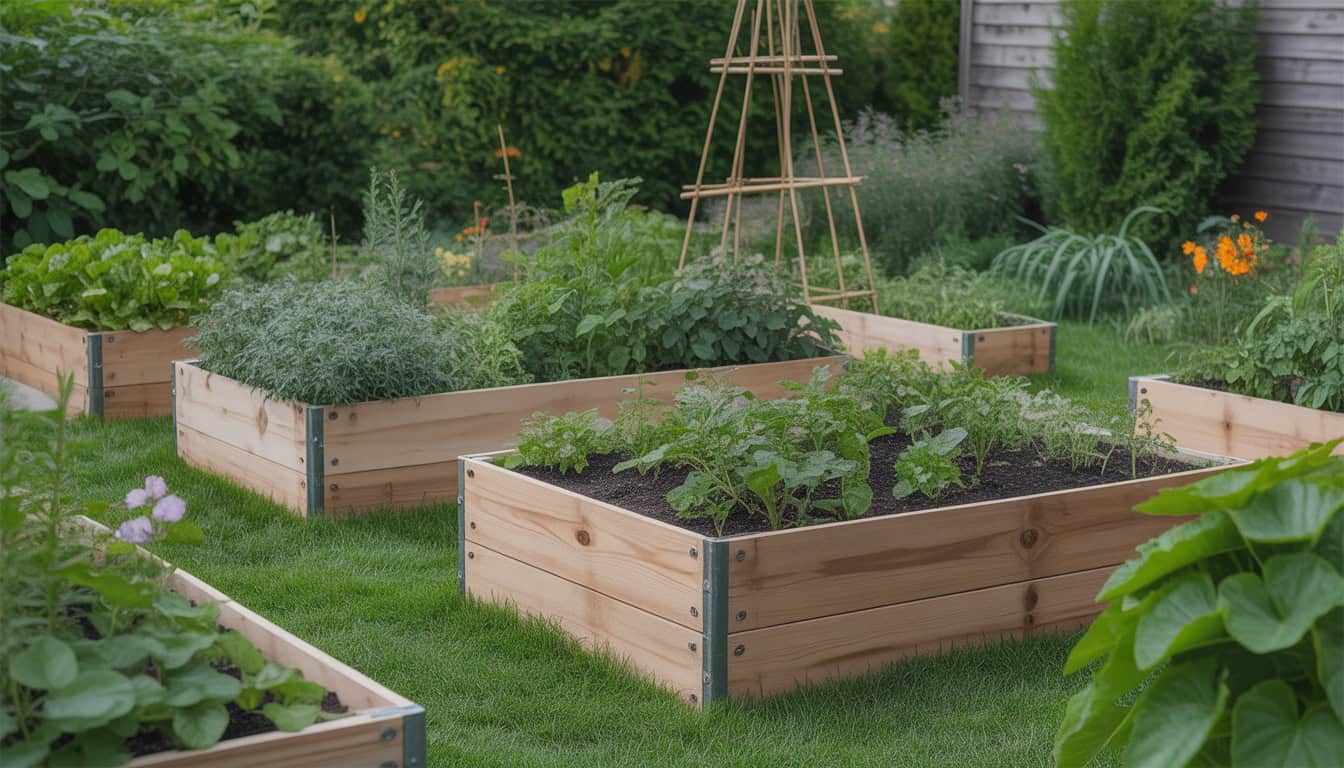
Grid-style modular beds create organized, productive veggie garden ideas that maximize every inch of growing space through intensive planting techniques. These identical square sections, typically 3×3 or 4×4 feet, make crop rotation simple and help families plan succession plantings throughout the growing season. The uniform sizing creates a neat, purposeful appearance that appeals to gardeners who love order and efficient space management. I appreciate how modular designs let you start small with just one or two boxes and expand your garden as your confidence grows. The square-foot gardening method works perfectly in these raised beds diy structures, allowing you to grow remarkable variety in compact areas. Pathways between modules provide easy access from all sides without compacting soil or struggling to reach the center. Kids enjoy the puzzle-like nature of planning what goes in each square, making garden planning a fun family activity around the kitchen table.
Long Linear Borders
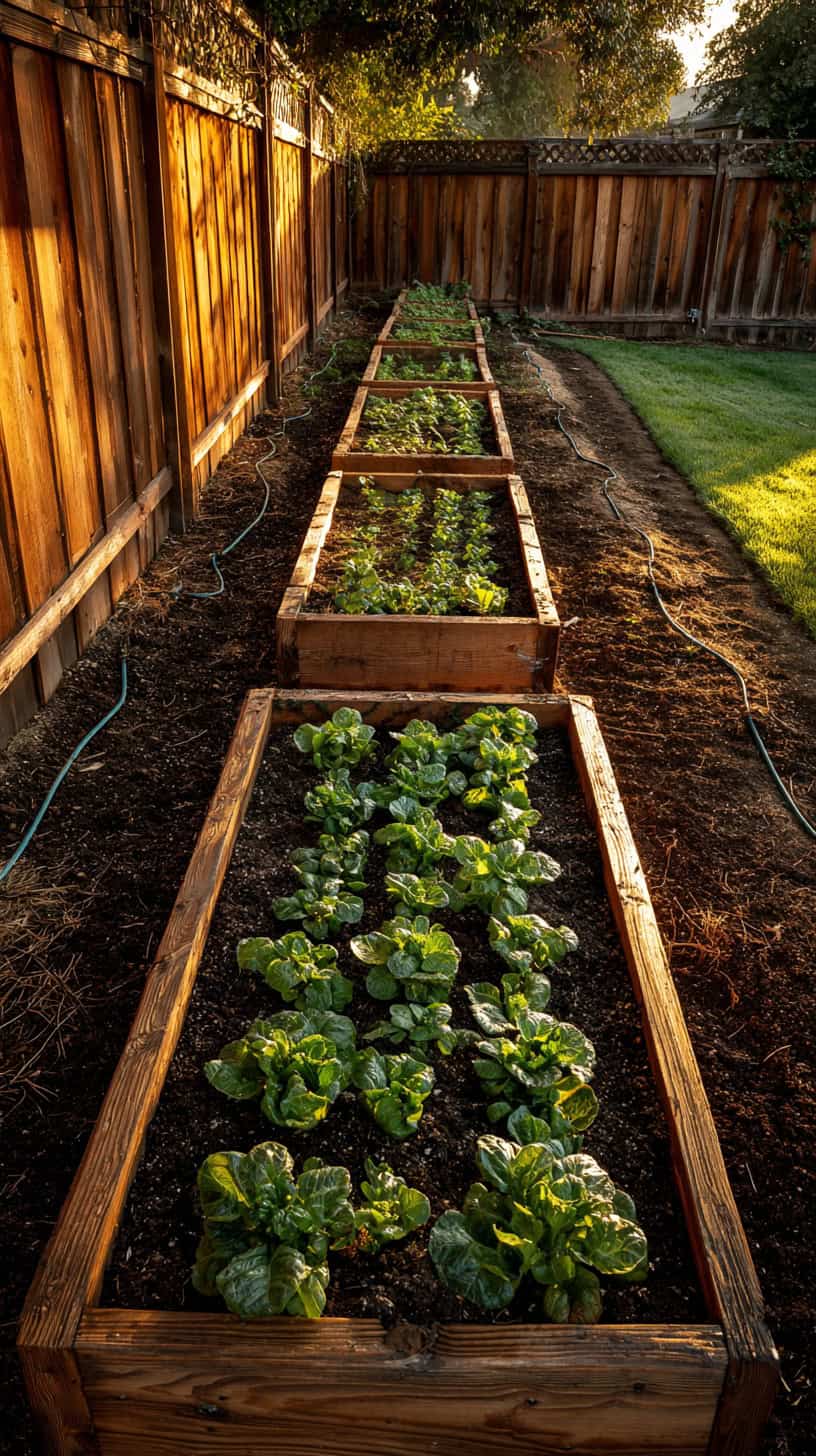
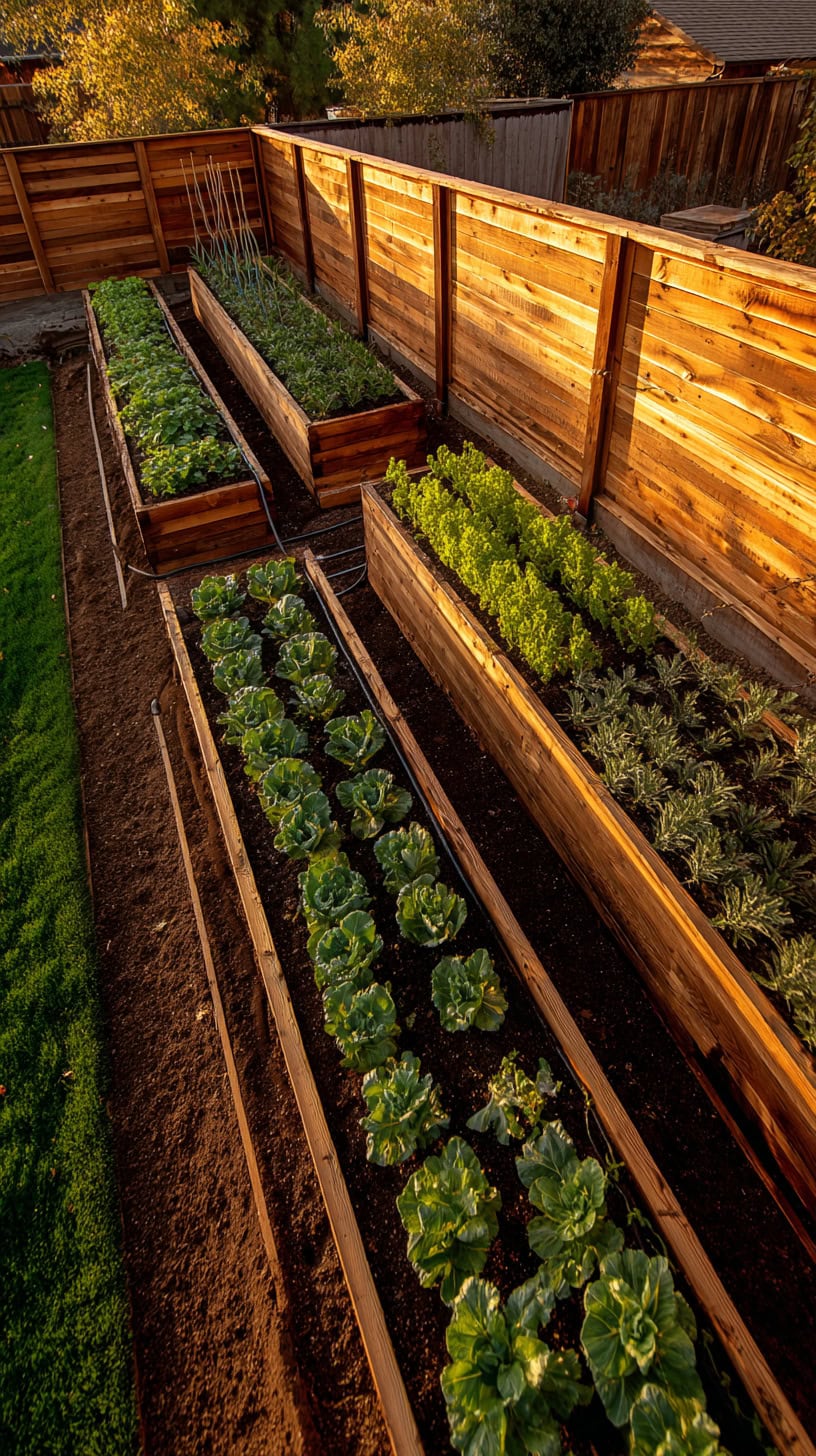
Narrow raised beds running along fence lines or property boundaries create productive edges that maximize growing space without consuming your entire yard. These long, slim designs work brilliantly for small vegetable gardens where every square foot counts but you still want room for lawn or play areas. The linear layout simplifies drip irrigation installation and makes row covers easy to position over temperature-sensitive crops during unpredictable spring weather. I love how these garden beds ideas create natural divisions between different garden zones while adding vertical interest when you train climbing beans or cucumbers up trellises behind them. The narrow width, typically 18 to 24 inches, means you can easily reach the center from either side without stepping into the bed. These borders work beautifully for cut flower gardens mixed with herbs and edibles in true potager garden style. The length provides enough space for proper crop rotation while the slim profile keeps maintenance manageable for busy families.
Potager Kitchen Garden

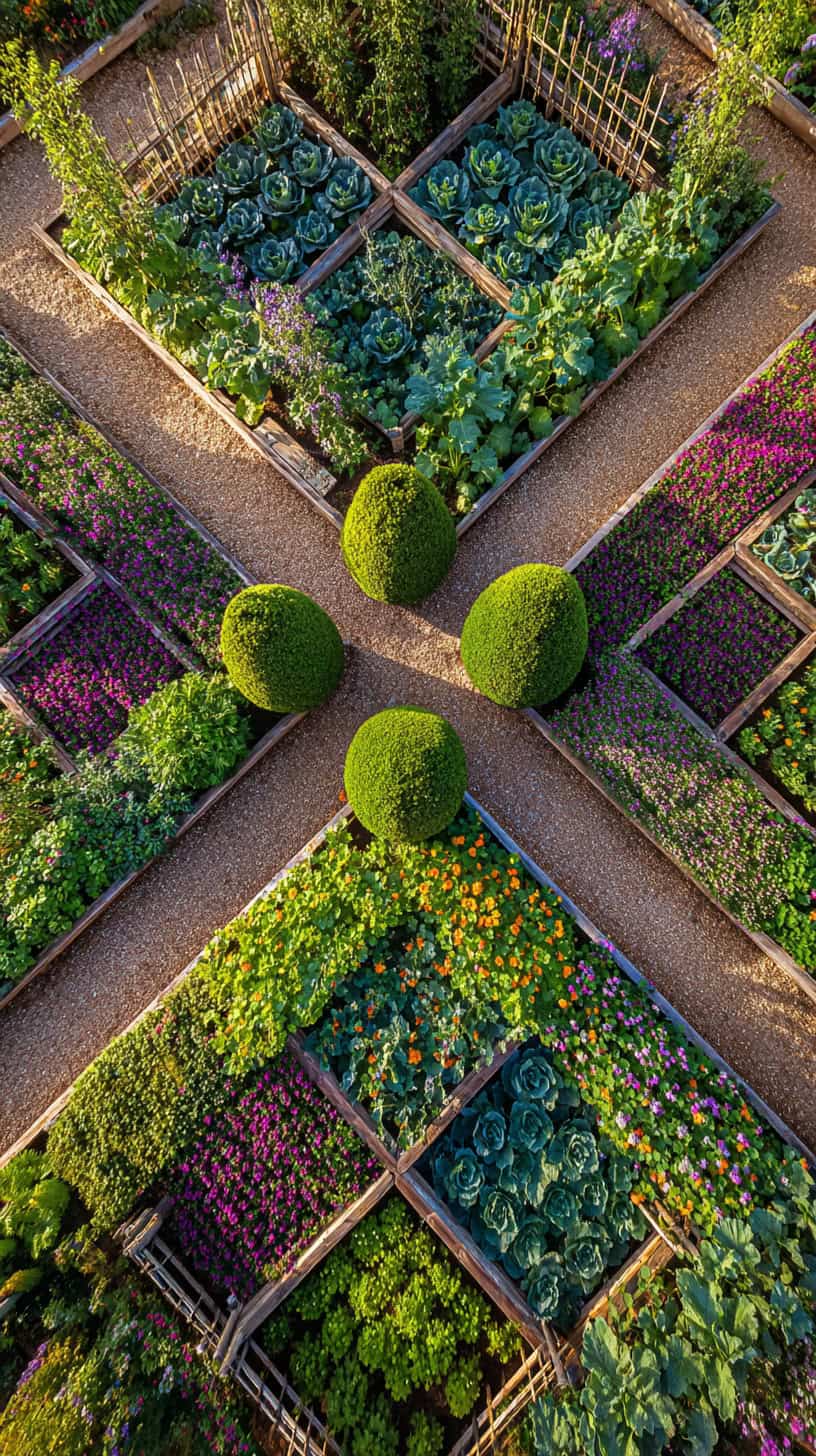
French-inspired potager designs combine vegetables, herbs, and flowers in raised beds diy layouts that are as beautiful as they are productive and practical. These ornamental kitchen gardens emphasize geometric patterns, symmetrical plantings, and combinations that delight the eye while feeding the family throughout summer. Traditional potager garden designs feature decorative elements like corner plantings of standards roses or evergreen topiaries that provide year-round structure and elegance. I’m always amazed how mixing frilly lettuce with bright marigolds and purple basil creates displays worthy of garden tours while producing abundant harvests. The formal paths between beds, often covered with gravel or brick, keep muddy feet from tracking through the house during harvest runs. These vegetable garden beds celebrate the beauty of edibles and prove that productive spaces can rival flower gardens for visual appeal. Kids love the treasure-hunt feeling of discovering ripe strawberries hiding beneath leaves or spotting tomatoes turning red among ornamental plantings.
Three-Row Veggie Layout
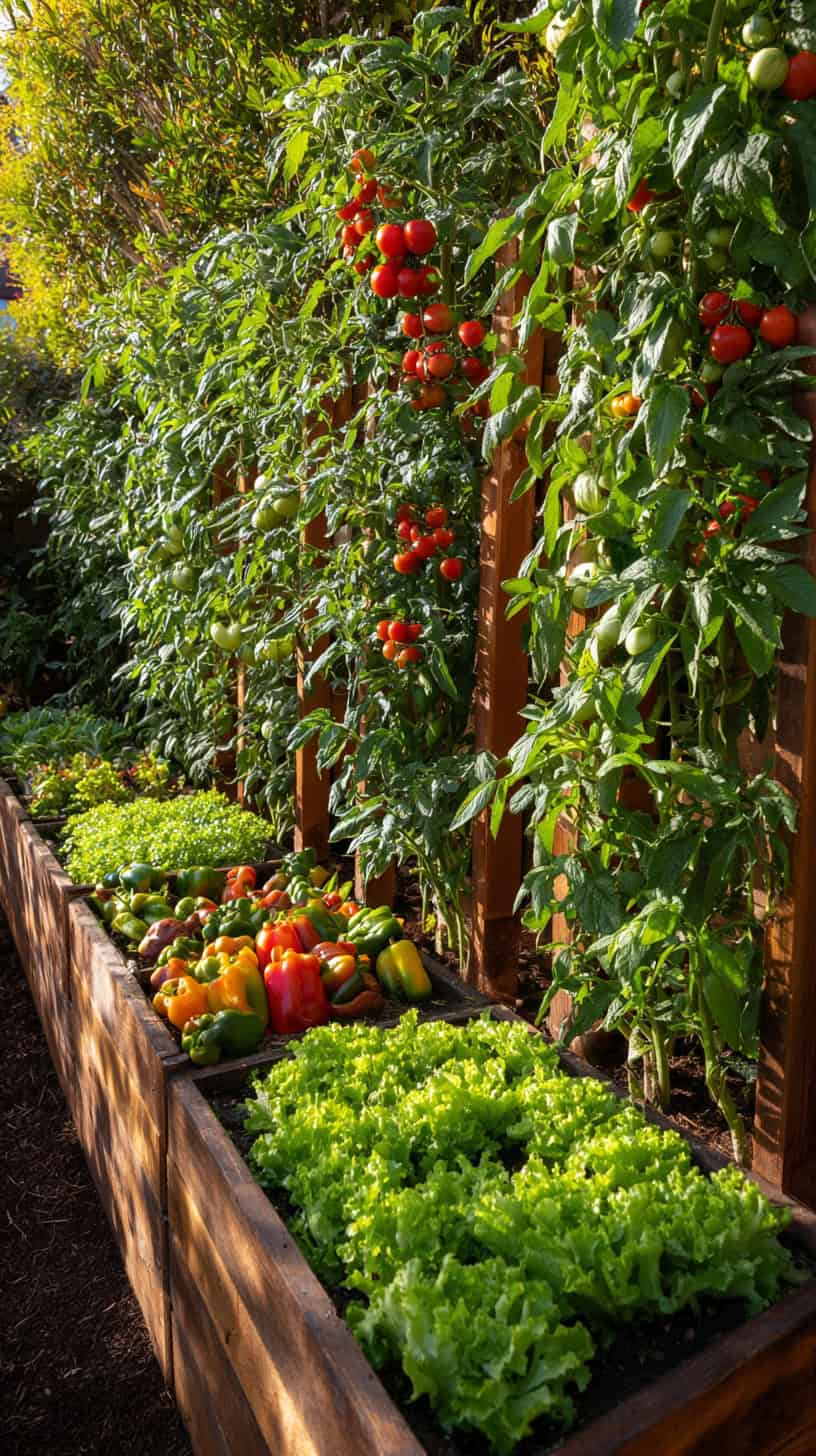
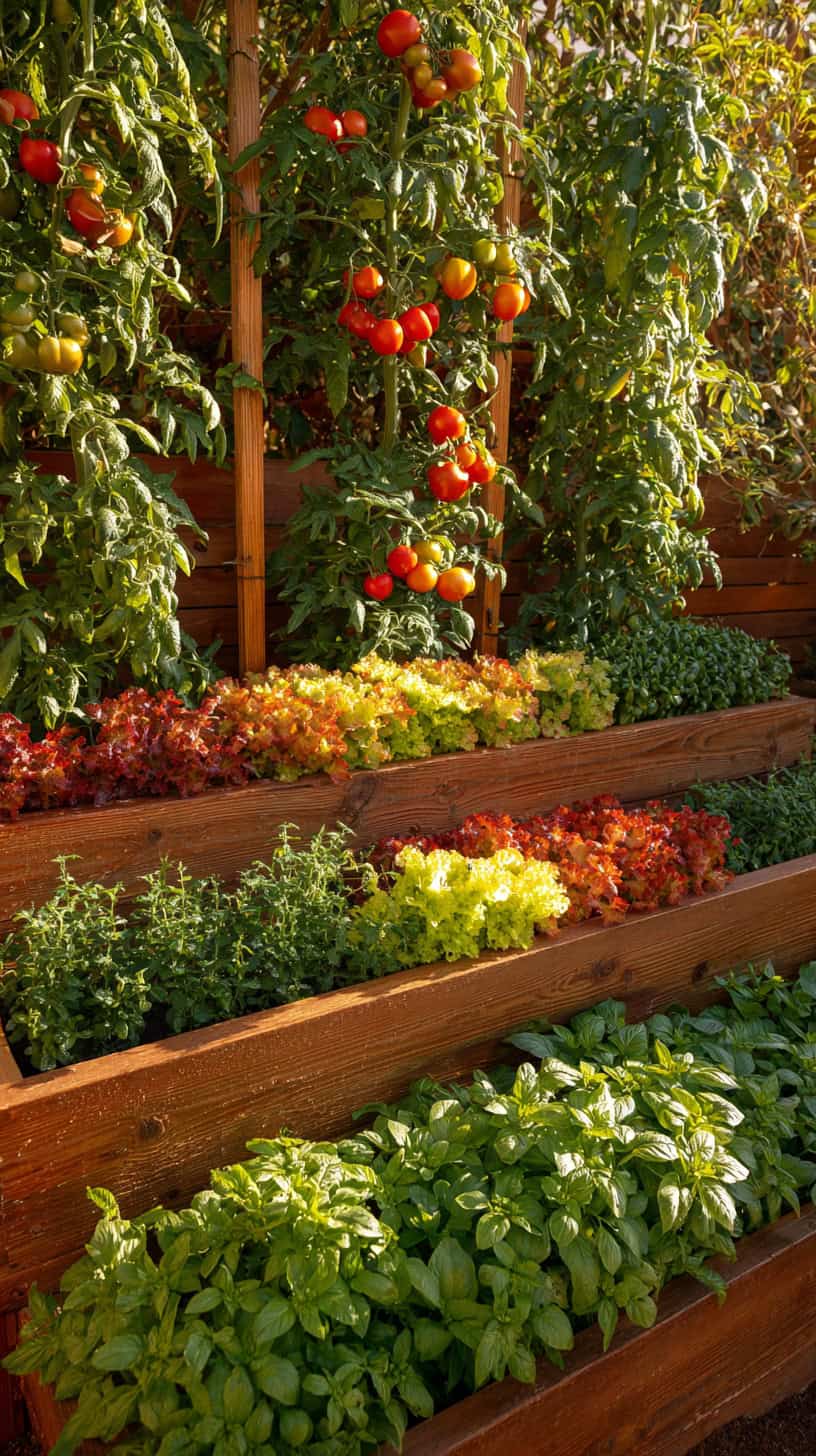
Triple-row raised beds maximize vertical space by training crops at different heights within a single wide growing box perfect for productive small vegetable gardens. The back row features tall crops like tomatoes or pole beans on trellises, middle rows hold medium plants like peppers or cabbage, and front edges showcase low growers like lettuce or herbs. This tiered approach to planting ensures every plant receives adequate sunlight while making efficient use of your diy garden beds footprint. I’ve found this layout particularly helpful for companion planting strategies where tall crops provide afternoon shade for heat-sensitive greens below. The organized rows simplify harvest planning since you can plant successions of quick crops in the front while slower-maturing plants develop in back. Teaching kids about plant heights and mature sizes becomes a hands-on lesson when they help plan the three-tier arrangement each spring. These veggie garden ideas work beautifully against walls or fences where you can install sturdy trellising for climbing crops.
Squash Arbor Pathway
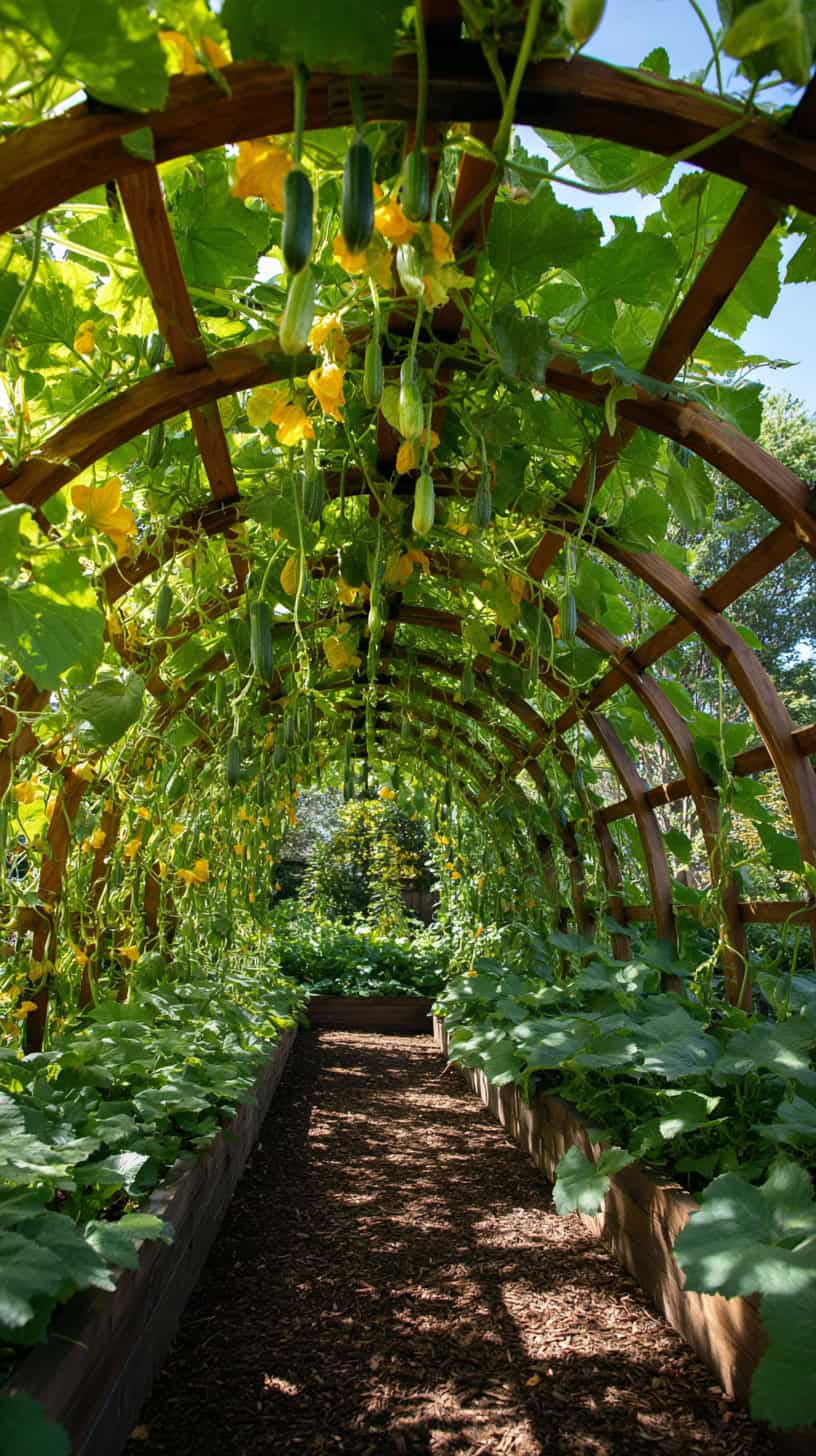
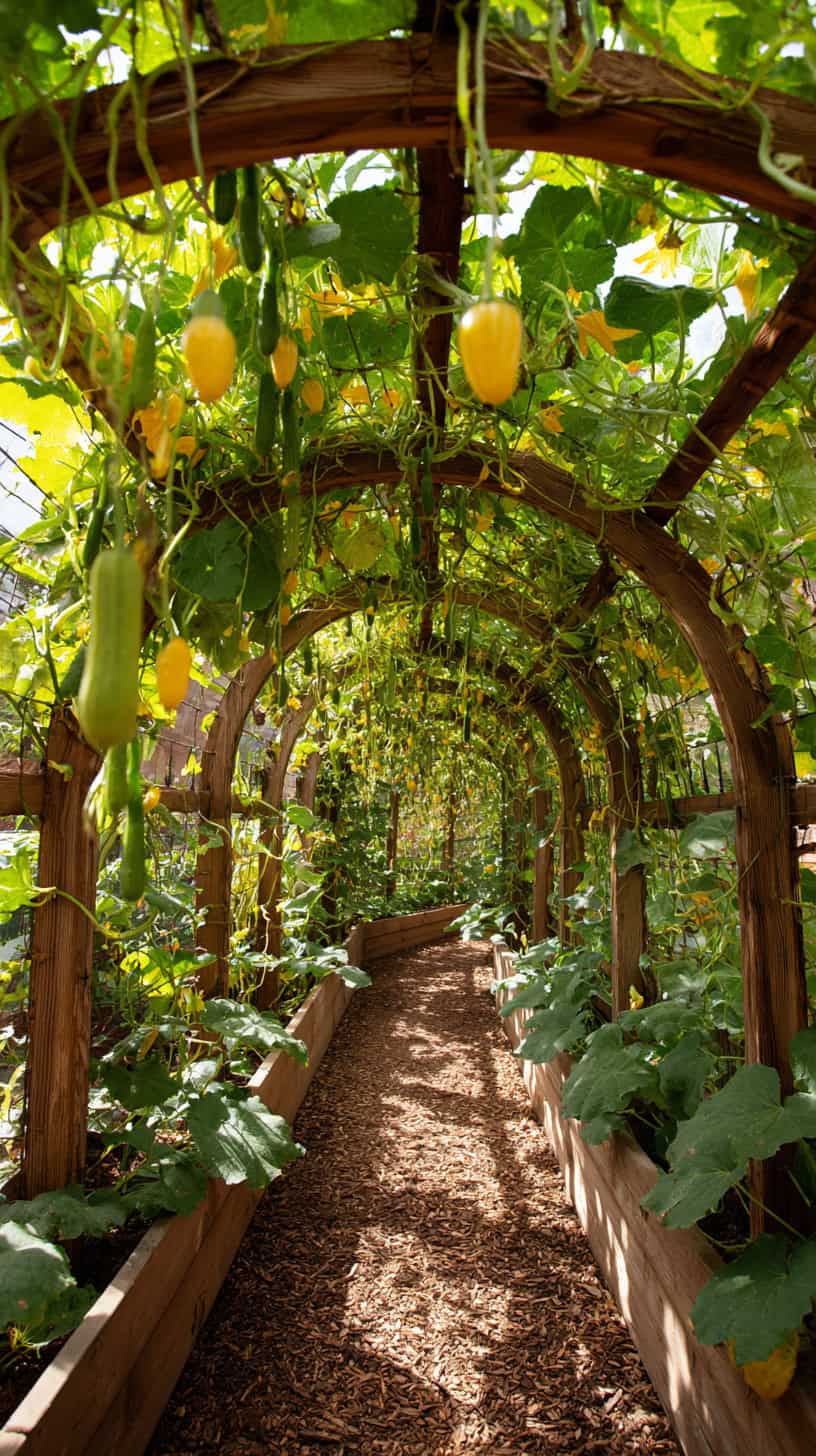
Arched trellises spanning raised beds create magical tunnel pathways where squash, cucumbers, and melons grow overhead while maximizing ground-level planting space. These vertical growing techniques turn diy elevated garden bed designs into three-dimensional production zones that kids find absolutely enchanting to walk through during harvest time. Training vining crops upward improves air circulation around leaves and fruit, reducing disease problems while making pest inspection easier from comfortable standing positions. I love how the shaded pathway underneath stays cooler during summer heat waves and provides a pleasant microclimate for shade-tolerant crops like lettuce. The arbor structure makes harvesting dangling fruits effortless compared to hunting through tangled ground vines where squash hide until they’re enormous. These garden beds ideas create stunning focal points that draw visitors through your landscape while producing remarkable yields from relatively small footprints. You can build simple arched supports from cattle panels, PVC pipe, or wooden frames depending on your budget and desired aesthetic.
Small Space Veggie Patch
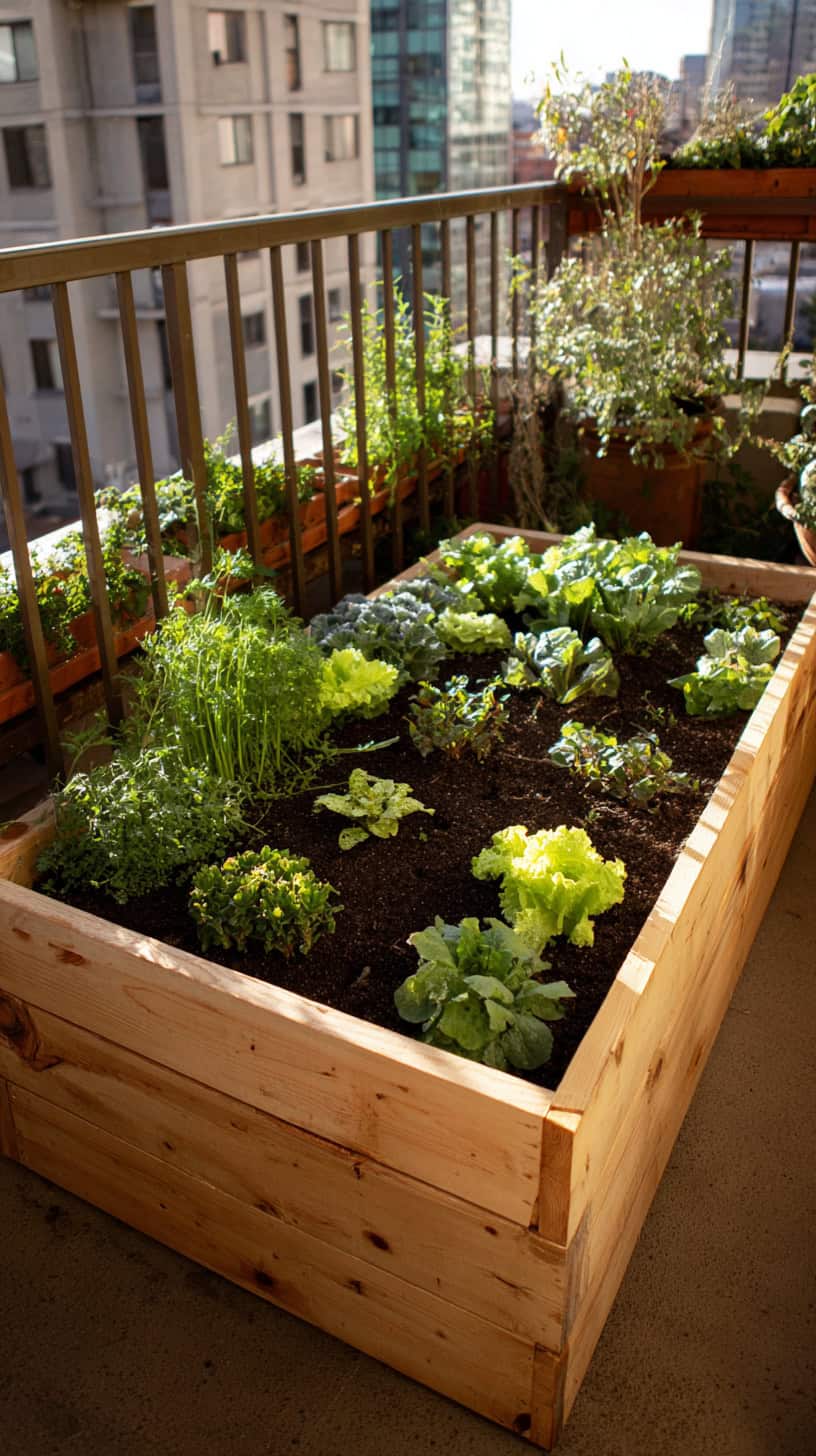
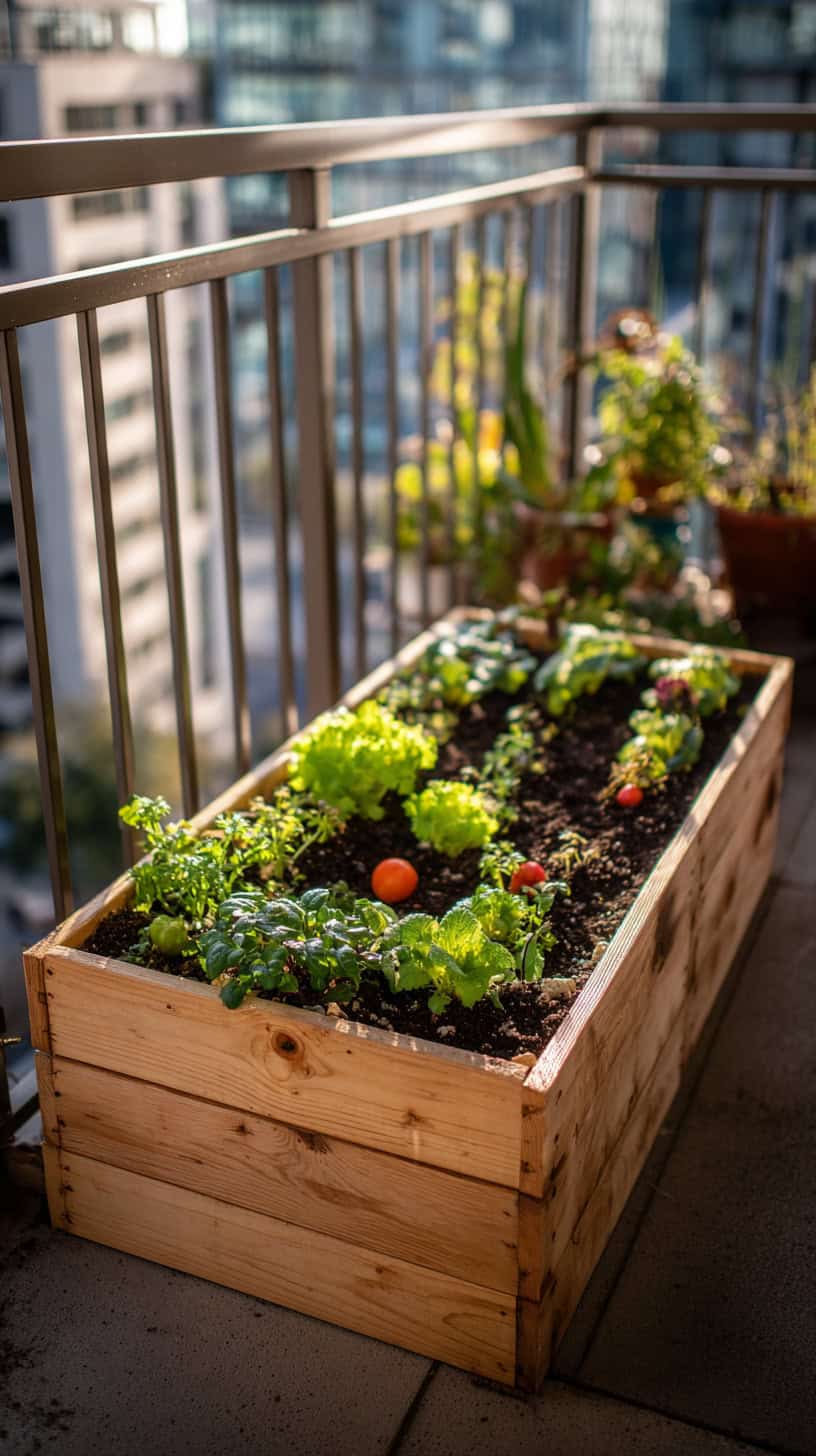
Compact raised beds designed specifically for tiny yards, balconies, or patios prove you don’t need sprawling space to enjoy homegrown produce with your family. These scaled-down vegetable garden beds, typically 2×4 feet or smaller, fit perfectly in urban settings where every square foot matters and growing space comes at a premium. Intensive planting methods like square-foot gardening help maximize production from these small footprints without overwhelming beginning gardeners with complexity. I’ve successfully grown complete salad gardens, herb collections, and even compact tomato varieties in these petite raised beds diy projects that require minimal investment. The manageable size means less soil to purchase, fewer plants to maintain, and harvests that match what small families can actually consume before produce spoils. Kids feel genuine ownership over gardens sized just for them where they can reach everything without help and manage all the care independently. These small vegetable gardens often produce more abundantly than large plots because the concentrated attention prevents neglect and encourages consistent care.
Corner Raised Triangle
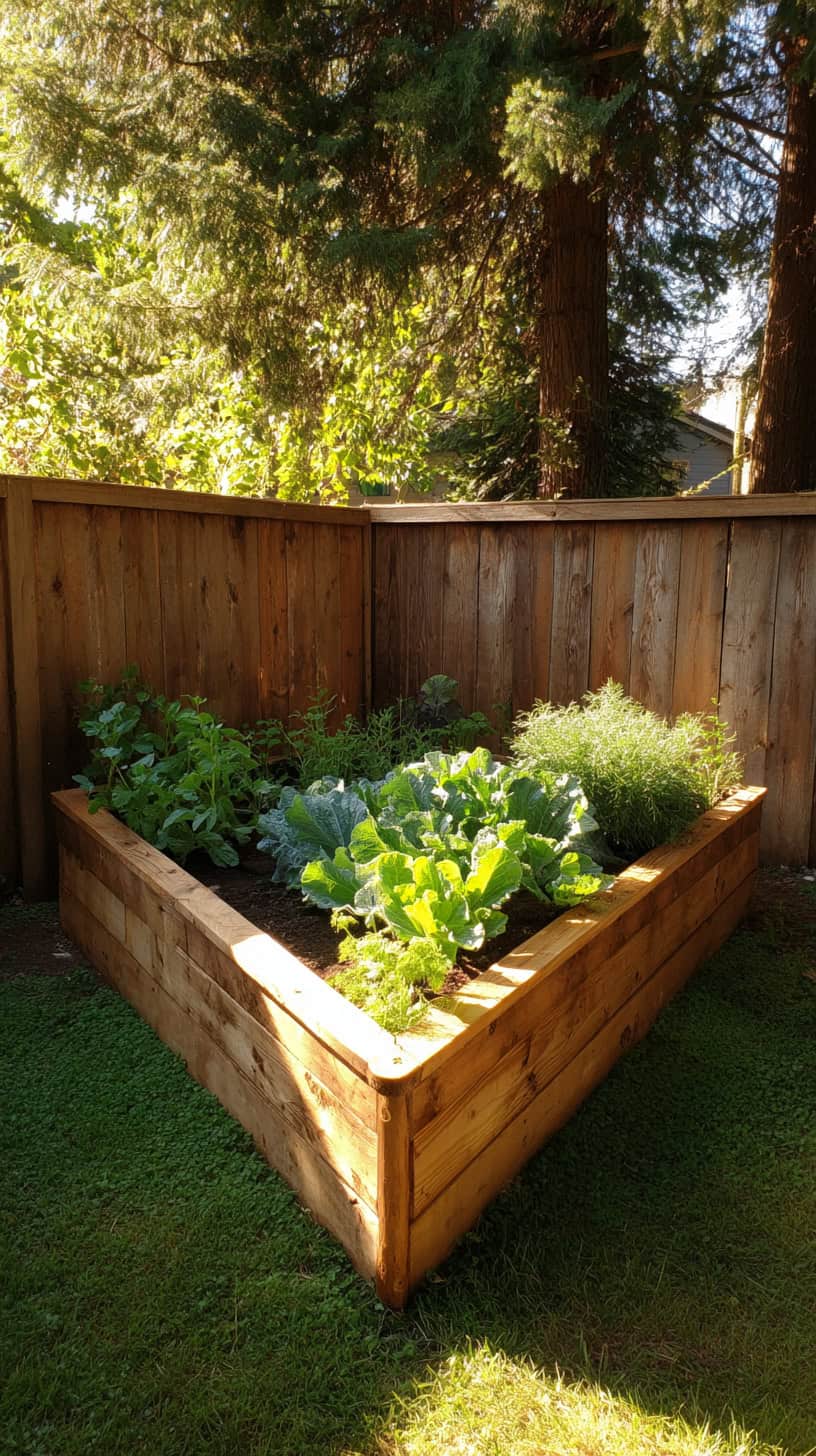
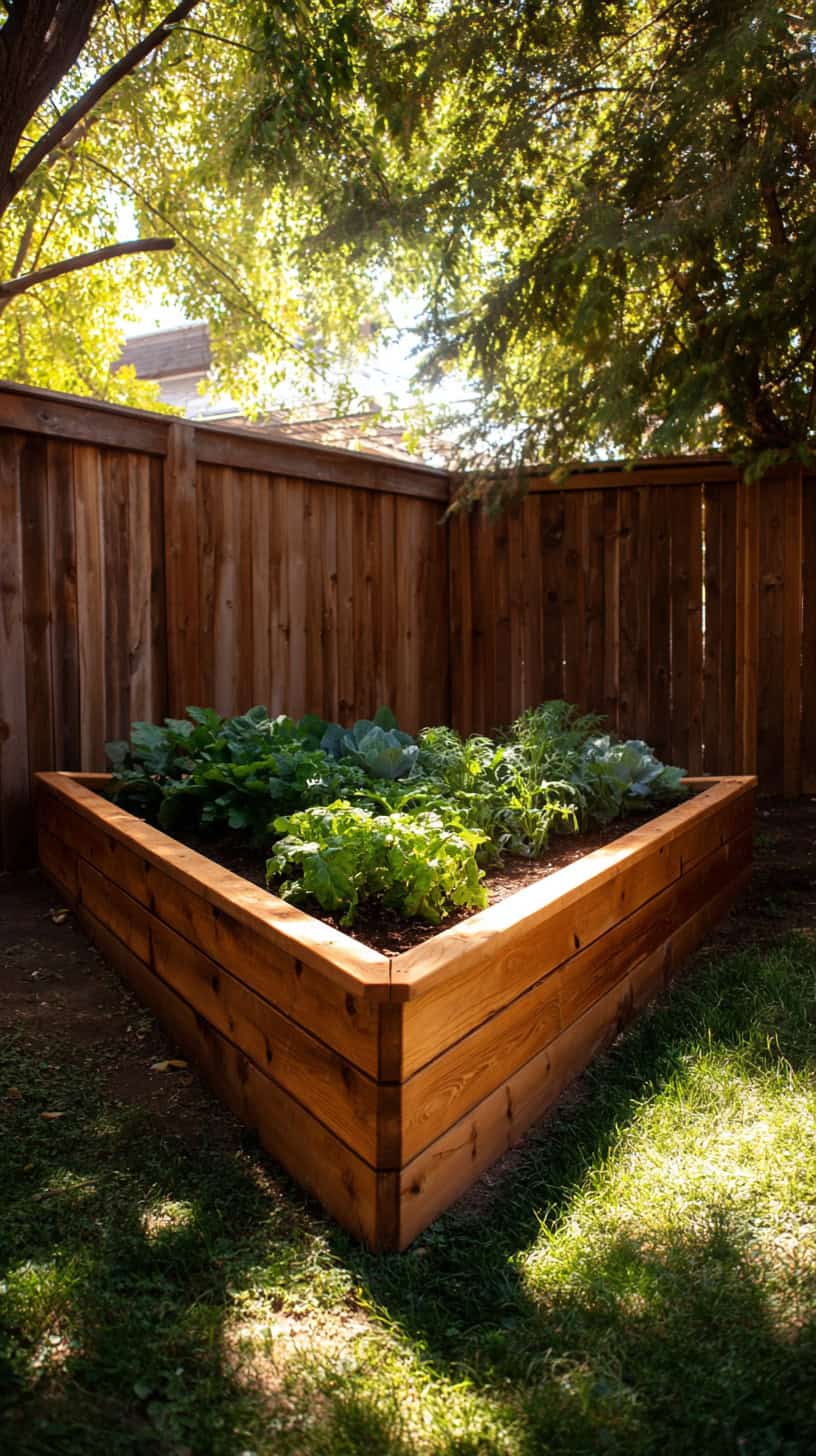
Triangular raised beds tucked into yard corners transform awkward, underutilized spaces into productive growing areas that surprise everyone with their generous capacity. These geometric diy garden beds fit perfectly where rectangular boxes would leave wasted gaps or extend beyond property lines into pathways or neighboring yards. The angled design creates interesting visual variety that breaks up the predictable rectangular pattern common in most garden layouts. I appreciate how corner triangles often capture unique microclimates with different sun exposure and wind protection compared to center-yard locations. Building triangular frames requires slightly more careful measuring and angle cuts but remains achievable for families comfortable with basic carpentry and geometry. These veggie garden ideas work wonderfully for highlighting special plantings like strawberry patches or herb collections that deserve focal-point attention. The converging sides naturally draw the eye inward, creating psychological emphasis that makes these corners feel intentional rather than like afterthought additions.
Layered Herb Stacks
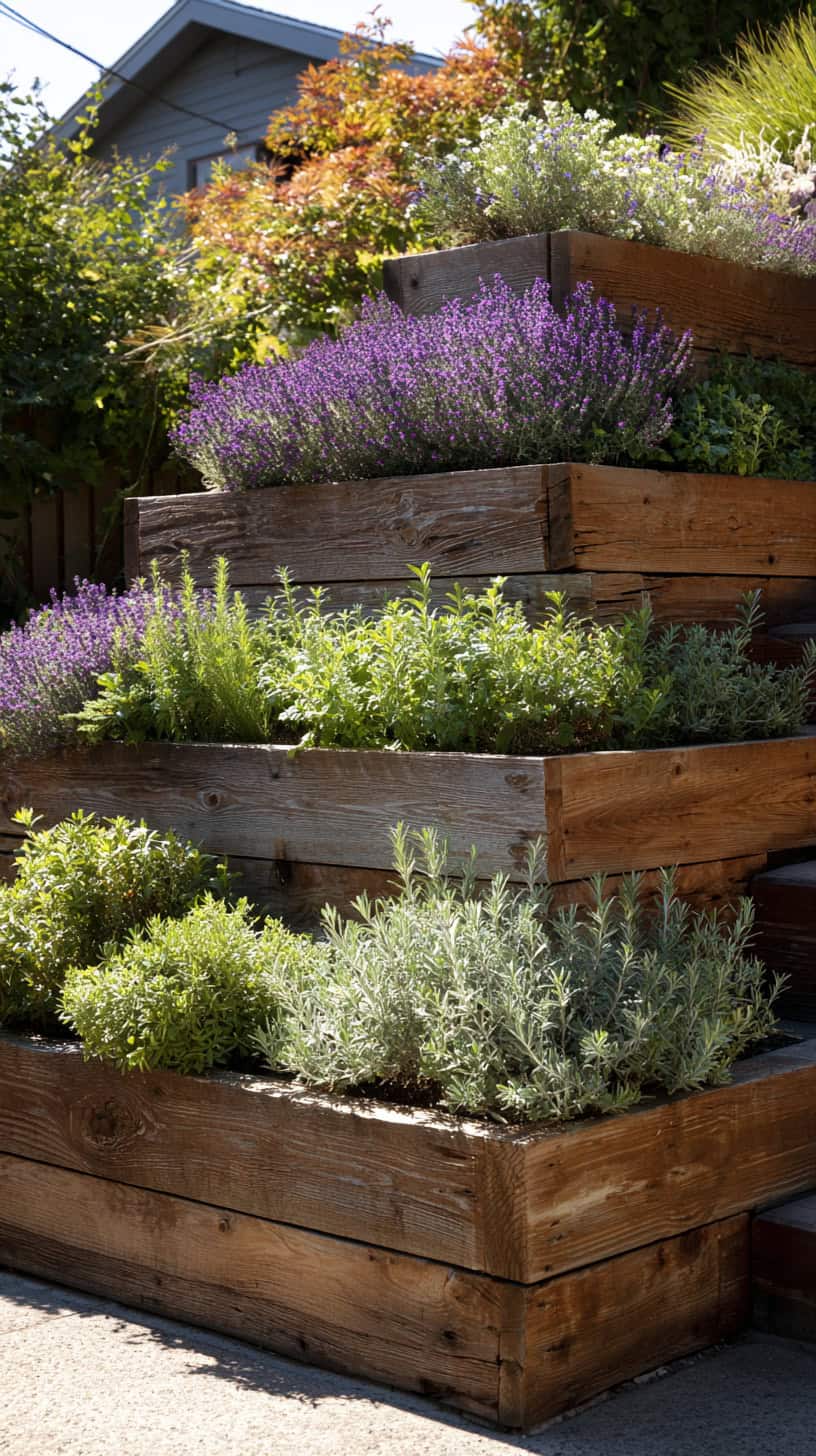
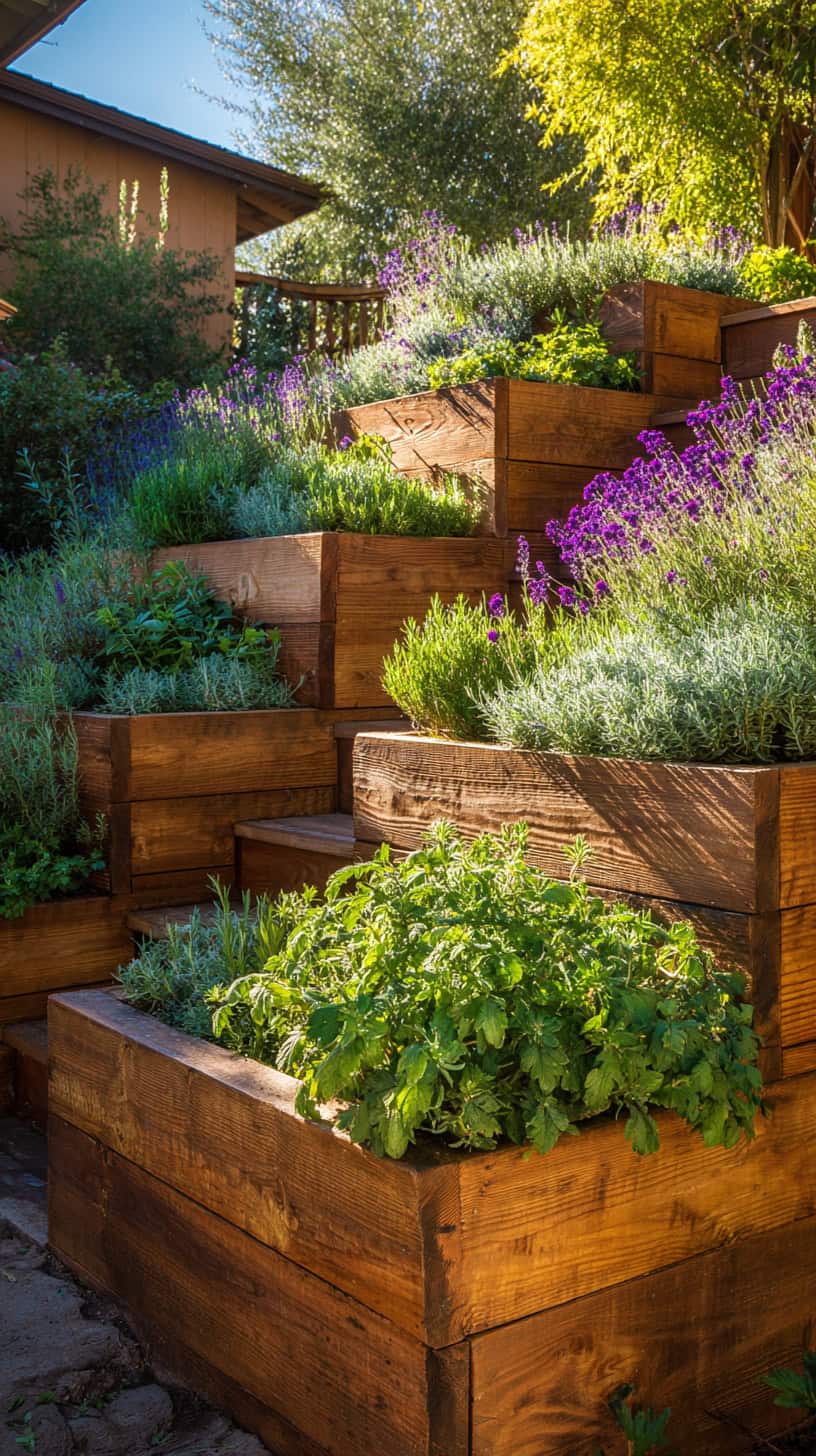
Tiered pyramid planters create vertical herb gardens where Mediterranean varieties like rosemary, thyme, and oregano cascade down multiple levels in full sun exposure. These stacked raised beds diy designs provide the excellent drainage that herbs demand while creating architectural interest that elevates utilitarian vegetable garden beds into landscape features. Each descending tier offers slightly different growing conditions, with upper levels drying out faster and lower levels retaining more moisture for varied herb preferences. I love positioning these near outdoor kitchens or grilling areas where fresh herbs stay within arm’s reach during summer cooking and entertaining. The stair-step design makes harvesting effortless since you can approach from any side and clip exactly what you need without bending or stretching. Kids enjoy the fort-like structure and love being assigned specific levels to maintain as their personal responsibility. These garden beds ideas also work beautifully for strawberries, which naturally spill over edges and produce runners that root in lower tiers.
Whimsical Bathtub Planter
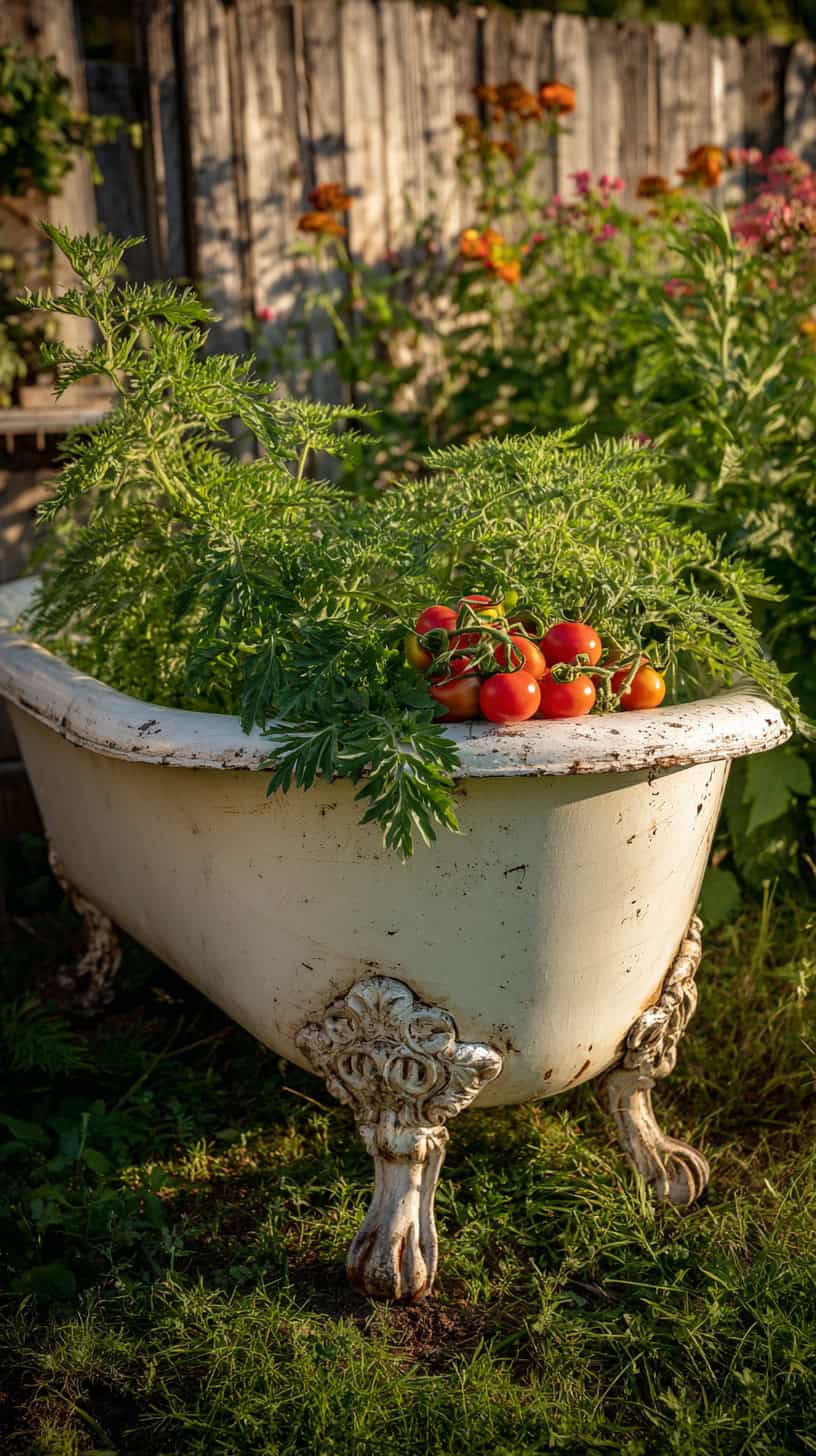
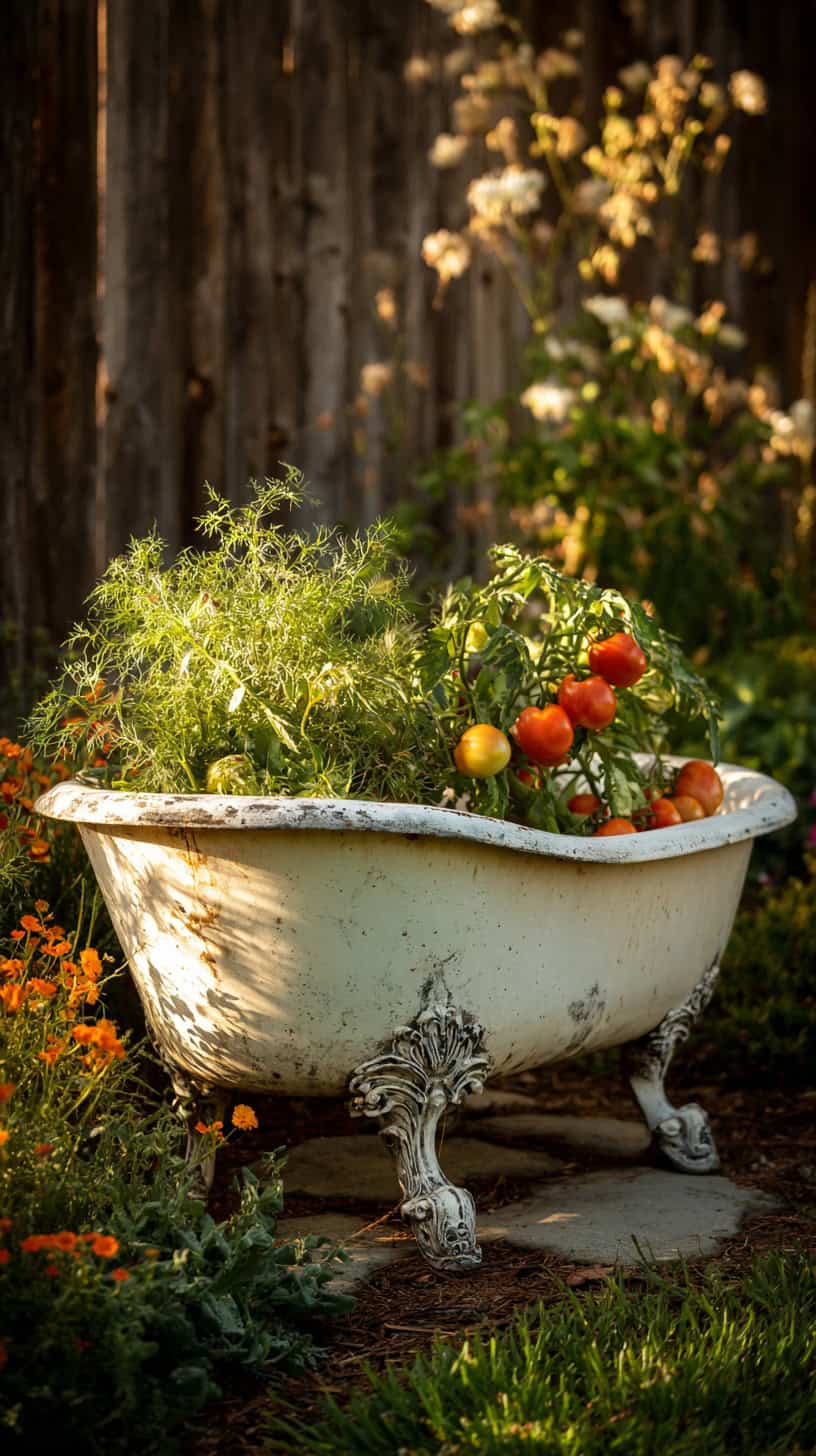
Vintage clawfoot tubs and old farmhouse basins become charming conversation-piece planters that combine nostalgia with surprising productivity in creative diy elevated garden bed designs. These repurposed fixtures bring quirky personality to gardens while their depth and drainage capabilities make them genuinely excellent for growing deep-rooted vegetables like tomatoes and carrots. The porcelain or cast iron construction withstands weather beautifully and adds unexpected elegance compared to standard lumber or plastic raised beds diy options. I’ve discovered that tubs painted in cheerful colors become whimsical focal points that make visitors smile while demonstrating creative reuse of vintage materials. The high sides contain sprawling plants like cucumbers and provide wind protection for tender seedlings in exposed locations. Kids think bathtub gardens are hilarious and memorable, which increases their enthusiasm for helping with planting and care throughout the season. These one-of-a-kind veggie garden ideas work perfectly for gardeners who appreciate eclectic cottage style and enjoy collecting unique vintage finds.
Budget Cinder Block Beds
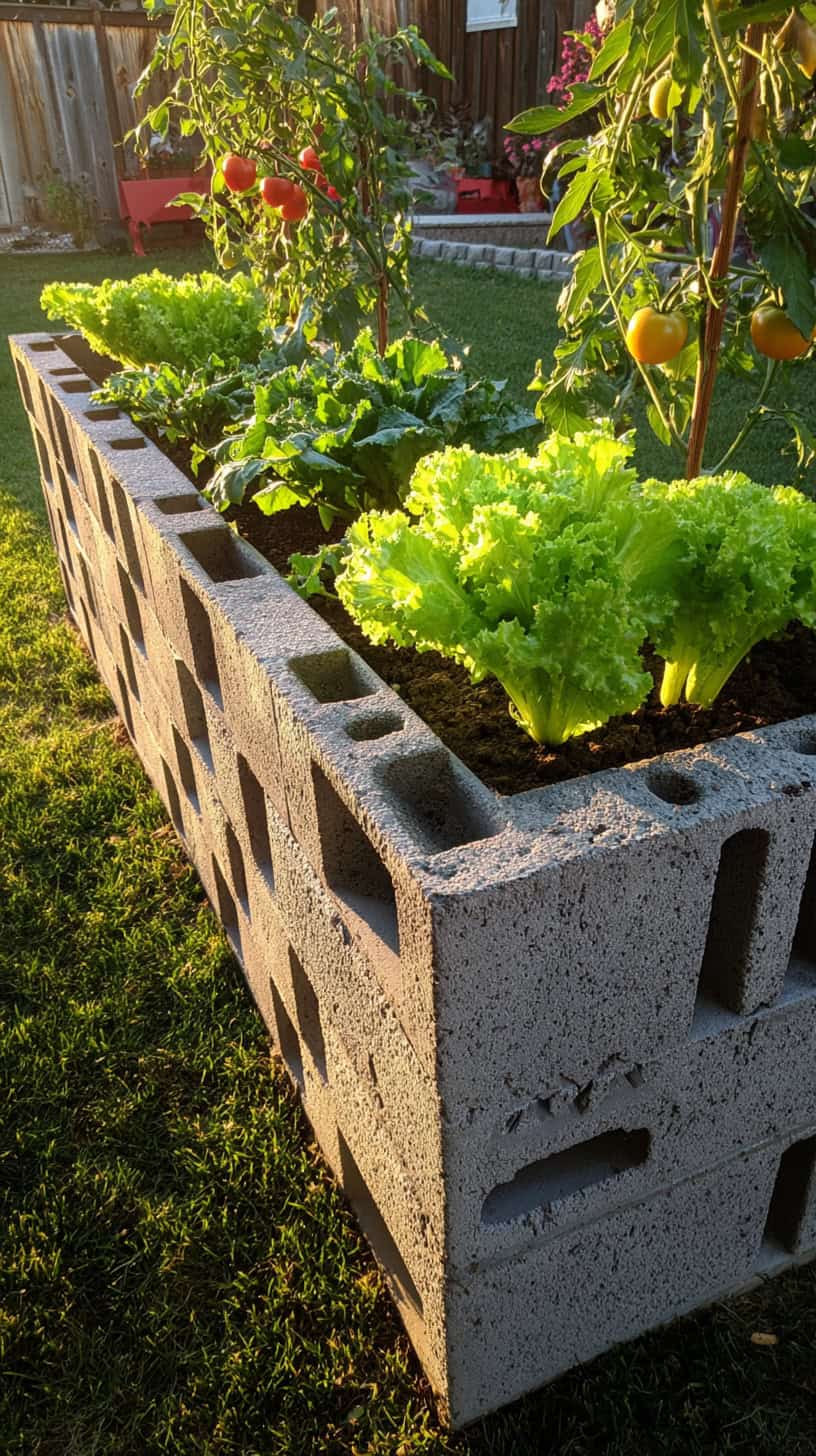
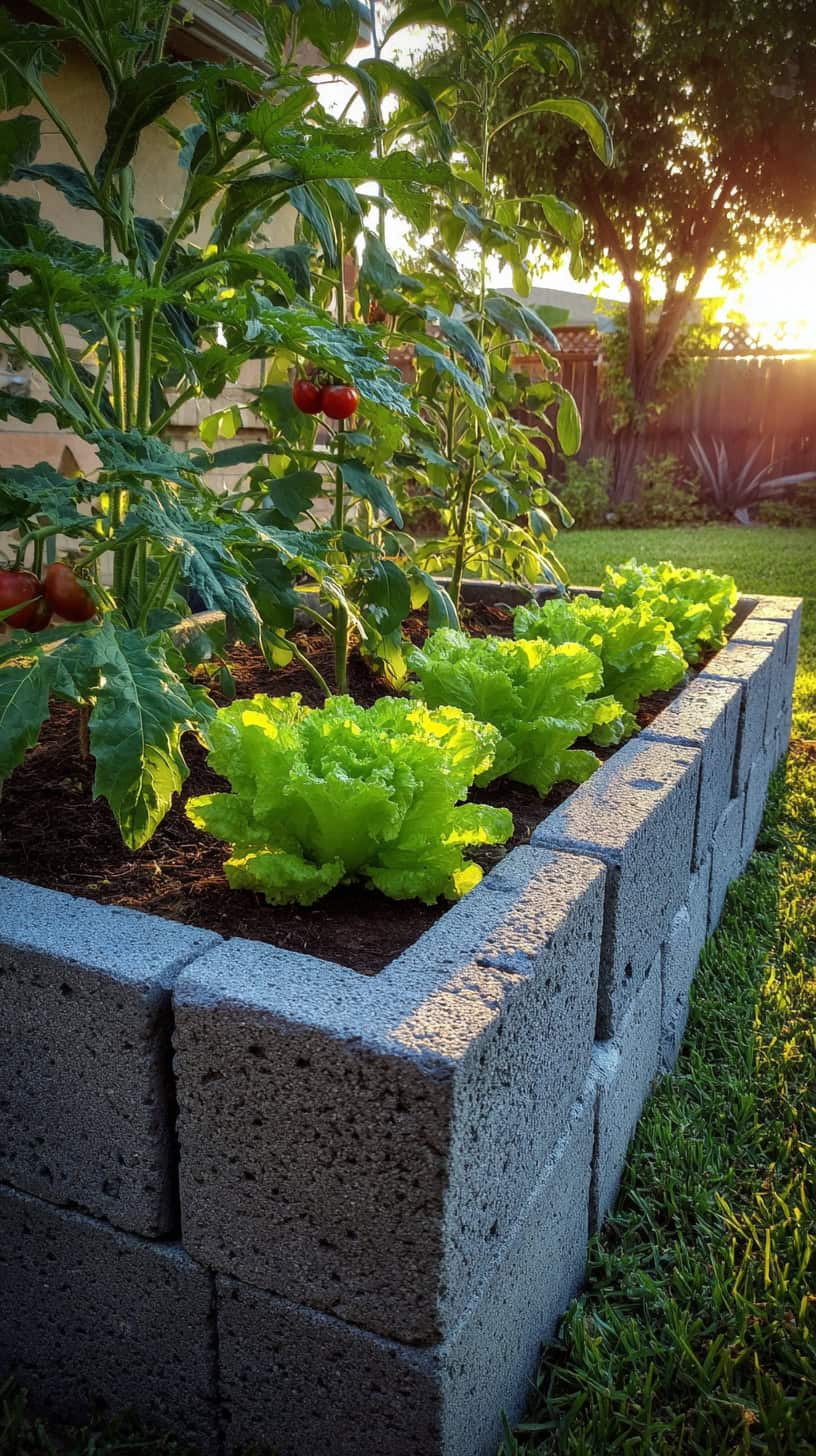
Concrete blocks stacked in simple rectangular patterns create incredibly affordable raised beds diy projects perfect for families starting gardens on tight budgets. A dozen blocks costing just a few dollars each can outline a productive 4×8 foot bed that provides years of reliable service without rotting or requiring maintenance. The hollow cores in blocks become bonus planting spots for compact herbs, flowers, or trailing plants that soften the industrial edges. I love how the thermal mass of concrete absorbs daytime heat and moderates soil temperature swings that can stress tender vegetable garden beds during spring. You can fill cores with rebar and concrete for permanent installations or leave blocks dry-stacked for flexibility in redesigning your garden layout next season. These garden beds ideas assemble in under an hour without special tools, making them perfect for renters or anyone wanting temporary growing spaces. The neutral gray color disappears behind lush plants once gardens mature, or you can paint blocks in colors that complement your landscape design.
Family DIY Elevated Bed
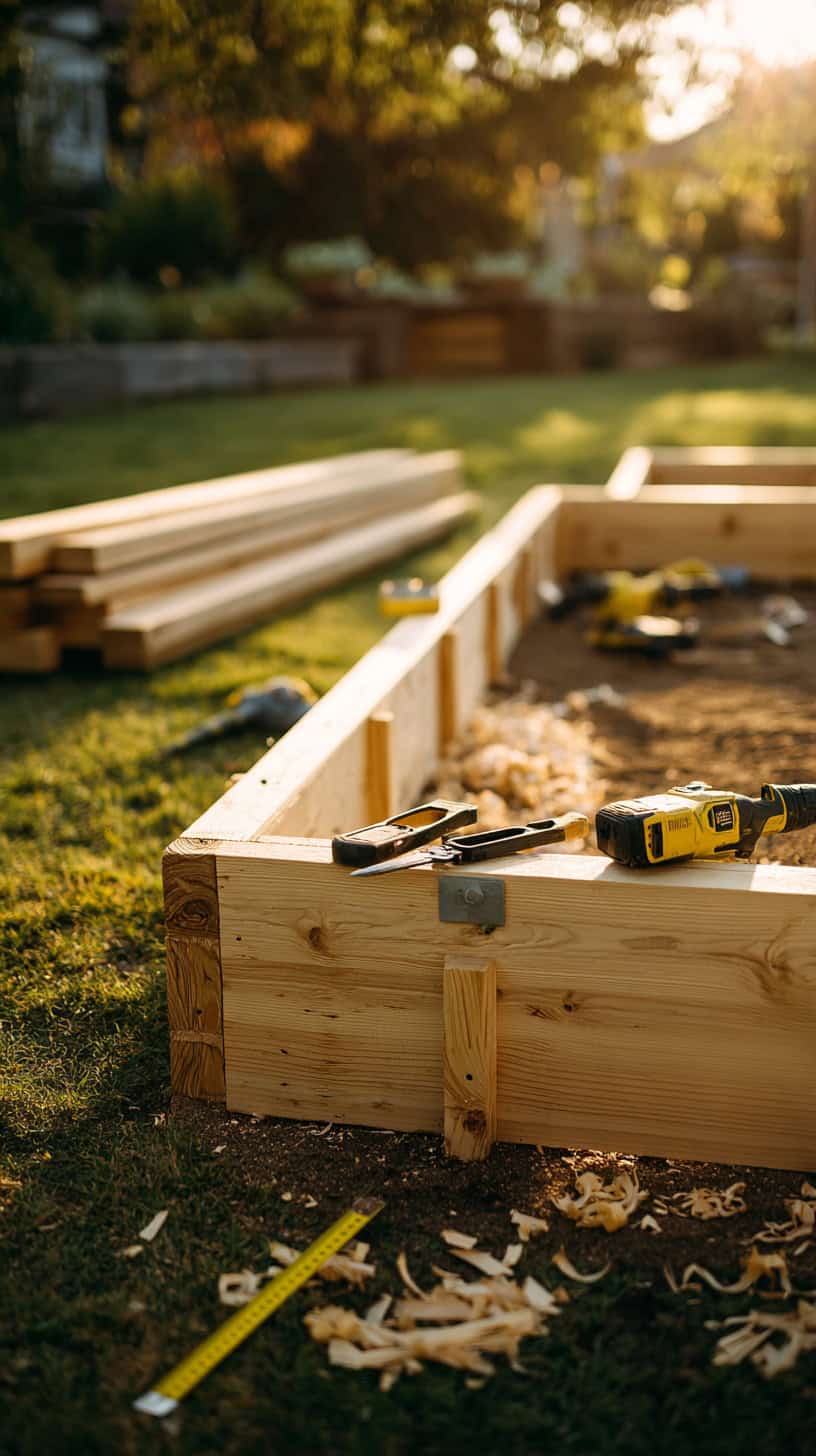
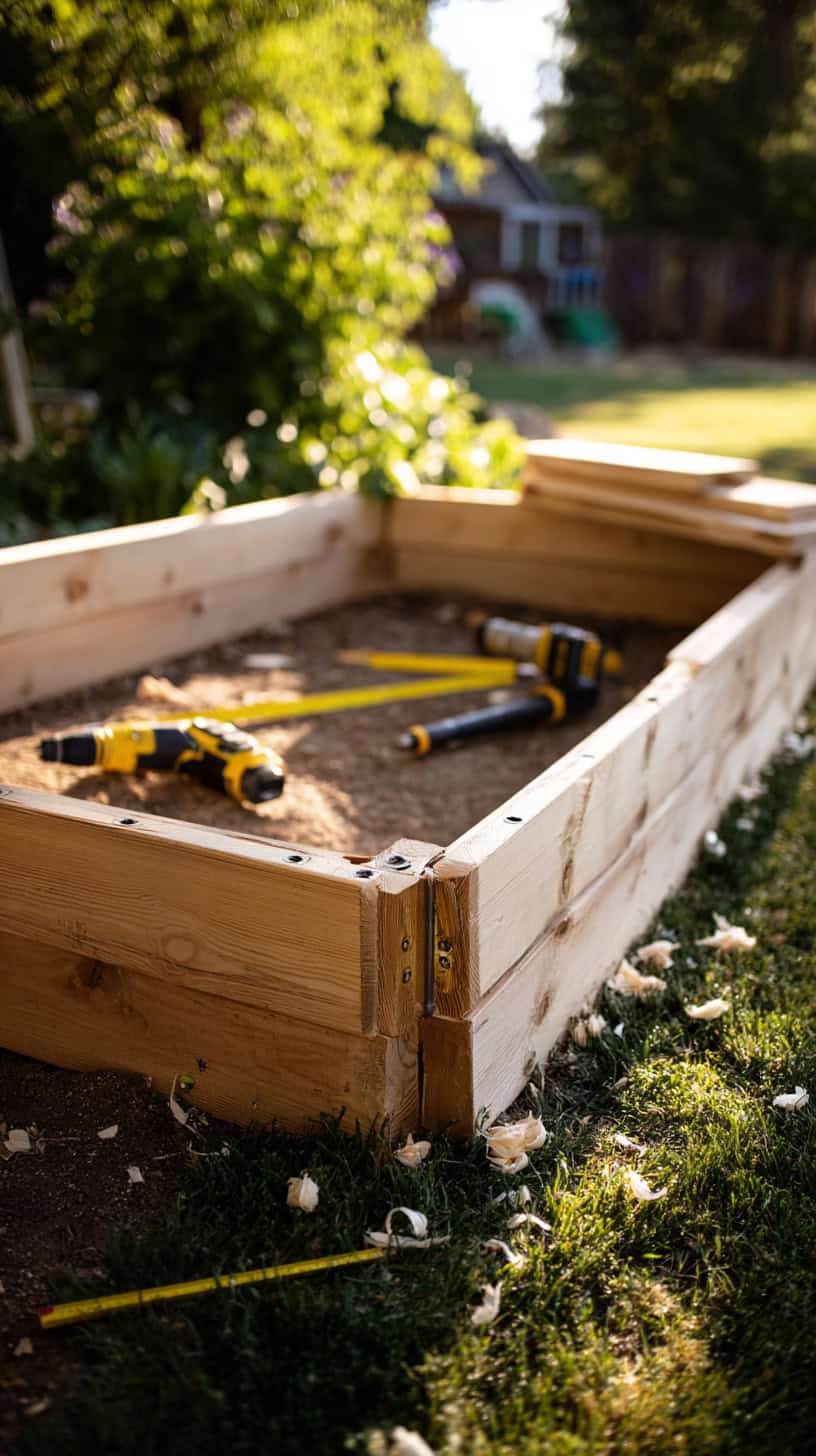
Building a raised bed together becomes a memorable family project that teaches kids carpentry basics while creating a diy elevated garden bed they’ll feel proud to plant and tend. These collaborative construction experiences bond families through shared accomplishment and give children ownership over garden spaces they helped create with their own hands. Choosing simple designs with pre-cut lumber and basic joinery techniques ensures success even when young helpers are still developing fine motor skills. I’ve found that letting kids paint or decorate their raised beds diy creations increases their investment in garden care throughout the growing season. The construction process naturally creates teaching moments about measuring, following instructions, and problem-solving when pieces don’t fit exactly as planned. Family-built vegetable garden beds become treasured backyard features that children remember fondly years later as proof they can accomplish real projects. These veggie garden ideas work best when adults handle power tools while kids manage measuring, holding pieces, and adding decorative elements that express their personality.
Compact Potager Wheel
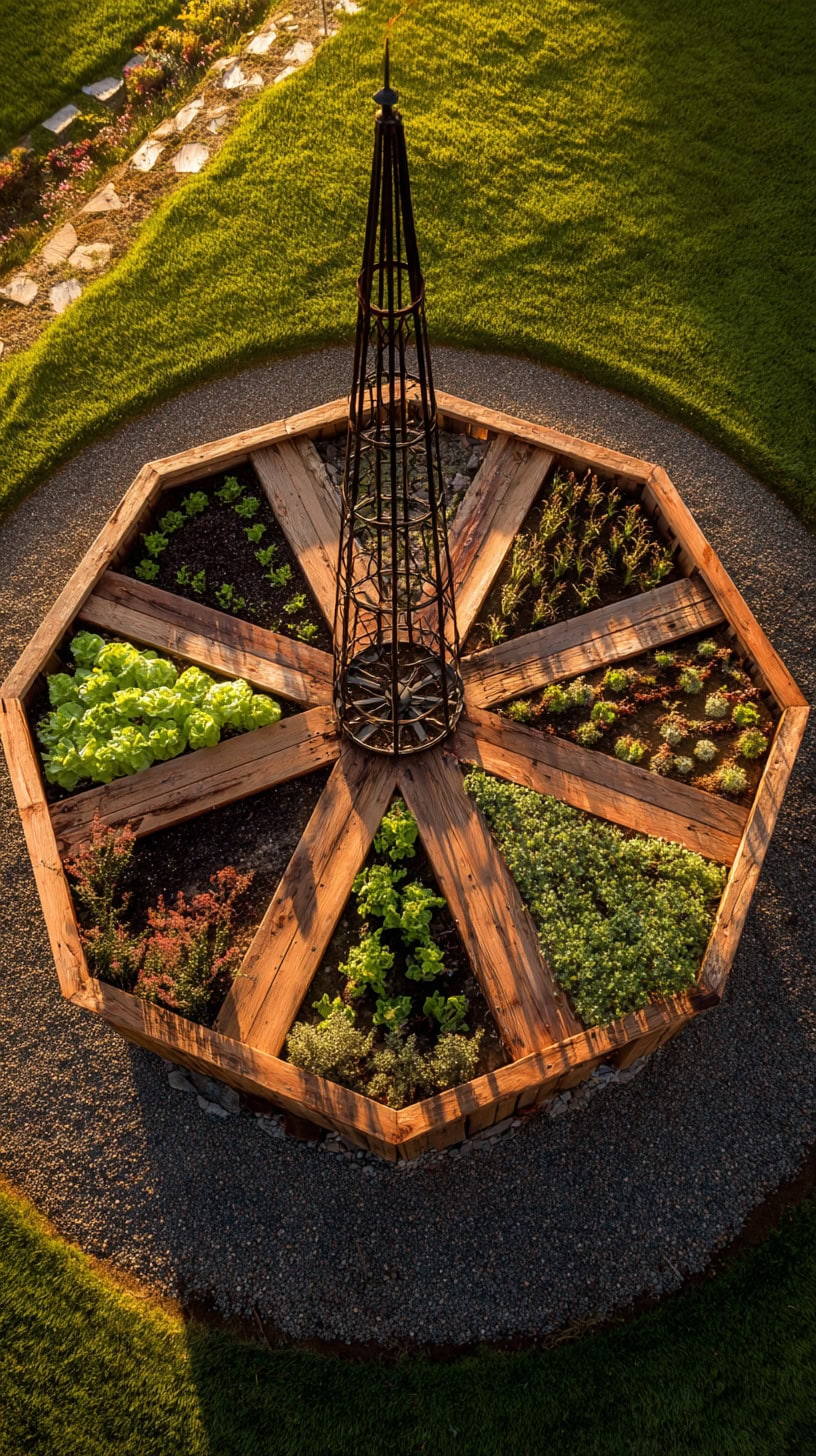
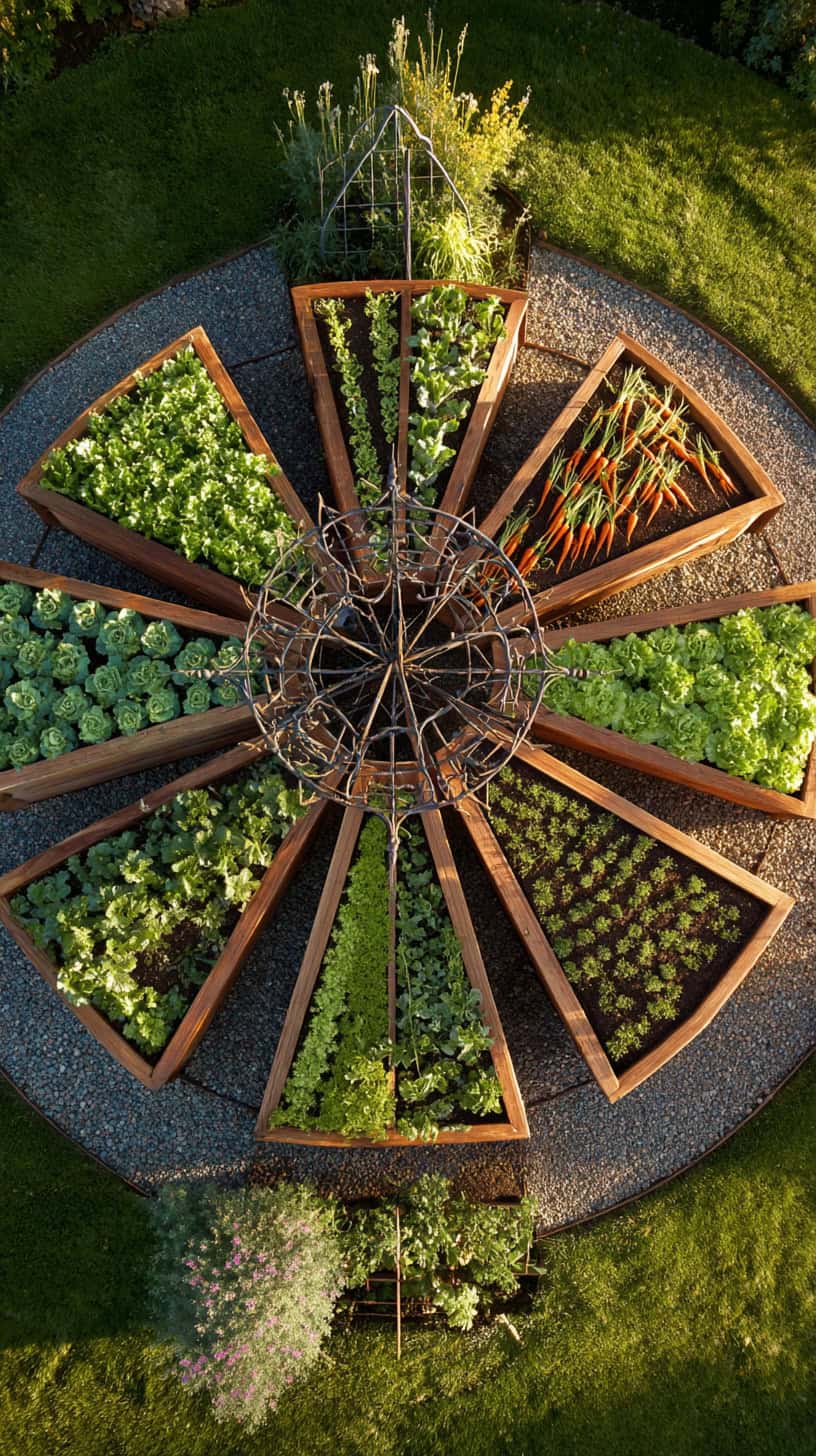
Circular raised beds divided into wedge-shaped sections recreate traditional European potager garden designs in space-efficient layouts perfect for small vegetable gardens. The pie-slice divisions create natural rotation zones where you can move crop families around year to year, maintaining soil health through systematic planning. A central focal point like an obelisk trellis, birdbath, or large container adds vertical interest while paths between wedges provide access from all sides. I love how the circular footprint feels softer and more ornamental compared to rectangular beds, making these garden beds ideas equally appropriate in front yards or visible locations. The radiating pattern naturally draws attention inward and creates psychological emphasis on the featured center element you choose. Kids enjoy the pizza-slice appearance and love being assigned their own wedge to plant with favorite vegetables or flowers. These diy garden beds work wonderfully for teaching children about biodiversity since each wedge can showcase different plant families and companion combinations.
Back-Saving Four-Foot Width
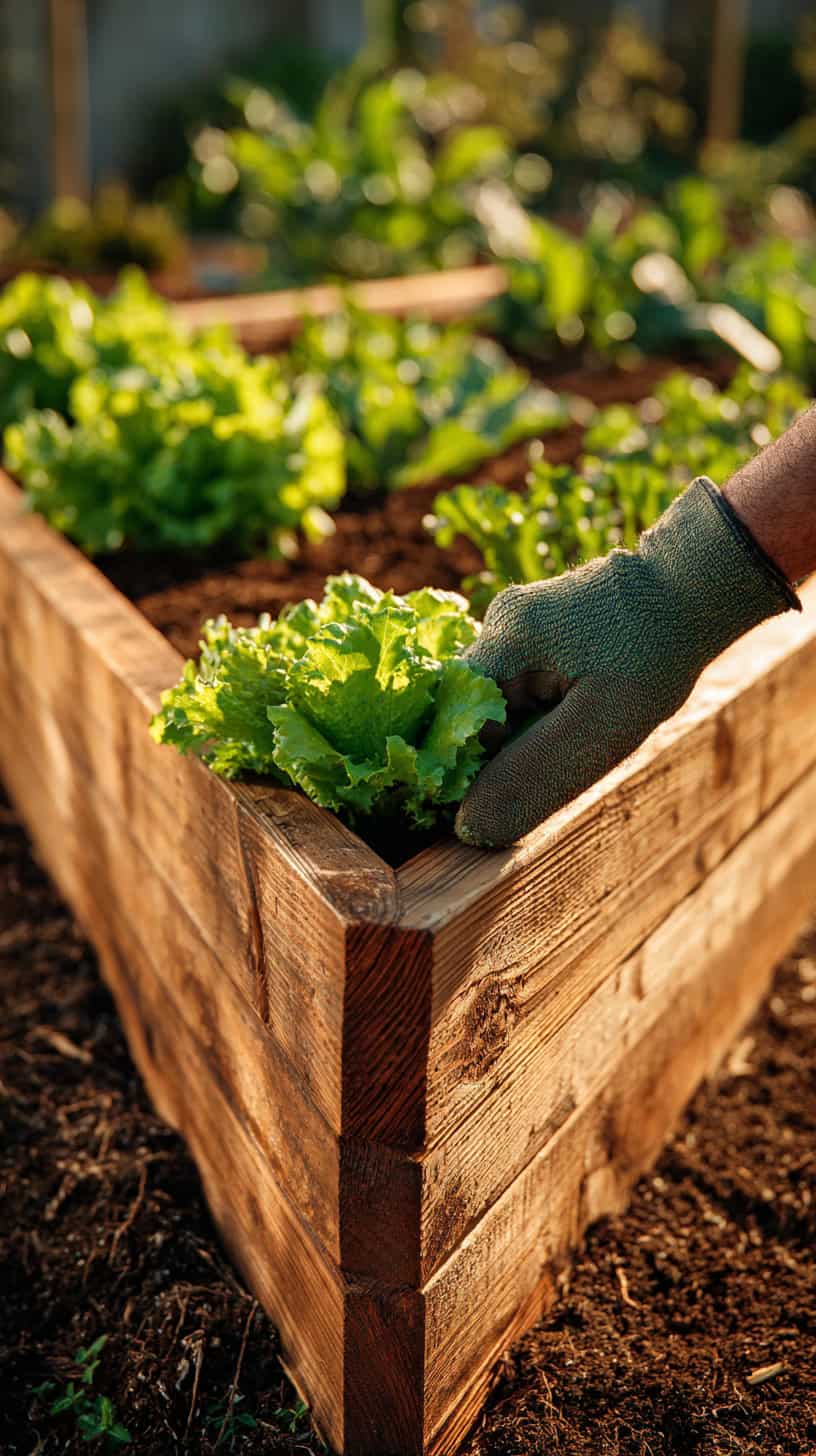
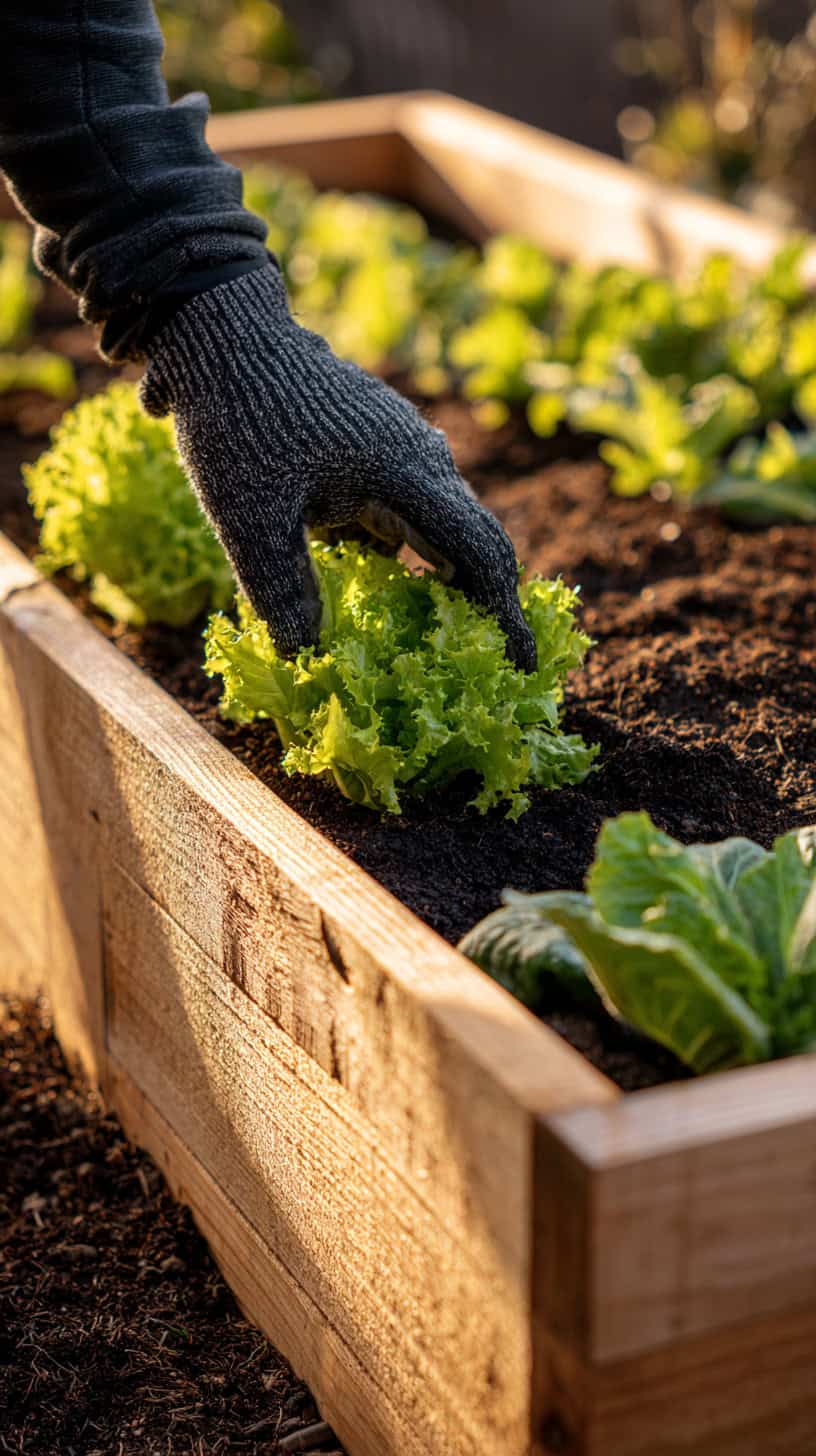
Properly sized raised beds measuring no more than four feet wide ensure comfortable reach from both sides without stepping into growing areas and compacting precious soil. This ergonomic dimension represents the sweet spot where most adults can comfortably tend the center without strain while maximizing planting area within practical limits. These thoughtfully proportioned diy raised beds prevent the back pain and knee problems that often discourage gardeners from maintaining larger plots throughout the season. I’ve learned that observing this width guideline dramatically improves garden success because maintenance stays manageable rather than becoming an overwhelming physical challenge. The four-foot maximum works perfectly for kids too, allowing them to reach across and harvest or weed independently without frustration or needing constant adult help. These vegetable garden beds can run any length your space allows while maintaining the magic width that keeps gardening enjoyable rather than exhausting. The standardized dimension also simplifies purchasing row covers, shade cloth, or other accessories sold in common widths that fit perfectly over properly sized beds.
This post may contain affiliate links. Read the full disclosure here.