Raised Bed Planter Boxes Ideas For Small Space Gardening
If you’ve been dreaming of growing your own veggies but think you need a huge backyard, I’ve got great news.
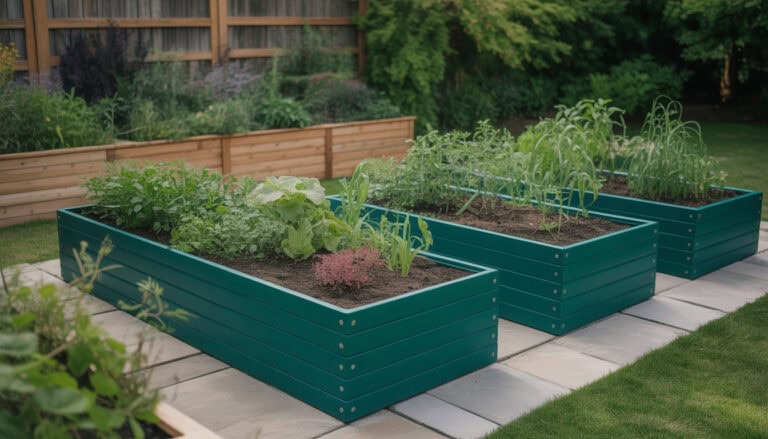
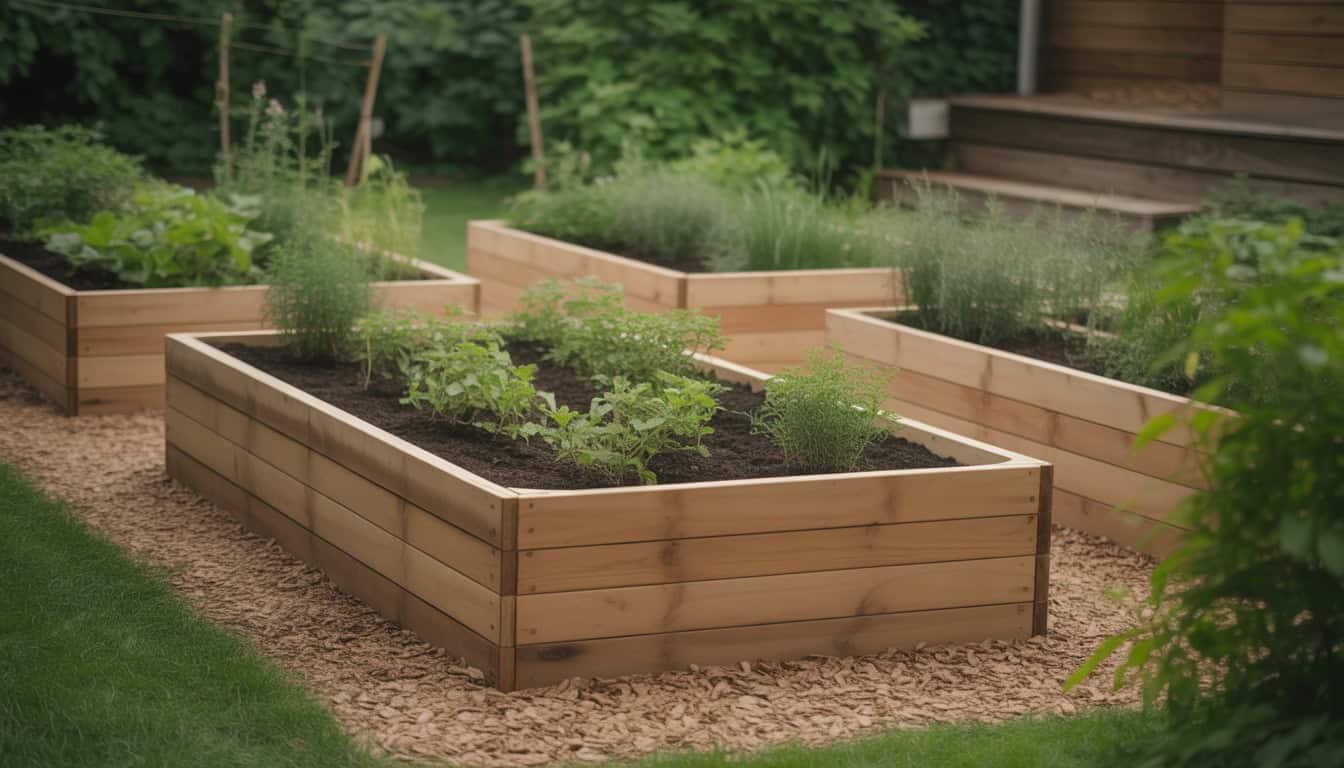
I love creating a tidy, productive garden space, and I always start with a durable elevated wooden planter box that makes planting, organizing, and maintaining herbs or veggies feel simple and beautifully structured.
Raised bed planter boxes are the perfect solution for small spaces, tight budgets, and busy families. Let’s dive into some ideas that actually work!
Why Raised Bed Planter Boxes Are a Mom’s Best Friend
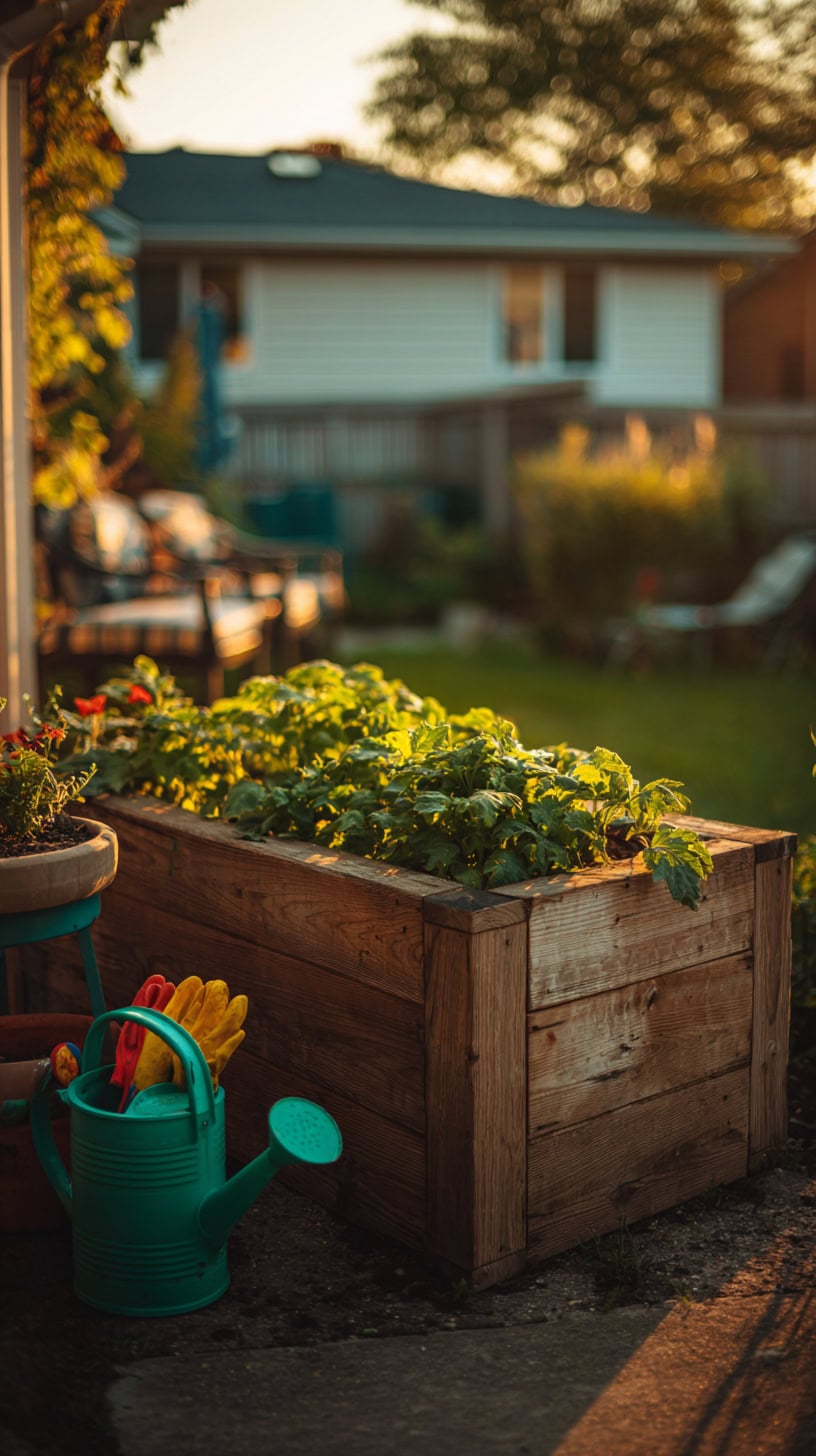
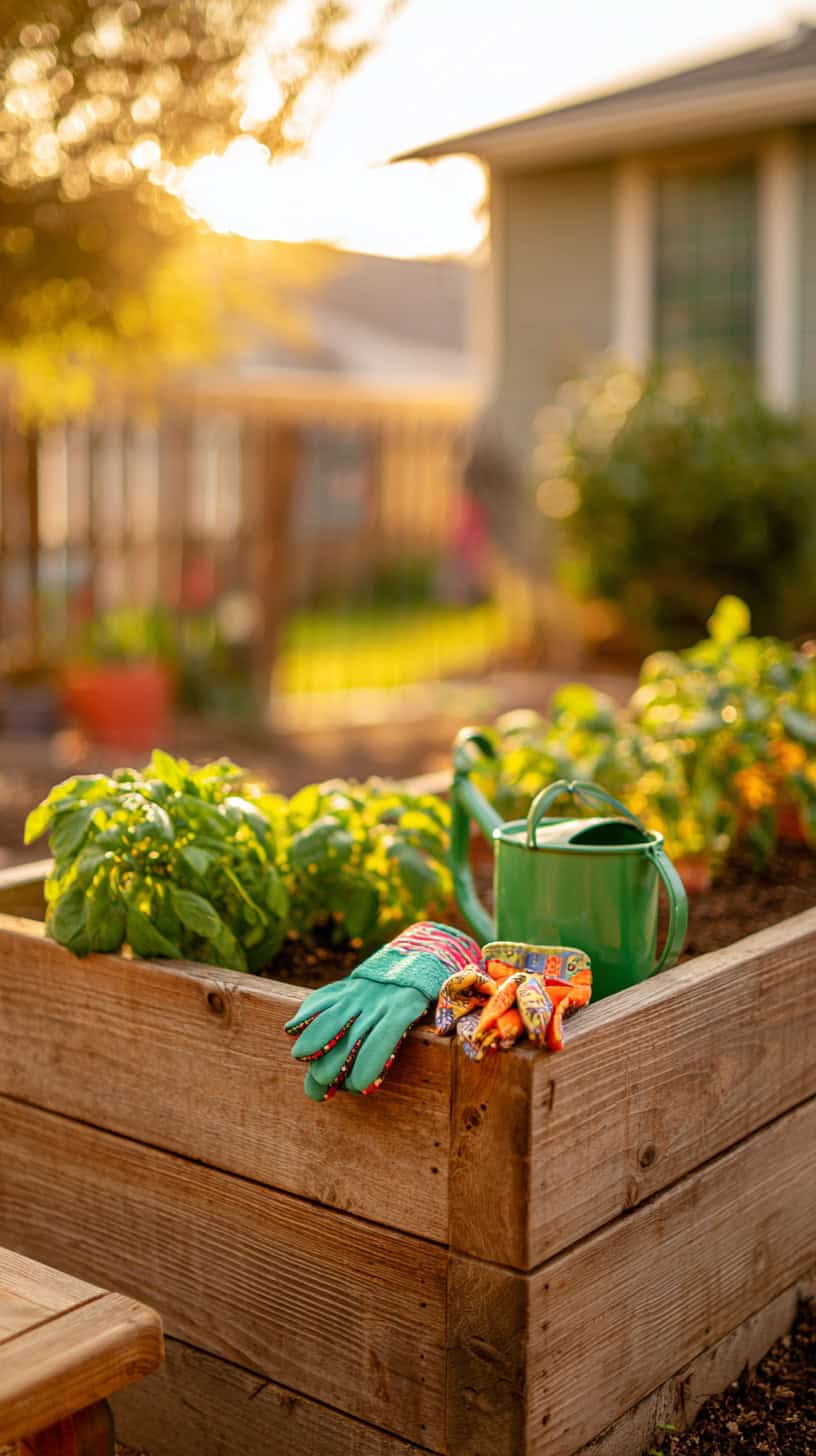

Here’s the honest truth: raised beds outdoor planter ideas have completely changed the way I garden with my kids. No more bending over until my back aches, no more fighting with rocky soil, and best of all, the kiddos can actually reach everything without trampling the plants.
These boxes lift your garden up to a comfortable height. That means less strain on your knees and back, which is perfect when you’re juggling a million other things. I love that I can stand or sit comfortably while planting, weeding, or harvesting with my little helpers by my side.
The soil quality is something you control completely. You fill your raised planter box with exactly the mix your plants need, which means healthier crops and fewer pest problems. Trust me, when you’re not fighting clay or sand, gardening becomes so much more enjoyable.
Drainage is another huge win. Water flows through raised beds better than traditional gardens, so you won’t deal with soggy roots or standing water. Your tomatoes and lettuce will thank you!
And here’s my favorite part: raised bed planter boxes keep your garden organized and contained. The kids know exactly where they can walk and where the plants live, which means fewer accidents and more successful harvests.
Trending Box Garden Ideas That Wow Right Now
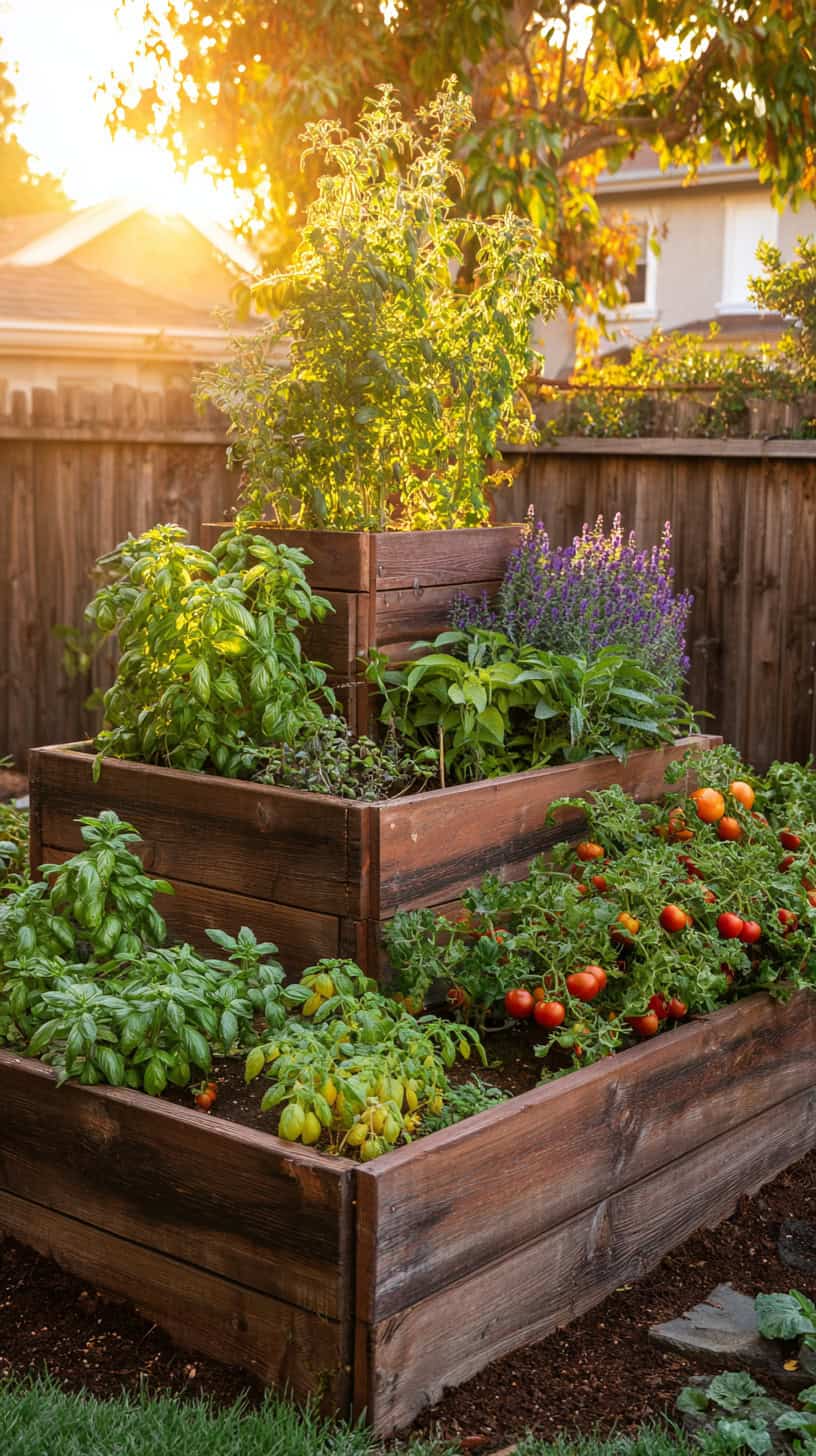
Box garden ideas are everywhere these days, and for good reason. The creativity I’m seeing from other families has inspired so many of our own projects!
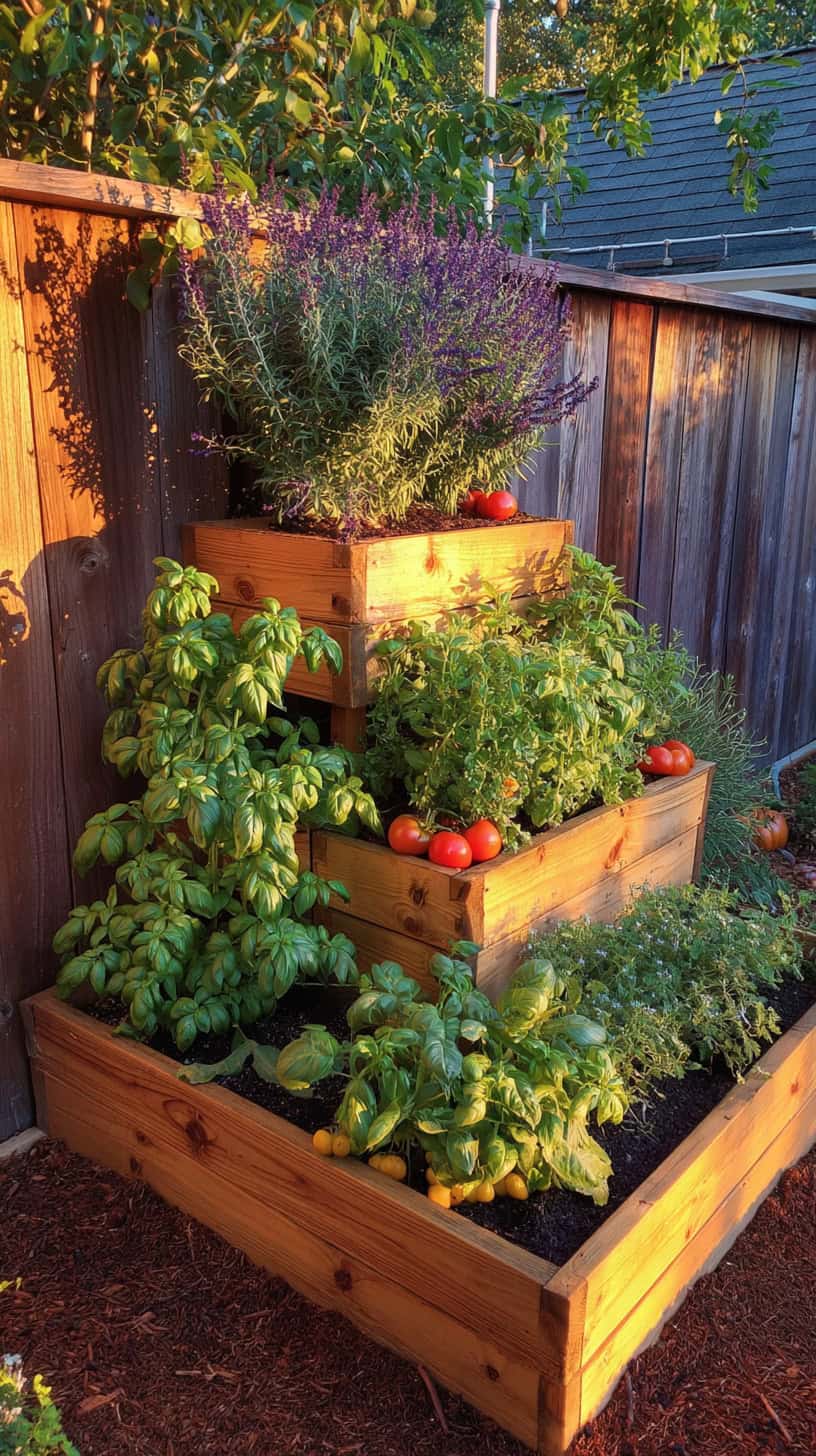
Tiered raised beds are absolutely stunning and super practical for small yards. You can create a cascading effect with two or three levels, growing herbs on top and larger veggies below. My neighbor did this along her fence line and it’s become the talk of the neighborhood.
Corner garden boxes are genius for making the most of awkward spaces. That weird corner of your patio or deck? Perfect spot for an L-shaped raised bed filled with fresh greens and strawberries.
Vertical planter boxes are trending hard right now. Stack them, hang them, or attach them to walls for a living garden wall that produces real food. We have a vertical setup on our sunny side wall and grow lettuce, herbs, and even cherry tomatoes there.
Color-blocked gardens are so fun with kids. Paint each box a different bright color and assign each child their own section to plant and care for. It adds personality to your space and gives everyone ownership of their little plot.
Mixing materials creates visual interest too. Combine wood boxes with metal raised garden beds or add stone accents around the base. The contrast makes your garden feel more designed and intentional.
Super Simple Vegetable Planter Boxes for Fresh Eats
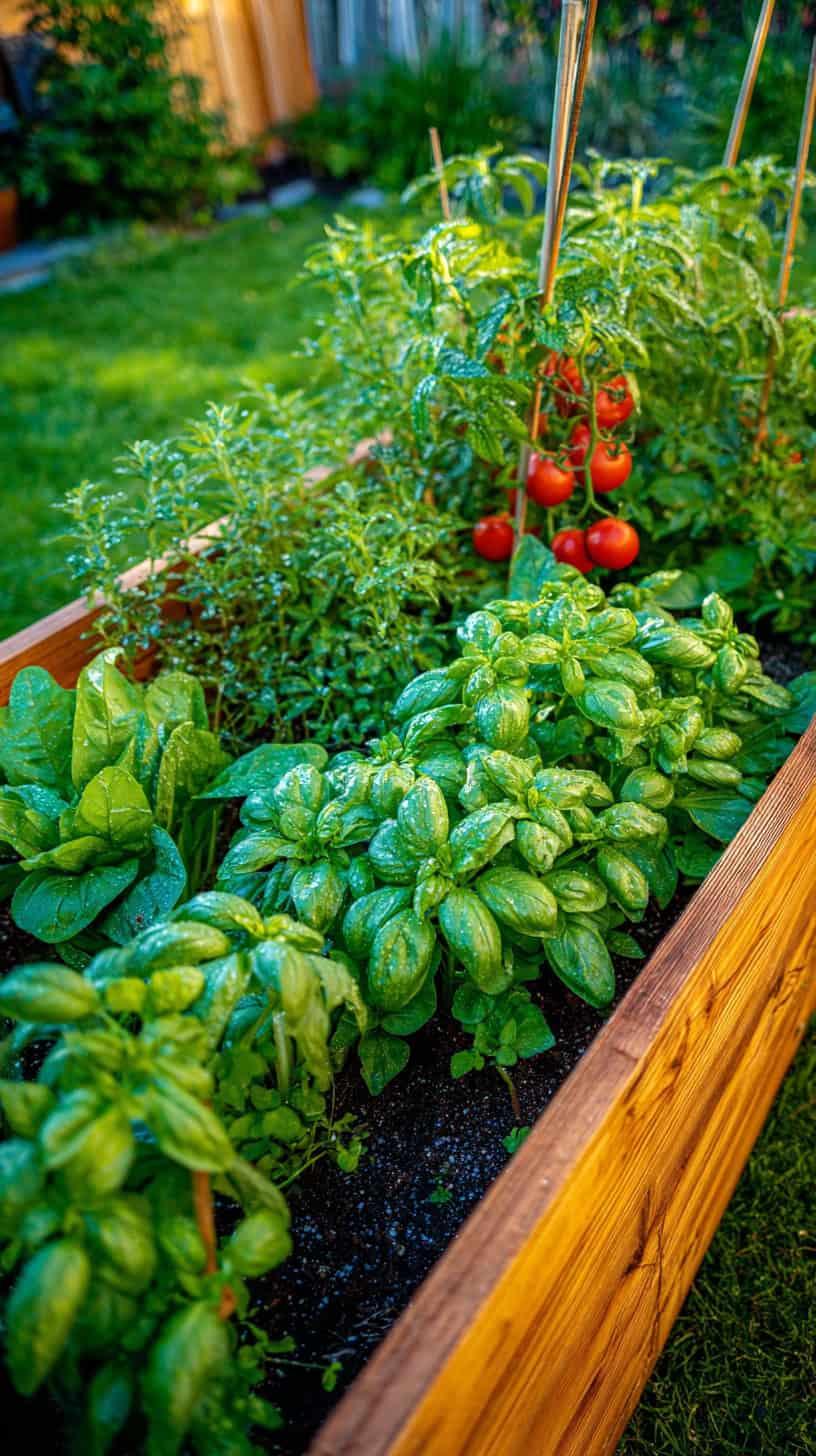
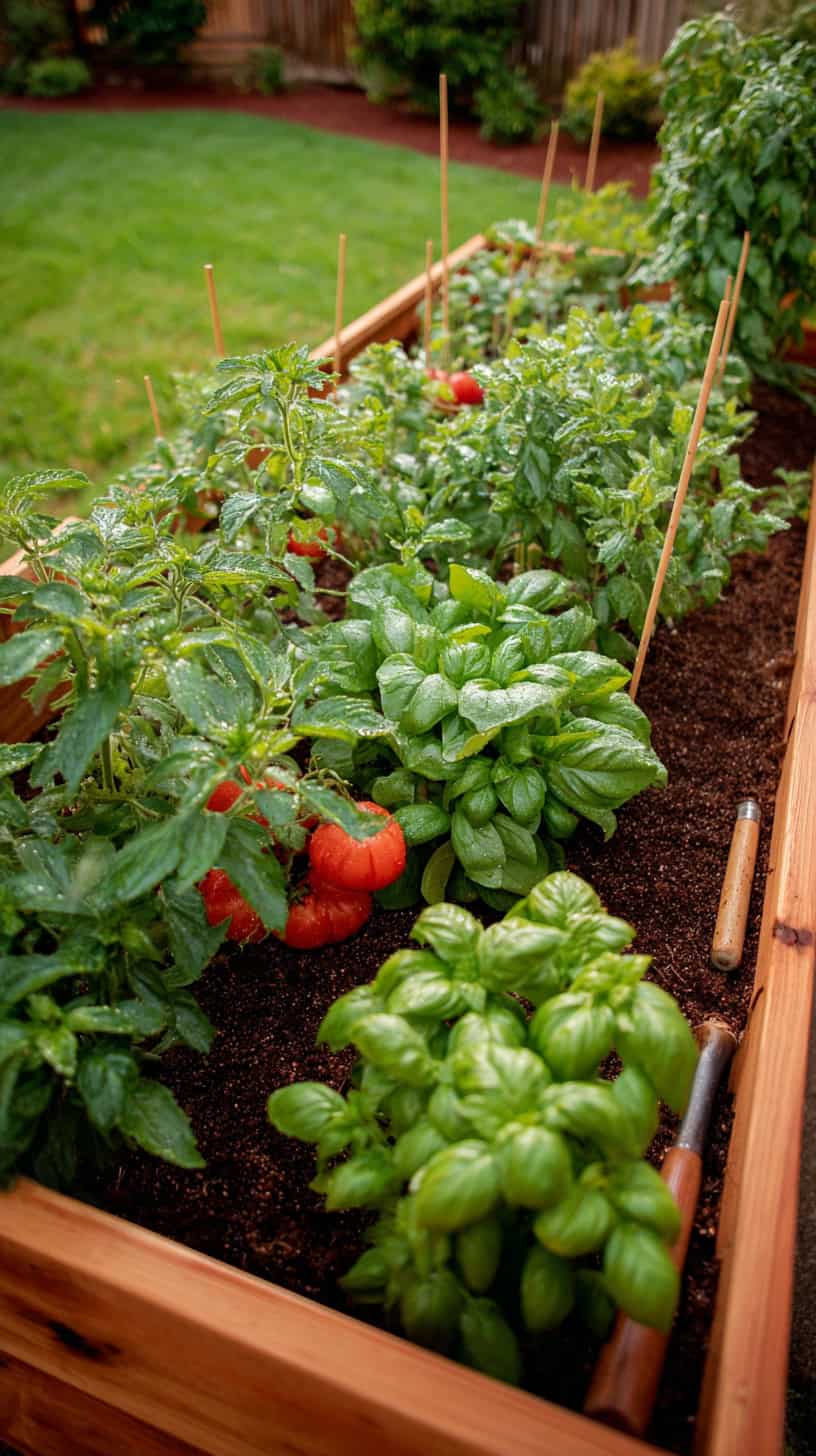
Growing your own food in vegetable planter boxes is easier than you think, and the taste difference is absolutely incredible. Nothing compares to a tomato picked fresh from your own box!
Start with easy wins like lettuce, spinach, and herbs. These grow quickly and don’t need deep soil, so they’re perfect for beginners and impatient kids who want to see results fast. We had our first salad just three weeks after planting.
Tomatoes are a family favorite and do beautifully in raised beds. Choose compact or determinate varieties if your boxes are smaller. Cherry tomatoes especially are prolific and the kids love snacking on them straight from the vine.
Peppers, both sweet and spicy, thrive in the warm soil of raised beds. They need good drainage and plenty of sun, which these boxes provide perfectly. We grow bell peppers and jalapeños side by side.
Root vegetables like carrots and radishes work surprisingly well when you have at least 12 inches of depth. The loose, rock-free soil you create makes for straight, beautiful carrots that pull out easily.
Squash and cucumbers can sprawl over the edges, which looks charming and saves space inside the box for other crops. Just make sure your box gets full sun and you’ll have more zucchini than you know what to do with!
Bush beans are compact and produce heavily in raised beds. They fix nitrogen in the soil too, which helps your other plants grow better. It’s a win-win situation that keeps your garden healthy.
DIY Elevated Garden Bed: Our Cheap and Easy Build
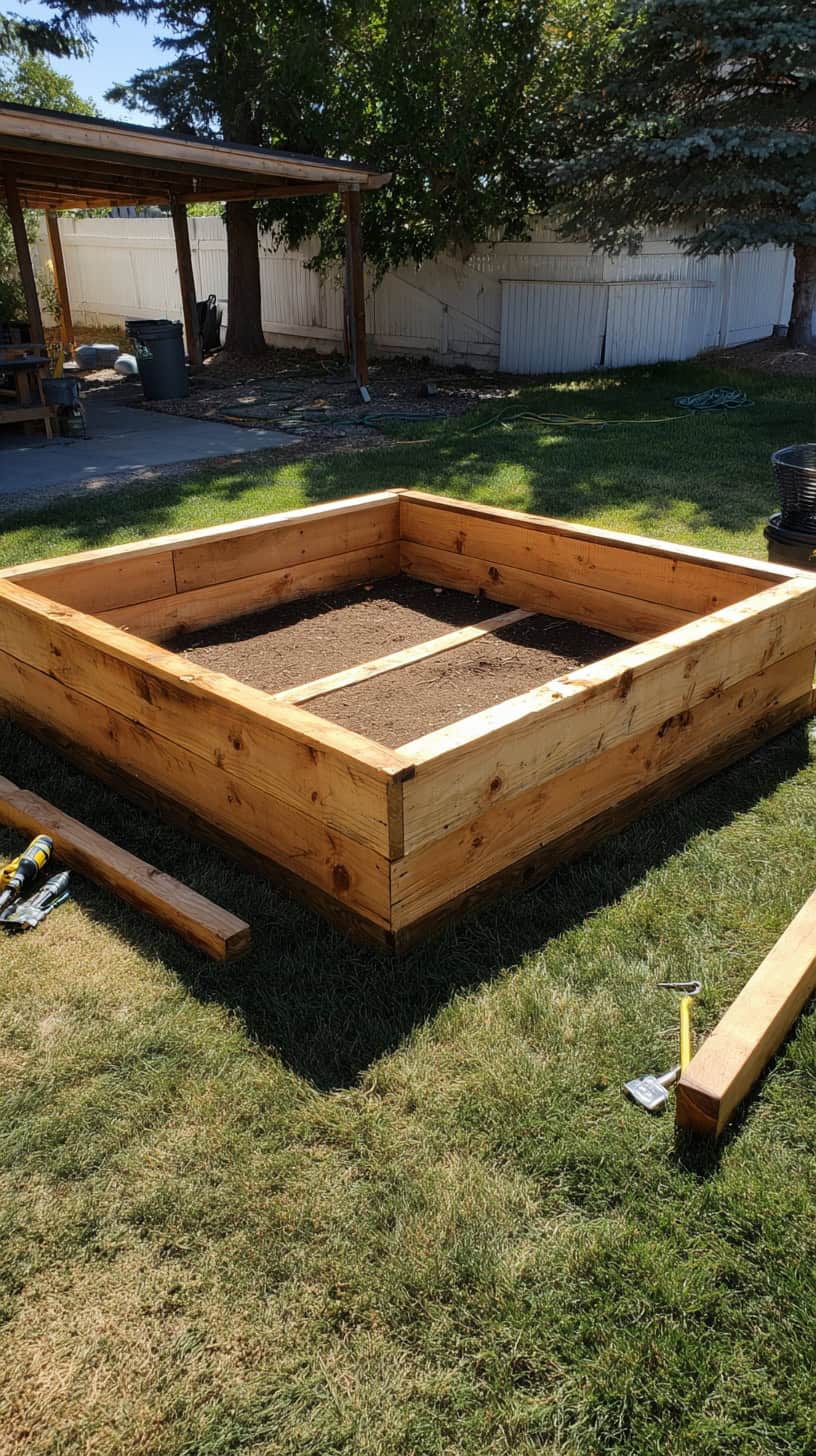
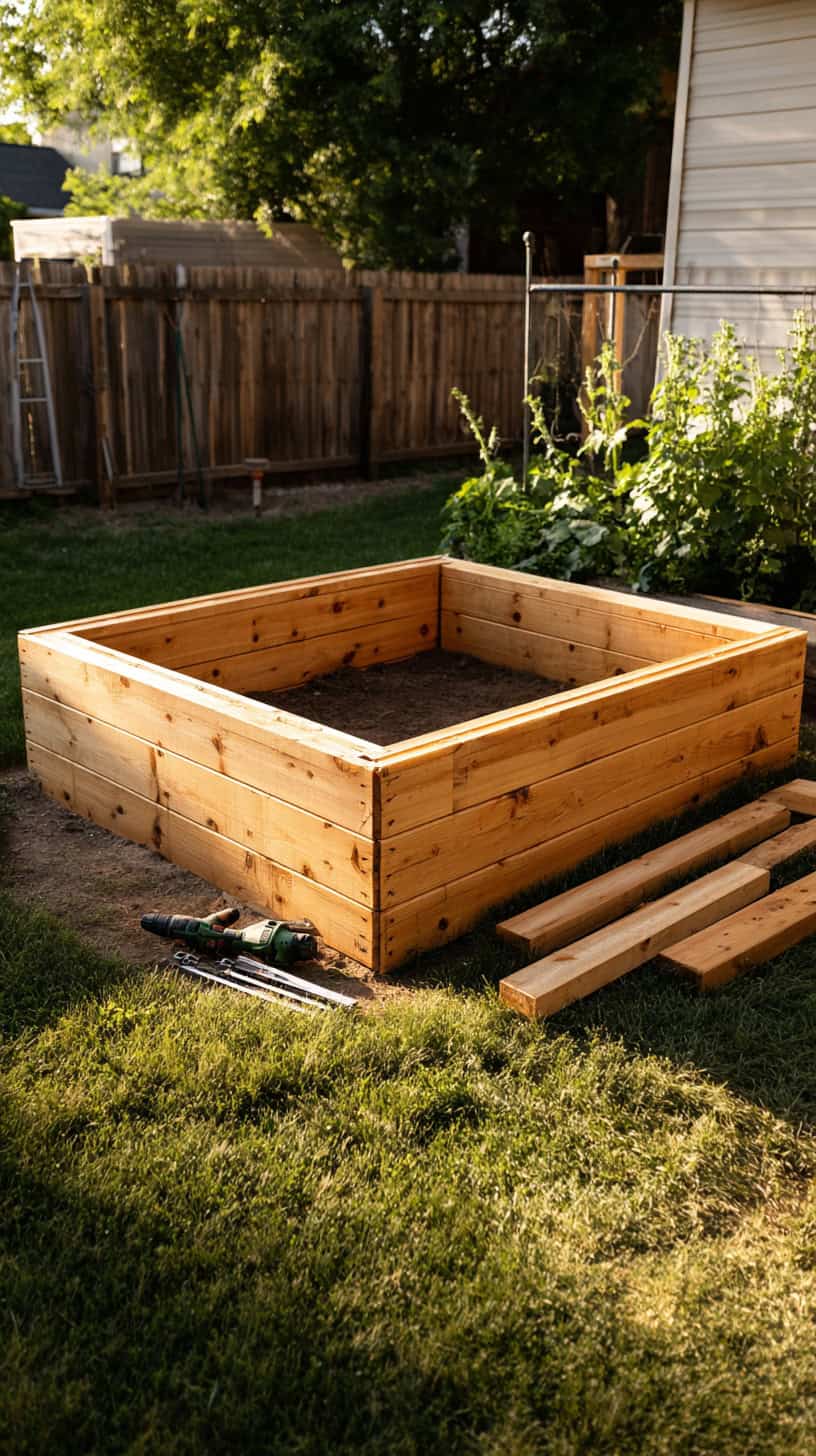
Building our first DIY elevated garden bed was honestly one of the most satisfying weekend projects we’ve tackled as a family. And it cost way less than buying pre-made options!
We started with untreated cedar boards from the hardware store. Cedar naturally resists rot and bugs, so it lasts for years without chemicals leaching into your soil. A simple 4×4 foot box used just eight boards and took about two hours to build.
The basic construction is straightforward: create a rectangular frame by screwing boards together at the corners. We used 3-inch deck screws that my husband had in his workshop already. No fancy tools needed beyond a drill and saw.
For the legs, we attached 4×4 posts at each corner to create that elevated height. We made ours 30 inches tall, which is perfect for standing and working without bending. You can adjust the height to whatever feels comfortable for you.
Adding a bottom is optional. We stapled landscape fabric across the bottom frame to keep soil in while letting water drain. Some people use hardware cloth to keep out burrowing critters, which is smart if you have moles or gophers.
The whole project cost us about 60 dollars in materials, and we had enough wood left over to make a smaller herb box for the back porch. Compare that to buying a similar elevated bed online for 200 dollars or more!
Free Raised Planter Box Plans for Busy Families
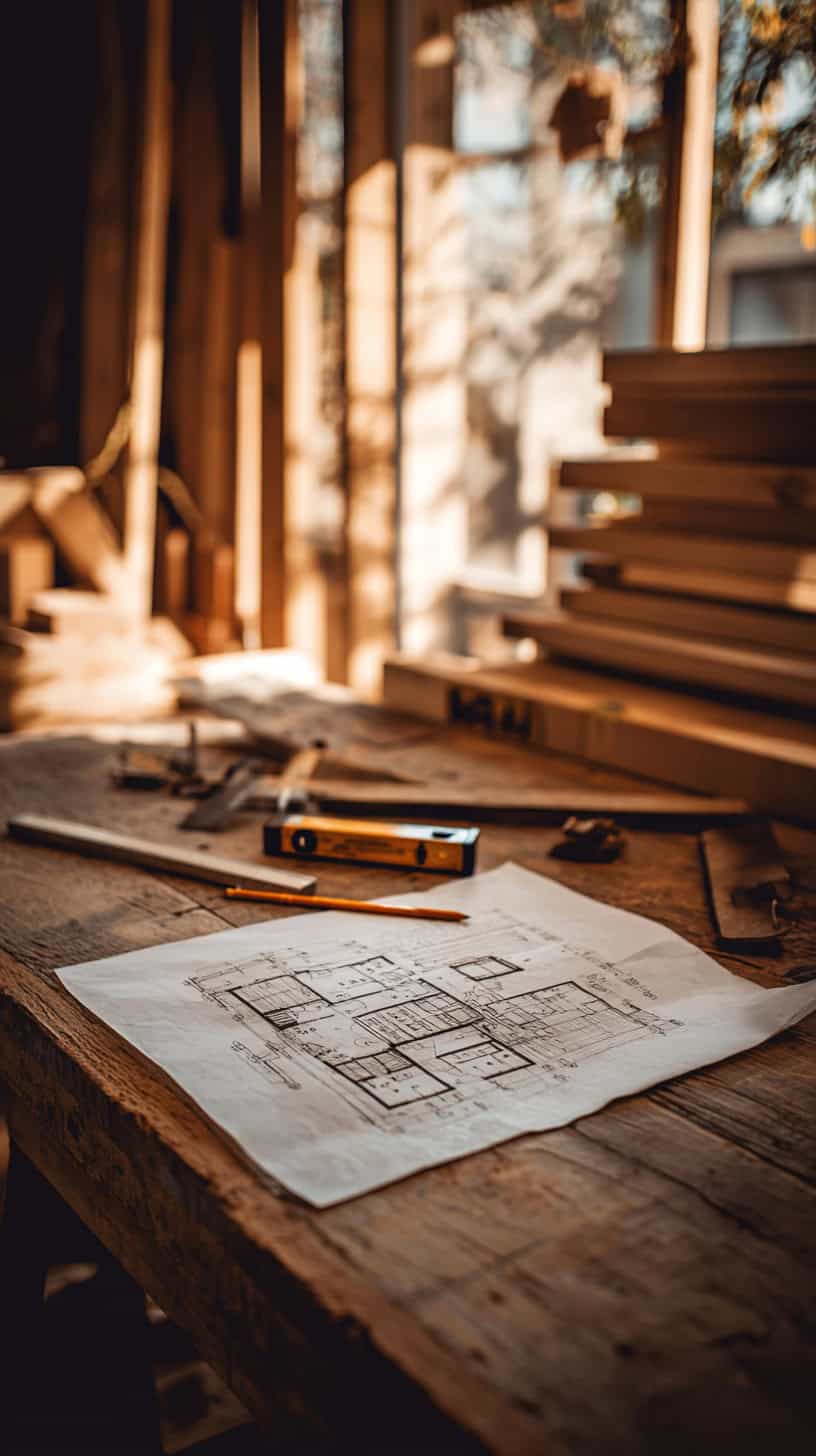
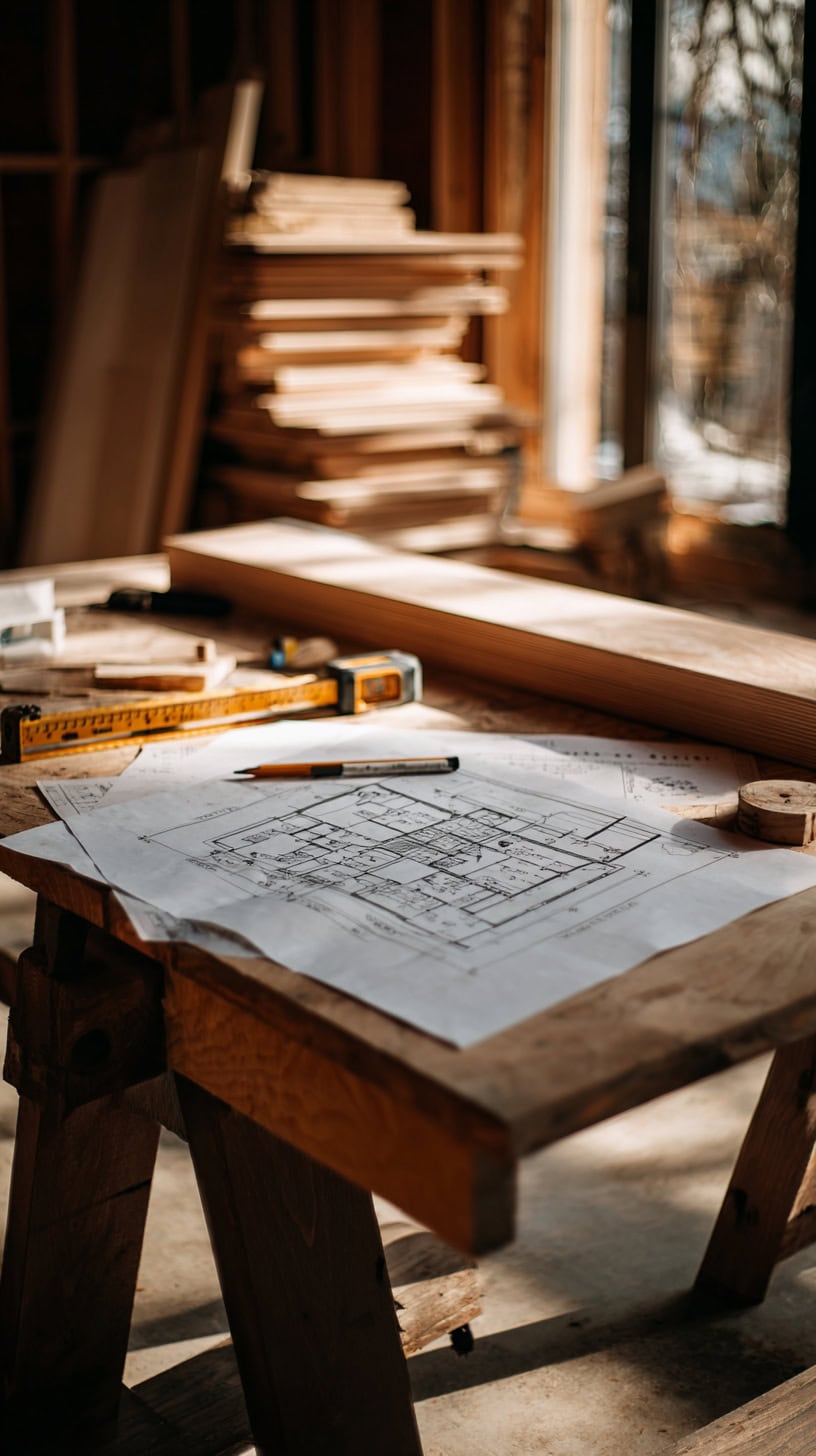
Finding raised planter box plans that actually work for real families can be tricky, but I’ve discovered some fantastic free resources that make building these boxes super manageable.
Ana White’s website offers incredible step-by-step plans with cut lists and diagrams. Her cedar raised garden bed plan is foolproof and includes modifications for different sizes. I printed it out and checked off each step as we built.
YouTube has become my best friend for visual learners. Search for simple raised garden beds DIY and you’ll find dozens of clear tutorials showing every cut and screw. Watching someone else do it first gave me so much confidence.
Your local hardware store often has free project plans available. Home Depot and Lowe’s both have printable guides specifically for raised beds in various styles. The staff can even help you gather exactly what you need.
Pinterest is overflowing with creative adaptations. I love browsing there for inspiration, then simplifying the designs to match my skill level and budget. You can find plans using reclaimed pallets, cinder blocks, or even old dressers converted into planters.
The key is choosing plans that match your experience level. Start simple with a basic rectangle if you’re new to building. You can always get fancier with your second or third box once you’ve got the basics down.
Sturdy Metal Raised Garden Beds Worth the Splurge
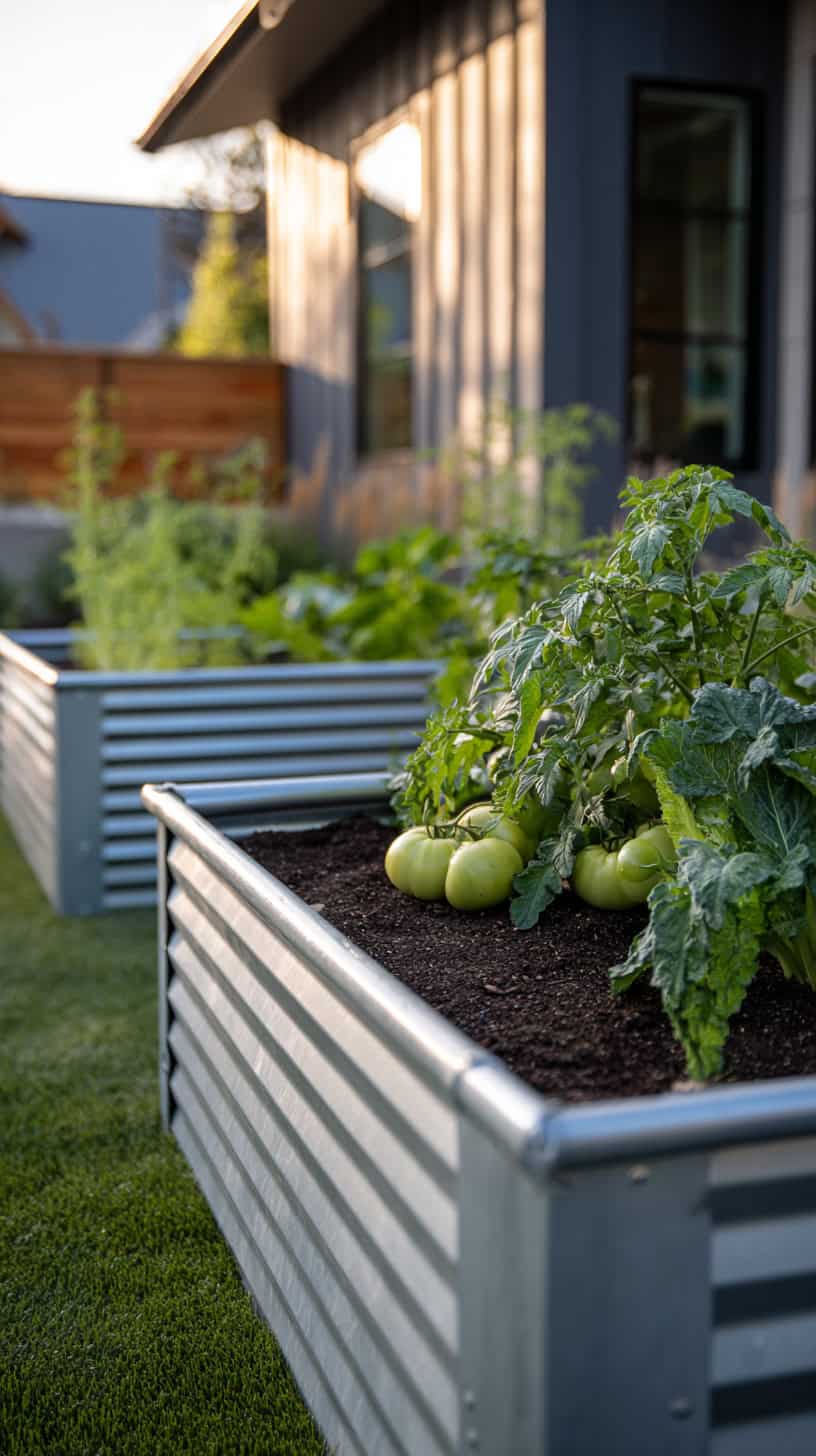
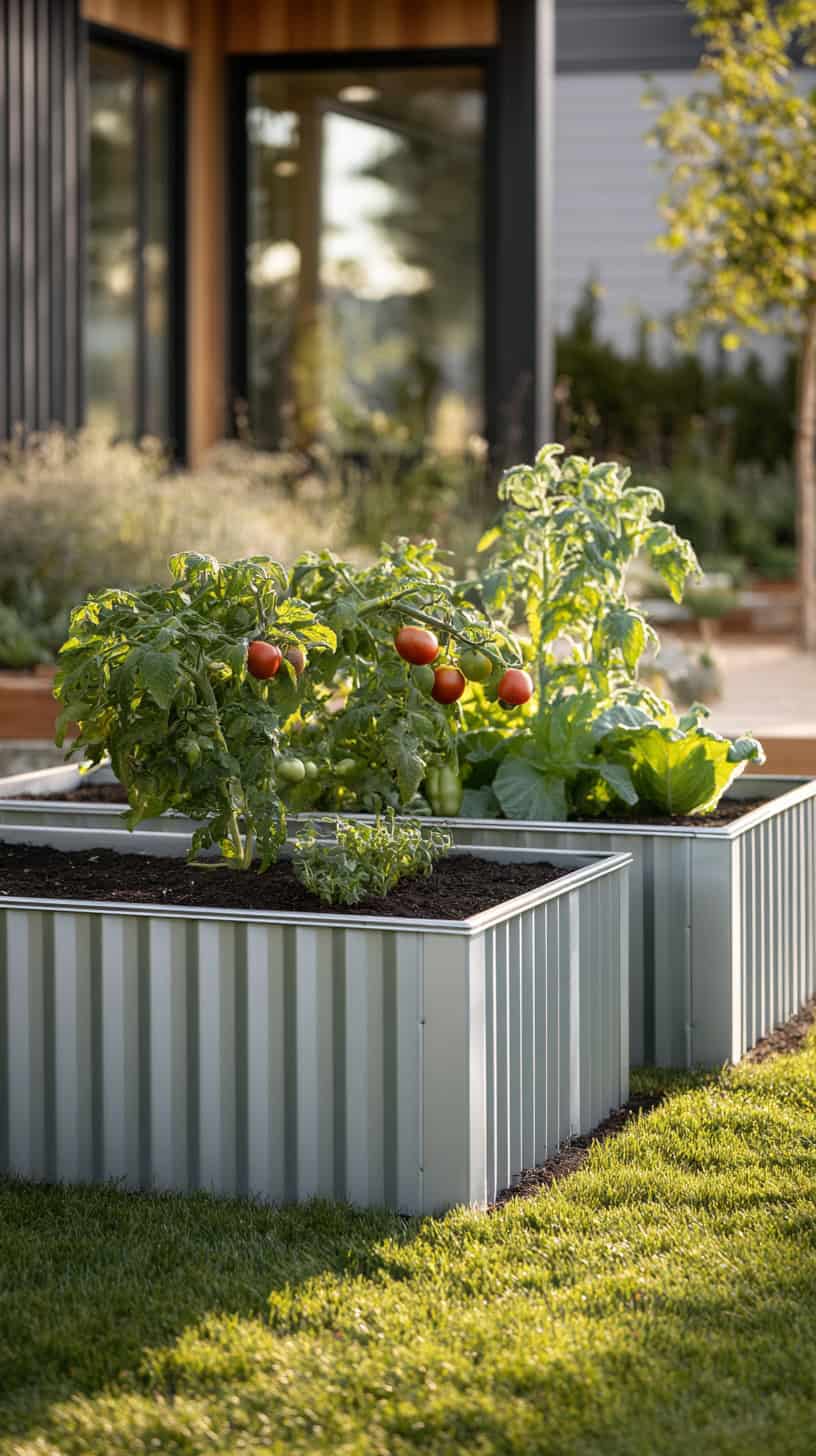
While DIY wood boxes are wonderful, metal raised garden beds deserve serious consideration if you want something that lasts practically forever. We added two galvanized steel beds last spring and I’m absolutely in love with them.
Galvanized steel beds won’t rot, warp, or need replacing every few years like wood can. That upfront investment pays off because you’re buying your last raised bed. Ours came with a 20-year warranty, which gives me peace of mind.
The clean, modern look fits beautifully in contemporary landscapes. The sleek metal edges create crisp lines that make your garden look professionally designed. Our whole yard feels more put-together now.
Heat retention is a real benefit in cooler climates. The metal absorbs sun during the day and releases warmth to your soil, extending your growing season. My peppers and tomatoes got a great head start in spring because of this.
Assembly is usually tool-free or minimal. Our corrugated steel beds snapped together with included hardware in about 20 minutes each. No cutting, no measuring, no mistakes. Even I could do it alone while the kids were at school.
Corten steel is another gorgeous option that develops a beautiful rusty patina over time. It’s intentionally designed to rust on the surface, which protects the metal underneath. The warm orange-brown color is stunning against green plants.
Yes, metal raised garden beds cost more initially, usually between 100 and 300 dollars depending on size. But when you factor in longevity and zero maintenance, the value becomes clear. Sometimes splurging makes sense.
Quick DIY Raised Garden Bed Hacks on a Budget
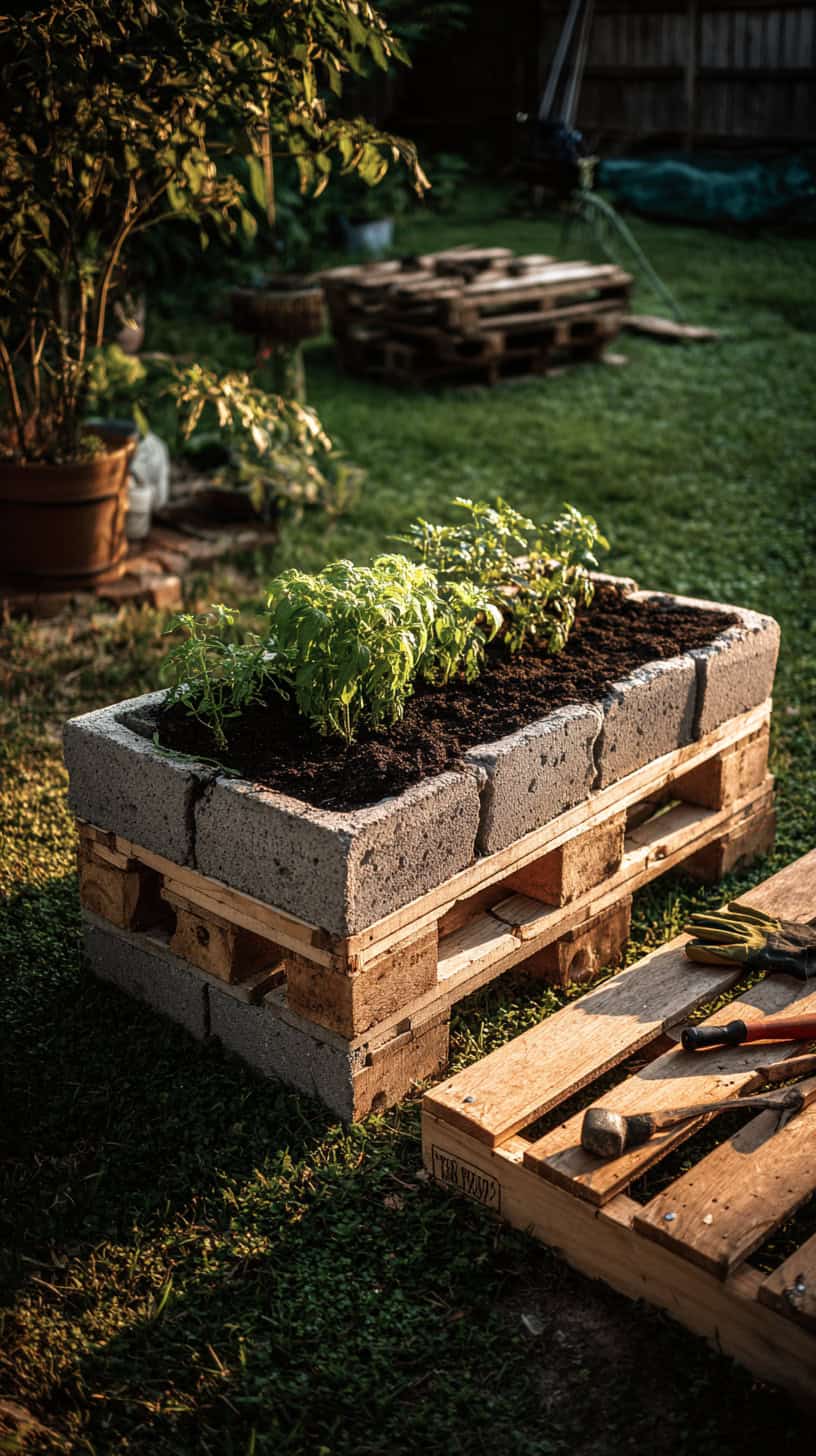
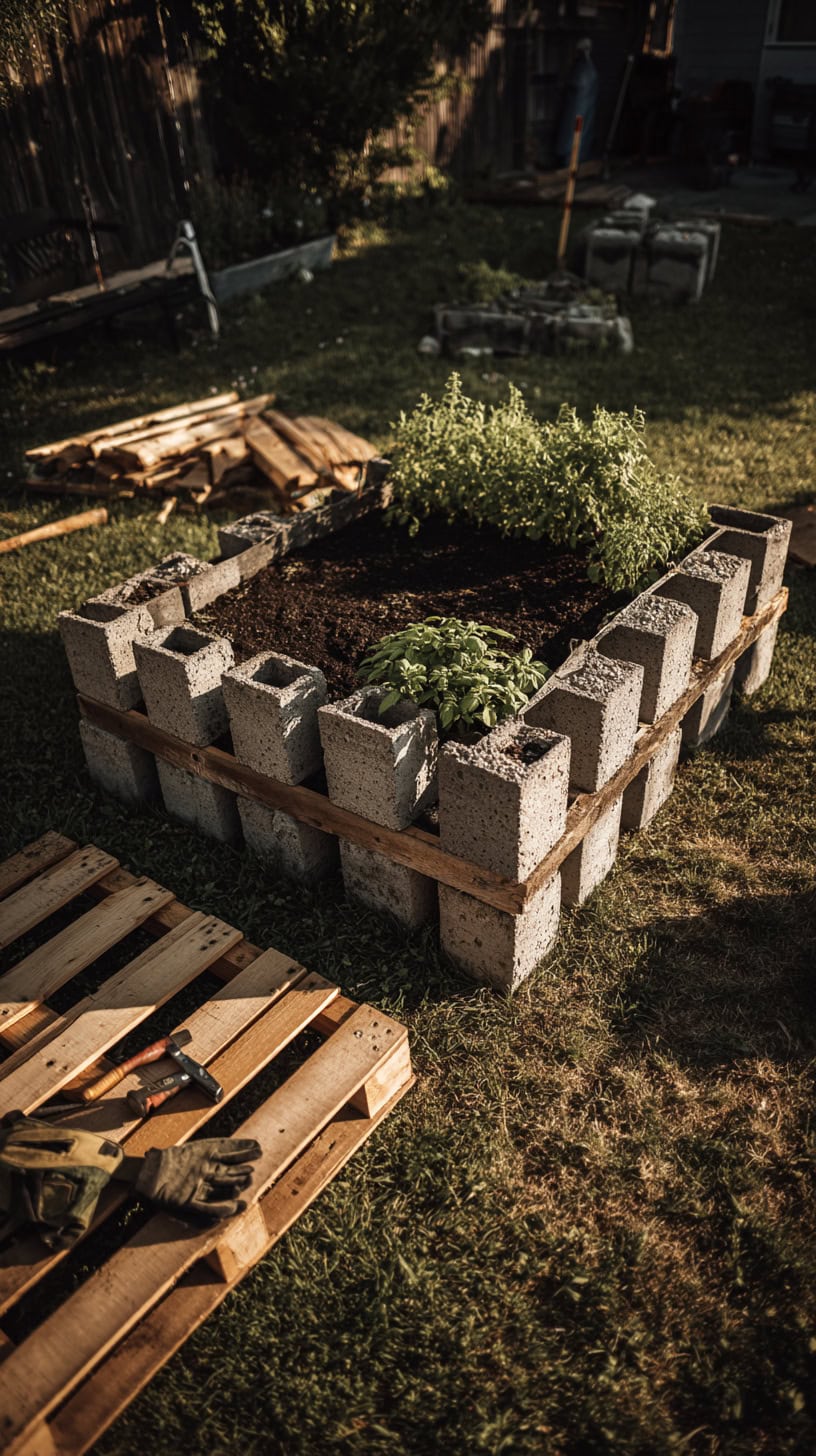
Building cheap easy simple raised garden beds doesn’t mean sacrificing quality or style. Some of our most successful beds came from creative problem-solving and budget-friendly hacks!
Cinder blocks are incredibly versatile and usually cost about a dollar each. Stack them two high in a rectangle, fill with soil, and plant in both the bed and the block holes. We grew herbs in the holes and tomatoes in the center.
Reclaimed pallets are often free from local businesses. Break them apart carefully and use the boards to build simple frames. Sand any rough edges and you’ve got rustic, charming raised beds for almost nothing.
Old dresser drawers make adorable small planters. Drill drainage holes in the bottom, add legs or set on bricks, and plant shallow-rooted crops like lettuce and herbs. We use vintage drawers as conversation-starter planters near our front door.
Straw bales create instant raised beds that decompose into compost over time. Arrange them in a rectangle, fill the center with soil, and plant. At season’s end, spread the decomposed straw as mulch. It’s brilliant and costs maybe 30 dollars total.
Repurposed plastic storage bins work surprisingly well. Choose food-grade containers, drill plenty of drainage holes, and you’ve got durable, lightweight beds that last for years. Not the prettiest option, but incredibly functional and cheap.
Tree trimming companies often give away wood chips for free. Use these as paths between your raised beds instead of expensive mulch or stone. It looks natural, suppresses weeds, and costs you nothing but the time to spread it.
DIY Raised Planter Boxes: Kid-Approved Fun Finale
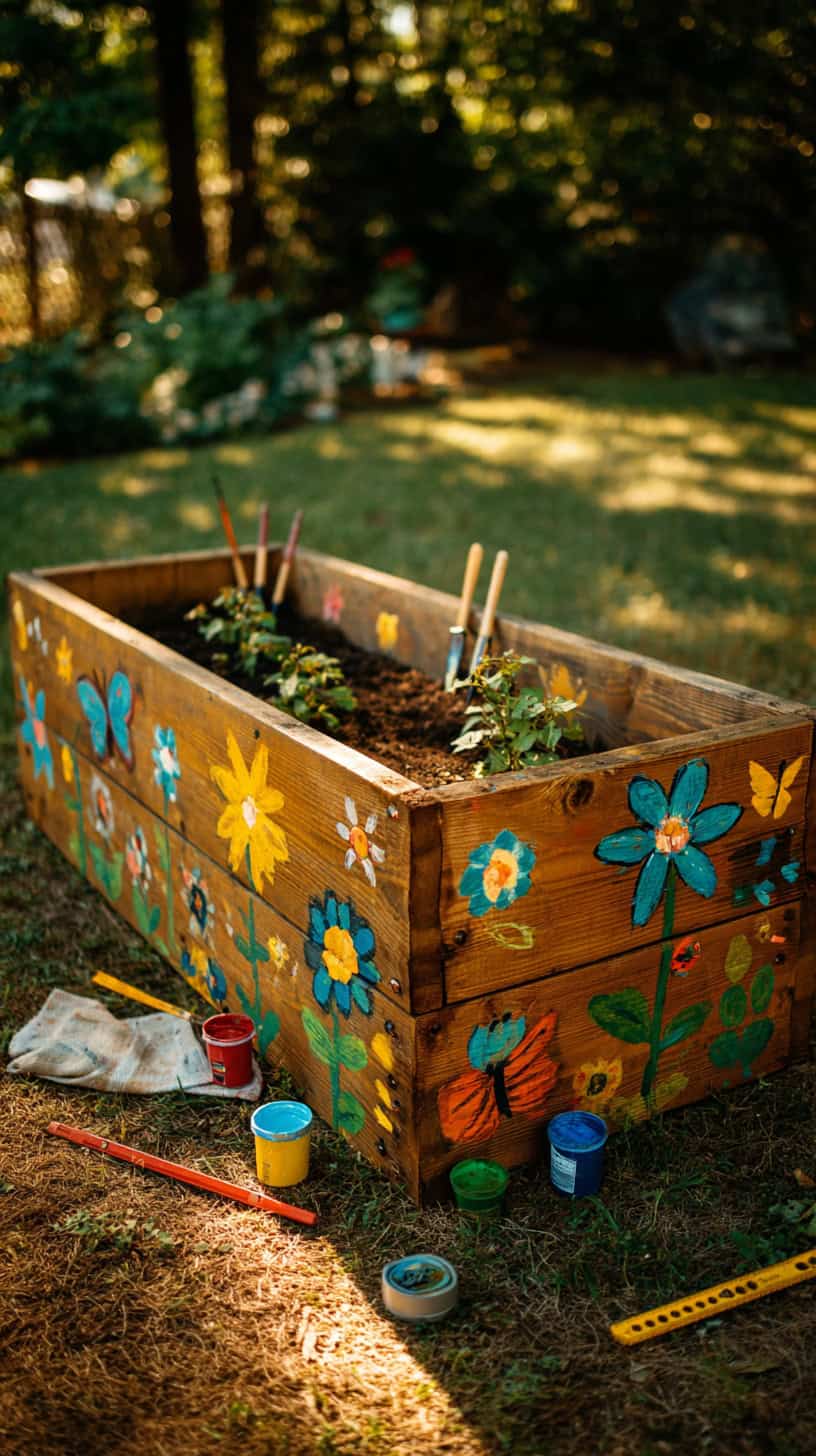
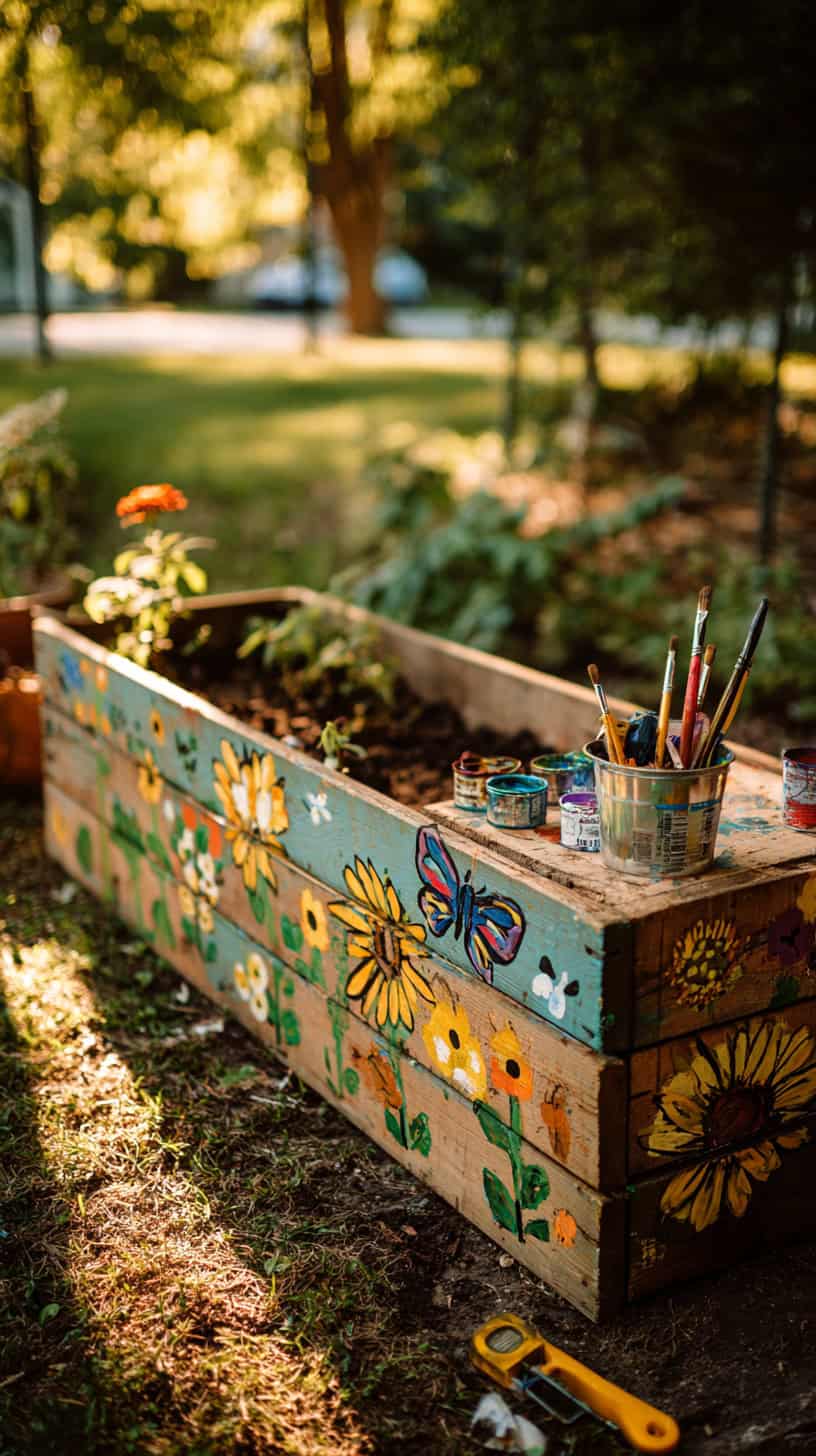
Building and planting DIY raised planter boxes with kids creates memories that last way longer than the harvest. Our family garden has become the heart of so many wonderful afternoons together.
Let kids help measure and mark during construction. Even little ones can hold the tape measure or mark pencil lines. My five-year-old was so proud to use the “real tools” alongside Dad, and it taught valuable skills.
Painting and decorating the finished boxes is where kids really shine. We used outdoor acrylic paint to add handprints, garden markers, and colorful designs to our wooden boxes. Each one tells a story about who helped build it.
Choosing seeds together at the store gets everyone invested in the garden’s success. Let each child pick something they want to grow. My daughter chose sunflowers, my son picked carrots, and suddenly they both cared deeply about watering and weeding.
Creating garden journals keeps the learning going all season. Kids can draw pictures of their plants, measure growth weekly, and record when they harvest. It combines science, art, and writing in a way that feels like pure fun.
Harvesting together is the ultimate reward. There’s nothing quite like a child’s face when they pull up a carrot they planted as a tiny seed. That connection to food and nature is priceless and shapes how they see the world.
Easy raised garden beds have transformed our family time outdoors. Whether you build simple wood boxes, invest in sturdy metal beds, or get creative with repurposed materials, the important thing is getting started. Your raised bed planter boxes will bring fresh food, outdoor fun, and quality time with your loved ones. So grab some boards, gather the kids, and start building your own garden adventure!
This post may contain affiliate links. Read the full disclosure here.