Cheap Raised Garden Beds Ideas For Budget Friendly Gardening
Creating a beautiful, productive garden doesn’t mean emptying your wallet! I’ve learned that some of the best garden beds cost next to nothing, and the satisfaction of growing your own vegetables in budget-friendly raised beds is truly priceless.
When I’m looking to start a productive garden on a budget, I prefer using budget-friendly galvanized steel raised garden bed kits that are affordable, long-lasting, and easy to assemble for a clean and efficient growing space.
Whether you’re a seasoned gardener or just getting started, these affordable options will transform your outdoor space without breaking the bank.
Why Raised Beds Are a Game-Changer for Moms
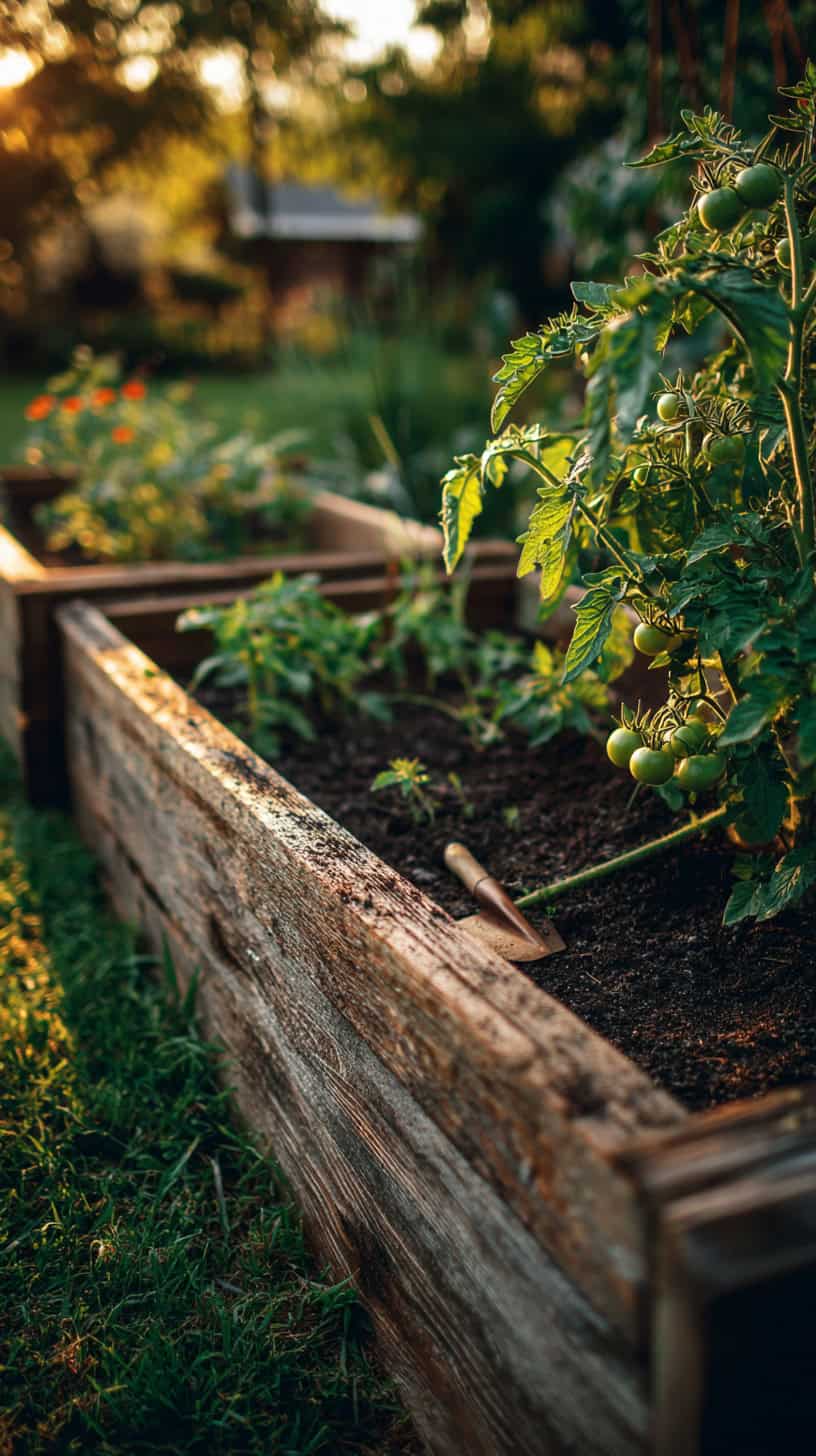


Let me tell you, raised garden beds have completely changed how I approach gardening with my family. The back-saving height alone is worth every penny, especially when you’re bending down to weed or harvest with little ones running around. I can work in the garden without feeling like I need a massage afterward!
Raised beds give you complete control over your soil quality, which is especially important if you’re dealing with rocky or clay-heavy ground like we had in our backyard. You can fill your garden boxes with perfect soil right from the start. The drainage is naturally better too, which means healthier plants and less worry about root rot or waterlogged vegetables.
My kids absolutely love having their own designated garden spaces. The defined borders make it easy for them to understand where they can dig and play, and they take so much pride in their raised veggie gardens. It’s become our favorite family activity, and watching those first tomatoes ripen is pure joy.
Another benefit I didn’t expect was how much easier it is to keep pests away. Rabbits and some ground-dwelling critters have a harder time accessing elevated beds. Plus, the compact nature of raised beds makes crop rotation and companion planting much simpler to manage, even for beginners.
The Planter Wall Block Method: My Favorite Under-$75 Option
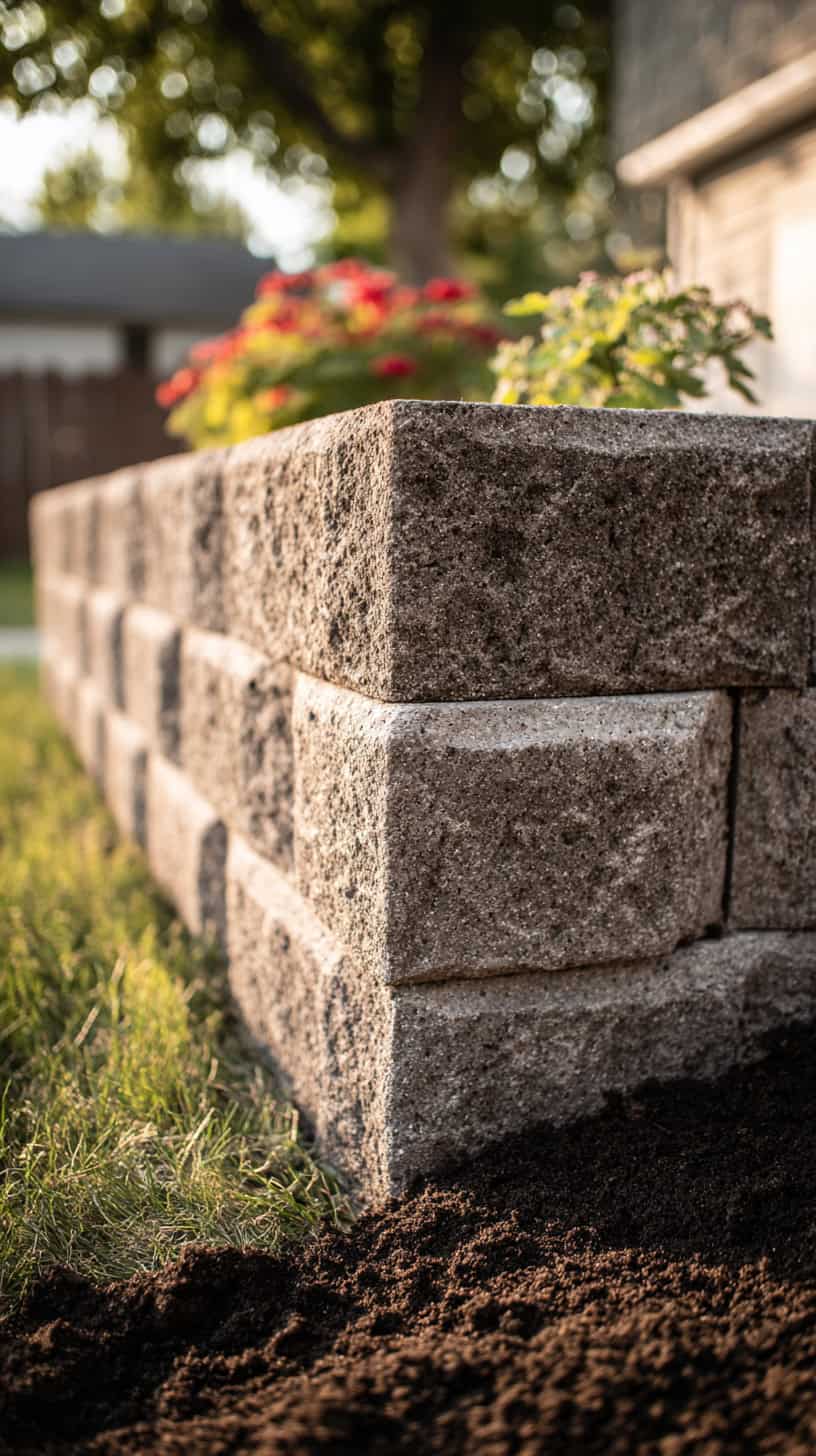
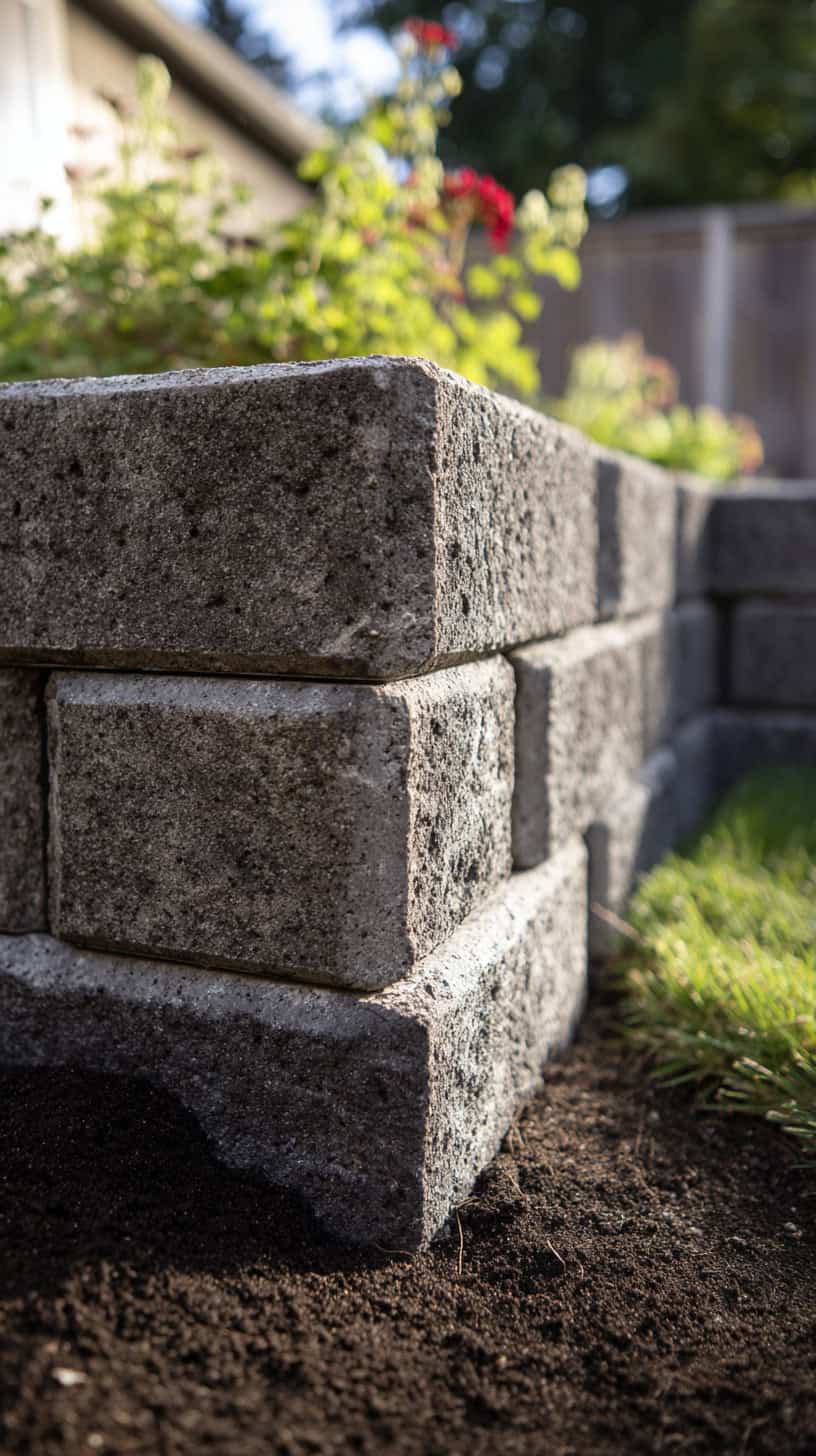
This method has become my absolute go-to recommendation for anyone starting out with cheap raised garden beds. Planter wall blocks, sometimes called retaining wall blocks, are incredibly affordable and ridiculously easy to work with. You can find them at any home improvement store for just a couple dollars each.
The beauty of this approach is that you don’t need any special tools or construction experience. Stack the blocks in whatever shape you want, and you’re basically done. I built my first 4×8 foot bed in less than an hour while my kids played nearby. The blocks lock together naturally, and their weight keeps everything stable without mortar or adhesive.
Here’s what you’ll need for a basic planter wall block garden bed:
- Around 30-40 planter wall blocks depending on your desired height
- Landscape fabric to line the bottom
- Quality soil mix to fill the bed
- A level surface to build on
I love that these blocks come in different colors and styles, so your garden boxes raised layout can actually look quite polished and intentional. The natural stone appearance blends beautifully with any landscape design. You can easily create a potager garden layout with multiple beds in different configurations.
The total cost for a good-sized bed usually runs between $60-$75, making this one of the most budget-friendly options that still looks professional. The blocks are also incredibly durable and will last for many, many growing seasons without any maintenance.
Upcycled Treasures: Free and Nearly-Free Raised Bed Ideas
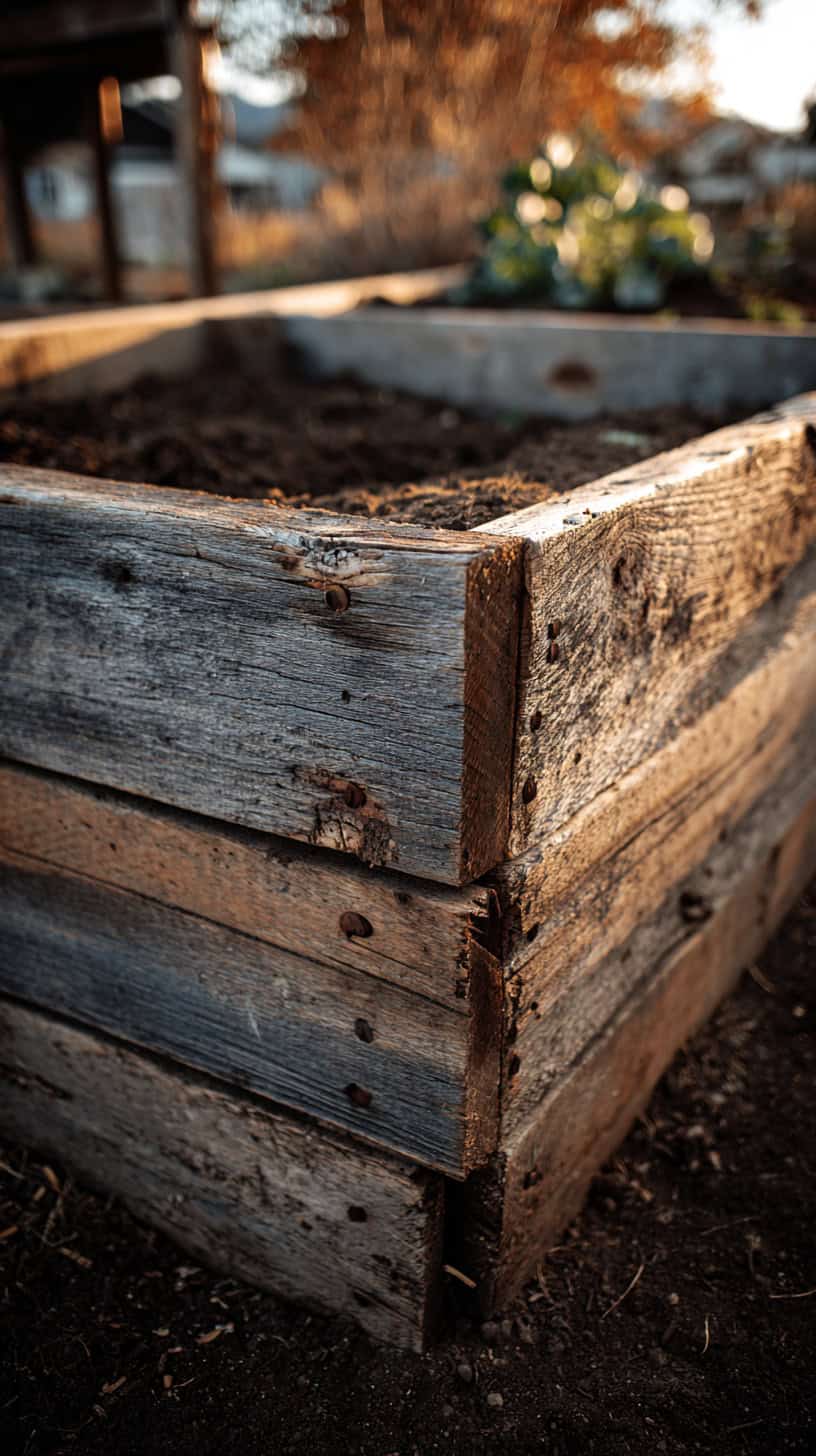
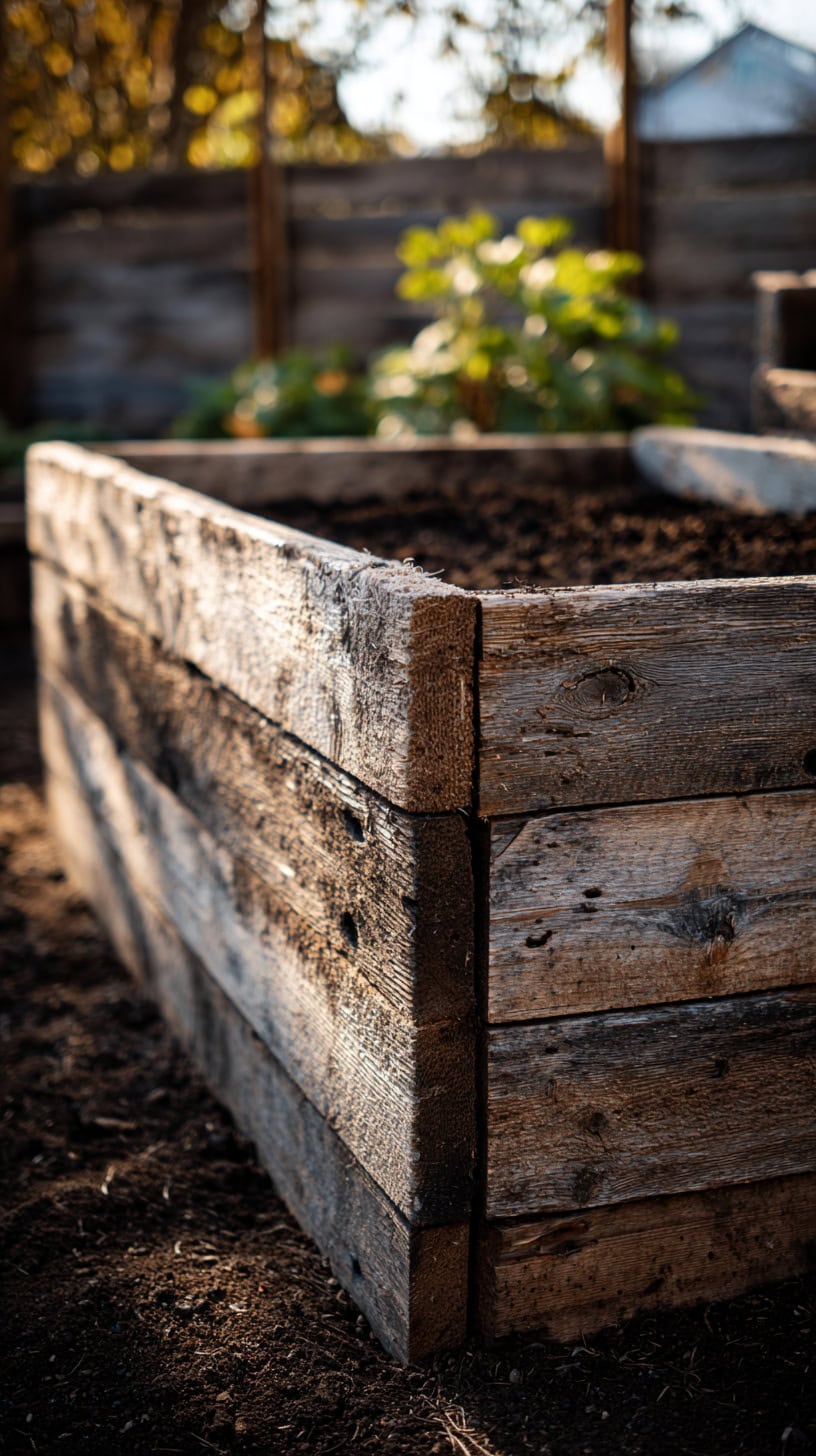
Some of my favorite garden projects have cost absolutely nothing because I looked around at what was already available. Old wooden pallets are gardening gold, and you can often find them for free behind stores or through online community groups. A pallet raised garden bed is simple to make and has that trendy rustic look everyone loves.
To create a pallet raised garden bed, you can either stand pallets on their sides to form walls or disassemble them and rebuild the wood into custom shapes. I recommend lining the inside with landscape fabric to keep soil contained while allowing drainage. These diy raised garden beds are perfect for herbs, lettuces, and other shallow-rooted plants.
Other upcycled materials that work beautifully include:
- Old dresser drawers (these make charming small planters)
- Broken wheelbarrows or wagons
- Wooden crates from farmers markets
- Salvaged fence boards
- Repurposed bricks or stones from old walkways
I once created an entire row of simple raised garden beds using lumber from a neighbor’s deck renovation. They were thrilled to have someone haul it away, and I got free materials for my diy raised vegetable garden ideas. Always check construction sites, online marketplaces, and community swap groups before buying new materials.
The creative possibilities are endless when you start looking at everyday items through a gardening lens. That old bathtub? Perfect for a quirky raised bed. Broken ceramic pots? Use them as drainage layers at the bottom of other containers. This approach not only saves money but also keeps useful materials out of landfills.
Galvanized Tubs and Stock Tanks: The Lightweight, Moveable Option
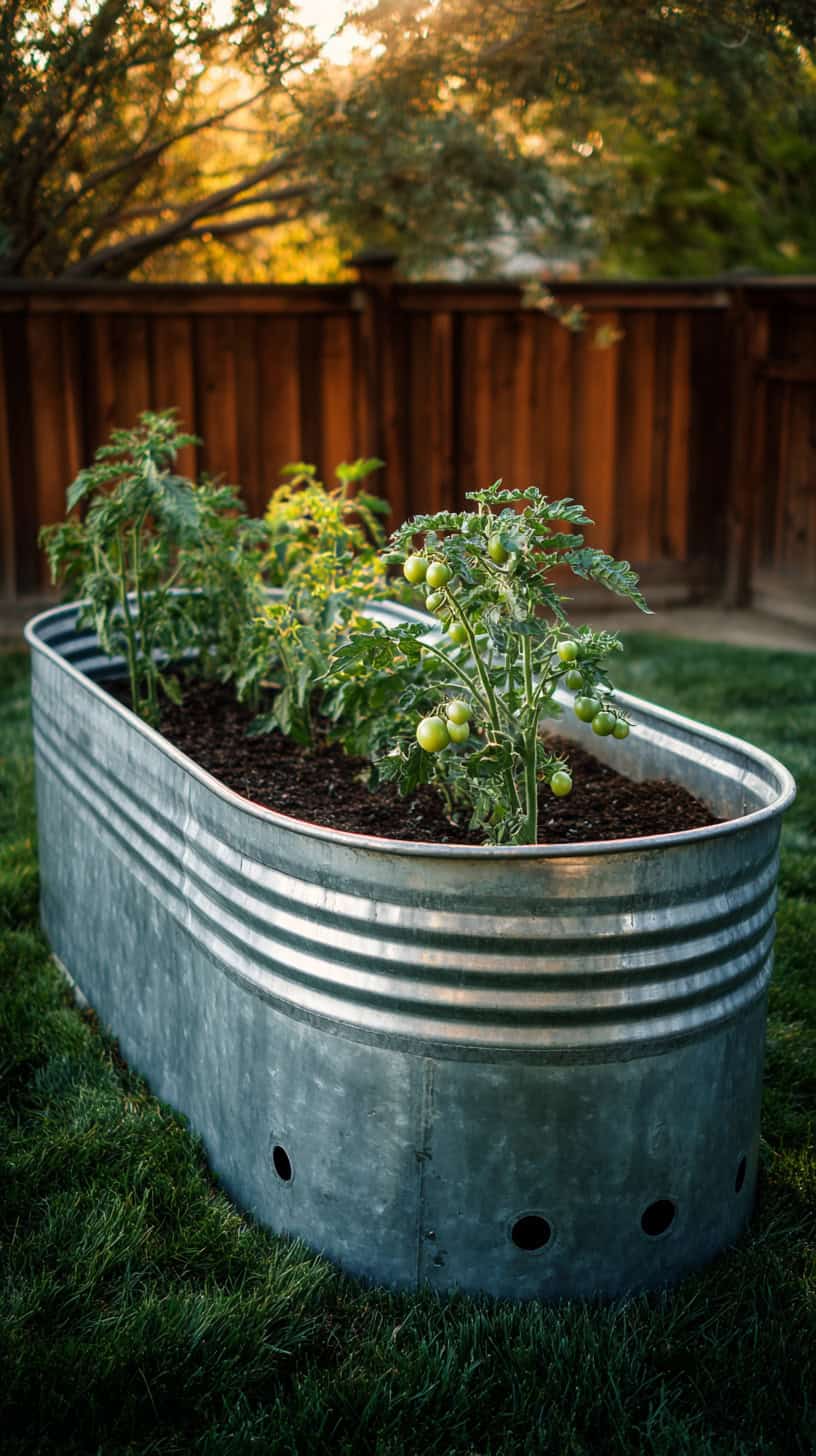
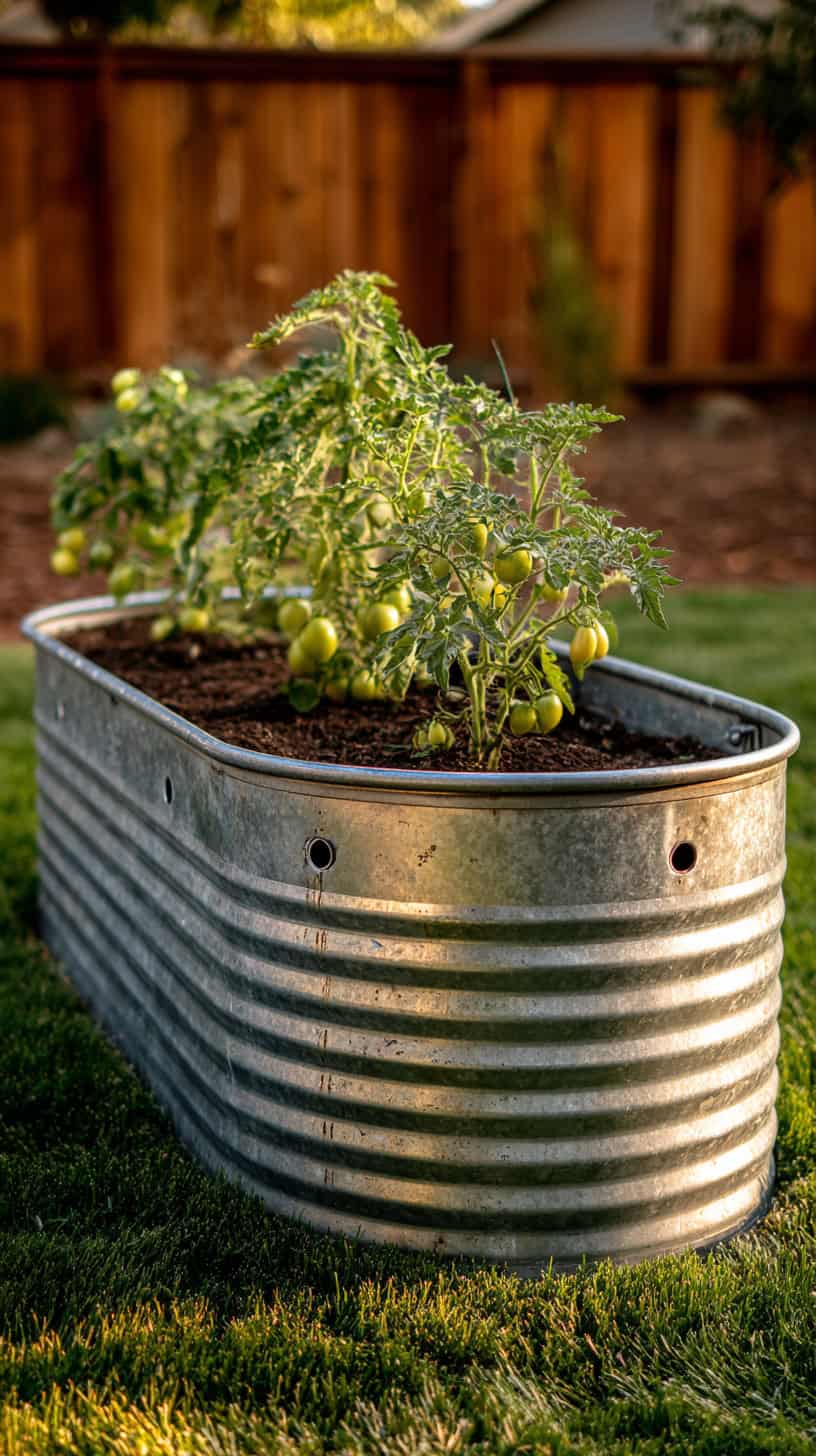
Galvanized stock tanks and metal tubs have become incredibly popular for raised veggie gardens, and for good reason! These metal containers are lightweight enough to move if needed, yet sturdy enough to last for years. I picked up several galvanized tubs at farm supply stores for under $30 each, and they’ve become some of my most productive garden boxes.
The metal construction provides excellent drainage once you drill a few holes in the bottom. The height is perfect for reducing bending, and the sleek appearance fits well with both modern and farmhouse garden aesthetics. I especially love using these for easy raised garden beds because there’s literally no construction required beyond drilling drainage holes.
These containers work wonderfully for renters or anyone who might move, since you can take your entire garden with you. Just dump out the soil at season’s end, clean the tub, and transport it to your new location. The portability also allows you to rotate your garden layout from year to year without any heavy lifting.
One important tip is to avoid placing metal containers in full scorching sun in very hot climates, as the metal can heat up and stress plant roots. I position mine where they get morning sun and afternoon shade, or I paint the exterior with light-colored outdoor paint to reflect heat. This simple adjustment makes a huge difference.
Stock tanks come in various sizes, from small 2×2 tubs perfect for patio gardens to large 8-foot tanks that can grow serious amounts of vegetables. The variety means you can create a beautiful garden boxes raised layout with different heights and sizes for visual interest and practical growing needs.
Concrete Blocks and Cinder Blocks: The Budget-Conscious Builder’s Secret
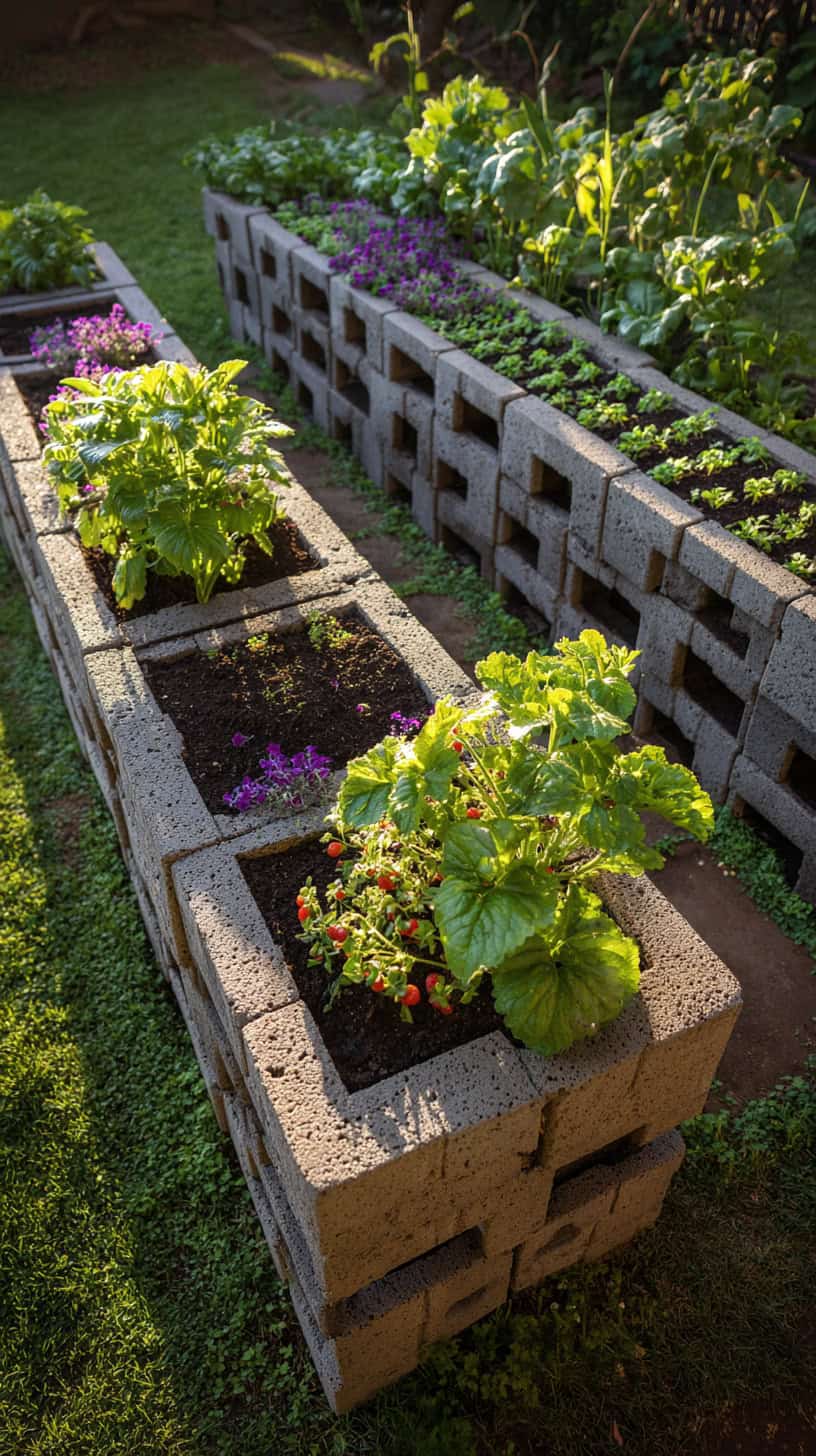
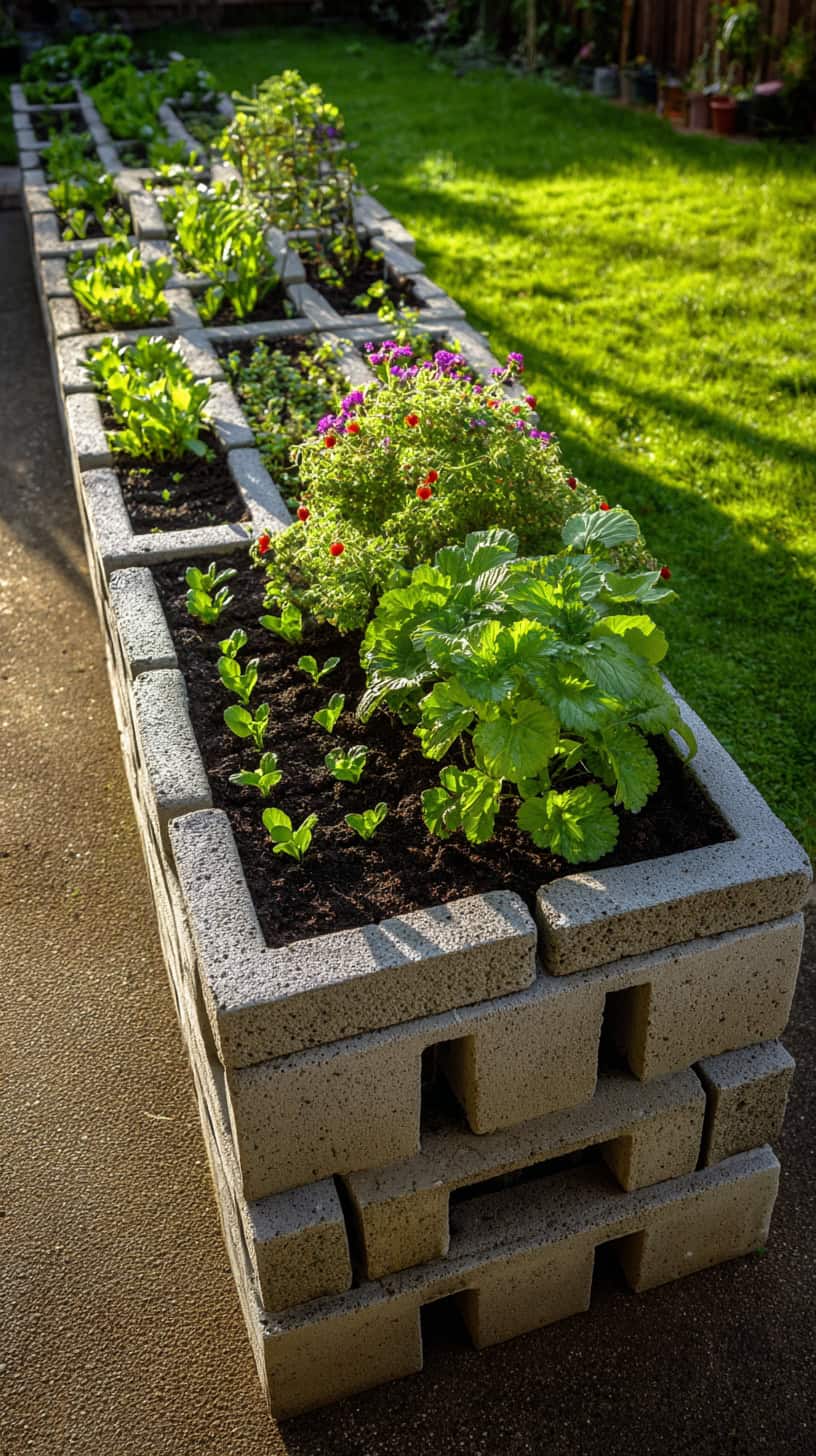
Concrete blocks are hands-down one of the cheapest ways to build substantial raised beds. Each block costs just a couple dollars, and you can stack them to any height you need. I built my first diy raised garden beds using concrete blocks, and they’re still going strong five years later.
The hollow centers of the blocks create bonus planting spaces, which I fill with herbs, flowers, or trailing plants like strawberries. This double-duty feature maximizes your growing space without any extra cost. The blocks also provide excellent thermal mass, absorbing heat during the day and releasing it at night to extend your growing season slightly.
Building with concrete blocks is incredibly straightforward. You don’t need mortar for most garden applications; just stack them in your desired shape on level ground. For added stability on taller beds, I sometimes use construction adhesive between layers, but it’s usually not necessary for two or three block heights.
Here’s my favorite concrete block bed configuration:
- Create a rectangle or square shape with your first layer
- Stagger the second layer like bricks for stability
- Fill the hollow cores with soil and add small plants
- Line the interior with cardboard to suppress weeds before adding soil
- Fill the bed with quality garden soil
Some people worry about chemicals leaching from concrete blocks, but modern blocks are generally safe for vegetable gardening. If you’re still concerned, you can line the interior walls with heavy plastic before adding soil, though I’ve never found this necessary in my own diy layout.
The industrial look of concrete blocks might not appeal to everyone, but I’ve seen people get really creative painting them, facing them with stone veneer, or allowing climbing plants to soften the appearance naturally. These simple raised garden beds are truly a blank canvas for your creativity.
Fabric and Grow Bags: The Easiest No-Assembly Option
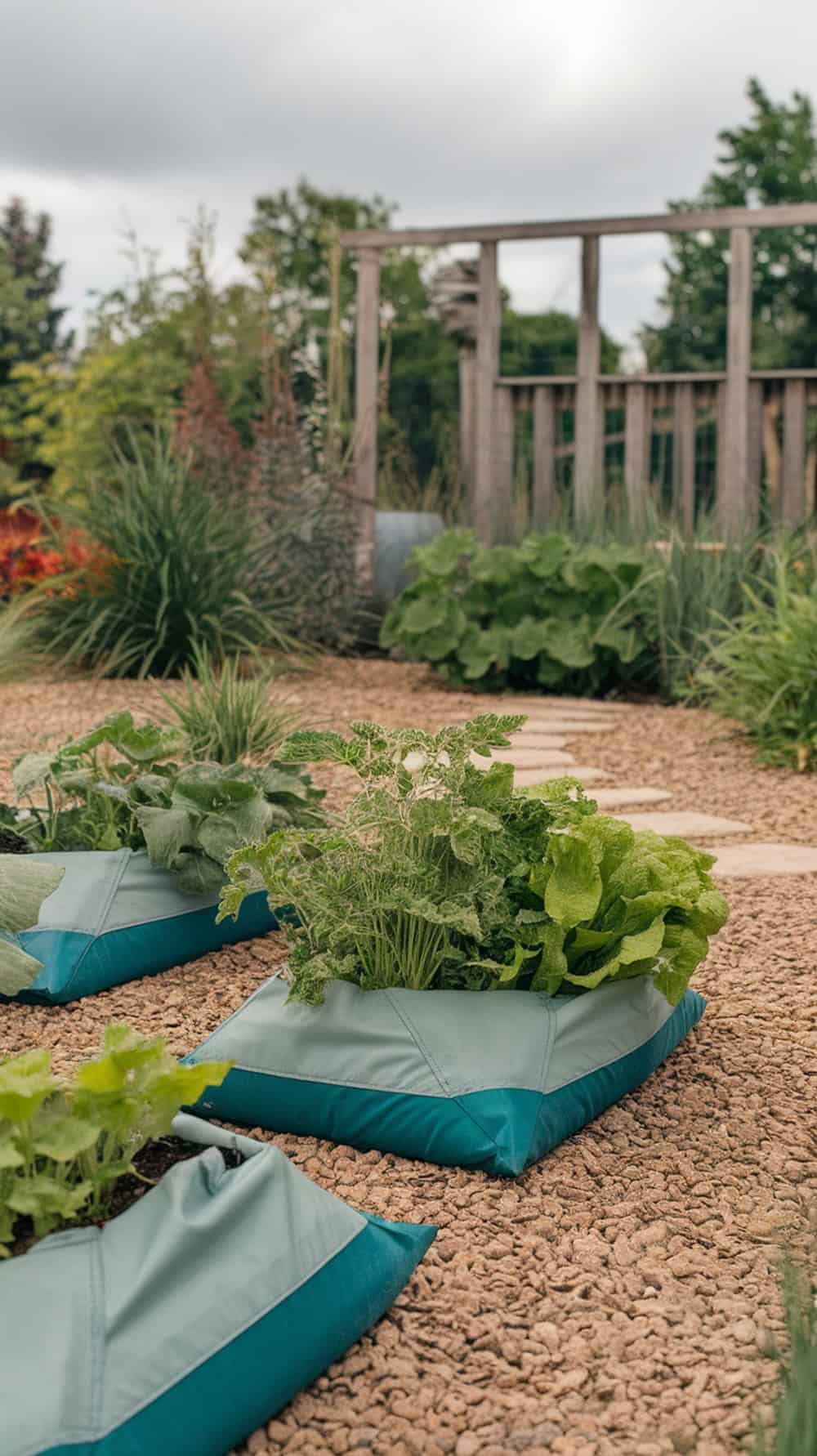
If you want to skip construction entirely, fabric grow bags are your answer! These soft-sided containers have revolutionized container gardening, and they’re perfect for anyone who wants easy raised garden beds without any tools or building skills. I keep several on hand for experimental plantings and overflow crops.
Fabric bags provide exceptional drainage and air pruning, which means healthier root systems and better plant growth. The breathable material prevents roots from circling and becoming root-bound, a common problem in traditional plastic pots. Your plants literally grow better in these simple containers.
The variety of sizes is impressive, ranging from small 5-gallon bags perfect for single tomato plants to enormous 100-gallon bags that can hold multiple crops. I use medium-sized bags for my raised veggie gardens on the patio, and they fold flat for storage during the off-season, saving valuable space in my garage.
Setting up fabric grow bags couldn’t be simpler:
- Place the bag where you want it (remember, it’ll be heavy once filled)
- Fill with quality potting soil or garden mix
- Plant your seeds or seedlings
- Water and enjoy
The portability of grow bags is fantastic for experimenting with sun exposure. If you notice your plants aren’t thriving in one location, you can move smaller bags to test different spots. This flexibility takes the guesswork out of garden planning, especially for beginners still learning their yard’s microclimates.
Quality fabric bags typically cost between $5-$30 depending on size, making them incredibly affordable for box garden ideas. They last several seasons with proper care, and many brands now offer UV-resistant materials that hold up even better. I’ve had some of mine for three years with no signs of wear.
Wood Planter Boxes: The Classic Approach Without Breaking the Bank
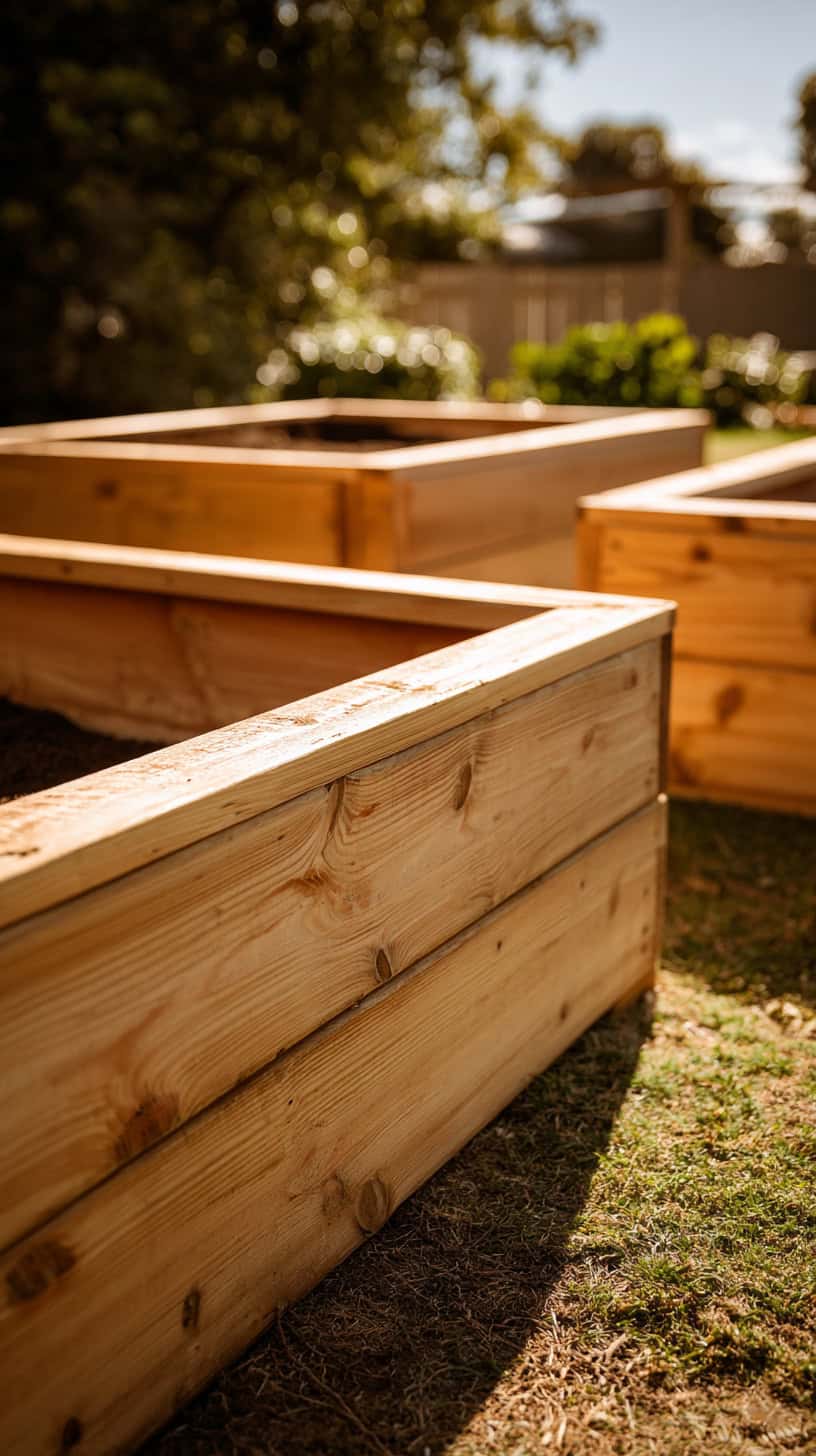
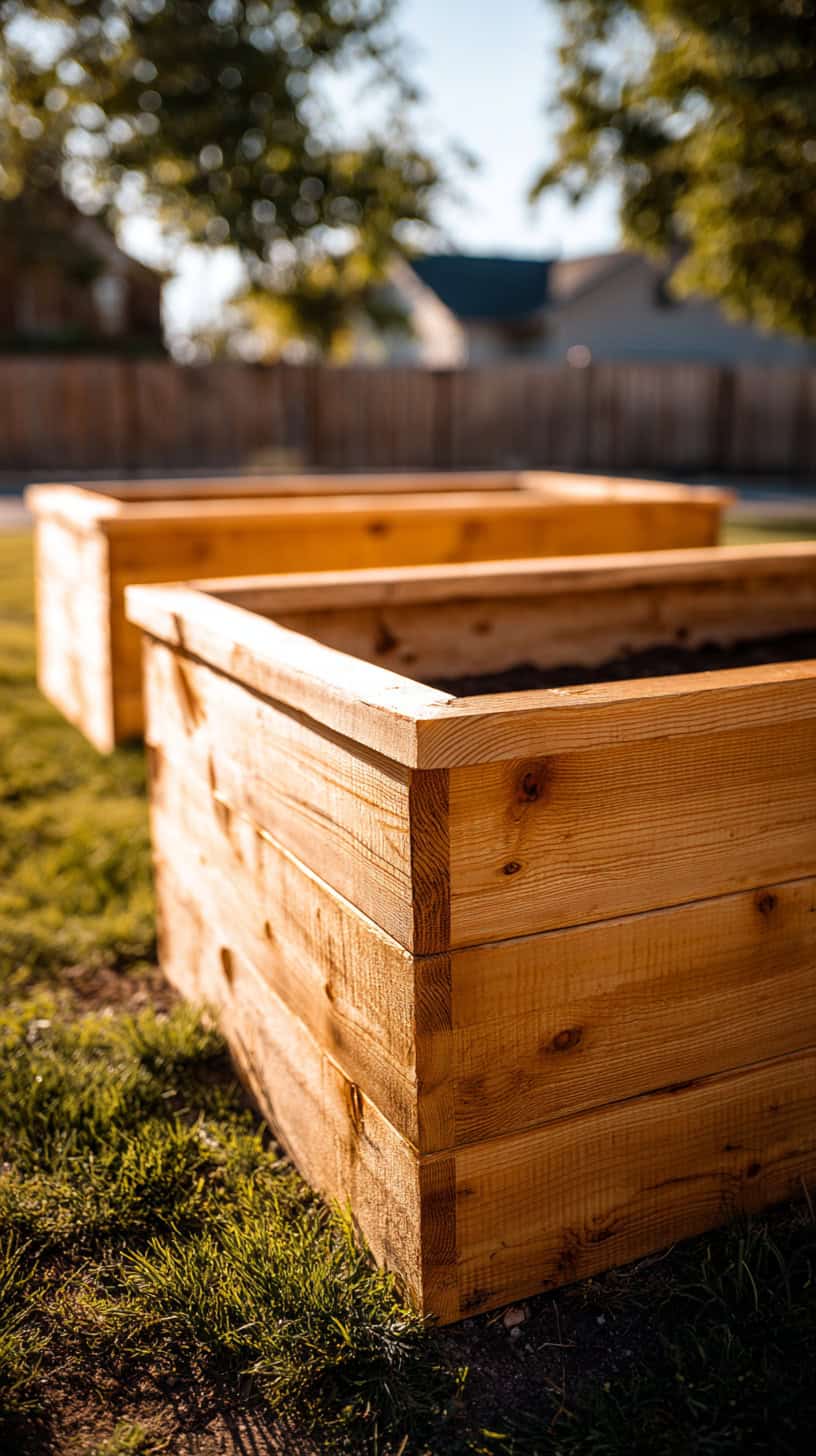
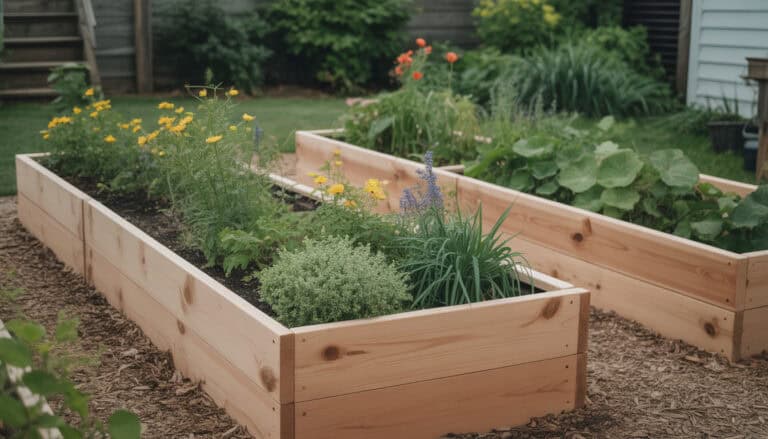
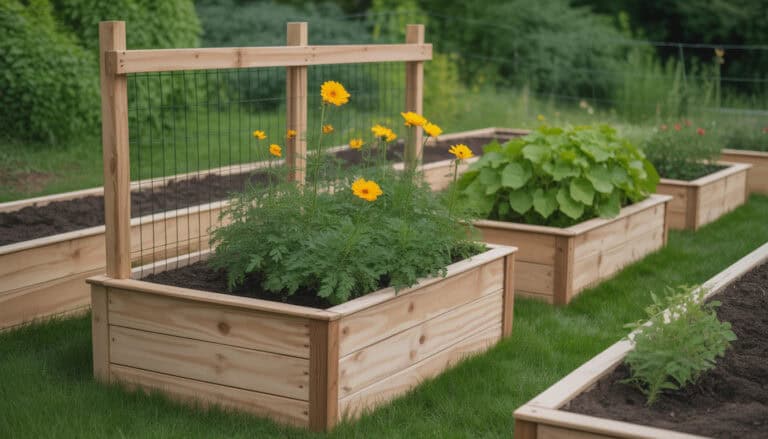
Traditional wooden raised beds never go out of style, and they don’t have to cost a fortune! I’ve built beautiful wood planter boxes using budget lumber, and they add such warmth and natural beauty to any garden space. The key is choosing the right wood and keeping your design straightforward.
Cedar is wonderful but pricey, so I often use untreated pine or fir for my diy raised garden beds and simply accept that they’ll need replacing in 3-5 years. For the cost savings, I’m happy to rebuild occasionally. You can also extend the life of cheaper wood by lining the interior with heavy plastic before adding soil.
A basic 4×8 foot wooden bed requires minimal materials:
- Four 8-foot boards for the long sides (doubled up)
- Four 4-foot boards for the short ends (doubled up)
- Corner posts to hold everything together
- Exterior screws or nails
- Basic tools like a drill and saw
I love involving my kids in building wood planter boxes because it teaches practical skills and gives them ownership of the garden. Even young children can help measure, hold boards steady, and paint or decorate the finished boxes. These diy raised vegetable garden ideas become family memories that last much longer than the growing season.
Shopping for lumber at discount building supply stores or checking for damaged wood at big box stores can save significant money. Slightly warped or cosmetically imperfect boards work perfectly fine for garden beds and often sell at steep discounts. I’ve built entire raised beds for under $40 this way.
The beauty of wooden garden boxes raised layout is how customizable they are. You can build them any size, height, or configuration to fit your specific space. Add decorative corner posts, paint them fun colors, or leave them natural to weather beautifully over time. The classic look complements any garden style from cottage to contemporary.
Getting Your Kids Involved: Making It a Family Project
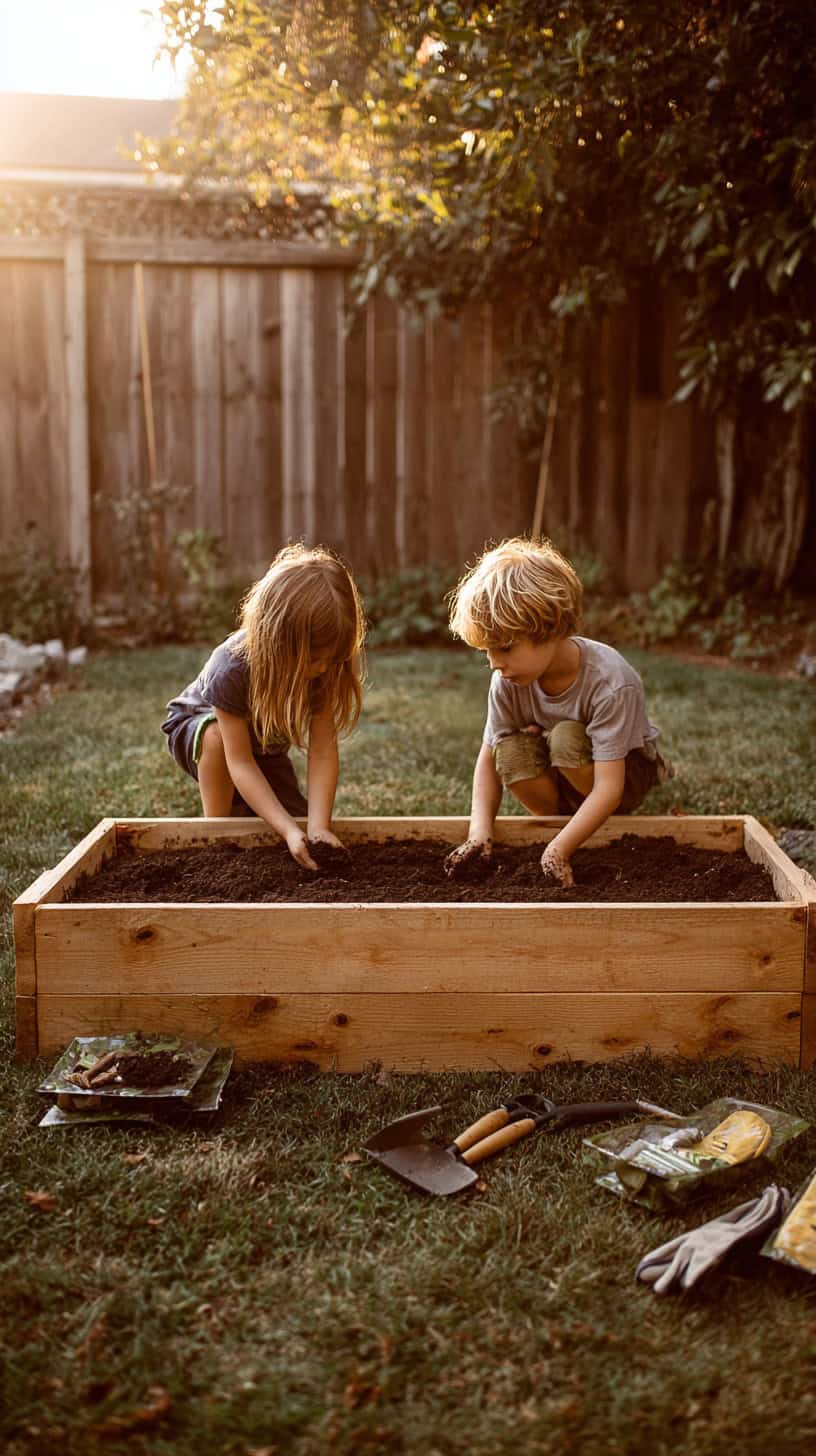
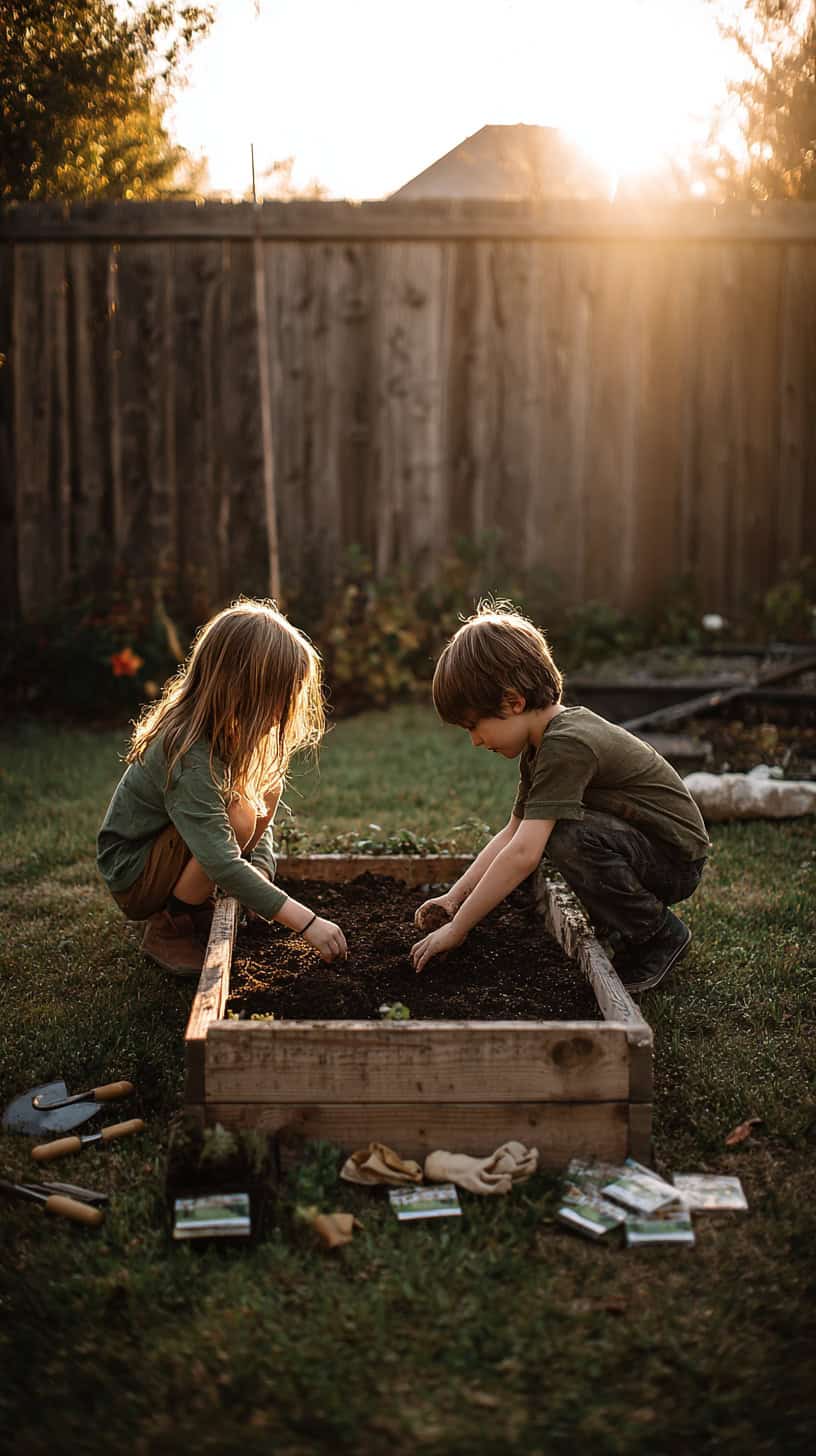
The absolute best part of creating cheap raised garden beds is turning it into quality family time! My kids have learned so much from our garden projects, from basic construction skills to plant biology, and they genuinely love being part of the process. Starting with simple raised garden beds is the perfect way to introduce children to gardening.
Let your kids help choose which type of bed to build and what vegetables to grow. This ownership makes them so much more invested in caring for the garden throughout the season. We have family meetings where everyone gets to vote on our diy garden ideas, and even the suggestions we don’t use get noted for future seasons.
Age-appropriate tasks make everyone feel included:
- Toddlers can help fill containers with soil and water plants
- Elementary-age kids can plant seeds, measure materials, and paint or decorate
- Preteens and teens can help with actual construction and planning
- Everyone can harvest and enjoy the results together
I’ve found that building our easy raised garden beds together creates teaching moments that simply don’t happen in other contexts. We talk about geometry while measuring boards, discuss ecology while preparing soil, and practice patience while waiting for seeds to sprout. These lessons stick because they’re hands-on and meaningful.
The pride children feel when eating vegetables they’ve grown themselves is absolutely priceless. My picky eater who refused store-bought tomatoes will devour ones from her own raised veggie garden. There’s something magical about the connection between planting, nurturing, and harvesting that transforms how kids view food.
Don’t stress about making everything perfect. Some of our wonkiest, most imperfectly constructed beds have produced the best vegetables and created the fondest memories. The goal isn’t perfection; it’s time together, learning experiences, and fresh food. Your family’s unique garden boxes raised layout tells your story.
Starting a garden with cheap raised garden beds opens up a world of possibilities for your family. Whether you choose planter blocks, upcycled pallets, galvanized tubs, concrete blocks, fabric bags, or classic wooden boxes, you’re creating more than just a place to grow vegetables. You’re building memories, teaching valuable skills, and establishing healthy habits that will last a lifetime. The budget-friendly approach means you can experiment, expand, and adjust your garden year after year without financial stress. So grab your kids, pick your favorite diy raised garden beds method, and get growing! Your backyard transformation starts with that first simple bed, and I promise the rewards will far exceed your expectations.
This post may contain affiliate links. Read the full disclosure here.