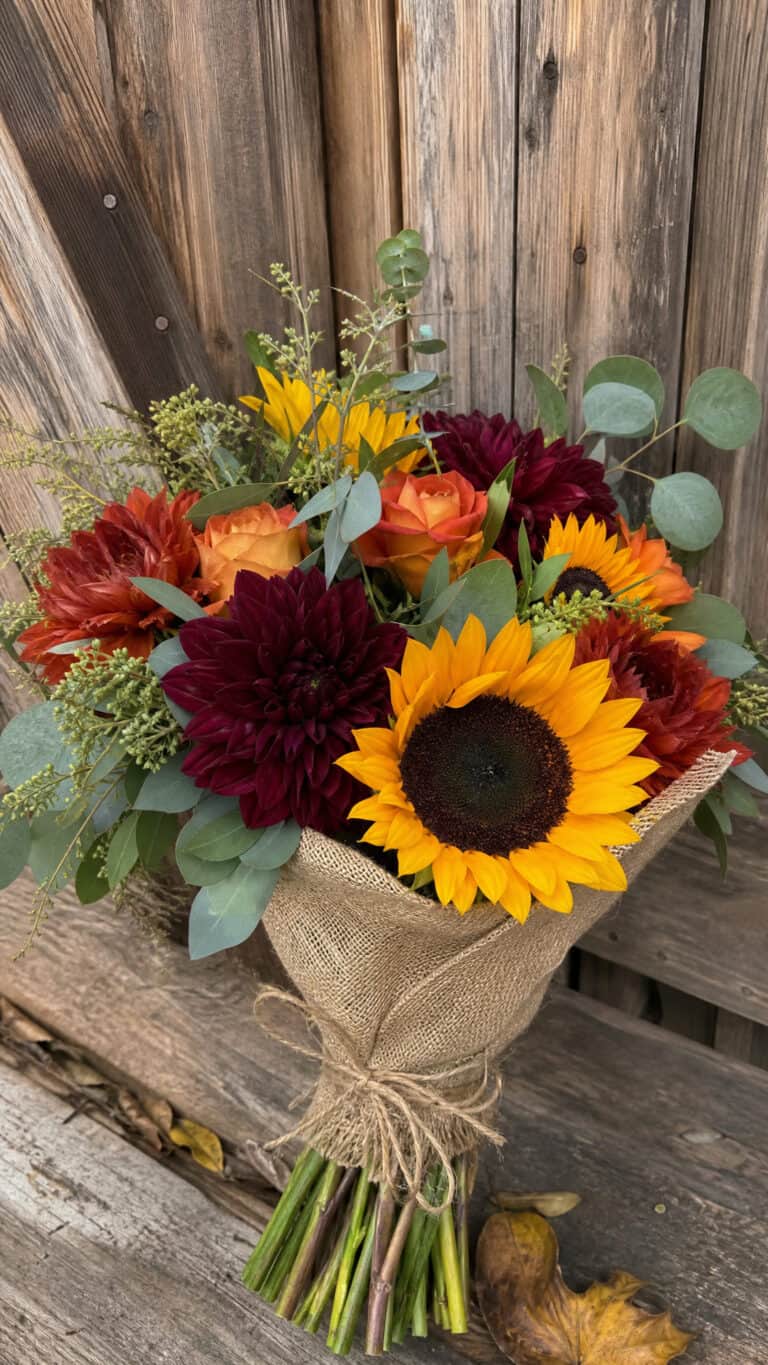

How To Choose Fall Flowers For Outdoors That Won’t Wilt Fast
Hi friends! As a mom of three wild (and wonderful) boys, fall is my favorite time to brighten up our porch and garden with new color. Keeping flowers fresh during soccer practices, school runs, and messy playdates can feel impossible. That’s where choosing the right fall flowers for outdoors makes all the difference—trust me, I’ve learned this the hard way!
In this post, I’ll share the simple tips that actually work for busy families who want blooms that stay perky, even when life is hectic. Let’s get you set up with outdoor flowers that won’t wilt before you can even find your coffee!

Why Fall Flowers Wilt: Common Pitfalls for Outdoor Arrangements
If you’ve ever picked out beautiful fall flowers for outdoors only to watch them droop and fade fast, you’re definitely not alone. I have loaded up my wagon with fresh mums in every fall color and later wondered why half of them gave up before the season even got rolling! There are a few sneaky reasons your outdoor flowers may struggle, even if you do everything “right” at first. Let’s break down what really causes outdoor flowers to wilt and how these pitfalls creep up—sometimes when you least expect it.
Unpredictable Weather Swings
Fall weather is famous for keeping us all on our toes. One day I’m shivering at morning drop-off in a sweatshirt, and the next, the playground feels like summer. Flowers feel those swings even more than we do.
- Sudden cold snaps can shock warm-loving flowers.
- Hot, sunny afternoons dry out even hardy plants quicker than you’d think.
- Heavy rain can waterlog roots in containers or garden beds, causing flowers to droop.
Tip: Pick spots for your fall flowers where they’re less exposed to blazing afternoon sun or chilly winds. If a late heat wave hits, a little afternoon shade saves more blooms than you might think!
Choosing the Wrong Varieties
Not every leafy pot at the garden center is a great fit for outdoor fall displays. Some flowers look tempting but could be meant for mild, indoor temps.
Here’s what I’ve learned the hard way:
- Tropical blooms (like hibiscus or caladium) wilt at the first hint of cold.
- Summer annuals (think impatiens and petunias) fade out fast once nights cool down.
- Florist mums look amazing in store but collapse outside, unlike hardy garden mums.
Always check labels and ask the staff if your flowers are bred for outdoor fall use. When in doubt, stick with the basics—pansies, garden mums, asters, and ornamental kale are much more forgiving!
Overwatering (Or Underwatering!)

It’s wild how often “watering” is the villain, and I say this as someone who has both ignored and overly mothered my plants. Fall is tricky because soil dries out slower, but container flowers still get thirsty on sunny days.
The usual suspects:
- Soggy soil can suffocate roots, leading to mushy, falling-apart stems.
- Too little water means flowers droop and fade, especially in shallow containers or hanging baskets.
Stick your finger in the soil up to the first knuckle—if it’s dry, it’s time to water. If it’s soggy, drain the pot, move it under cover, or try drilling extra holes. Trust me, this little test has saved more mums in our house than any gadget!
Poor Drainage
Outdoor pots are cute lined up for fall, but they’re sneaky if they don’t drain well. Water can pool at the bottom when leaves and wind clog up holes, especially after heavy rain.
A few drainage red flags:
- Water puddling on the surface after watering.
- Leaves turning yellow at the bottom.
- Pots feeling heavy and squishy at the base.
Look for pots marked “outdoor use” with built-in drainage. Elevate containers on bricks or pot feet so they drain after storms. This one simple shift keeps roots happier (and less smelly, which my boys love to point out—gross but true!).
Crowded Planters
I love a bursting, full-looking pot, but sometimes I get a little too excited. If flowers are stuffed together, there’s not enough room for roots or air between leaves. Crowding speeds up wilting and can invite “mystery mush” like mildew or rot.
Signs your planters are too crowded:
- Plants seem to grow upwards only, fighting for sunlight.
- Outer leaves get spots or look fuzzy.
- Some flowers bloom, while others never open.
Give each plant a few inches of space. It feels less impressive at first, but everything grows in beautifully. If you want instant fullness, use filler greens, then replace them with fall blooms as the season goes on.
Ignoring Sun Requirements
I have placed mums in every corner of my porch, only to find they’re pickier than they look! Some want sun all day, others prefer cooler morning light. Fall days get shorter, so sun patterns shift.
Keep this in mind:
- Flowers needing “full sun” may not bloom if the porch is shady by September.
- Heat lovers drop petals if direct sun is too harsh midday.
- Shade lovers can burn out in bright, open spots.
Watch your outdoor space for a day. Pick flowers to match the light they’ll actually get, not just what looks pretty at the store. A little planning here saves a ton of sadness (and money) later!
Not Protecting From Frost
Fall is sneaky with those first frosts! One chilly night and you can lose a whole planter. Even a light frost can wilt tender flowers and leave brown spots on petals and leaves.
Here’s what helps:
- Bring moveable planters onto a covered porch when frost is in the forecast.
- Toss a flat sheet or lightweight blanket over garden beds at night.
- Water in the evening before a frost—slightly damp soil helps hold heat just a little longer.
Mark the first average frost date for your area on your calendar. I always get caught off guard if I don’t check!
Skipping Regular Deadheading
This one feels like a chore, I know, but it really does help flowers keep blooming. Old, wilted blossoms drain energy from new buds, leaving everything looking tired.
Here’s how I get it done with kids running all around:
- Hand the boys some kid-sized scissors, and let them help clip off brown blooms.
- Do a quick scan for droopy heads every time you water.
- Collect faded petals for fun crafts or compost.
Regular deadheading is simple and relaxing once you build it into your routine, and your porch pots will thank you for it!
When you know what makes fall flowers for outdoors wilt, picking arrangements that last becomes much more fun—and your porch stays gorgeous even with a busy family calendar.
Top Picks: Resilient Fall Flowers for Outdoors (Mom-Tested!)

When fall is in full swing, I want my outdoor spaces to stay lively, no matter how many bike rides or muddy soccer shoes trample by. The best part is, you don’t need to hunt for rare blooms or fuss over delicate plants. There are fall flowers for outdoors that really can handle family life (and even a little chaos). These picks add color, bounce back after a chilly night, and keep up with life on a busy porch. Here are the tried-and-true favorites that always earn a spot outside my door!
Chrysanthemums: The Fall Classic That Stands Up to Kids
Let’s be honest—no fall garden feels complete without a few pots of mums. These beauties are everywhere in September and October for a reason. Not only do they burst with color, but they can also handle a lot of attention from curious kids and hopeful pollinators.
Why I count on mums every year:
- Bold color choices: From white to deep burgundy, and every gold and purple in between, mums give you options for every style.
- Sturdy flowers: The petals bounce back after rough play and can handle a cold morning.
- Long-lasting blooms: Mine hold up for weeks, even when temps swing from hot to chilly.
- Low effort: Water them when dry and pop off old blooms—really, that’s it.
A little tip: Pick garden mums, not florist mums. Garden mums handle outdoor life better and survive those accidental spills when someone tips the watering can. Cluster them on the porch stairs or tuck them into garden beds for a cozy, classic look.
Pansies and Violas: Small, Mighty, and So Cheerful
Pansies and violas are tiny but tough. I love how these flowers look so delicate with their pretty faces, but honestly, they are among the toughest fall flowers outdoors I’ve ever grown. If your porch or front steps need a little extra lift, you can mix these in almost anywhere.
Why pansies and violas always win me over:
- Cold-proof: These can shrug off a surprising frost with no trouble.
- Color variety: Patterns and shades galore—pick your kids’ favorites and let them help plant!
- Fast recovery: Step on one by accident? Give it water and watch it perk right back up.
- Child-approved size: Small enough for little hands to help with planting.
I like to tuck pansies along borders, pop them in hanging baskets, or stuff them in window boxes. They work well with bigger mums or cabbages, and kids love checking on their “happy faces” every morning. Sometimes I catch my boys making up stories about each flower—seriously, they bring pure joy!
Ornamental Kale and Cabbage: Tough Beauty for Cooler Weather
If you want an outdoor flower that laughs in the face of fall chills, ornamental kale and cabbage are the answer. These bold, leafy stunners look almost too pretty to be edible (and some actually are). They bring texture and whimsy to your porch and keep going even after a light freeze.
Here’s why kale and cabbage make my top picks:
- Unmatched strength: Cold rain? Frosty night? These plants just get brighter and more colorful.
- Fun shapes: Ruffled, curly, or flat leaves—each plant has its own look.
- Zero fuss: They need hardly any care and reward you with steady color for weeks.
- Mix well: Pair them with mums or pansies for neat combos.
I love arranging these in large pots on our front steps or lining the walkway with their crazy cool leaves. Their purple, pink, green, and white shades look even bolder as evenings get longer. Plus, nothing gets the neighbors talking faster than a giant frilly cabbage in the garden!
Asters and Sedum: Long-Lasting Color All Autumn
If I had to pick flowers that always surprise me with how long they last, asters and sedum would be it. Asters are like little fireworks in the garden, while sedum starts out subtle, then turns vivid as the weather cools down.
Here’s why they’re family favorites:
- Bright blooms: Asters come in purple, blue, or pink and attract butterflies for weeks.
- Sturdy growth: Both asters and sedum stand up to wind, rain, and the occasional kid’s soccer ball.
- Low water needs: These don’t pout when I forget to water, which happens more than I care to admit.
- Texture and height: Sedum ‘Autumn Joy’ has chunky, upright blooms that look cool even after frost.
These work great along the edge of the porch or as the anchor in a mixed pot. I often let my boys help pick colors and then watch as butterflies or bees stop by for a visit. It makes the whole yard feel alive, even as days get shorter.
With these trusted picks, adding lasting fall flowers for outdoors gets a lot easier (and a lot more fun with kids in tow). Each one brings its own style, personality, and toughness, which is exactly what a busy family garden needs!
Sourcing and Planting Techniques for Lasting Blooms

As a mom who never wants to see her fall flowers for outdoors wilt by week two, I’ve learned a few tricks that really make those blooms stick around longer. Picking the right flowers is just half the battle. Where you get them and how you plant them makes all the difference when you want colors that keep cheering up your porch, even after a chilly night or two. Let me walk you through how I pick, prep, and plant, so every mum, pansy, and cabbage gets its best shot at a long, happy fall.
How to Pick the Healthiest Fall Flowers for Outdoors
When I shop for fall flowers for outdoors, I skip the big-box stores most of the time and head straight to our local nursery. The plants here always seem hardier, plus the staff gives real advice instead of just reading labels (and I need all the honest tips I can get).
Some easy ways I spot the tough ones:
- Look for dark green leaves with no yellowing or spots.
- Check for new buds, not just full blooms. This helps the color last and keeps new flowers coming.
- Peek at the roots if you can. If they peek out the bottom but aren’t all tangled, you’re good.
- Pick compact, sturdy plants over lanky, floppy ones. These stand up better to rain and wind.
I make a game of it with my boys—who can find the healthiest plant fastest? It’s a quick way to keep little hands busy while you pick the best for your porch.
The Best Time to Plant Fall Flowers Outdoors
Timing matters, and I’ve had my fair share of learning by trial and error. Early fall, when the weather is cooling but not yet frosty, is prime planting season. Waiting too long into October invites trouble with early cold snaps (and nobody wants sad, slumped mums after just a week).
Here’s what’s worked well for us:
- Plant when days are cool and nights are above 45°F. This gives flowers time to settle before cold weather comes.
- I try to get everything in by late September. If you’re running behind (like I sometimes am), just be ready with a bedsheet in case of an early frost.
- Water new plants well when they go in so roots get cozy in their new home.
Planting after a gentle rain is perfect. The ground is soft, so even my youngest can help without making a giant mess.
Soil Prep and Container Tricks for Longer Blooms
I used to think any potting soil would do until too many flowers fizzled early. Now, I take five minutes to set the stage, and it really does pay off.
Here’s my fool-proof prep:
- Mix old soil with new, high-quality potting mix—about half and half.
- Add a scoop of compost or slow-release flower food for extra staying power.
- Check that every pot has proper drainage holes (and clear any gunk from last season).
- For garden beds, loosen soil down a trowel’s depth so roots can spread.
- In heavy clay soil, mix in a bit of peat or fine bark to help water drain better.
I also love to tuck a tiny scoop of compost under each plant. It’s like a “welcome snack” for their roots. My grandmother always did this, and her porch was packed with blooms well into November.
Spacing, Depth, and Planting the Right Way
Crowded flowers look tempting, but I promise a little space now means fuller, happier plants later. I remind my kids, “Flowers don’t like elbows in their faces either!”
Key things I always check as we plant:
- Space small flowers at least 6 inches apart (pansies, violas).
- Give mums and ornamental kale about 12-18 inches if they’re in the ground.
- In containers, aim for even gaps all around. Use greens or little pumpkins between flowers to fill empty spots.
- Plant at the same depth as the nursery pot.
- Press soil down gently so there aren’t any big air pockets, then water thoroughly.
If the soil settles a lot, I’ll add extra around each plant’s base. Bare roots dry out and can trigger wilting, especially in early fall breezes.
Watering Secrets for Bright, Happy Blooms

Watering is the number one thing I hear friends worry about, and for good reason. Too much or too little, and you’re right back where you started with droopy flowers.
I stick with these basics for our fall flowers for outdoors:
- Water deeply right after planting. This encourages deep roots.
- After that, let the top inch of soil dry out between waterings. Hot days need a quick check, but cool weather means less frequent watering.
- Always water in the morning if you can. Leaves dry quicker, so there’s less chance for mildew or rot.
- For pots, I lift them to check if they’re still heavy before adding water.
- Rainy spells? I move planters under the porch or tip them a bit so excess water can run off.
Kids love helping with watering—just coach them not to “flood” everything at once! A little patience here keeps the blooms looking bright and happy.
Protecting Roots and Keeping Plants Cozy in Fall
As nights get cold, roots need a little extra comfort. Mulch is my secret weapon for both cozy beds and container gardens.
What I use and why it helps:
- A layer of straw or pine needles around the base insulates roots and keeps soil moist.
- Fine bark chips are great for pots and add a rustic look.
- I avoid dense mulches that trap water or smother stems.
Spreading mulch is super easy and even turns up lost race cars and dinosaurs my boys hid over the summer.
Adding a Few Extras for Next-Level Color
One of my favorite ways to keep things looking fresh is to pop in a few extras every couple of weeks. If one flower starts to fade, we simply swap it for something new.
Little tricks that work for me:
- Tuck in small gourds, mini pumpkins, or colorful foliage plants between flowers.
- Rotate tired-looking pansies or mums with new little plants from the nursery.
- If you spot early browning, snip it off before it spreads.
This keeps the porch vibrant and full of surprises, which my kids love. Plus, it gives you a reason to visit the pumpkin patch (or garden center) again!
If you start with the right plants and set them up for success, those gorgeous fall flowers for outdoors really will stick around long enough for you to enjoy them with your family—even on the busiest weeks.
Ongoing Care to Keep Your Fall Flowers Vibrant (Even with Kids and Chaos!)
Once I have those fall flowers for outdoors tucked into pots and garden beds, the real adventure begins—keeping them looking fresh with three busy boys and not a lot of spare time. Every mom knows that sometimes basic care gets missed between homework, pickup lines, and spontaneous backyard soccer games. But staying on top of a few easy habits is what keeps my porch colorful right until that first hard frost. You can absolutely do this too, even if your days are wild and loud like ours!
Routine Watering Without the Stress
Flowers need steady water, but it’s easy to forget (or overdo it) when life gets busy. Too much water can be as bad as too little. In fall, I check the soil every couple of days, especially after a sunny afternoon or rainstorm.
Here’s my quick routine to keep things on track:
- Stick a finger in the soil—dry an inch below the surface means it’s time to water.
- Use a small watering can for porches so kids can help without flooding the pot.
- Water in the morning so leaves dry during the day, which prevents mildew.
- For in-ground flowers, sweep away soggy leaves so water doesn’t pool around stems.
If you’ve got older kids, put them in charge of checking for dry plants. It turns into a daily “flower patrol” and helps teach a little responsibility.
Fast and Simple Deadheading
Deadheading is the small job that makes the biggest difference! When old blooms stick around, new ones struggle. So, I make it part of my morning routine—either while waiting on the coffee to brew or when we head out for the school bus.
Here’s what I do:
- Snap or snip off any faded or brown blooms by hand.
- Show your kids how to do it gently. My boys love pretending the flowers are getting new haircuts!
- Add dropped petals to a bucket for future craft projects or the compost bin.
Spending just five minutes, a few times a week, really does keep those flowers blooming longer.
Kid-Proofing the Flower Beds
Kids and pets mean nothing pretty stays untouched. I’ve stopped fighting it and now plan for a little chaos.
A few ways I keep my fall flowers for outdoors safe without blocking off the garden:
- Place sturdier plants like ornamental kale and mums along the outer edge to guard softer blooms.
- Tuck fragile flowers in between larger ones for a bit of natural protection.
- Lay stepping stones through beds where kids like to rush through most—everyone wins!
- Use cute mini fences or painted rocks to set natural boundaries.
It’s not perfect, but it prevents most accidental trampling and gives the boys a bit of ownership in the yard.
Watch for Sad Leaves and Sneaky Bugs
Fall flowers can handle a lot, but sometimes problems sneak up. A few brown spots or holes in leaves don’t always mean disaster, but catching issues early keeps things lively.
What I always look out for:
- Yellow, mushy leaves—usually overwatering.
- Dry, crisp leaves—probably need more water or are getting full sun all day.
- Chewed leaves or flowers—often caterpillars or beetles. Most can be picked off by hand.
Whenever I find something weird, I call it a “garden mystery” and get the kids to help. Sometimes it’s just a lost Lego, but it gets everyone involved and trading guesses.
Simple Feeding for Busy Families
Fall flowers for outdoors enjoy a little extra food but don’t need a strict schedule. I use a slow-release fertilizer when planting and maybe one liquid feeding mid-season. That’s it. Too much fertilizer, and you’ll end up with lush leaves but fewer blooms.
My favorites:
- Sprinkle granular flower food in pots when you first plant.
- If flowers look tired, mix a dash of liquid fertilizer into water once a month.
- Always water first before feeding to avoid burning roots.
Easy feeding keeps those blooms going strong, especially as the weather cools.
Quick Fixes for Weather Surprises
Here in our house, weather likes to throw curveballs just after I finally get everything looking good! I keep a kit by the back door with old towels, a bedsheet, and a roll of garden twine.
Here’s how I handle the surprises:
- If frost is coming, toss the sheet over pots or beds for the night.
- Move planters up against the wall or onto the porch if a storm’s brewing.
- Stand toppled pots back up and brush dirt off the leaves—flowers are pretty forgiving.
The boys love helping with “flower fort duty” before bedtime on chilly nights, so it turns into a mini adventure.
Keeping It Fun and Involving the Kids
The best part about keeping fall flowers for outdoors vibrant is making it something the whole family does together (even if briefly). I give each of my boys a job—watering, checking for bugs, or gathering old petals. They may not always get it perfect, but everyone feels proud when our porch stays looking cheerful.
Here are a few small jobs for little hands:
- Fill up watering cans.
- Count how many open blooms there are each week.
- Arrange mini pumpkins or acorns in the flower beds for extra color.
These routines are quick, simple, and make ongoing care feel less like a chore and more like a family tradition.
Regular, easy care is what keeps your fall flowers for outdoors bright and beautiful—even when your life is running full speed ahead!
Creative Displays: Make Your Fall Flowers Pop on Porches, Patios, & Yards

Fall flowers for outdoors are a breeze to keep fresh when you arrange them in fun, eye-catching ways. I’ve learned that the right presentation can completely change how your porch or yard feels. Instead of just tossing pots around, I like to think of it like setting a stage where each flower gets to shine in its best light. It’s not just about flowers; it’s about creating moments of joy every time you walk outside with the kids.
Here’s how you can make your fall flowers stand out and keep their charm all season long.
Layered Groupings for Depth and Drama
Layering your flowers adds visual interest and helps busy moms (like me!) hide spots where blooms might be fading. I start with the tallest plants at the back of my porch or patio, then place medium-height and low-growing flowers in front.
Try this simple layering trick:
- Place garden mums or asters in the back—they hold their shape and catch attention.
- Fill the middle layer with colorful pansies or violas, which bounce back fast.
- Use ornamental kale or cabbage along the edge for texture and contrast.
You can mix in little pumpkins, gourds, or even autumn leaves between plants. It makes the whole display feel alive and playful, and it keeps kids curious every time they run past.
Use Containers of Different Sizes and Shapes
Matching flower pots aren’t my style. Instead, I gather different sized containers—some tall, some squat, some wide—and arrange them close together. This adds a quirky charm that feels warm and inviting.
Here’s why I swear by varied containers:
- Smaller pots with violas pop in front of larger mums in big urns.
- Anthropologie-style rustic pots or brightly colored plastic containers add personality.
- Staggering heights make the display feel less “planned” and more natural.
If you want, add a footstool or wooden crate under one pot for some extra height. The kids love it because it creates little hideouts or flower “islands” to explore visually.
Mix Flowers with Seasonal Decor
Nothing says fall like combining flowers with classic seasonal accents. I gather pinecones, colorful leaves, and even some sticks from the backyard. Throw in a few mini pumpkins or a bunch of cinnamon sticks tied around a planter and suddenly your flower arrangement smells like fall too.
Some quick ideas that always work:
- Wrap pots with burlap ribbon or tie on a plaid bow.
- Place lanterns or battery-operated candles near your flower containers for cozy evenings.
- Scatter acorns or tiny gourds around for a woodland vibe.
It’s super easy, and my boys love helping find “decor treasures” during weekend yard time. It turns flower care into a family event.
Try a Theme or Color Story
Choosing a color scheme makes a big difference when you want your flowers to feel put together but not stuffy. Fall’s natural palette—rich oranges, yellows, deep purples, and reds—makes this fun and easy.
How I pull mine together:
- Pick two or three main colors. For example, bright yellow mums with purple asters and orange pumpkins.
- Repeat those colors in planters, decor, and even porch furniture cushions.
- It all ties together and makes your porch feel like a cozy, inviting spot even when it’s chilly.
Your kids can help choose the colors. It’s their space too, after all, and picking colors gets them excited for a season that can sometimes feel gloomy without the right brightness.
Create Pathways and Borders with Flowers
If your yard has a walkway, border it with small pots or planting beds filled with fall flowers. This makes arriving home feel like stepping into a special fall wonderland, and it’s a simple way to add color without much effort.
Here’s what works for me:
- Line pansies or violas along the walk in low containers.
- Use taller mums or ornamental cabbage at corners or bends.
- Add a few stepping stones or painted rocks for fun spots where kids love to pause.
You don’t need a big garden to do this. Even a porch step or a balcony railing can become a mini meadow of cheerful fall flowers.
Don’t Forget Vertical Space
If you’re short on horizontal space or just want to switch things up, use vertical displays. Hanging baskets, wall-mounted planters, or even DIY pallet gardens can pack a colorful punch.
Why I love vertical:
- Keeps flowers out of reach of tiny hands and soccer balls.
- Adds visual layers that bring life to plain walls or fences.
- Lets you mix flowers and trailing vines for extra flair.
Pairs of hanging baskets flanking a door or window are always a highlight. The kids enjoy watering them too—it’s like their own little flower ‘tree’ to care for.
Making fall flowers for outdoors pop doesn’t mean spending hours or breaking the bank. It’s all about mixing, matching, layering, and having a little fun. When the flowers and decor reflect your family’s style, your porch or yard becomes a happy spot that kids and adults both love to hang out in.
Conclusion
Choosing fall flowers for outdoors that last isn’t about perfection—it’s about finding what works in your busy family life and enjoying the process. With a few smart picks and simple care routines, you can keep your porch colorful and inviting even when time feels tight and the kids are on the move. Remember, some wilting here and there is part of the fun, so don’t stress the small stuff!
I’d love to hear about your go-to fall flowers or any tricks you’ve learned to keep blooms alive through all the chaos. Sharing tips helps us all get a little more joy from our outdoor spaces. Thanks for reading, and happy planting!
This post may contain affiliate links. Read the full disclosure here.