Easy Raised Flower Beds Ideas For A Low Maintenance Garden
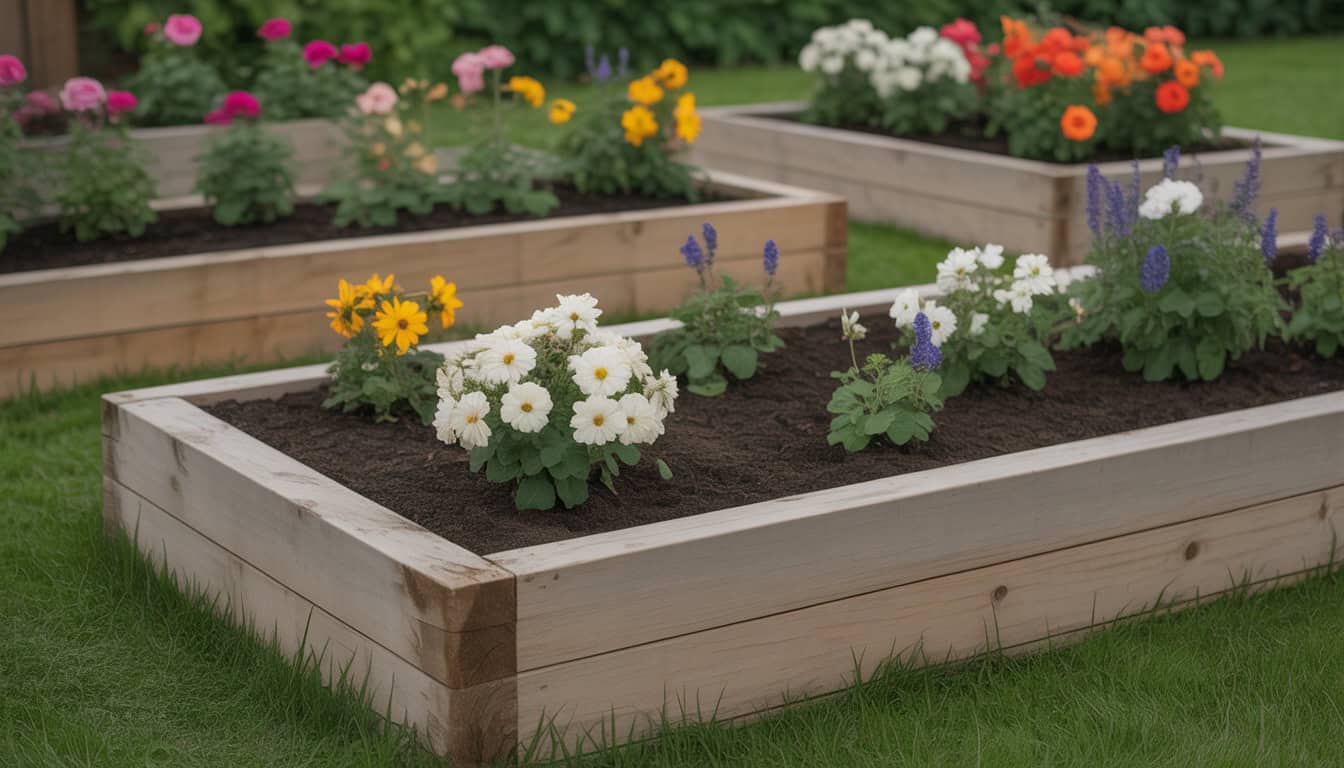
If you’re looking for a way to transform your outdoor space without spending every weekend weeding and fussing, easy raised flower beds might just be your new best friend. They bring color, structure, and charm to any garden while making the whole gardening experience so much easier on your back and your schedule.
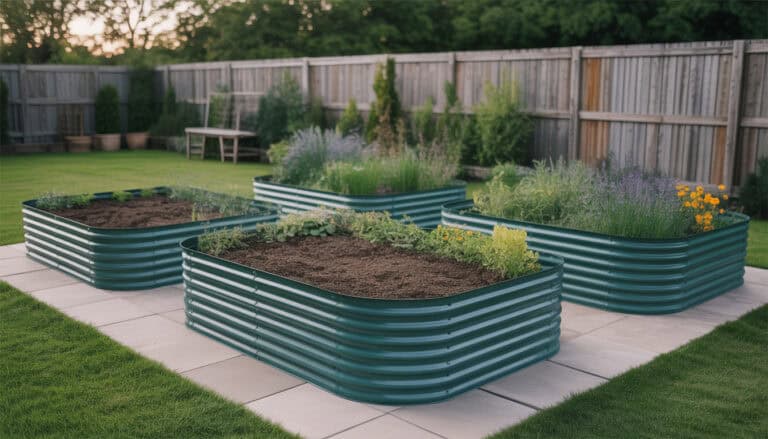
I love creating simple, low-maintenance garden spaces that still feel beautiful, and I always start with a modular snap-together raised flower bed kit that makes planting effortless while keeping everything neatly structured and visually charming.
Let me share why I’m absolutely hooked on this simple gardening solution and how you can create your own beautiful raised bed gardens!
Why I Love Easy Raised Flower Beds
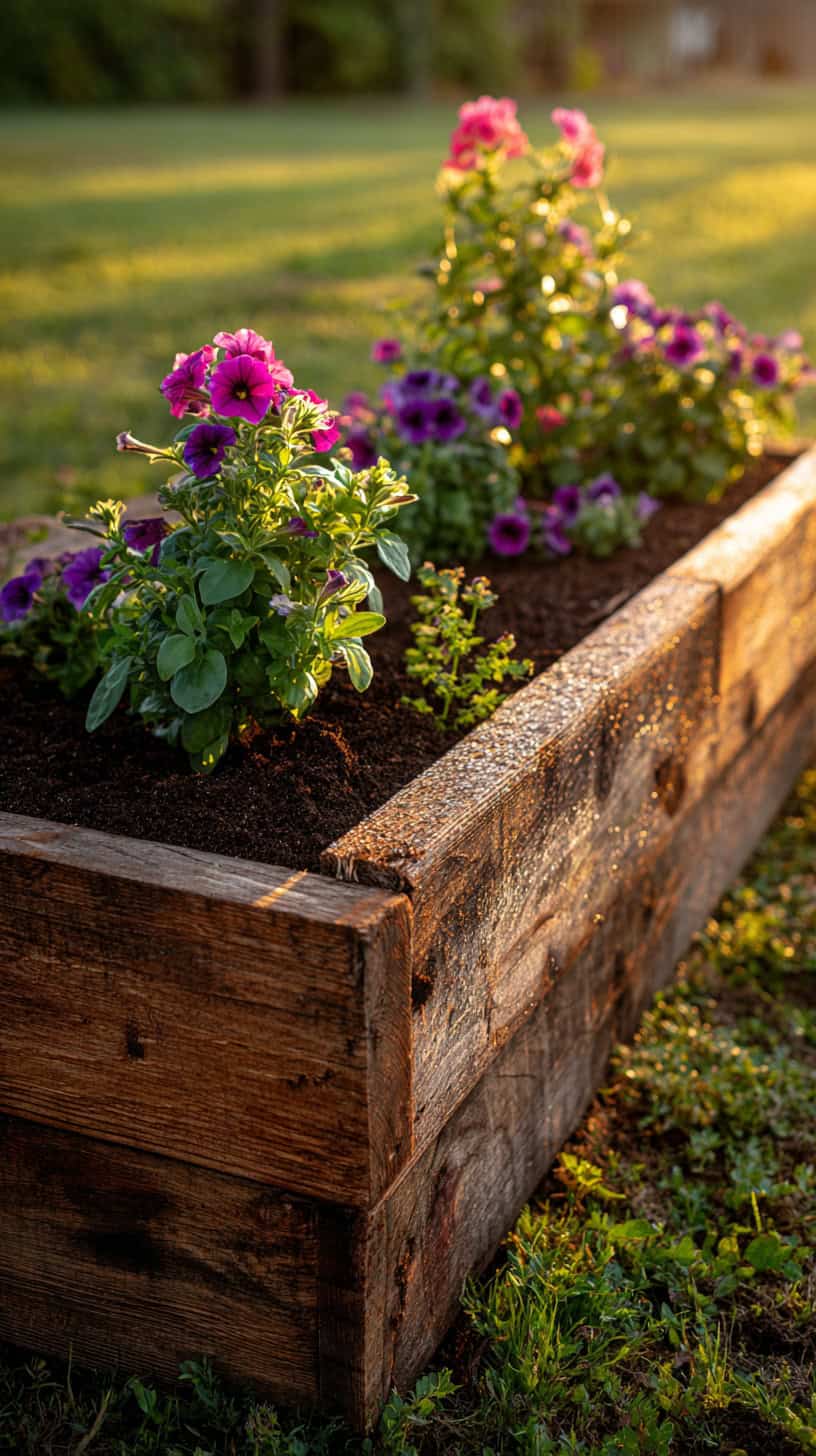
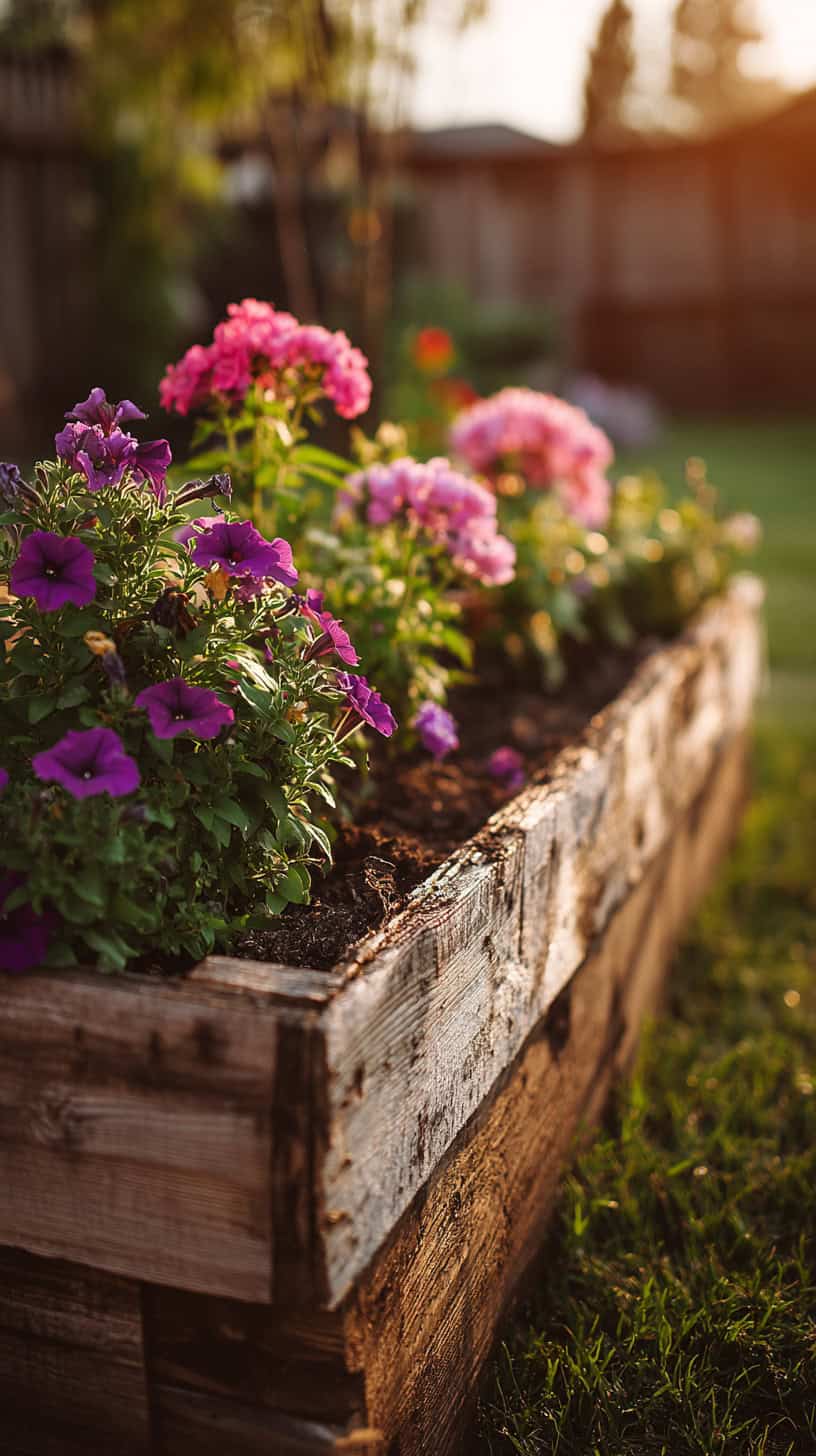
I’ll be honest, I used to think raised beds were just for serious gardeners with lots of time and money to invest. Then I built my first simple raised flower bed using reclaimed wood, and everything changed. The benefits hit me right away, and I couldn’t believe how much easier gardening became.
First, there’s the drainage advantage. Raised flower beds naturally drain better than ground-level gardens, which means no more waterlogged plants after heavy rain. My flowers actually thrive now instead of sitting in soggy soil. Plus, I can control the soil quality completely. I fill my raised beds with the perfect mix of compost, topsoil, and nutrients, giving my plants exactly what they need to flourish.
The height factor is absolutely life-changing, especially for anyone with back problems or mobility issues. I can tend to my flowers without bending over constantly, which means I actually enjoy gardening instead of dreading the aches afterward. My kids love helping out too because the beds are at just the right height for them to reach in and plant seeds or pull weeds without frustration.
Another reason I’m obsessed with raised flower beds is how they define garden spaces beautifully. They create clear boundaries and add architectural interest to your yard. Even a simple rectangular raised bed instantly makes your garden look more polished and intentional. The visual impact is stunning, trust me.
Pest control becomes so much easier with raised beds too. Slugs and snails have a harder time reaching your precious blooms, and you can add copper tape or other barriers around the perimeter more effectively. I’ve noticed significantly less damage to my flowers since making the switch to raised bed garden design.
Trending Raised Garden Beds Ideas for Small Spaces
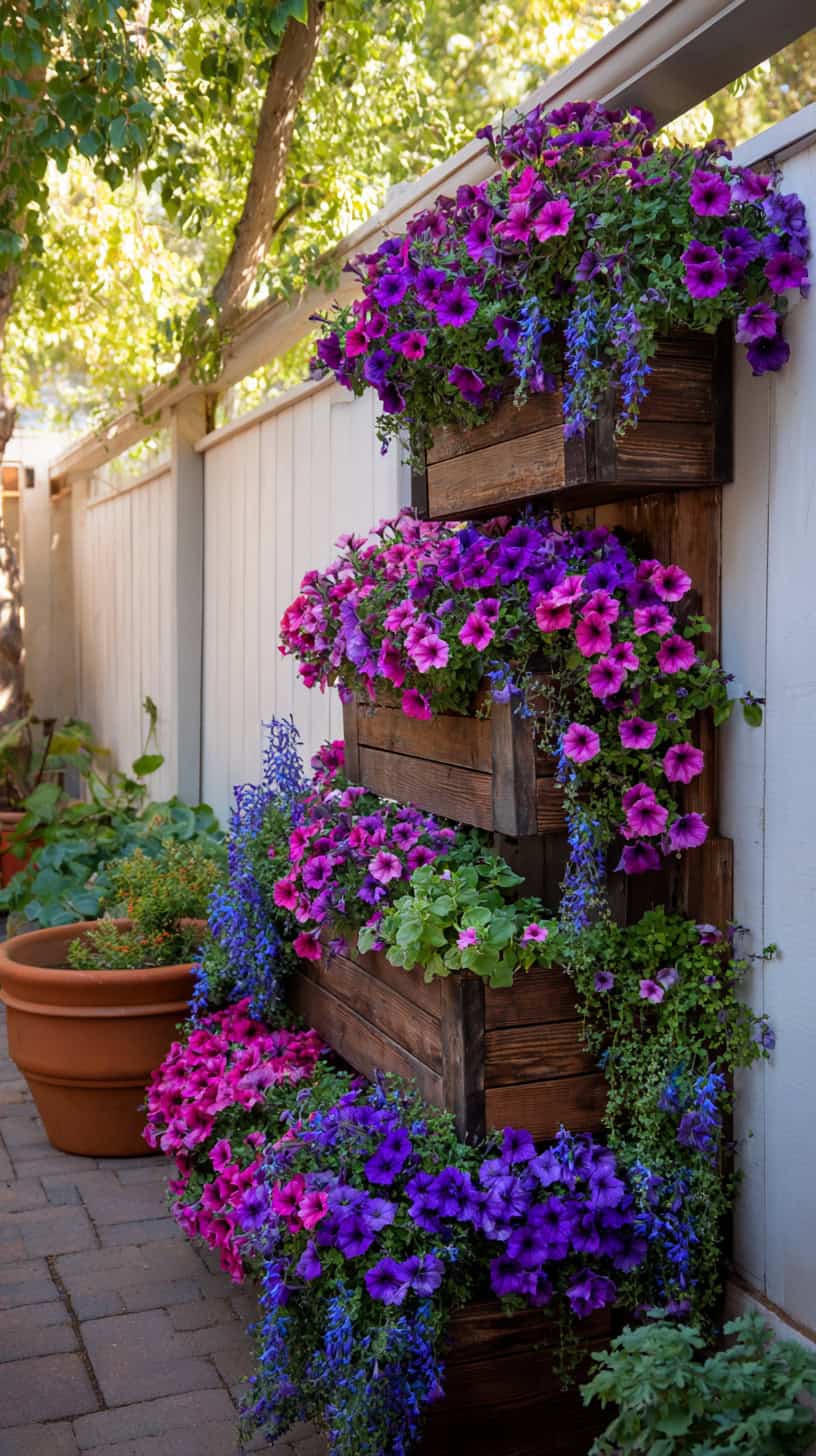
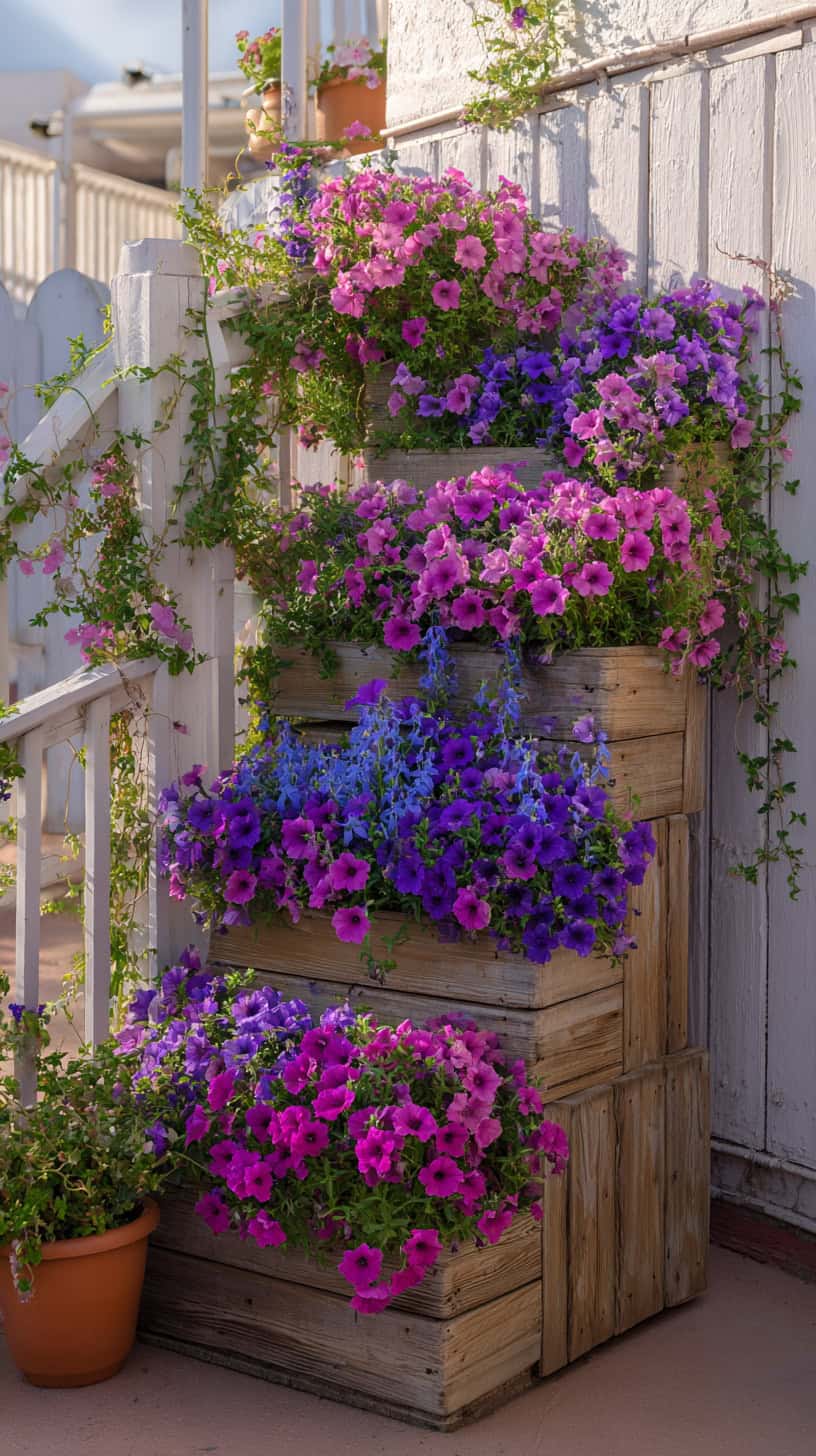
Living with limited outdoor space doesn’t mean you have to give up on gorgeous flower displays. Some of my favorite raised garden beds ideas work perfectly in compact areas, and they’re trending for good reason.
Vertical tiered beds are absolutely brilliant for small gardens. Stack two or three shallow raised beds in a staircase formation against a wall or fence, and suddenly you’ve got triple the planting space in the same footprint. I planted colorful petunias and trailing lobelia in mine, and the cascading effect is simply magical.
Corner raised beds maximize those awkward spaces that usually go unused. Build a triangular or L-shaped raised bed to fit snugly into a corner of your patio or yard. These work wonderfully for small garden design because they utilize every inch without crowding walkways or seating areas.
Long, narrow raised beds along fence lines or property borders create beautiful flower borders without taking up precious yard space. I installed one that’s just 18 inches wide but runs the length of my back fence, and it’s become my favorite feature. Filled with tall dahlias, medium-height zinnias, and low-growing alyssum, it creates gorgeous layered color.
Raised beds on wheels or casters give you ultimate flexibility in small spaces. You can move them to follow the sun throughout the seasons or rearrange your garden layout whenever you want. I use these for seasonal displays, moving them front and center when they’re blooming their best.
Don’t overlook container-style raised beds for tiny patios or balconies. Elevated planter boxes with legs work beautifully on hard surfaces, and many come with built-in storage shelves underneath for tools and supplies. They bring that raised bed advantage to even the smallest outdoor spaces.
Easy Raised Flower Beds Vegetable Garden Beds Combo
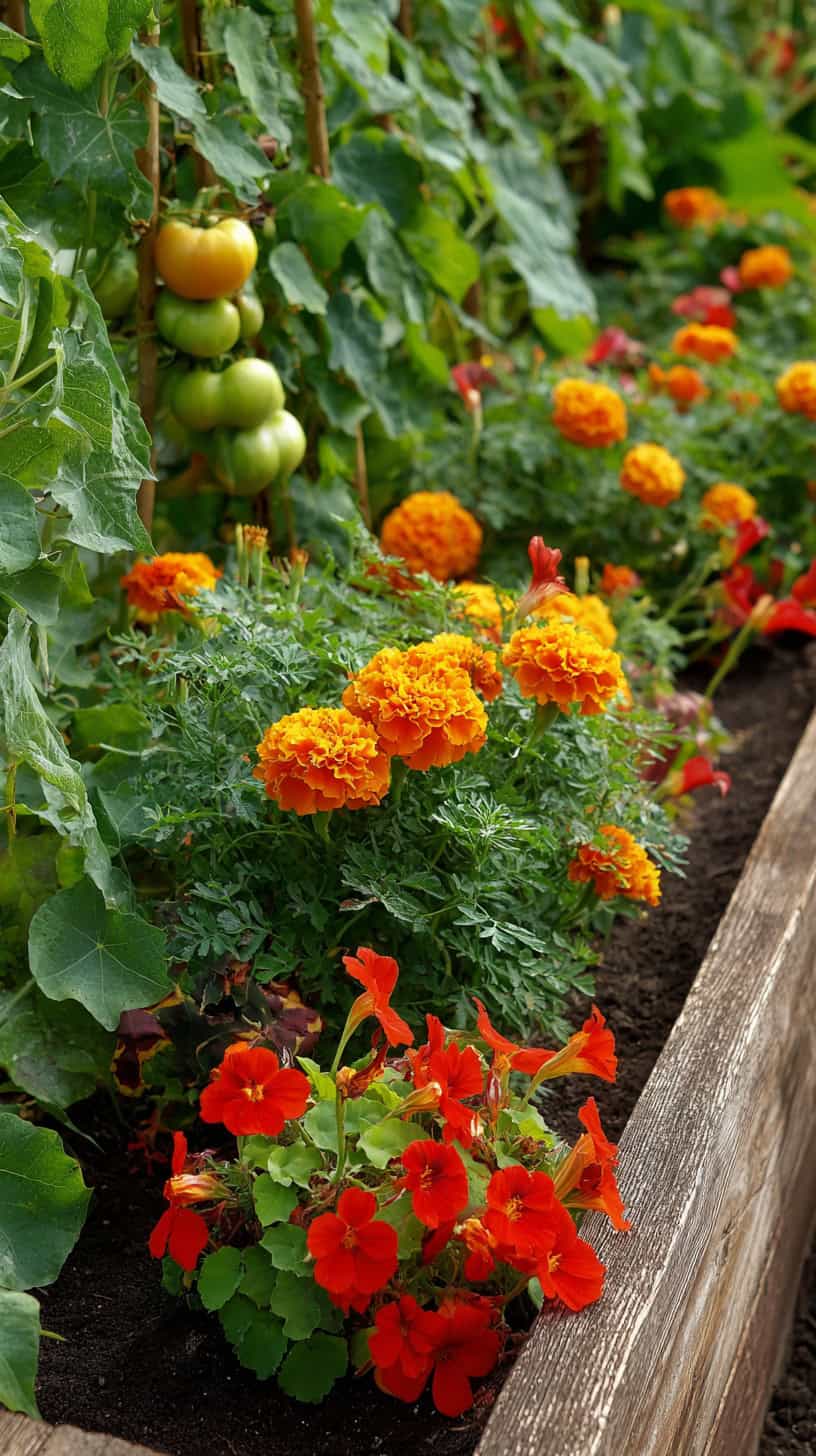
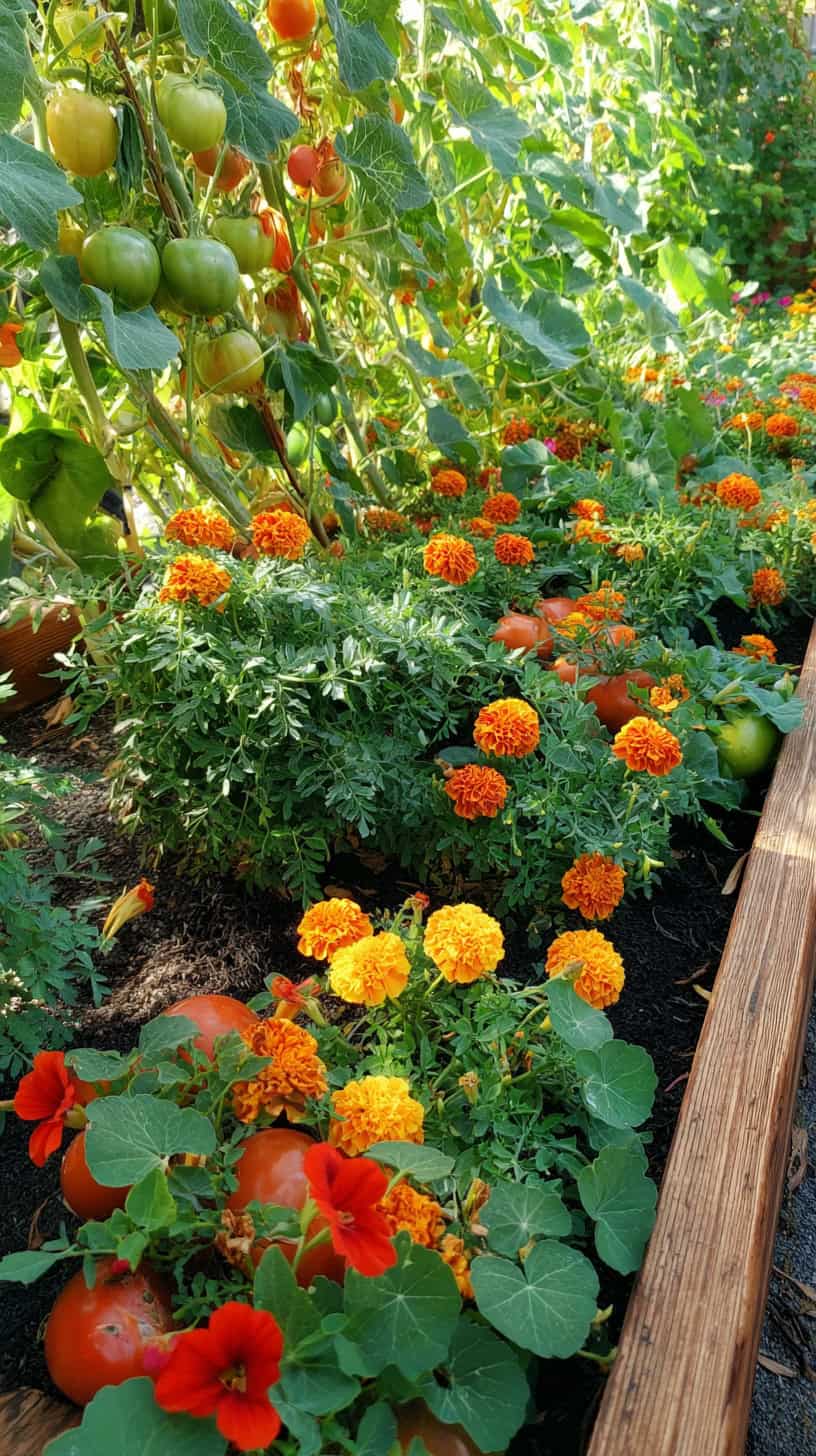
Here’s where things get really exciting. Combining easy raised flower beds with vegetable garden beds creates a stunning and productive garden that feeds both your eyes and your family. The combo approach is incredibly practical and beautiful.
I started mixing flowers and vegetables in the same raised beds, and the results have been amazing. Marigolds planted alongside tomatoes help deter pests naturally while adding pops of orange and yellow. Nasturtiums trailing around the edges of beds filled with lettuce and spinach keep aphids away and offer edible flowers for salads.
The key to successful flower and vegetable combos is understanding companion planting. Flowers like calendula, cosmos, and sweet alyssum attract beneficial insects that pollinate your vegetables and prey on harmful pests. I always tuck these flowering plants into corners and edges of my vegetable beds now.
Creating separate but coordinating raised beds for flowers and vegetables gives you the best of both worlds. Position a beautiful raised flower garden near your vegetable garden beds to create a cohesive look. The flowers attract pollinators that then visit your veggie plants, increasing your harvest naturally.
Herbs bridge the gap perfectly between ornamental and edible. Flowering herbs like lavender, chives, and borage look gorgeous in raised flower beds while offering culinary and medicinal benefits. I planted purple-flowering chives in my front flower beds, and guests are always surprised to learn they’re edible.
Season extension becomes easier when you combine flower and vegetable beds strategically. Plant early spring bulbs and cool-season flowers in beds that will later hold warm-season vegetables. When the flowers fade, transplant your tomato and pepper seedlings right into the same prepared beds. This keeps your garden productive and beautiful throughout the growing season.
New Build Garden Ideas with Sleepers
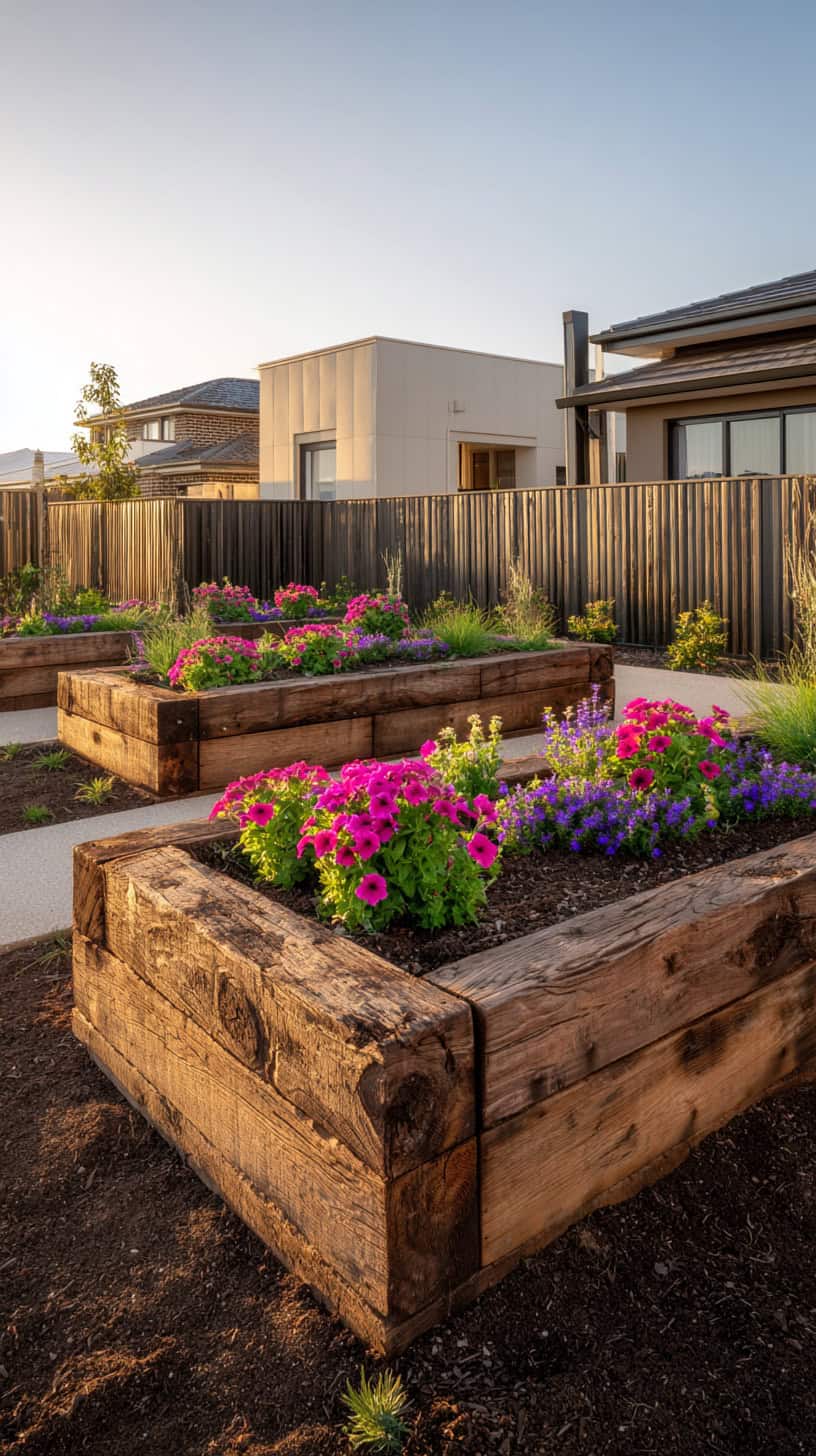
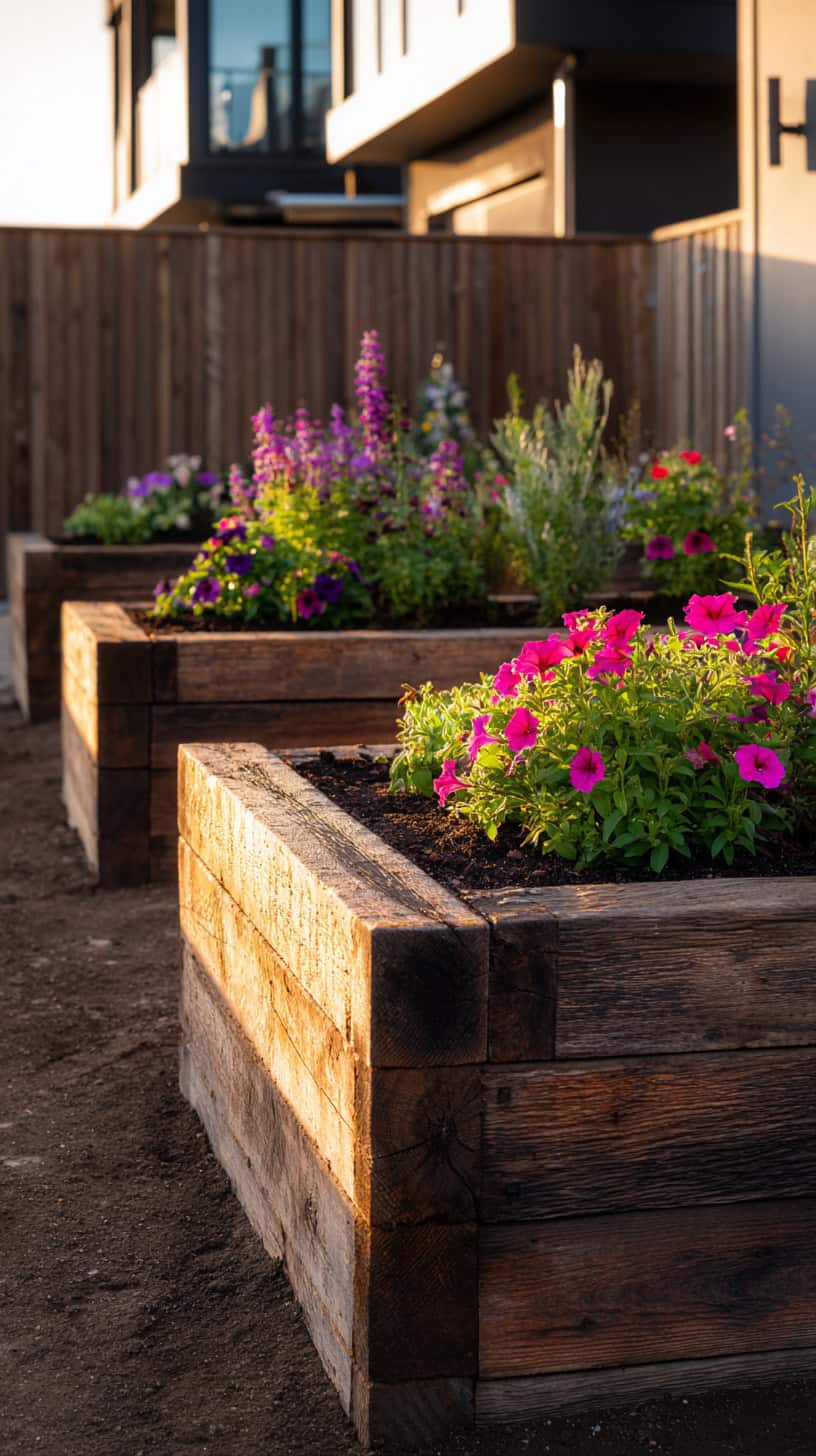
If you’re working with a new build property, you know the struggles of starting with bare, compacted soil and no established garden features. Sleeper raised beds offer an incredibly effective solution that adds instant character and functionality to brand new gardens.
Railway sleepers or landscape timbers create substantial, long-lasting raised beds that look established from day one. These chunky wooden beams bring rustic charm and solid structure to new build garden ideas, making your bare yard feel more mature immediately. I’ve seen new gardens transformed completely with just a few well-placed sleeper raised beds.
The weight and stability of sleepers mean they don’t require complicated construction. Stack them two or three high, secure them with long screws or rebar, and you’ve got a sturdy raised bed ready for planting. This simplicity is perfect when you’re already overwhelmed with moving and settling into a new home.
Sleepers work beautifully for creating different levels in flat new-build gardens that often lack any interesting topography. Build raised beds at varying heights to add dimension and visual interest. I created a stepped garden using sleepers of different heights, and it completely changed the flat, boring lawn into something special.
The natural wood tones of sleepers soften the harsh look of new fencing and fresh construction materials common in new developments. They blend beautifully with both modern and traditional home styles, which is important when you’re establishing your garden’s aesthetic from scratch.
For new build properties with poor soil, sleeper raised beds solve multiple problems at once. Fill them with quality topsoil and compost, giving your plants the perfect growing conditions while you gradually improve the ground soil beneath. Over time, worms and roots will naturally enhance the native soil, but you can enjoy beautiful flowers immediately.
Garden Beds in Front of House Magic
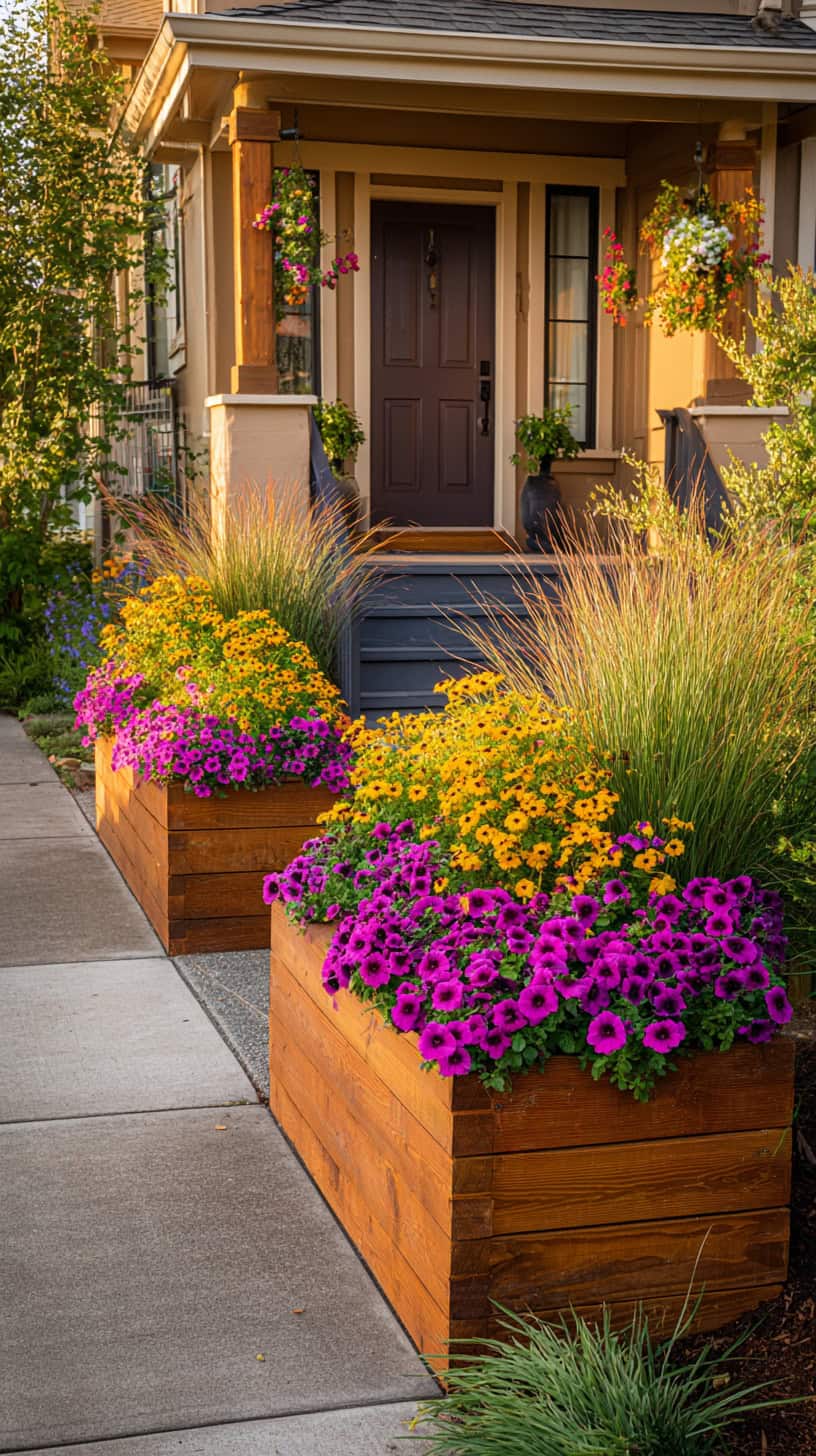
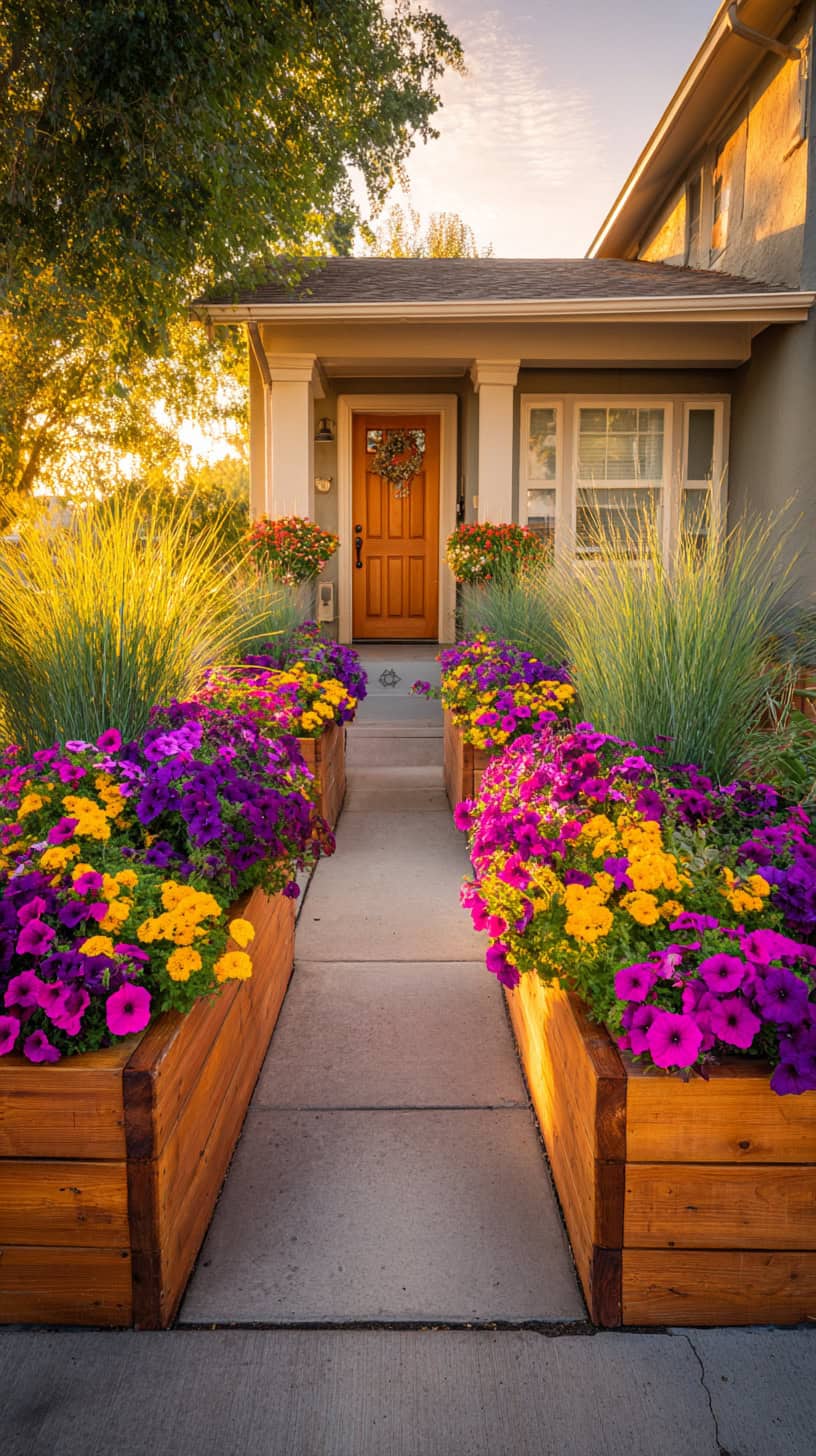
The front of your house is the first thing everyone sees, and garden beds in front of house spaces create instant curb appeal magic. Raised beds work particularly well here because they make a clear design statement and keep everything looking tidy and intentional.
I transformed my plain front yard with two symmetrical raised flower beds flanking the walkway to our front door. Filled with colorful perennials and seasonal annuals, they frame our entrance beautifully and make our home feel so welcoming. Neighbors stop to compliment them regularly, which is always lovely.
Flower beds in front of house locations need to look good year-round since they’re so visible. Choose a mix of evergreen plants for winter structure, spring bulbs for early color, summer perennials for peak season wow-factor, and ornamental grasses that look beautiful well into fall. Raised beds make this layered planting approach much easier to manage and visualize.
Height variation creates the most impact in front garden beds. Use raised beds to lift flowers closer to eye level where they’re more noticeable from the street and from inside your home. I positioned my tallest raised bed right beneath our front window, and now I enjoy the flowers every time I look outside.
Foundation plantings benefit enormously from the raised bed treatment. Instead of struggling with the compacted, often poor-quality soil right next to your house foundation, build raised beds that sit in front of that area. Fill them with great soil and plant beautiful flowers that actually thrive instead of just surviving.
Lighting makes front garden beds absolutely magical in the evening. Tuck solar lights into raised flower beds or install low-voltage path lighting around them. When we come home after dark, our illuminated raised beds make our whole front yard feel enchanting and special.
Sleepers Garden Ideas for Family Fun
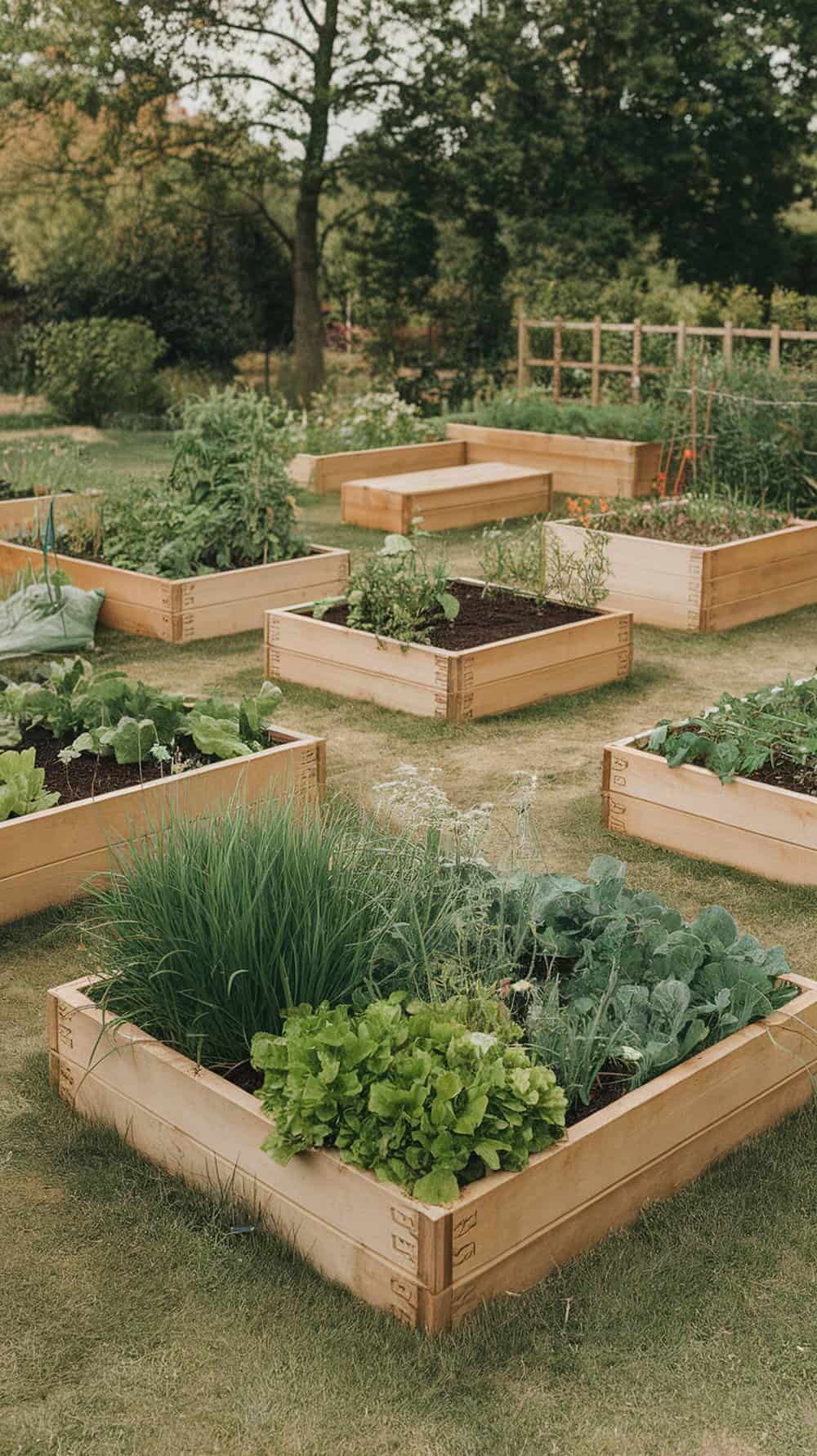
One of my favorite aspects of using sleepers garden ideas is how they naturally create family-friendly garden spaces that everyone can enjoy together. The substantial nature of sleeper raised beds makes them perfect for hands-on family gardening projects.
Building sleeper raised beds is an excellent weekend family project that older kids can participate in meaningfully. My teenagers helped measure, cut, and assemble our sleeper beds, and they take genuine pride in the garden we created together. These are skills they’ll use for years to come.
Sleeper raised beds are sturdy enough to incorporate seating areas right into your garden design. Cap the top edges with smooth boards, and suddenly you’ve got comfortable perches where family members can sit while planting, weeding, or just enjoying the flowers. We added cushions to ours for reading spots on sunny afternoons.
Creating themed raised beds using sleepers turns gardening into an adventure for younger children. We designated one sleeper bed as our “butterfly garden” filled with nectar-rich flowers, another as our “pizza garden” with tomatoes, basil, and oregano, and a third as our “fairy garden” with miniature flowers and hidden surprises. The kids check on them daily.
The height and definition of sleeper beds make it easy to assign garden responsibilities. Each family member can have their own raised bed to care for, teaching accountability and plant care skills. My kids love having “their” gardens that they plan, plant, and maintain mostly independently.
Sleeper raised beds create natural boundaries that keep active play separate from growing areas. In family gardens where balls fly and bikes zoom, having clearly defined raised beds protects your flowers while still allowing plenty of space for fun. Everyone knows where careful behavior is required and where they can play freely.
Raised Flower Garden Tips for Beginners
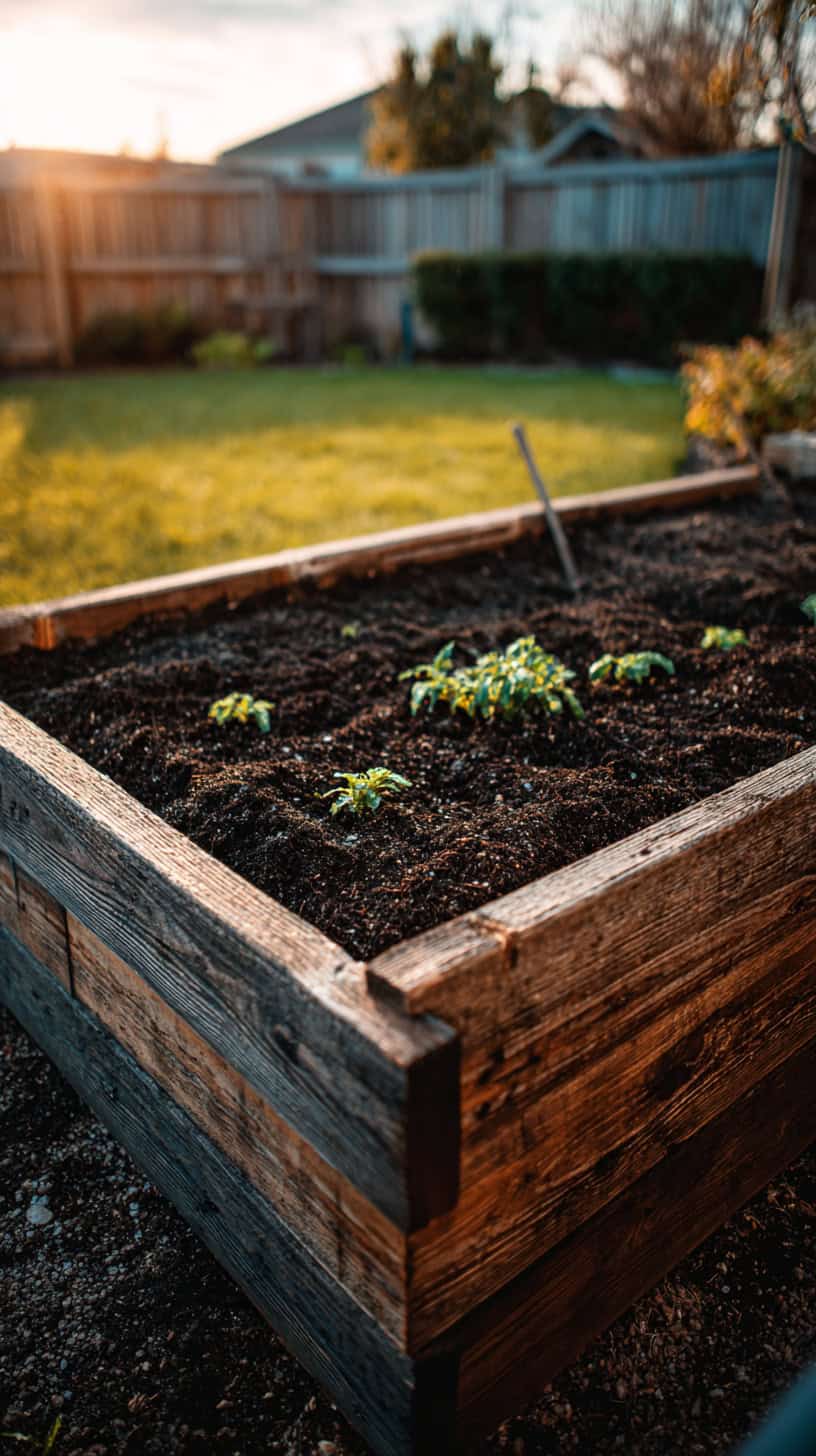
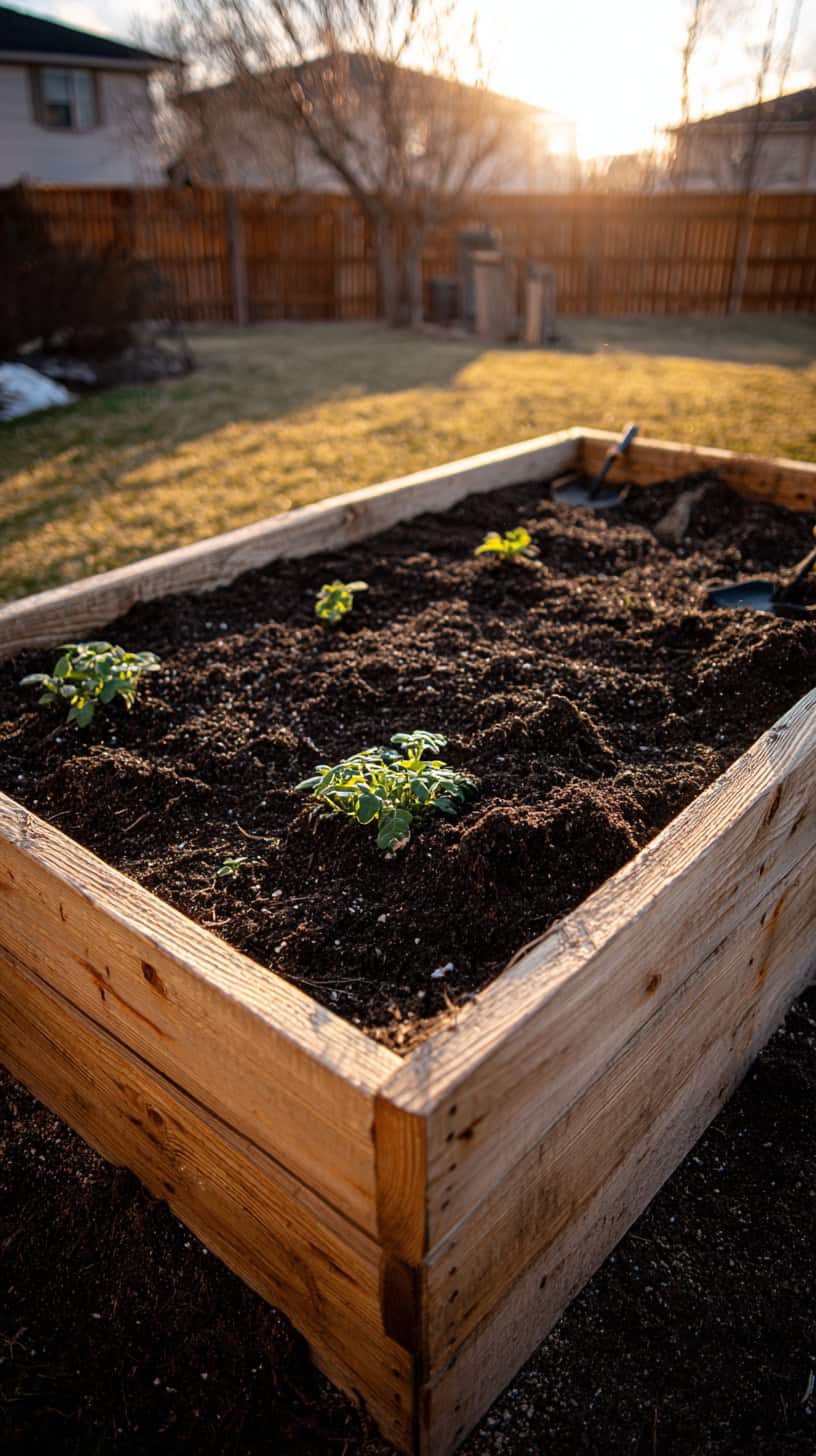
Starting your first raised flower garden feels exciting and maybe a little overwhelming, but it’s honestly one of the most beginner-friendly gardening projects you can tackle. Let me share the tips that made my early raised bed experiences successful instead of frustrating.
Start small with your first raised bed garden design. One well-maintained 4×4 foot raised bed will bring you much more joy than three large beds that become overwhelming to maintain. You can always add more beds once you’ve got the hang of things. I started with just one simple raised bed, and now I have seven throughout my garden.
Choose the right location before building. Most flowering plants need at least six hours of direct sunlight daily, so observe your yard throughout the day before committing to a spot. I made the mistake of placing my first bed in what I thought was a sunny spot, only to realize a large tree shaded it most of the afternoon. Learn from my error.
Invest in quality soil from the start. This is not the place to skimp. Fill your raised beds with a mixture of topsoil, compost, and peat moss or coconut coir. The plants will reward your investment with vigorous growth and abundant blooms. Poor soil leads to disappointing results that might discourage you from continuing.
Plan your plant combinations before buying. Choose flowers with similar water and sun requirements for each bed. Mixing drought-tolerant plants with moisture-lovers in the same raised bed creates maintenance headaches. I learned to group plants by their needs, making watering and care so much simpler.
Install a simple drip irrigation system or soaker hose right from the beginning. Raised beds dry out faster than ground-level gardens, and hand-watering becomes tedious quickly. A basic irrigation setup saves enormous time and ensures your flowers get consistent moisture. This single addition transformed my gardening experience.
Mulch is your best friend in raised flower gardens. A two-inch layer of organic mulch suppresses weeds, retains moisture, and makes beds look polished and professional. I refresh the mulch each spring, and it dramatically reduces my maintenance time throughout the growing season.
Don’t be afraid to experiment and make changes. Raised beds make it easy to adjust your plantings if something isn’t working. That’s part of the fun. I’ve completely replanted beds mid-season when I wasn’t happy with color combinations or when certain plants didn’t thrive. The flexibility is liberating.
Join online gardening communities or local garden clubs for support and inspiration. Seeing other beginners’ successes and learning from their mistakes helped me avoid common pitfalls. The gardening community is wonderfully supportive and always willing to share advice about raised bed garden design and plant selections.
Keep a simple garden journal noting what you planted, when things bloomed, and what worked or didn’t work. I take photos throughout the season, and looking back helps me plan improvements for next year. Your memory isn’t as reliable as you think, especially when choosing plants at the garden center months later.
Remember that gardening is a journey, not a destination. Your raised flower garden will evolve and improve each season as you learn what works in your specific conditions and develop your personal style. Be patient with yourself, celebrate small successes, and enjoy the process. The beauty you’ll create makes it all worthwhile.
Easy raised flower beds truly transform how you experience gardening, making it more accessible, more beautiful, and honestly just more fun for the whole family. Whether you’re working with a tiny balcony or a sprawling yard, new construction or established landscape, raised beds offer solutions that fit your space and lifestyle. Start with one simple bed this season and watch how it changes your outdoor space and your relationship with gardening. You’ve got this!
This post may contain affiliate links. Read the full disclosure here.